
 ნახვა ინტერьерში
 გაგზავნა
 გაზიარება
 დეტალები
 გზამკვლევი

 ჩამოტვირთვა
 მსგავსები
 რენტგენოგრაფიული კვლევა
 სლაიდშოუ
 Q&A
Q&A სტატისტიკა
Harlequin with guitar - -

- 116.0 x 89.0 cm


 სრული ტექსტის ნახვა
გიკლე / ხელოვნების პრინტი
მუზეუმის დონის ჟიკლე ან ტილოზე ბეჭდვა სწრაფი წარმოებისა და დასრულების მოქნილი ვარიანტებით. ( შეიძინეთ ხელით შესრულებული ნახატი გადასვლა ციფრულ გამოსახულებაზე)




P118B ₾10

P118H ₾10

P118W ₾10

P438Z ₾10

P508JH ₾12

P508YH ₾12

P805H ₾10

P805Z ₾10

P919BZ ₾10

P919G ₾10

P919XJ ₾10

P959ZH ₾10

P968JZ ₾12

W106C ₾8

W218G ₾10

W218JH ₾8

W218Y ₾10

W307PJ ₾10

W316G ₾10

W316PJ ₾8

W316Y ₾10

W398PJ ₾8

W4111J ₾10

W500HY ₾15

W500JH ₾15

W692G ₾12

W849H ₾8

W940BG ₾15

W953PJ ₾8




აირჩიეთ ჩვენს მიერ წინასწარ განსაზღვრული ზომებიდან, რომლებიც ნაწარმოების ორიგინალურ პროპორციებს შეესაბამება.

შეიყვანეთ თქვენთვის საჭირო სიგანე და სიმაღლე, რათა იგი მოერგოს თქვენს ჩარჩოს ან კედელს. ბეჭდვისას შესაძლებელია მხოლოდ მისი შემცირება და არა გაზრდა, ამიტომ სხვა ფორმის ზომის შემთხვევაში გამოსახულება ნაწილობრივ იკარგება. სანამ რაიმეს დაბეჭდავთ, ჩვენ გამოგიგზავნით ციფრულ მაკეტს დასდასტურებლად. ამ გვერდზე ნაჩვენები სურათი არ ასახავს რეალურ ჭრას — ამას მხოლოდ მაკეტი გვიჩვენებს.
მიწოდება მთელ მსოფლიოში () 2 კვირაში, სტანდარტული 4/5 კვირის ნაცვლად. (2 ნოემბერი)

უფასო ექსპრეს მიწოდება მთელ მსოფლიოში

მაღალი ხარისხის ტილო

ტრანსპორტირების სრული დაზღვევა

საბაჟო გადასახადების დაბრუნების გარანტია

ფერების სრული შესაბამისობის გარანტია

დაბრუნების 100-დღიანი პერიოდი (მხოლოდ წარმოების დეფექტის შემთხვევაში)

100% თანხის სრული დაბრუნების გარანტია

ფასდაკლება დიდი რაოდენობით შეკვეთისას
 მინის ჩარჩოს არჩევანი ხელმისაწვდომია მხოლოდ 110 სმ-მდე ზომისთვის

Harlequin with guitar - -
გიკლე / ხელოვნების პრინტი
რეპროდუქციის ზომა
-


ჯამური ღირებულება
₾ 208
A Fragmented Portrait of Musical Reverie: Exploring Juan Gris’s Harlequin with Guitar
Juan Gris's “Harlequin with Guitar,” completed in 1919, stands as a cornerstone of Synthetic Cubism—a movement that irrevocably altered the landscape of artistic expression. More than just a depiction of a musician, this painting embodies the intellectual and aesthetic ambitions of its time, reflecting a profound engagement with geometric abstraction and a masterful manipulation of color and texture. Created in Paris during Gris’s formative years as an artist, it captures a moment of contemplative stillness amidst the dynamism of Cubist innovation.The Genesis of Geometric Harmony
Gris's approach to Cubism distinguishes him from his contemporaries like Picasso and Braque; he prioritized harmony and balance within fractured forms—a deliberate antithesis to the chaotic fragmentation championed by other artists. This pursuit of equilibrium is immediately apparent in “Harlequin with Guitar.” The central figure, a harlequin musician, isn’t rendered as a conventional portrait but rather dissected into interlocking planes of color and shape. These geometric elements – cubes, cylinders, cones—are juxtaposed against a muted backdrop featuring two additional figures, subtly hinting at an ensemble performance yet maintaining a sense of profound solitude. This careful orchestration speaks to Gris's belief that abstraction could convey emotion just as effectively as realism.Technique and Material Considerations
Executed in oil on canvas, “Harlequin with Guitar” exemplifies the Synthetic Cubist technique pioneered by Gris and his peers. Unlike Analytical Cubism’s focus on breaking down objects into constituent parts, Synthetic Cubism incorporates collage—specifically paper fragments—to enrich the visual experience. These paper inclusions aren't merely decorative; they contribute to the overall textural complexity of the painting and subtly disrupt the rigid geometric structure. The artist meticulously applied pigment with a brush, layering colors to achieve luminous effects and creating subtle gradations that heighten the sense of depth.Historical Context: Embracing Modernity’s Disquiet
The painting emerged during a period of intense intellectual ferment—the aftermath of World War I—characterized by anxieties about tradition and an eagerness to embrace new artistic languages. Cubism responded directly to these concerns, rejecting perspectival illusion and embracing the challenge of representing multiple viewpoints simultaneously. Gris's decision to depict a musician wasn’t arbitrary; it served as a deliberate provocation against academic conventions, asserting that art could explore psychological states alongside visual representation. The inclusion of the paper collage underscores this broader cultural preoccupation with experimentation and disruption.Symbolism Beyond Representation
While “Harlequin with Guitar” eschews literal depiction, its symbolism resonates deeply. The harlequin figure itself—a traditional theatrical character—represents adaptability and transformation—themes central to the Cubist project. The guitar symbolizes musical expression and contemplation, mirroring Gris’s own artistic sensibilities. Furthermore, the muted backdrop serves as a counterpoint to the vibrant geometric forms, suggesting an inner world of thought and emotion that transcends outward appearances.Emotional Resonance: A Quiet Intensity
Despite its formal austerity, “Harlequin with Guitar” possesses a palpable emotional intensity. The harlequin’s gaze—directed slightly off-center—captures a moment of introspection, inviting the viewer to contemplate the complexities of human experience. The subtle interplay of color and texture contributes to this feeling of quiet contemplation, creating an artwork that transcends mere visual stimulation and speaks to the profound beauty of geometric abstraction. It remains a testament to Gris’s ability to convey emotion through form—a remarkable achievement within the context of early 20th-century art.კითხვები და პასუხები
რა ფორმისა და ზომის არის ხუან გრის-ის „Harlequin with guitar - -“?
ხუან გრის-ის „Harlequin with guitar - -“ წარმოადგენს 116 x 89 cm ზომის Portrait ფორმატის ნამუშევარს.
რას გამოსახავს "Harlequin with guitar - -"?
სურათის "Harlequin with guitar - -" თემებს წარმოადგენს cubism, guitar, harlequin, portrait, geometric, collage, madrid.
როგორ უკავშირდება ხუან გრის-ის „Harlequin with guitar - -“ ფერები მის ემოციას?
ხუან გრის-ის „Harlequin with guitar - -“-ის Dark პალიტრა იდეალურად ერწყმის მის Reflective ემოციურ ტონს. ფერი ერთ-ერთი საშუალებაა, რასაც ნამუშევარი გრძნობების გადმოსაცემად იყენებს.
მხატვრის ბიოგრაფია
ესპანელი ვიზიონერი კუბიზმის სამყაროში: ხუან გრისის ცხოვრება და შემოქმედება
ხოსე ვიქტორიანო გონსალეს-პერესი, რომელიც 1887 წელს მადრიდში დაიბადა, მხატვარი, რომელმაც საკუთარი სახელი – ხუან გრისი – XX საუკუნის ხელოვნების მნიშვნელოვან ფიგურად აქცია, მოგზაურობას შეუდგა. მისი პირველი ნაბიჯები არ იყო სწორად ტილო და ფუნჯი; მან ინჟინერიის შესწავლა დაიწყო ხელოვნებისა და მეცნიერების სკოლაში, რაც მის ანალიტიკურ აზრს წარმოადგენდა, რომელმაც მოგვიანებით დიდი გავლენა მოახდინა მის მხატვრულ მიდგომაზე. თუმცა, ამ ფორმირებად წლებშიც კი შემოქმედებითი სხივავი ჩანდა – ადგილობრივ პერიოდიკაში ნახატების გამოქვეყნება ახალგაზრდა მხატვრის ტალენტზე მიანიშნებდა. 1905 წელს მან ფსევდონიმი ხუან გრისი აირჩია, რაც თვითიდენტიფიკაციის და მიზნის ახალი შეგრძნებას ასახავდა, როდესაც ოფიციალურმა ხატვის შესწავლამ დაიწყო ხოსე მორენო კარბონეროს ხელმძღვანელობით. ეს იყო გადამწყვეტი მომენტი, რომელმაც იგი ინოვაციებისაკენ მიმართა.პარიზული გამოღვიძება და კუბიზმის ჩართულობა
1906 წელს ხუან გრისი პარიზში გადავიდა, ქალაქში, რომელიც მხატვრული ენერგიით იყო გაჟღენთილი. მან თავი ამ ცოცხალ გარემოში ჩა plunged და მეგობრობა დაამყარა ისეთ გამოჩენილ ადამიანებთან, როგორიცაა ანრი მატისი, ჟორჟ ბრაკი და ფერნანდ λεger. თავდაპირველად იგი *L'Assiette au Beurre*-სთვის სატირულ ილუსტრაციებს ეწეოდა, რაც მის დაკვირვების უნარებს ამძაფრებდა და ვიზუალურ გრძნობობას აუმჯობესებდა. თუმცა, პაბლო პიკასოს მაგნიტური ძალა განსაკუთრებით დიდი გავლენა აღმოჩნდა. 1910 წლისთვის გრისი სერიოზულად მიჰყო ხატვას, კარიკატურისგან კუბიზმის ახალგაზრდა ენისკენ გადავიდა. ეს მხოლოდ იმიტაცია არ იყო; მან დაიწყო ფორმისა და სივრცის არსის გამო distillation, რეალობის ძირეული სტრუქტურის აღსადგენად. მისმა ადრეულმა კვლევებმა ტრადიციული წარმოდგენებისგან განზრევა გამოიწვია, აბსტრაქცია კი რეალობის აღქმის საშუალებად იქცა.გამოცემის გეომეტრია: სტილი და ძირითადი ნამუშევრები
ხუან გრისის შემოქმედებას გამოირჩევა განსაკუთრებული სიცხადე და ინტელექტუალური სიმკაცრე. მან ობიექტები არ დაიშალა, არამედ მიზნობრივად აღდგინა ისინი, გეომეტრიულ ფორმებსა და ფრთხილად შერჩეულ პალიტრას ხაზს უსვამდა. ამ მიდგომამ მისი “კრისტალური პერიოდი” წარმოშვა, რომელიც შედევრით არის წარმოდგენილი, როგორიცაა *Still Life Before an Open Window* და *Place Ravignan* (1915). ეს ნამუშევრები აღნიშნავენ თვითმფრინავების და კუთხეების განსაცვიფრებელ თამაშს, სიღრმის შეგრძნებასა და სოლიდურობას ქმნიან, ხოლო ტრადიციული პერსპექტივის კონცეფციებს გამოწვევენ. 1913 წლის შემდეგ გრისი მთლიანად ჩართულ იქნა Synthetic Cubism-ში, *papier collé*-ს გამოყენებაში – კოლაჟი – ნაწარმოებში რეალურ მასალას, როგორიცაა გაზეთის ფრაგმენტები და ტექსტურირებული ქაღალდები. ამმა ტექნიკამ მის მუშაობაში კიდევ ერთი კომპლექსურობის და შეხების ელემენტი შეიტანა, ხატვასა და სკულპტურას შორის საზღვრები გაანადგურა. ღირსშესანიშნავი მაგალითია *Guitar in front of the sea* (1925), რაც მისი მარტივი ფორმებისა და კუბისტური პრინციპებისადმი ერთგულების მოწმობაა, ასევე *Homage à Pablo Picasso* (1912), რომელმაც მის აღიარებას avant-garde ხელოვნების სამყაროში მიანიშნა.მემკვიდრეობა და გავლენა
ხუან გრისის წვლილი კუბიზმში მხოლოდ სტილისტური ინოვაცია არ არის; მან მოძრაობაში უნიკალური ინტელექტუალური სიღრმე და სტრუქტურული სიცხადე შეიტანა. მან ანალიტიკური ფაზა გადალახა, უფრო ორგანიზებულ და სინთეტურ მიდგომასთან გადავიდა, წესრიგს და სიზუსტეს უპირატესობას ანიჭებდა. მისმა მუშაობამ დიდი გავლენა მოახდინა პურიზმის სტილზე, რომელსაც Amédée Ozenfant-ი და Charles Edouard Jeanneret (Le Corbusier) ხელმძღვანელობდნენ, რაც კლასიკური ფორმების და კომპოზიციის პრინციპების დაბრუნებას მოითხოვდა. გრისისმა გეომეტრიულ ფორმებზე აქცენტმა, ჰარმონიულ ფერებსა და ყოველდღიურ ობიექტებში ინტეგრაციამ იგი XX საუკუნის ხელოვნების მნიშვნელოვან ფიგურად დაასახელა. მისი მემკვიდრეობა დღესაც შთააგონებს მხატვარებს, რაც კუბიზმის მდგრად ძალასა და ხუან გრისის – ესპანელი მასტერს – წარმოადგენს, რომელმაც ჩვენი აღქმისა და წარმოდგენის გაგება შეცვალა.
ხუან გრის
1887 - 1927 , საქართველო
მოკლე ფაქტები
- Artistic Movement Or Style: კუბიზმი, სინთეზური კუბიზმი
- Artists Or Movements Influenced By This Artist:
- პურიზმი
- ამედე ოზენფანი
- ლე კორბუზიე
- Artists Who Influenced This Artist:
- პაბლო პიკასო
- ანრი მატისი
- ჟორჟ ბრაკი
- Date Of Birth: 23 მარტი, 1887
- Date Of Death: 11 მაისი, 1927
- Full Name: ხოსე ვიქტორიანო გონსალეს-პერესი
- Nationality: ესპანელი
- Notable Artworks:
- გიტარა ზღვის წინაშე
- პაბლო პიკასოსადმი მიძღვნა
- მემამრე
- ჟოზეტ გრისის პორტრეტი
- Place Of Birth: მადრიდი, ესპანეთი
მსგავსი სტატიები

ჟორჟ ბრაკის 25 შედევრი: ხელოვნების ისტორიაში გამორჩეული ნაწარმოებები | OriginalUniqueArt.com
გაიცანით ჟორჟ ბრაკის 25 გამორჩეული შედევრი! კუბიზმის ისტორია, ფერწერის სტილი და ხელოვნების უნიკალური სამყარო OriginalUniqueArt.com-ზე. ნახატების რეპროდუქციები თქვენი სახლისთვის - ექსკლუზიური დეკორი და ინტერიერის იდეები. აღმოაჩინეთ მთელი კოლექცია ონლაინ!
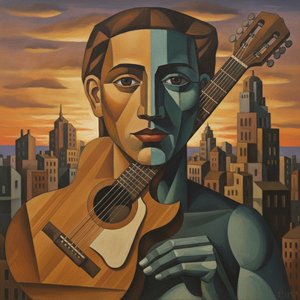
Cubism Unveiled: How Picasso and Braque Redefined Reality Through Geometric Abstraction
Explore the revolutionary world of Cubism. Discover how masters Pablo Picasso and Georges Braque dismantled reality through geometric abstraction to redefine modern art history.
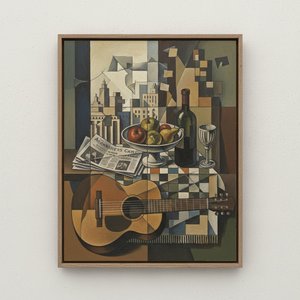
Juan Gris: Cubist Deconstruction & Synthesis – A Comprehensive Exploration
Explore the revolutionary art of Juan Gris – a master of Cubism. Discover his unique approach to deconstruction, vibrant Synthetic Cubist works, and lasting influence on modern art. Expert analysis for collectors.
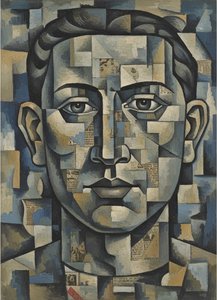
Deconstructing Identity: A Comprehensive Exploration of Cubist Portraiture
Explore the revolutionary world of Cubist portraiture with our comprehensive guide. Discover Picasso, Braque, Gris & the movement's impact on modern art. Expert analysis for collectors and enthusiasts.
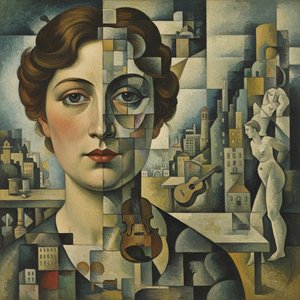
Deconstructing Reality: Cubism's Revolutionary Impact on 20th-Century Art
Explore the revolutionary world of Cubism with OriginalUniqueArt. Discover Picasso & Braque's groundbreaking techniques, its philosophical roots, and lasting impact on modern art. Expert insights for collectors.


