

 ნახვა ინტერьерში
 გაგზავნა
 გაზიარება
 დეტალები
 გზამკვლევი

 ჩამოტვირთვა
 მსგავსები
 რენტგენოგრაფიული კვლევა
 სლაიდშოუ
 სტატისტიკა
ვინა სომნიუმ ბრევე
 აკრილი ტილოზე
- კედლის დეკორი
- Art Nouveau Modern
 1906
1906 163.0 x 143.0 cm
 National Museum in Kraków
 სრული ტექსტის ნახვა
გიკლე / ხელოვნების პრინტი
მუზეუმის დონის ჟიკლე ან ტილოზე ბეჭდვა სწრაფი წარმოებისა და დასრულების მოქნილი ვარიანტებით. ( შეიძინეთ ხელით შესრულებული ნახატი გადასვლა ციფრულ გამოსახულებაზე)




P118B ₾10

P118H ₾10

P118W ₾10

P438Z ₾10

P508JH ₾12

P508YH ₾12

P805H ₾10

P805Z ₾10

P919BZ ₾10

P919G ₾10

P919XJ ₾10

P959ZH ₾10

P968JZ ₾12

W106C ₾8

W218G ₾10

W218JH ₾8

W218Y ₾10

W307PJ ₾10

W316G ₾10

W316PJ ₾8

W316Y ₾10

W398PJ ₾8

W4111J ₾10

W500HY ₾15

W500JH ₾15

W692G ₾12

W849H ₾8

W940BG ₾15

W953PJ ₾8




აირჩიეთ ჩვენს მიერ წინასწარ განსაზღვრული ზომებიდან, რომლებიც ნაწარმოების ორიგინალურ პროპორციებს შეესაბამება.

შეიყვანეთ თქვენთვის საჭირო სიგანე და სიმაღლე, რათა იგი მოერგოს თქვენს ჩარჩოს ან კედელს. ბეჭდვისას შესაძლებელია მხოლოდ მისი შემცირება და არა გაზრდა, ამიტომ სხვა ფორმის ზომის შემთხვევაში გამოსახულება ნაწილობრივ იკარგება. სანამ რაიმეს დაბეჭდავთ, ჩვენ გამოგიგზავნით ციფრულ მაკეტს დასდასტურებლად. ამ გვერდზე ნაჩვენები სურათი არ ასახავს რეალურ ჭრას — ამას მხოლოდ მაკეტი გვიჩვენებს.
მიწოდება მთელ მსოფლიოში () 2 კვირაში, სტანდარტული 4/5 კვირის ნაცვლად. (24 ოქტომბერი)

უფასო ექსპრეს მიწოდება მთელ მსოფლიოში

მაღალი ხარისხის ტილო

ტრანსპორტირების სრული დაზღვევა

საბაჟო გადასახადების დაბრუნების გარანტია

ფერების სრული შესაბამისობის გარანტია

დაბრუნების 100-დღიანი პერიოდი (მხოლოდ წარმოების დეფექტის შემთხვევაში)

100% თანხის სრული დაბრუნების გარანტია

ფასდაკლება დიდი რაოდენობით შეკვეთისას
 მინის ჩარჩოს არჩევანი ხელმისაწვდომია მხოლოდ 110 სმ-მდე ზომისთვის

ვინა სომნიუმ ბრევე
გიკლე / ხელოვნების პრინტი
რეპროდუქციის ზომა
-


ჯამური ღირებულება
₾ 209
Vita somnium breve – A Window Into Polish Symbolism
Józef Mehoffer’s “Vita somnium breve” (Life is a short dream), created in 1906, stands as a cornerstone of Art Nouveau stained glass artistry and embodies the spirit of Young Poland—a movement dedicated to reviving Polish national identity after centuries of partitions. Commissioned by Krakowski Zakład Witrażów i Mozaiki S.G. Żeleński (Krakow Stained Glass and Mosaic Workshop), this monumental window is housed in the National Museum, Kraków, offering visitors a glimpse into the artistic fervor of the era. ### Artistic Style and Technique: The Fluid Embrace of Art Nouveau Mehoffer’s approach to stained glass aligns perfectly with the tenets of Art Nouveau—a style characterized by organic forms, flowing lines, and intricate ornamentation inspired by nature. Unlike the rigid geometric patterns prevalent in earlier styles, “Vita somnium breve” showcases a dynamic interplay between curves and spirals, mirroring the ephemeral beauty of dreams themselves. The artist skillfully employs a technique known as *vitrography*, meticulously transferring a detailed cartoon onto molten glass—a process demanding exceptional precision and artistic vision. This painstaking method ensures that every shard of colored glass captures the essence of the original design with remarkable fidelity. ### Symbolism: Echoes of Mythological Narrative The window’s imagery draws heavily from Polish folklore and mythology, specifically referencing tales about Persephone and Hades – a poignant allegory for life's journey and mortality. Depicted within a lush forest setting are figures representing humanity—primarily women and children—engaged in contemplative poses. These individuals aren't merely passive observers; they appear to be actively participating in the unfolding narrative, symbolizing resilience and hope amidst darkness. The vibrant hues of emerald green and sapphire blue dominate the composition, conveying tranquility and spiritual depth – colors traditionally associated with rebirth and regeneration. ### Historical Context: Young Poland’s Artistic Renaissance “Vita somnium breve” emerged during a period of intense cultural revival in Poland—Young Poland (Młoda Polska). Following the humiliating defeat in the Russo-Polish War of 1893, artists, writers, and intellectuals rallied to champion Polish language, culture, and national pride. Stained glass workshops like Żeleński played a crucial role in disseminating nationalist ideals through visual art, creating monumental pieces that served as emblems of Polish identity. Mehoffer’s work exemplifies this artistic ambition—a desire to elevate the aesthetic experience while simultaneously conveying profound moral and spiritual messages. ### Emotional Impact: A Meditation on Life's Transient Beauty Ultimately, “Vita somnium breve” transcends mere decoration; it invites contemplation about the fleeting nature of existence and the importance of embracing life’s joys amidst inevitable sorrow. The window’s serene atmosphere—reinforced by its masterful use of color and form—promotes a sense of peace and wonder. It serves as a powerful reminder that even dreams, however brief, hold within them the promise of beauty and transformation – a timeless message conveyed with breathtaking artistic skill.კითხვები და პასუხები
სად შემიძლება "ვინა სომნიუმ ბრევე"-ის შესახებ სახელმძღვანელოს პოვნა?
Józef Mehoffer-ის „ვინა სომნიუმ ბრევე“-ის გზამკვლევი გვერდი გთავაზობთ ბეჭდად ამოსაღებ ორგვერდიან ფაქტების ფურცელს: ნამუშევარს თავისი საიდენტიფიკაციო ცხრილით, დეკადების სარტყელს, რომელიც მას ხელოვანის სიცოცხლის პერიოდს უკავშირებს, ხელოვანის სხვა ნამუშევრებს, გაზომილ ფერల პალიტრას და ასატყვევ ციტატებს ოთხი სხვადასხვა სტილით.
როგორ არის აგებული Józef Mehoffer-ის „ვინა სომნიუმ ბრევე“-ის ფეროვანი კომპოზიცია?
წარმოებულში "ვინა სომნიუმ ბრევე", განცხადება კონტრასტი დისკორდანტული პალიტრა ჰარმონიასთან ერწყმის.
რამდენად მკვეთრია „ვინა სომნიუმ ბრევე“-ის ფერები?
Józef Mehoffer-ის „ვინა სომნიუმ ბრევე“-ში ფიქსირდება ნაზი ფერი გაჯერებულობა და ბალანსირებული ინტენსივობა.
მხატვრის ბიოგრაფია
A Life of Color and Glass
Józef Mehoffer arrived in the world in Ropczyce, Poland, in 1869, though his path to the easel was not immediate. Before he embraced the brush, he pursued legal studies, a direction that only shifted after a gift of paints revealed a different vocation. He sought formal training at the Academy of Fine Arts in Kraków under Władysław Łuszczkiewicz, later expanding his horizons through studies in Vienna and Paris at the Académie Colarossi. This period of wandering through Europe’s great art centers allowed him to absorb the diverse currents of his era.
His work became a bridge between the academic traditions of his teachers, such as Jan Matejko, and the emerging avant-garde. He moved with ease between easel painting and the monumental demands of decorative arts. Whether working on portraits, landscapes, or intricate book illustrations, Mehoffer sought a fusion of form and color. His style grew to include elements of Post- Impressionism and the Secession movement, often utilizing bold palettes and fluid lines that mirrored the organic spirit of Art Nouveau.
The Light of Fribourg
While his presence was felt throughout Poland, Mehoffer achieved significant recognition through his work in Switzerland. Between 1895 and 1936, he dedicated decades to a cycle of thirteen stained-glass compositions for the Cathedral of St. Nicholas in Fribourg. This undertaking required immense technical precision, as he treated the lead came not merely as a structural necessity but as an autonomous graphic line. He selected glass of varying thicknesses and textures, using silver stain and vitreous black to manipulate how light moved through the windows.
The success of these windows brought him international attention. At the 1900 Paris World's Fair, his window titled The Martyrs earned a gold medal. This period of his life saw him blending Polish folk motifs with the sophisticated aesthetics of European Art Nouveau. His ability to translate complex religious and symbolic themes into luminous glass remains a central part of his professional identity.
A Decorative Legacy
Mehoffer’s creative output was remarkably broad, refusing to be confined to a single medium. He was as much a designer of furniture, textiles, and posters as he was a painter of canvases. His hand could be found in the mosaics of the Armenian Cathedral in Lviv and the frescoes of Wawel Cathedral. In 1897, he helped found the society Sztuka, an organization that sought to assert the independence of Polish art from the influence of occupying powers.
In his later years, Mehoffer established a home and studio on Krupnicza Street in Kraków. This house, which he purchased in 1932, became a center for musical and literary gatherings, reflecting his role as a figure of the Polish intelligentsia. He lived through the profound shifts of the early twentieth century, continuing to work even during the hardships of the Second World War. When he passed away in Wadowice in 1946, he left behind a body of work that spanned the transition from nineteenth-century tradition to the modern decorative era.

Józef Mehoffer
1869 - 1946
მოკლე ფაქტები
- Artistic Movement Or Style:
- Young Poland
- Post-Impressionism
- Secession
- Art Nouveau
- Symbolism
- Artists Who Influenced This Artist:
- Jan Matejko
- Władysław Łuszczkiewicz
- Henri Matisse
- Full Name: Józef Mehoffer
- Nationality: Polish
- Notable Artworks:
- Vita somnium breve
- Three Kings
- The Farewell
- The Muse
- Medusa
- Place Pigalle in Paris
- Place Of Birth: Ropczyce, Poland
- Date Of Birth: 1869
- Date Of Death: 1946
მსგავსი სტატიები
Jan Matejko: Historical Narrative & National Identity in 19th-Century Polish Painting
Explore the powerful historical paintings of Jan Matejko, Poland's national artist. Discover his iconic works & learn how he shaped Polish identity in the 19th century. High-quality reproductions available.
არტ ნუヴォუს 10 შედევრი: ხელოვნებისა და დეკორის საგანძვალი
აღმოფრთოვანდით არტ ნუვოს 10 შედევრით! ალფონს მუხა, კლიმტი და სხვა გენიოსების გამორჩეული ნახატები. შეიგრძენით ამ მოძრაობის máгия და იხილეთ როგორ განათავსებენ ხელოვნებას თქვენს სახლში. იხილეთ ყველა შედევრი OriginalUniqueArt.com-ზე!
Stanisław Wyspiański: Symbolism, National Identity & the Polish Secession
Explore the life & work of Stanisław Wyspiański, a pivotal figure in Polish Symbolism and the Young Poland movement. Discover his iconic paintings, dramas, and stained glass designs reflecting national identity & artistic innovation.
Luminous Masterpieces: The Captivating Beauty and Timeless Elegance of Stained Glass Artworks
Embark on a visual journey through the luminous world of stained glass art. Discover the exquisite craftsmanship, historical significance, and captivating beauty of masterworks from Art Nouveau to the Gothic era, curated for the discerning fine art enthusiast.
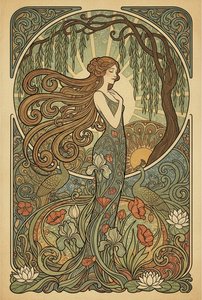
The Flowing Line & Flourishing Form: Exploring Art Nouveau's Aesthetic Legacy
Explore the captivating world of Art Nouveau! Discover its origins, key artists like Horta & Mucha, regional styles, innovative techniques, and lasting influence on architecture & design. A comprehensive guide for art enthusiasts.
