
 წინასწარი ნახვა
 გაგზავნა
 გაზიარება
 დეტალები
 გზამკვლევი

 ჩამოტვირთვა
 მსგავსები
 რენტგენოგრაფიული კვლევა
 სლაიდშოუ
 კითხვა-პასუხი
 სტატისტიკა
Peter A. B. Widener

- 148.0 x 98.0 cm


 გააგრძელეთ კითხვა
მიიღეთ ბეჭდვისთვის გამზადებული ფაილი, რომლის ხარისხიც ბევრად აღემატება ვებ-პრევიუსს. ჩვენს ბაზაში არსებული ყველა ციფრული გამოსახულება ეყრდნობა მაღალი რეზოლუციის ორიგინალს — როგორც წესი, 5,000-დან 15,000 პიქსელამდე სიგანის — რაც საშუალებას გაძლევთ, თავდაჯერებულად დაამბოროთ დიდი ზომის ბეჭდვა, მოახდინოთ ფრაგმენტის მჭიდროდ გამოჭრა ან აღადგინოთ ნატიფი დეტალები.
ჩვენს სტუდიაში არცერთი ფაილი შეუმჩნევლად არ რჩება. ციფრული ექსპერტი ადარებს ფერებს ორიგინალ ნახატს და საჭიროების შემთხვევაში ასწორებს მათ, შემდეგ კი პროფესიონალური რეტუშირების ინსტრუმენტებით აუმჯობესებს სიცხადესა და დეტალიზაციას — ყოველთვის ოსტატის ფუნჯის მონაკვეთებისა და სტილის ერთგულებით. შედეგი არის გამოსახულება, რომელიც ნამდვილ ნახატს ჰგავს და არა ფილტრებულ სკანირებას.
თქვენ აკონტროლებთ პროცესს მის დასრულებამდე: ჩვენი ექსპერტი 72 საათის განმავლობაში გამოგიგზავნით გამოსახულებას ელექტრონული ფოსტით გადასასინჯად. არ დაკმაყოფილებული? მოითხოვეთ ცვლილებები ან შესწორებები, ან მოითხოვეთ თანხის დაბრუნება, თუ ხარისხი თქვენს მოლოდინს ვერ შეესაბამება.
ეს არის ხარისხი, რომელსაც ენდობიან გამომცემლობები, დიზაინ სტუდიები, გალერეები და அச்சგამოცემები.
ციფრული გამოსახულება
ჩამოტვირთეთ მაღალი გარჩევადობის ფაილი პირადი გამოყენებისთვის, დასაბეჭდად და შემოქმედებითი პროექტებისთვის. ( ბეჭდვის რეჟიმზე გადართვა შეიძინეთ ხელით შესრულებული ნახატი)
ყოველ ციფრულ გამოსახულების შეკვეთაში შედის
ექსპერტული ციფრული მიწოდების გარანტია
როდესაც ირჩევთ OriginalUniqueArt.com-ს, თქვენ მხოლოდ სურათს კი არ იღებთ, არამედ იღებთ პროფესიონალურად დამუშავებულ ციფრულ ნამუშევარს, რომელიც შექმნილია უზადო სიზუსტით და დაცულია კმაყოფილების გარანტიით. თქვენს შეკვეთას ავტომატურად მოჰყვება შემდეგი:

სწრაფი ელექტრონული მიწოდება
თქვენს მაღალი რეზოლუციის ციფრულ გამოსახულებას შეკვეთის დაწყებიდან 72 საათში ელექტრონული ფოსტით მიიღებთ — ის მზად იქნება დაუყოვნებლივი გამოყენებისთვის.

ხელოვნური ინტელექტით გაუმჯობესებული ციფრული გამოსახულება
თქვენი ხელოვნების ნიმუშები პროფესიონალურად არის ოპტიმიზებული მოწინავე AI ინსტრუმენტებისა და მექანიკური რედაქტირების მეშვეობით, რაც უზრუნველყოფს მაქსიმალურ დეტალიზაციას, სიცხადესა და ფერების სიზუსტეს.

ციფრული გამოსახულებების უფასო სამუდამო ხელახალი მიღება
ფაილი შემთხვევით წაიშალა ან დაკარგეთ? ნუបედავთ — ჩვენ მას ნებისმიერ დროს, უფასოდ ხელახლა გამოგეგზავნით.

იმპორტის გადასახადების გარეშე — ყოველთვის
ჭიდად ისიამოვნეთ თქვენი ნამუშევრით მყისიერად, საბაჟო გადასახადის, მოსაკრებლის ან მიწოდების ხარჯის გარეშე - ციფრული ჩამტვირთვისას ყოველთვის საგადასახადო თავისუფლებაა.

ფერების სიზუსტის გარანტია
პროფესიონალური ინსტრუმენტებისა და ფერების მართვის სისტემის გამოყენებით, ჩვენ უზრუნველყოფთ, რომ თქვენი ციფრული გამოსახულება მაქსიმალურად ზუსტად ასახავდეს ორიგინალურ ფერებს.

კმაყოფილების 100-დღიანი გარანტია
თუ თქვენ არ დაკმაყოფილებული ხართ თქვენი ციფრული გამოსახულებით, ჩვენ შევიტანთ მასში ცვლილებებს ან დაგიბრუნებთ 100% თანხას 100 დღის განმავლობაში — ყოველგვარი კითხვის დასმევის გარეშე.

100% თანხის დაბრუნების გარანტია
არ არის კმაყოფილი? მიიღეთ თანხის სრული დაბრუნება ციფრული ფაილის მიღებიდან 100 დღის განმავლობაში — ყოველგვარი დამატებითი კითხვების გარეშე.

ფასდაკლება დიდი რაოდენობით შეკვეთაზე
შეიძინეთ 3 გამოსახულება და მიიღეთ 10% ფასდაკლება - შეიძინეთ 5 და მიიღეთ 15% ფასდაკლება - შეიძინეთ 10+-ზე და მიიღეთ 20% ფასდაკლება. იდეალურია კრეატიული პროექტებისთვის, გალერეებისა და სააგენტოებისთვის.
Artistic Excellence
Sargent's skillful brushstrokes and attention to detail bring the subject, Peter A. B. Widener, to life. The painting features Widener standing in front of a group of people, dressed impeccably in a suit with a tie. His direct gaze engages the viewer, while the surrounding figures add depth and context to the scene.Historical Context
The early 20th century was a transformative period for art, with Realism emerging as a prominent style. Sargent's work during this time reflects his ability to capture the essence of his subjects in a realistic yet aesthetically pleasing manner. Peter A. B. Widener is a testament to Sargent's mastery of this style.Artistic Influences and Legacy
Sargent's influence on American art is profound, with his portraits often gracing the walls of esteemed museums. For instance, Winifred, Duchess of Portland and The Misses Hunter are notable examples of his work. His legacy extends beyond his own creations, as he inspired future generations of artists.Museum Collections and Exhibitions
Many of Sargent's works are housed in prestigious museums such as the Parrish Art Museum in Water Mill, New York. This museum is dedicated to American art, with a focus on 19th and early 20th-century pieces.Conclusion
Peter A. B. Widener by John Singer Sargent is a masterpiece that encapsulates the elegance and formality of its time. As a significant piece in the history of painting, it continues to captivate art enthusiasts today. For those interested in exploring more of Sargent's work or learning about the evolution of painting, The History of Painting provides a comprehensive overview.- Artist: John Singer Sargent
- Painting Title: Peter A. B. Widener
- Year: 1902
- Medium: Oil on Canvas
- Style: Realism
კითხვები და პასუხები
როგორ შემიძლია ჯონ სინგერ სარჯენტი-ის „Peter A. B. Widener“-ის რეპროდუქციის წინასწარი ნახვა?
გვერდი წინასწარი ნახვა ნამუშევრის "Peter A. B. Widener" საშუალებას გაძლევთ, შეკვეთამდე წინასწარ ნახოთ ხელოვნების ნიმუში.
გამოიყენებს თუ არა ჯონ სინგერ სარჯენტი-ის „Peter A. B. Widener“ მკვეთრ კონტრასტებს თუ რბილ ჰარმონიებს?
ჯონ სინგერ სარჯენტი-ის „Peter A. B. Widener“-ის ფერების ანალიზი გამოკვეთს Gentle კონტრასტსა და Strong Color Unity ჰარმონიას.
როგორ უკავშირდება „Peter A. B. Widener“-ის სტილი მისი შემოქმედის ეპოქას?
ჯონ სინგერ სარჯენტი-ის „Peter A. B. Widener“ მიეკუთვნება Realism სტილს და მისი შემოქმედების მე-19 საუკუნე ეპოქას წარმოადგენს.
მხატვრის ბიოგრაფია
Early Life, Family and Training
Born in Florence, Italy, on January 12, 1856, John Singer Sargent entered a world shaped by the movement of his American expatriate parents, FitzWilliam and Mary Newbold Sargent. His father had previously served as an eye surgeon at the Wills Eye Hospital in Philadelphia between 1844 and 1854. This medical background provided a stable, if transient, foundation before the family’s life became defined by the cosmopolitan rhythms of Europe. The household was one of artistic inclination; his sister, Mary, was born in 1857, and his sister Emily would later establish herself as an accomplished painter. These early years were less about a fixed home and more about an immersion in the visual traditions of the continent.
His formal education followed a path through the major centers of European art, with training spanning Florence, Paris, and London. In Paris, he entered the studio of Carolus-Duran, a mentorship that would fundamentally shape his technical approach. This period of study was crucial in refining the observational skills that characterized his early development. Rather than following a rigid, academic path, his training was a sequence of direct engagement with the masters and the specific methods of the Parisian ateliers. He emerged from these studies with a technical facility that allowed him to move between the structured demands of portraiture and the more spontaneous requirements of his later studies.
The Paris Years and Artistic Scandal
In 1874, at the age of eighteen, Sargent entered the Paris studio of Carolus-Duran. This mentorship proved transformative, as the emphasis on direct painting helped hone his technical facility and ability to capture likenesses with speed. To further refine his skills, he enrolled at the École des Beaux-Arts, drawing from life models and casts to solidify his foundation. During these formative years, he began to establish himself among the city's elite, navigating the social and artistic hierarchies of the French capital.
His ascent toward becoming a premier society painter was interrupted by a sudden, sharp controversy. The unveiling of Madame X (Portrait of Madame Pierre Gautreau) at the 1884 Salon ignited a scandal that threatened his burgeoning career. The painting's daring depiction of the socialite—noted for her pale complexion and suggestive pose—was deemed provocative by Parisian society. Though he later repainted the strap of her gown, the social fallout was significant. This scandal eventually forced him to leave Paris and return to England, seeking a more receptive audience for his talents.
Success in London and Portraiture
The scandal in Paris prompted a significant shift in his trajectory, leading him to relocate to London in 1886. This move proved to be a turning point, as he transitioned from a controversial figure to the leading portrait painter of his generation. He possessed a rare level of professional agency; he could choose which commissions to accept and set very high prices for his work. This autonomy allowed him to navigate the highest echelons of society with a sense of command that few of his contemporaries could match.
His subjects were the architects of their era, ranging from the social elite to prominent political figures. Among the numerous celebrities who sat for him was former president Theodore Roosevelt. He did not merely record a likeness; he captured the social dynamics and the opulence of the Edwardian era. His ability to document the character of his sitters made him a sought-after figure for those wishing to secure their place in the visual history of the age.
- The Wyndham Sisters (1899)
- The Misses Hunter (1902)
- Henry James (1913)
- John D. Rockefeller (1917)
Technique and Artistic Style
Sargent’s approach to the canvas was defined by a remarkable technical facility, particularly his ability to draw with a brush. Under the mentorship of Carolus-Duran, he embraced the principle of direct painting, a method that prioritized the immediate application of pigment over the safety of preliminary sketches. This training encouraged him to capture the essence of a subject through spontaneous, decisive movements. His method often involved blocking in tones in discreet, mosaic-like patches, which he would later blend together to achieve a sense of depth and form. Such a process allowed for a certain fluidity that became a hallmark of his hand.
His output reflected a dual nature in his artistic temperament. In his commissioned portraits, he adhered to the grand manner, meeting the expectations of his high-society sitters with elegance and poise. However, his informal studies and landscape paintings revealed a different inclination. In these works, he displayed a familiarity with Impressionism, utilizing loose brushwork to catch the shifting qualities of light. This versatility allowed him to move between the structured demands of formal portraiture and the more expressive, atmospheric requirements of plein-air painting.
- El Jaleo
- Carnation, Lily, Lily, Rose
- Madame X
Key Works and Artistic Range
Sargent’s output was vast, comprising roughly 900 oil paintings and more than 2,000 watercolors. His subject matter followed his movements across the globe, documenting landscapes and figures from Venice, the Tyrol, Corfu, and Capri to the Middle East, Spain, Montana, Maine, and Florida. This geographic breadth allowed him to move between the structured demands of high-society portraiture and the spontaneous requirements of plein-air studies. While his reputation was often tied to the elegance of his sitters, his sketches and charcoal drawings reveal a restless, observant eye that sought the essence of a moment rather than a mere likeness.
His ability to navigate different genres is evident in the contrast between his most famous subjects. Madame X remains a central piece of his early career, a work that defined his presence in the Parisian art scene. In contrast, his later interest in the natural world and more informal settings produced works like Carnation, Lily, Lily, Rose, a depiction of two young girls in an English garden. He also captured the energy of movement in El Jaleo, a portrayal of Spanish flamenco dancers. These works demonstrate a technical flexibility that allowed him to transition from the heavy, formal requirements of a commission to the light-filled atmosphere of a garden or a dance.
- 1882: El Jaleo
- 1885: Carnation, Lily, Lily, Rose
Legacy and Lasting Influence
By the time of his death on April 15, 1925, the scope of Sargent's output had reached a vast scale, encompassing roughly 900 oil paintings and over 2,000 watercolors. His technical facility, particularly the ability to draw with a brush, left a mark on subsequent generations of artists. While much of his fame rested on the high-society commissions of the Edwardian era, his influence extended into the very mechanics of how light and atmosphere are rendered on canvas.
The understanding of his artistic range underwent a significant shift in the 1980s. The rediscovery of his previously overlooked male nudes provided a more complex view of his creative intentions, moving the conversation beyond the social circles of his portraiture. This expansion of his known oeuvre revealed a more nuanced artist, one whose interests were not confined to the glittering surfaces of the Gilded Age. His works continue to draw audiences across the globe, maintaining a presence in major institutions such as the Metropolitan Museum of Art and the Tate Gallery.
- El Jaleo
- Carnation, Lily, Lily, Rose
- Madame X
- The Wyndham Sisters
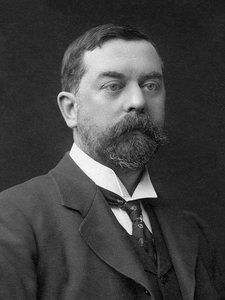
ჯონ სინგერ სარჯენტი
1856 - 1925 , ამერიკის შეერთებული შტატები
მოკლე ინფორმაცია
- Artistic Movement Or Style: იმპრესონიზმი
- Artists Or Movements Influenced By This Artist: ['შემდგომი თაობის ხელოვანები']
- Artists Who Influenced This Artist:
- კაროლუს-დურანი
- დიეგო სველიესი
- Date Of Birth: 1856
- Date Of Death: 1925
- Full Name: ჯონ სინგერ სარჯენტი
- Nationality: ამერიკელი
- Notable Artworks:
- მადამ X
- ელ ხალეო
- ბაღის ყვავილები (Carnation, Lily, Lily, Rose)
- Place Of Birth: ფლორენცია, იტალია