

 გაგზავნა
 გაზიარება
 დეტალები
 გზამკვლევი

 ჩამოტვირთვა
 მსგავსები
 სლაიდშოუ
 სტატისტიკა
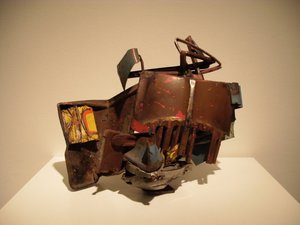
ფანცი
 ბრინჯაოს ქანდაკება
- Neo-Dada
 133.0 x 114.0 cm
 კრაისლერის ხელოვნების მუზეუმი
 სრული ტექსტის ნახვა
შეიძინეთ მაღალი რეზოლუციის, გაუმჯობესებული ციფრული გამოსახულება, რომელიც ხარისხით ბევრად აღემატება ონლაინ წინასწარ ნახვას.
თითოეულ ფაილს ჩვენი შიდა სპეციალისტები საგულდაგულოდ ამზადებენ თანამედროვე ინსტრუმენტებისა და პროფესიონალური რეტუშირების გამოყენებით. ჩვენ უზრუნველყოფთ, რომ თითოეულ გამოსახულებას ჰქონდეს გამორჩეული სიცხადე, ფერების ზუსტი გადაცემა და დეტალიზაცია.
დასრულებული ფაილი ელექტრონული ფოსტით 72 საათში გიგზავნით; იგი ოპტიმიზებულია პროფესიონალური, რედაქციული და პოლიგრაფიული გამოყენებისთვის. ეს არის ისეთივე ხარისხი, რომელსაც წამყვანი დიზაინ-სტუდიები, გამომცემლობები და გალერეები ენდობიან.
ციფრული გამოსახულება
ჩამოტვირთეთ მაღალი გარჩევადობის ფაილი პირადი გამოყენებისთვის, დასაბეჭდად და შემოქმედებითი პროექტებისთვის. ( გადართვა ბეჭდვის რეჟიმზე შეიძინეთ ხელით შესრულებული ნახატი)
ყოველ ციფრულ გამოსახულების შეკვეთაში შედის
გარანტირებული პროფესიონალური ციფრული მიწოდება
როდესაც ირჩევთ OriginalUniqueArt.com-ს, თქვენ მხოლოდ სურათს კი არ იღებთ, არამედ იღებთ პროფესიონალურად დამუშავებულ ციფრულ ნამუშევარს, რომელიც შექმნილია უზადო სიზუსტით და დაცულია კმაყოფილების გარანტიით. თქვენს შეკვეთას ავტომატურად მოჰყვება შემდეგი:

სწრაფი ელექტრონული მიწოდება
თქვენს მაღალი რეზოლუციის ციფრულ გამოსახულებას შეკვეთის დაწყებიდან 72 საათში ელექტრონული ფოსტით მიიღებთ — ის მზად იქნება დაუყოვნებლივი გამოყენებისთვის.

ხელოვნური ინტელექტით გაუმჯობესებული ციფრული ფაილი
თქვენი ხელოვნების ნიმუშები პროფესიონალურად არის ოპტიმიზებული მოწინავე AI ინსტრუმენტებისა და მექანიკური რედაქტირების მეშვეობით, რაც უზრუნველყოფს მაქსიმალურ დეტალიზაციას, სიცხადესა და ფერების სიზუსტეს.

ციფრული გამოსახულებების უფასო სამუდამო ხელახალი მიღება
ფაილი შემთხვევით წაიშალა ან დაკარგეთ? ნუបედავთ — ჩვენ მას ნებისმიერ დროს, უფასოდ ხელახლა გამოგეგზავნით.

იმპორტის გადასახადების გარეშე — ყოველთვის
ჭიდად ისიამოვნეთ თქვენი ნამუშევრით მყისიერად, საბაჟო გადასახადის, მოსაკრებლის ან მიწოდების ხარჯის გარეშე - ციფრული ჩამტვირთვისას ყოველთვის საგადასახადო თავისუფლებაა.

ფერების სიზუსტის გარანტია
პროფესიონალური ინსტრუმენტებისა და ფერების მართვის სისტემის გამოყენებით, ჩვენ უზრუნველყოფთ, რომ თქვენი ციფრული გამოსახულება მაქსიმალურად ზუსტად ასახავდეს ორიგინალურ ფერებს.

კმაყოფილების 100-დღიანი გარანტია
თუ თქვენ არ დაკმაყოფილებული ხართ თქვენი ციფრული გამოსახულებით, ჩვენ შევიტანთ მასში ცვლილებებს ან დაგიბრუნებთ 100% თანხას 100 დღის განმავლობაში — ყოველგვარი კითხვის დასმევის გარეშე.

100% თანხის დაბრუნების გარანტია
არ არის კმაყოფილი? მიიღეთ თანხის სრული დაბრუნება ციფრული ფაილის მიღებიდან 100 დღის განმავლობაში — ყოველგვარი დამატებითი კითხვების გარეშე.

ფასდაკლება დიდი რაოდენობით შეკვეთაზე
შეიძინეთ 3 გამოსახულება და მიიღეთ 10% ფასდაკლება - შეიძინეთ 5 და მიიღეთ 15% ფასდაკლება - შეიძინეთ 10+-ზე და მიიღეთ 20% ფასდაკლება. იდეალურია კრეატიული პროექტებისთვის, გალერეებისა და სააგენტოებისთვის.
Fancy That – A Monumental Embrace of Assemblage
John Angus Chamberlain’s sculpture “Fancy That,” released in 2025 by Warner Records, isn't merely an artwork; it’s a testament to the transformative power of repurposing industrial detritus into breathtaking visual experiences. This piece, meticulously crafted from reclaimed automobile components—primarily wood, metal, and fabric—captures the spirit of Abstract Expressionism while simultaneously redefining sculptural form.
The sculpture itself centers around a striking red chair, its wooden seat juxtaposed against a robust metal frame. However, “Fancy That” transcends simple composition. Chamberlain’s innovative technique – crushing and welding scrap metal – elevates these discarded materials into monumental forms that challenge conventional notions of artistic creation. This method echoes the Dada movement's rejection of traditional aesthetics and embraces chance and materiality as drivers of artistic expression.
- Artist: John Angus Chamberlain (1927-2011)
- Born: Rochester, Indiana
- Style: Neo-Dada Assemblage
- Material: Wood, Metal, Fabric
- Size: 133 x 114 cm
Chamberlain’s artistic journey began with a profound appreciation for craftsmanship and experimentation. Trained initially in carving and painting metal, he honed his skills before pioneering techniques like welding – a deliberate departure from established sculptural practices. His work embodies the core tenets of Neo-Dada: questioning accepted standards and celebrating the unexpected beauty found within everyday objects.
The sculpture’s visual impact is undeniably powerful. The red chair serves as an anchor, grounding the viewer while simultaneously highlighting the textural contrasts created by Chamberlain's method. Crushed metal fragments radiate outwards from the frame, suggesting movement and instability – mirroring the turbulent emotional landscape often explored in Abstract Expressionist paintings.
“Fancy That” isn’t just about recreating a visual image; it’s about conveying an idea—a celebration of transformation and a reconsideration of artistic boundaries. It invites contemplation on how discarded objects can become vessels for profound aesthetic and conceptual resonance, cementing Chamberlain's legacy as one of the most influential sculptors of his era.
მხატვრის ბიოგრაფია
The Alchemist of Automobilia: The Life and Legacy of John Angus Chamberlain
In the intersection of industrial decay and high art, few figures loom as large or as provocatively as John Angus Chamberlain. Born in 1927 in Rochester, Indiana, Chamberlain did not merely create sculpture; he orchestrated a metamorphosis of the discarded. To look upon his work is to witness a violent yet poetic dialogue between the mechanical past and the abstract present. He possessed a singular vision that allowed him to see not just rusted scrap, but a vocabulary of form, color, and texture. His journey from the son of a saloonkeeper in the American Midwest to a titan of the Neo-Dada movement is a testament to an unyielding creative impulse that sought to find beauty within the crushed and the broken.
Chamberlain’s artistic consciousness was forged through a diverse and rigorous educational odyssey. After serving in the United States Navy during the pivotal years of World War II, he utilized the GI Bill to immerse himself in the burgeoning avant-garde scenes of America. His time at the Art Institute of of Chicago provided him with a foundational mastery of form, but it was his tenure at the legendary Black Mountain College that truly expanded his intellectual horizons. At Black Mountain, he moved beyond the purely visual, studying under influential poets such as Charles Olson and Robert Creeley. This literary immersion profoundly shaped his sculptural language; he famously viewed his collection of automotive fragments as a reservoir of words, where the act of welding was akin to composing a stanza, seeking the perfect placement of one jagged edge against another to achieve a rhythmic, poetic resonance.
A Symphony of Steel and Spontaneity
The hallmark of Chamberlain’s oeuvre lies in his revolutionary technique of assemblage. While many of his contemporaries were exploring the flat planes of Abstract Expressionist painting, Chamberlain sought to bring that same gestural energy into three-dimensional space. He became a master of the "crushed" aesthetic, meticulously dismantling abandoned automobiles and extracting their vibrant, enamel-coated metal components. Through the intense processes of welding, bending, and compressing, he transformed these industrial remnants into monumental forms that pulsed with an almost organic vitality.
His work defies easy categorization, existing in a fluid state between several major movements:
- Abstract Expressionism: He translated the spontaneous, emotional brushstrokes of painters like Pollock into the physical manipulation of steel and chrome.
- Neo-Dada: By utilizing found objects and "readymades" from the industrial age, he challenged the sanctity of traditional sculptural materials like marble or bronze.
- Pop Art: His use of consumerist detritus—the very skin of the American automobile—connected his high-art ambitions to the burgeoning mass culture of the mid-20th century.
There is a palpable tension in his sculptures, a sense of captured motion and compressed energy. The bright flashes of Cadillac red or Chevrolet blue, often peeking through layers of rust and grime, create a chromatic intensity that mirrors the dynamism of urban life. He did not seek to represent the car, but rather to capture the spirit of its movement and the inevitable entropy of its decay.
Historical Significance and the Enduring Pulse of Art
Throughout his prolific career, Chamberlain’s presence was felt across the most significant art hubs of the world, from Manhattan and Los Angeles to Shelter Island and even Belgium. His ability to disrupt the boundaries between sculpture and painting left an indelible mark on the trajectory of modern art. He proved that the debris of the industrial revolution could serve as the medium for a profound spiritual and aesthetic inquiry. Critics often noted that while his materials were cold and hard, the emotional impact of his work was deeply visceral, aiming—as he himself desired—to "make the viewer’s heart beat."
As we reflect on his life, which concluded in 2011, Chamberlain remains a pivotal figure who bridged the gap between the mechanical and the lyrical. He taught us that art is not merely about the creation of something new, but about the radical reimagining of what already exists. His legacy lives on in every artist who looks at the wreckage of the world and sees the potential for a masterpiece, reminding us that even in the crushed and the discarded, there is an eternal, unyielding beauty waiting to be welded back together.
john angus chamberlain
1927 - 2011 , United States of America
მოკლე მიმოხილვა
- Artistic Movement Or Style: Abstract Expressionism
- Artists Or Movements Influenced By This Artist: ['Neo-Dada']
- Artists Who Influenced This Artist:
- Robert Delaunay
- Jean Dubuffet
- Date Of Birth: April 16, 1927
- Date Of Death: December 21, 2011
- Full Name: John Angus Chamberlain
- Nationality: American
- Notable Artworks:
- Fancy
- Sleeping Giant
- Place Of Birth: Rochester, United States