

 ნახვა ინტერьерში
 გაგზავნა
 გაზიარება
 დეტალები
 გზამკვლევი

 ჩამოტვირთვა
 მსგავსები
 რენტგენოგრაფიული კვლევა
 სლაიდშოუ
 სტატისტიკა
The altar boy


 სრული ტექსტის ნახვა
გიკლე / ხელოვნების პრინტი
მუზეუმის დონის ჟიკლე ან ტილოზე ბეჭდვა სწრაფი წარმოებისა და დასრულების მოქნილი ვარიანტებით. ( შეიძინეთ ხელით შესრულებული ნახატი გადასვლა ციფრულ გამოსახულებაზე)




P118B ₾10

P118H ₾10

P118W ₾10

P438Z ₾10

P508JH ₾12

P508YH ₾12

P805H ₾10

P805Z ₾10

P919BZ ₾10

P919G ₾10

P919XJ ₾10

P959ZH ₾10

P968JZ ₾12

W106C ₾8

W218G ₾10

W218JH ₾8

W218Y ₾10

W307PJ ₾10

W316G ₾10

W316PJ ₾8

W316Y ₾10

W398PJ ₾8

W4111J ₾10

W500HY ₾15

W500JH ₾15

W692G ₾12

W849H ₾8

W940BG ₾15

W953PJ ₾8




აირჩიეთ ჩვენს მიერ წინასწარ განსაზღვრული ზომებიდან, რომლებიც ნაწარმოების ორიგინალურ პროპორციებს შეესაბამება.

შეიყვანეთ თქვენთვის საჭირო სიგანე და სიმაღლე, რათა იგი მოერგოს თქვენს ჩარჩოს ან კედელს. ბეჭდვისას შესაძლებელია მხოლოდ მისი შემცირება და არა გაზრდა, ამიტომ სხვა ფორმის ზომის შემთხვევაში გამოსახულება ნაწილობრივ იკარგება. სანამ რაიმეს დაბეჭდავთ, ჩვენ გამოგიგზავნით ციფრულ მაკეტს დასდასტურებლად. ამ გვერდზე ნაჩვენები სურათი არ ასახავს რეალურ ჭრას — ამას მხოლოდ მაკეტი გვიჩვენებს.
მიწოდება მთელ მსოფლიოში () 2 კვირაში, სტანდარტული 4/5 კვირის ნაცვლად. (27 ოქტომბერი)

უფასო ექსპრეს მიწოდება მთელ მსოფლიოში

მაღალი ხარისხის ტილო

ტრანსპორტირების სრული დაზღვევა

საბაჟო გადასახადების დაბრუნების გარანტია

ფერების სრული შესაბამისობის გარანტია

დაბრუნების 100-დღიანი პერიოდი (მხოლოდ წარმოების დეფექტის შემთხვევაში)

100% თანხის სრული დაბრუნების გარანტია

ფასდაკლება დიდი რაოდენობით შეკვეთისას
 მინის ჩარჩოს არჩევანი ხელმისაწვდომია მხოლოდ 110 სმ-მდე ზომისთვის

The altar boy
გიკლე / ხელოვნების პრინტი
რეპროდუქციის ზომა
-


ჯამური ღირებულება
₾ 208
A Window Into Valencia’s Soul
To encounter Joaquín Sorolla y Bastida’s “The Altar Boy” is to step directly into the radiant, sun-drenched atmosphere of the Mediterranean. Painted in 1885 during the artist's formative years in Rome, this monumental canvas serves as a profound testament to the burgeoning influence of Impressionism on European art. While Sorolla would later become world-renowned for his ability to capture the shimmering light of the Valencian coast, this early masterpiece reveals a painter deeply rooted in the traditions of the Barbizon school and Realism. The scene is not merely a depiction of a moment; it is an evocative exploration of human emotion intertwined with the quiet beauty of everyday life, capturing a sense of rural tranquility that feels both timeless and intimately connected to the Spanish landscape.
The composition is masterfully orchestrated to guide the viewer through a sprawling, horizontal narrative. In the foreground, a crumbling wall adorned with creeping ivy provides a textured, organic entry point into the scene, grounding the viewer in a sense of tangible reality. Beyond this threshold, the eye is drawn toward a lively courtyard where the rhythms of social interaction unfold. Men are seen engaged in the quiet concentration of a domino game, while women converse animatedly in the background, creating a dynamic interplay between stillness and movement. This careful arrangement establishes a vastness and openness, inviting those who view the work to linger within its sun-soaked boundaries.
The Mastery of Light and Texture
Sorolla’s technical prowess is most evident in his signature use of impasto—the thick, deliberate application of paint that lends a sculptural quality to the canvas. This technique is particularly striking in the depiction of lush foliage and weathered architectural elements, where visible brushstrokes catch the light and create a sense of spontaneous energy. The palette is dominated by warm yellows, oranges, and earthy tones, all bathed in an ethereal glow that suggests the soft, diffused light of a late afternoon. Unlike the sharp, clinical lines of academic painting, Sorolla employs loose, expressive strokes that allow the atmosphere to breathe, making the very air within the painting feel heavy with warmth and moisture.
The sky above the scene adds a layer of dramatic tension; filled with swirling, heavy clouds, it hints at an impending storm or perhaps a seasonal transition, contrasting beautifully with the sunlit leisure occurring below. This interplay between the bright, optimistic light on the figures and the brooding sky creates a sophisticated visual rhythm. For the collector or interior designer, this duality offers immense versatility; the painting possesses enough warmth to brighten a room while maintaining a profound, contemplative depth that commands attention in any curated space.
A Legacy of Connection and Tranquility
Beyond its technical brilliance, “The Altar Boy” resonates on a deeply emotional level. It serves as a symbolic celebration of human connection and the simple joys of communal life. There is a palpable sense of nostalgia within the work—a longing for a pastoral era where time moved at the pace of a conversation or a game of dominoes. The painting captures the essence of plein air philosophy, prioritizing the atmospheric truth of a location over idealized beauty. It invites the observer to find peace in the mundane and to recognize the sacredness found in everyday social rituals.
For those seeking to incorporate a piece of art history into their personal environments, this reproduction offers more than just decoration; it offers an experience. Whether placed in a grand salon or a quiet study, the work brings with it the spirit of Valencia and the enduring legacy of a master who learned to paint not just what he saw, but how the light felt against the skin. It remains a breathtaking window into a world of light, color, and soul.
კითხვები და პასუხები
რა არის იოაკიმ სოროლა ი ბასტიდა-ის „The altar boy“-ის შექმნის თარიღი?
იოაკიმ სოროლა ი ბასტიდა-ის „The altar boy“ შექმნის თარიღია 1885.
არსებობს თუ არა გაიდი იოაკიმ სოროლა ი ბასტიდა-ის „The altar boy“-ისთვის?
იოაკიმ სოროლა ი ბასტიდა-ის „The altar boy“-ისთვის ხელმისაწვდომია გზამკვლევი გვერდი: ამ ხელოვნების ნიმუშის შესახებ დასაბეჭდი ფაქტების ფურცელი, რომელიც შექმნილია სტუდენტებისა და სასწავლო პროცესისთვის.
ვინ შექმნა "The altar boy" და როდის?
„The altar boy“-ის ავტორია იოაკიმ სოროლა ი ბასტიდა, ნამუშევარი კი 1885 წელს არის შექმნილი.
მხატვრის ბიოგრაფია
Joaquín Sorolla y Bastida – A Life Bathed in Light
Joaquín Sorolla y Bastida, a name synonymous with the radiant light and vibrant energy of Spain, was more than just a painter; he was a chronicler of his nation’s soul. Born in Valencia in 1863, Sorolla's early life was marked by tragedy. Orphaned at the tender age of two following a cholera epidemic that claimed both parents, young Joaquín and his sister were raised by their maternal aunt and uncle. This early experience with loss perhaps instilled within him a profound appreciation for the fleeting beauty of life – a sentiment that would permeate his art. Though hardship shadowed his beginnings, it did not dim the spark of artistic talent that quickly became apparent. He received initial instruction in Valencia, demonstrating an aptitude that led to studies under established artists like Cayetano Capuz and José Benlliure, eventually culminating in a four-year grant to study in Rome. It was there, amidst the classical grandeur of Italy, that Sorolla began to forge his unique artistic path, absorbing influences while simultaneously developing a style distinctly his own.Early Life and Artistic Beginnings
Joaquín Sorolla’s formative years were shaped by profound loss and circumstance. Born into a modest Valencian family, he endured the devastating impact of cholera when both his parents succumbed to illness at just two years old. His sister, Concha, survived, but their upbringing was overseen by their maternal aunt and uncle—a poignant reminder of resilience amidst adversity. Recognizing Sorolla’s exceptional talent from a young age, he commenced formal artistic training in Valencia, honing his skills under the tutelage of prominent Valencian painters. This early exposure to art instilled within him an unwavering dedication to capturing beauty and emotion on canvas. At eighteen, he embarked on a journey to Madrid, immersing himself in the artistic milieu of the capital city and studying masterworks at the Museo del Prado—a formative experience that cemented his admiration for Velázquez’s masterful technique and compositional vision.Rome: Classical Influences and Artistic Transformation
Sorolla's pursuit of artistic excellence led him to Rome in 1885, where he secured a prestigious residency funded by Valencia’s Royal Academy of Fine Arts. Amidst the architectural splendor of the Eternal City—a crucible of artistic innovation—he absorbed influences from luminist painters like Francesco Hayez and Giuseppe Mengoni, establishing himself as an artist with a distinctive style. He continued his studies under José Benlliure and Emilio Sala, delving deeper into the intricacies of painting technique and exploring diverse artistic themes. Notably, Sorolla’s fascination with Velázquez profoundly impacted his approach to portraiture—a stylistic hallmark that would characterize much of his oeuvre.The Valencian Coast: Luminism Embodied
Sorolla's artistic vision found its most compelling expression in his depictions of the Valencian coast – a landscape he passionately embraced and relentlessly pursued through *plein air* painting. He became renowned for capturing the ethereal quality of Mediterranean sunlight, transforming ordinary scenes into canvases brimming with luminosity and vibrancy. His paintings—such as Bathing Time and The Return from Fishing—are characterized by loose brushstrokes, vibrant colors, and a masterful rendering of light reflecting off water surfaces—techniques that exemplify the principles of Luminism. Sorolla’s ability to convey emotion through visual imagery solidified his reputation as one of Spain's foremost artists.Major Achievements and Legacy
Sorolla achieved international acclaim throughout his career, participating in numerous exhibitions across Europe and America and garnering commissions for portraits of prominent figures—including King Alfonso XIII and Winston Churchill. His monumental mural cycle commissioned by the Hispanic Society of America—Vision of Spain—became a testament to his artistic ambition and technical prowess. Sorolla’s influence extended far beyond his lifetime, inspiring generations of artists who sought to emulate his distinctive style and embrace his unwavering commitment to capturing the beauty of light and color. Today, Sorolla's paintings reside in prestigious museums worldwide—a lasting legacy that ensures his art continues to captivate audiences and illuminate our understanding of Spanish artistic heritage. His enduring contribution to Luminism remains unparalleled, securing his place as a pivotal figure in the history of Impressionist painting.
იოაკიმ სოროლა ი ბასტიდა
1863 - 1923 , ესპანეთი
მოკლე ფაქტები
- Artistic Movement Or Style: ლუმინიზმი და იმპრესიონიზმი
- Artists Who Influenced This Artist:
- ფრანსისკო პრადილა
- ჟულე ბასტიენ ლეპაژ
- Date Of Birth: 27 თებერვალი 1863 წელი
- Date Of Death: 10 აგვისტო 1923 წელი
- Full Name: Joaquín Sorolla y Bastida
- Nationality: ესპანელი
- Notable Artworks:
- Իტალიელი გოგონა მცენარეებით
- მზის სხეულის ბანაობა
- მშვიდობიანი მემკ ინებარი
- სათავაზო სოროლა და ბასტიდა
- ბავშვები ზღვის გასართან
- ფრთხილების დგება
- Place Of Birth: ვალენსიის ქალაქი და ესპანეთი
მსგავსი სტატიები

ტოპ 10 შედევრი, რომელმაც განსაზღვრა "ანტვილის იმპრესიონისტული ლანდშაფტი"
აღმოფრთოვანდით იმპრესიონიზმის ლეგენდის 10 შედევრით! მონე, რენუარი და სხვა მოწინავეები. იხილეთ მათი ფერადი ლანდშაფტები და აღმოაჩინეთ ხელოვნების რეპროდუქციები OriginalUniqueArt-ზე. სახლის დეკორისთვის იდეალური!

Impressionistic Landscapes: 10 Masterpieces That Changed Art & Decor
Journey into the heart of Impressionism! Explore 10 masterpieces by Monet, Renoir & Degas that revolutionized landscape art. Discover their stories, techniques & find museum-quality reproductions to elevate your home decor on OriginalUniqueArt.com.
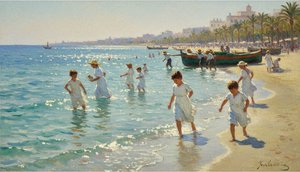
Joaquín Sorolla: Capturing Spanish Light & Life – A Legacy of Impressionism
Explore the luminous world of Joaquín Sorolla, Spanish master of Impressionism. Discover his life, techniques & legacy – a guide for art collectors and enthusiasts. Invest in timeless beauty.

ჯონ კონსტებლის 25 საუკეთესო შედევრი | ხელოვნების რეკრეაციები OriginalUniqueArt-ზე
გაიცანით ჯონ კონსტებლის 25 საუკეთესო შედევრი! ინგლისური პეიზაჟების ისტორია, XIX საუკუნის ხელოვნება და OriginalUniqueArt-ზე ხელოვნების უნიკალური კოლექცია. შეიძინეთ ხარისხიანი რეკრეაციები სახლის დეკორაციისთვის. აღმოაჩინეთ სრულყოფილი შეფერილი ტილოები OriginalUniqueArt.com-ზე!

Cultivating Visions: A Historical Journey Through Rural Landscapes in Art
Explore the rich history of rural landscape painting with OriginalUniqueArt. Discover Impressionist masterpieces, key artists & movements. Find your perfect serene artwork and bring nature's beauty home.


