

 გაგზავნა
 გაზიარება
 დეტალები
 გზამკვლევი

 ჩამოტვირთვა
 მსგავსები
 სლაიდშოუ
 სტატისტიკა
Research


 სრული ტექსტის ნახვა
გიკლე / ხელოვნების პრინტი
მუზეუმის დონის ჟიკლე ან ტილოზე ბეჭდვა სწრაფი წარმოებისა და დასრულების მოქნილი ვარიანტებით. ( შეიძინეთ ხელით შესრულებული ნახატი გადასვლა ციფრულ გამოსახულებაზე)




































აირჩიეთ ჩვენს მიერ წინასწარ განსაზღვრული ზომებიდან, რომლებიც ნაწარმოების ორიგინალურ პროპორციებს შეესაბამება.

შეიყვანეთ თქვენთვის საჭირო სიგანე და სიმაღლე, რათა იგი მოერგოს თქვენს ჩარჩოს ან კედელს. ბეჭდვისას შესაძლებელია მხოლოდ მისი შემცირება და არა გაზრდა, ამიტომ სხვა ფორმის ზომის შემთხვევაში გამოსახულება ნაწილობრივ იკარგება. სანამ რაიმეს დაბეჭდავთ, ჩვენ გამოგიგზავნით ციფრულ მაკეტს დასდასტურებლად. ამ გვერდზე ნაჩვენები სურათი არ ასახავს რეალურ ჭრას — ამას მხოლოდ მაკეტი გვიჩვენებს.
მიწოდება მთელ მსოფლიოში () 2 კვირაში, სტანდარტული 4/5 კვირის ნაცვლად. (22 ოქტომბერი)

უფასო ექსპრეს მიწოდება მთელ მსოფლიოში

მაღალი ხარისხის ტილო

ტრანსპორტირების სრული დაზღვევა

საბაჟო გადასახადების დაბრუნების გარანტია

ფერების სრული შესაბამისობის გარანტია

დაბრუნების 100-დღიანი პერიოდი (მხოლოდ წარმოების დეფექტის შემთხვევაში)

100% თანხის სრული დაბრუნების გარანტია

ფასდაკლება დიდი რაოდენობით შეკვეთისას
 მინის ჩარჩოს არჩევანი ხელმისაწვდომია მხოლოდ 110 სმ-მდე ზომისთვის

Research
გიკლე / ხელოვნების პრინტი
რეპროდუქციის ზომა
-


ჯამური ღირებულება
₾ 209
A Window into the Mind of Science: Exploring "Research" by Joaquín Sorolla
Joaquín Sorolla’s “Research” (1897) is more than a simple depiction of a laboratory scene; it's a masterful study in light, observation, and the burgeoning intersection of science and human intellect. The painting captures a pivotal moment – Dr. Luis Simarro Lacabra, a prominent psychiatrist and member of the influential Institución Libre de Enseñanza, engaged in his work alongside his assistants and fellow scientists. Sorolla’s ability to freeze this dynamic interaction within a single, powerfully rendered frame speaks volumes about his keen eye for capturing not just appearances, but also the very essence of intellectual pursuit.

Sorolla’s approach to this subject is deeply rooted in the traditions of Rembrandt, a master he profoundly admired. This influence manifests most strikingly in the painting's dramatic use of chiaroscuro – the intense contrast between light and shadow. A single, carefully positioned light source illuminates the figures, sculpting their forms with remarkable precision while simultaneously enveloping the room in a rich tapestry of warm shadows. This technique isn’t merely aesthetic; it serves to heighten the sense of drama and focus attention on Dr. Simarro and his disciples, emphasizing their concentration and dedication.
The Language of Light: Sorolla's Technique
Sorolla was renowned for his ability to capture the effects of light with unparalleled sensitivity. He meticulously studied how sunlight interacts with surfaces – the way it reflects off glass bottles, the subtle gradations in color as it filters through the room, and the way it shapes the contours of human forms. This is evident in “Research” where he uses broken brushstrokes and a layering of glazes to create an almost palpable sense of luminosity. The meticulous detail with which he renders the textures – from the polished surfaces of the instruments to the worn fabric of the clothing – further enhances the realism and depth of the scene.
A Portrait of Progress: Context and Symbolism
Painted during a period of significant scientific advancement, “Research” reflects the growing interest in psychology and experimental methods. Dr. Simarro Lacabra’s work aligns with the Institución Libre de Enseñanza's commitment to fostering critical thinking and scientific inquiry. The scene itself can be interpreted as a symbol of intellectual collaboration – a gathering of minds united by a shared pursuit of knowledge. The scattered bottles, representing various chemicals and substances, are not merely props; they symbolize the tools of scientific investigation and the potential for discovery.
Collecting a Masterpiece: A Giclee Reproduction
OriginalUniqueArt offers meticulously crafted giclée reproductions of “Research,” allowing you to bring this iconic work into your own space. Our high-quality prints are created using archival inks on premium canvas, ensuring exceptional color fidelity and longevity. Choose from a range of framing options – from classic wood frames to sleek metal designs – to perfectly complement the painting’s inherent drama and elegance. Each reproduction is hand-stretched and layered with protective ink, guaranteeing a museum-grade finish that will delight art lovers and collectors for years to come.
კითხვები და პასუხები
იოაკიმ სოროლა ი ბასტიდა-ის „Research“ ღია ფერების ნამუშევარია თუ მუქი?
იოაკიმ სოროლა ი ბასტიდა-ის „Research“-ის სიკაშკაშე დაფიქსირებულია როგორც shadow, ხოლო მისი განათების დონე შეადგენს Soft Shadow-ს.
რომელი ფერია ყველაზე თვალსაჩინო „Research“-ში?
Rosy Brown (#c8b59a) არის იოაკიმ სოროლა ი ბასტიდა-ის „Research“-ის დომინანტური ფერი.
როგორ უკავშირდება იოაკიმ სოროლა ი ბასტიდა-ის „Research“ ფერები მის ემოციას?
წარმოებულში "Research", Earthy ფერები Reflective განწყობას ახლავს.
მხატვრის ბიოგრაფია
Joaquín Sorolla y Bastida – A Life Bathed in Light
Joaquín Sorolla y Bastida, a name synonymous with the radiant light and vibrant energy of Spain, was more than just a painter; he was a chronicler of his nation’s soul. Born in Valencia in 1863, Sorolla's early life was marked by tragedy. Orphaned at the tender age of two following a cholera epidemic that claimed both parents, young Joaquín and his sister were raised by their maternal aunt and uncle. This early experience with loss perhaps instilled within him a profound appreciation for the fleeting beauty of life – a sentiment that would permeate his art. Though hardship shadowed his beginnings, it did not dim the spark of artistic talent that quickly became apparent. He received initial instruction in Valencia, demonstrating an aptitude that led to studies under established artists like Cayetano Capuz and José Benlliure, eventually culminating in a four-year grant to study in Rome. It was there, amidst the classical grandeur of Italy, that Sorolla began to forge his unique artistic path, absorbing influences while simultaneously developing a style distinctly his own.Early Life and Artistic Beginnings
Joaquín Sorolla’s formative years were shaped by profound loss and circumstance. Born into a modest Valencian family, he endured the devastating impact of cholera when both his parents succumbed to illness at just two years old. His sister, Concha, survived, but their upbringing was overseen by their maternal aunt and uncle—a poignant reminder of resilience amidst adversity. Recognizing Sorolla’s exceptional talent from a young age, he commenced formal artistic training in Valencia, honing his skills under the tutelage of prominent Valencian painters. This early exposure to art instilled within him an unwavering dedication to capturing beauty and emotion on canvas. At eighteen, he embarked on a journey to Madrid, immersing himself in the artistic milieu of the capital city and studying masterworks at the Museo del Prado—a formative experience that cemented his admiration for Velázquez’s masterful technique and compositional vision.Rome: Classical Influences and Artistic Transformation
Sorolla's pursuit of artistic excellence led him to Rome in 1885, where he secured a prestigious residency funded by Valencia’s Royal Academy of Fine Arts. Amidst the architectural splendor of the Eternal City—a crucible of artistic innovation—he absorbed influences from luminist painters like Francesco Hayez and Giuseppe Mengoni, establishing himself as an artist with a distinctive style. He continued his studies under José Benlliure and Emilio Sala, delving deeper into the intricacies of painting technique and exploring diverse artistic themes. Notably, Sorolla’s fascination with Velázquez profoundly impacted his approach to portraiture—a stylistic hallmark that would characterize much of his oeuvre.The Valencian Coast: Luminism Embodied
Sorolla's artistic vision found its most compelling expression in his depictions of the Valencian coast – a landscape he passionately embraced and relentlessly pursued through *plein air* painting. He became renowned for capturing the ethereal quality of Mediterranean sunlight, transforming ordinary scenes into canvases brimming with luminosity and vibrancy. His paintings—such as Bathing Time and The Return from Fishing—are characterized by loose brushstrokes, vibrant colors, and a masterful rendering of light reflecting off water surfaces—techniques that exemplify the principles of Luminism. Sorolla’s ability to convey emotion through visual imagery solidified his reputation as one of Spain's foremost artists.Major Achievements and Legacy
Sorolla achieved international acclaim throughout his career, participating in numerous exhibitions across Europe and America and garnering commissions for portraits of prominent figures—including King Alfonso XIII and Winston Churchill. His monumental mural cycle commissioned by the Hispanic Society of America—Vision of Spain—became a testament to his artistic ambition and technical prowess. Sorolla’s influence extended far beyond his lifetime, inspiring generations of artists who sought to emulate his distinctive style and embrace his unwavering commitment to capturing the beauty of light and color. Today, Sorolla's paintings reside in prestigious museums worldwide—a lasting legacy that ensures his art continues to captivate audiences and illuminate our understanding of Spanish artistic heritage. His enduring contribution to Luminism remains unparalleled, securing his place as a pivotal figure in the history of Impressionist painting.
იოაკიმ სოროლა ი ბასტიდა
1863 - 1923 , ესპანეთი
მოკლე ფაქტები
- Artistic Movement Or Style: ლუმინიზმი და იმპრესიონიზმი
- Artists Who Influenced This Artist:
- ფრანსისკო პრადილა
- ჟულე ბასტიენ ლეპაژ
- Date Of Birth: 27 თებერვალი 1863 წელი
- Date Of Death: 10 აგვისტო 1923 წელი
- Full Name: Joaquín Sorolla y Bastida
- Nationality: ესპანელი
- Notable Artworks:
- Իტალიელი გოგონა მცენარეებით
- მზის სხეულის ბანაობა
- მშვიდობიანი მემკ ინებარი
- სათავაზო სოროლა და ბასტიდა
- ბავშვები ზღვის გასართან
- ფრთხილების დგება
- Place Of Birth: ვალენსიის ქალაქი და ესპანეთი
მსგავსი სტატიები

რემბრანდტის 25 შედევრი: ხელოვნების ისტორია თქვენს სახლში | OriginalUniqueArt
აღმოაჩინეთ რემბრანდტის 25 უნიკალური შედევრი! ოქროს ხანის ბაროკო ხელოვნება, ავტოპორტრეტები და ღამის თვალთუმაჩვილი – OriginalUniqueArt.com-ზე. შეიძინეთ მუზეუმის ხარისხის რეპროდუქციები სახლის დეკორისთვის. Explore the full collection online!

Dutch Baroque Masters: 10 Paintings That Shaped an Era | OriginalUniqueArt
Journey through the Golden Age with our guide to the Top 10 Dutch Baroque masterpieces! Explore iconic paintings by Rembrandt, Vermeer & Frans Hals. Find museum-quality art reproductions and elevate your home decor at OriginalUniqueArt.com.
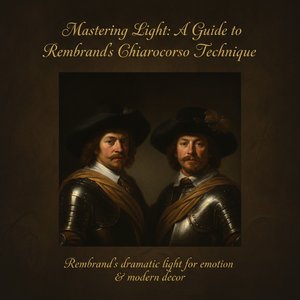
Mastering Light and Shadow: A Guide to Rembrandt's Chiaroscuro Technique
Discover the secrets of Rembrandt's chiaroscuro technique. Explore how the Dutch Golden Age master used light and shadow to create profound emotional depth and timeless drama in his legendary portraits and biblical narratives.
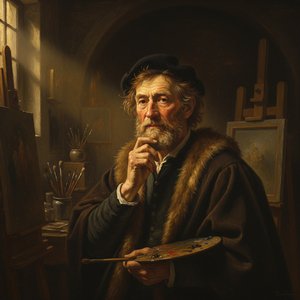
Rembrandt van Rijn: A Life Illuminated – Exploring the Master of Light, Shadow, and Human Emotion
Explore the life & art of Rembrandt van Rijn, master of light and shadow. Discover his iconic paintings, revolutionary techniques, and enduring legacy with OriginalUniqueArt – trusted experts in fine art reproductions since 2004.
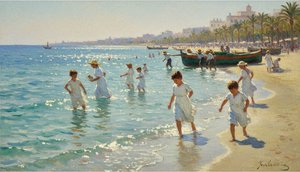
Joaquín Sorolla: Capturing Spanish Light & Life – A Legacy of Impressionism
Explore the luminous world of Joaquín Sorolla, Spanish master of Impressionism. Discover his life, techniques & legacy – a guide for art collectors and enthusiasts. Invest in timeless beauty.


