

 წინასწარი ნახვა
 გაგზავნა
 გაზიარება
 დეტალები

 ჩამოტვირთვა
 მსგავსები
 რენტგენოგრაფიული კვლევა
 სლაიდშოუ
 სტატისტიკა
Reflections at the Cape, Javea
 Oil On Canvas
- WallArt
- Impressionistic Luminosity
 1905
1905 64.0 x 93.0 cm
 გადასართად დაწვრილებით ნახეთ
გიკლე / ხელოვნების პრინტი
მუზეუმის დონის ჟიკლე ან ტილოზე ბეჭდვა სწრაფი წარმოებისა და დასრულების მოქნილი ვარიანტებით. ( შეიძინეთ ხელით შესრულებული ნახატი გადასვლა ციფრულ გამოსახულებაზე)




P118B $10

P118H $10

P118W $10

P438Z $10

P508JH $12

P508YH $12

P805H $10

P805Z $10

P919BZ $10

P919G $10

P919XJ $10

P959ZH $10

P968JZ $12

W106C $8

W218G $10

W218JH $8

W218Y $10

W307PJ $10

W316G $10

W316PJ $8

W316Y $10

W398PJ $8

W4111J $10

W500HY $15

W500JH $15

W692G $12

W849H $8

W940BG $15

W953PJ $8




აირჩიეთ ჩვენს მიერ წინასწარ განსაზღვრული ზომებიდან, რომლებიც ნაწარმოების ორიგინალურ პროპორციებს შეესაბამება.

თქვენ შეგიძლიათ მიუთითოთ საკუთარი ზომები კონკრეტული ჩარჩოსთვის ან სივრცისთვის მოსარგებლებლად. თუ თქვენ მიერ არჩეული ზომა არ შეესაბამება ორიგინალი გამოსახულების პროპორციებს, ჩვენ ან დავჭრით ნამუშევარს, ან გავაფართოვებთ გამოსახულებას სარკული ან ერთფეროვანი კიდეებით. წარმოების დაწყებამდე თქვენს დასამტკიცებლად გამოგეგზავნებათ ციფრული მაკეტი.
გთხოვთ, გაითვალისწინოთ, რომ ეკრანზე ნაჩვენები წინასწარი ნახვა არ ასახავს რეალურ ჭრას ან გაფართოებას. მხოლოდ მაკეტზე იქნება ზუსტად წარმოდგენილი საბოლოო კომპოზიცია.
მიუხედავად იმისა, რომ ინდივიდუალური ზომები ხელმისაწვდომია, ორიგინალური პროპორციების შესანარჩუნებლად გირჩევთ, აირჩიოთ ზომა წინასწარ განსაზღვრული სიისგან.
მიწოდება მთელ მსოფლიოში () 2 კვირაში, სტანდარტული 4/5 კვირის ნაცვლად. (9 სექტემბერი)

უფასო ექსპრეს მიწოდება მთელ მსოფლიოში

საბამად მაღალი ხარისხის ტილო

სრული ტრანსპორტირების დაზღვევა

საბაჟო გადასახადების დაბრუნების გარანტია

ფერების სრული შესაბამისობის გარანტია

დაბრუნების 100-დღიანი პოლიტიკა (მხოლოდ დეფექტის შემთხვევაში)

100% თანხის დაბრუნების გარანტია

ფასდაკლება დიდი რაოდენობით შეკვეთისას
 მინის ჩარჩოს არჩევანი ხელმისაწვდომია მხოლოდ 110 სმ-ზე ნაკლები ზომისთვის

Reflections at the Cape, Javea
გიკლე / ხელოვნების პრინტი
რეკლამაციის ზომა
-


საბოლოო ფასი
$ 80
A Symphony of Light and Tranquility: Reflections at the Cape Javea by Joaquín Sorolla
Joaquín Sorolla y Bastida’s “Reflections at the Cape, Javea” transcends mere depiction; it embodies a philosophy – a celebration of ephemeral beauty captured with unparalleled precision. Completed in 1905, this canvas (64 x 93 cm) isn't simply a seascape; it’s an immersion into the golden hour, a moment frozen in time by Sorolla’s masterful brushstrokes. The painting resides within the broader context of Valencian Impressionism, a movement that sought to translate the immediacy of sensory experience onto canvas, prioritizing light and color above meticulous detail. Sorolla's artistic vision was profoundly influenced by his upbringing – orphaned young amidst hardship instilled in him an awareness of life’s fragility, which finds its expression in the painting’s serene atmosphere.Technique and Style: The Dance of Color
Sorolla employed a technique characterized by loose brushwork—a hallmark of Impressionism—allowing for vibrant color blends that shimmer and shift with subtle variations in light. He utilized oil paints on canvas, applying them in thin layers to achieve luminosity and translucency. Unlike academic painters who prioritized realistic representation, Sorolla deliberately blurred boundaries between observation and imagination, prioritizing emotional resonance over photographic accuracy. The resulting surface possesses a remarkable textural quality, hinting at the artist’s palpable engagement with his subject matter. Careful attention was paid to capturing the interplay of light on the water's surface—a technique Sorolla perfected during his time in Italy—resulting in an astonishingly convincing illusion of depth and movement.Historical Context: Valencia Embraces Modernity
The painting emerged from a period of significant artistic experimentation in Spain, as artists like Sorolla pushed against traditional conventions. Javea, a coastal town nestled in Alicante province, was undergoing rapid modernization during this era, attracting tourists and fostering an environment conducive to artistic innovation. Sorolla’s depiction reflects the optimism and dynamism of these times, capturing not just the visual splendor of the landscape but also its intangible spirit—the feeling of warmth, peace, and connection with nature. The painting speaks to a broader cultural preoccupation with capturing fleeting moments of beauty and conveying emotion through color and form.Symbolism: Echoes of Resilience
Beyond its aesthetic qualities, “Reflections at the Cape Javea” carries symbolic weight. The rocky coastline represents stability amidst constant change—a visual metaphor for Sorolla’s own life experience. More subtly, the boat symbolizes human endeavor and aspiration, mirroring the spirit of Valencian society as it embraced progress. The dominant hues of orange and red – colors associated with sunset and passion – amplify the painting's emotional impact, conveying a sense of warmth and vitality. These choices underscore Sorolla’s intention to communicate not just what he saw but also how he felt about his surroundings.Emotional Impact: A Moment Preserved
Ultimately, “Reflections at the Cape Javea” succeeds in transporting viewers back to that golden hour—that fleeting moment of sublime beauty. The painting evokes feelings of tranquility, nostalgia, and wonder, prompting contemplation on the passage of time and the enduring power of nature. It’s a testament to Sorolla's ability to transform observation into art – capturing not just a scene but an emotion, leaving an indelible impression on anyone who encounters it. Its beauty lies in its simplicity, yet its execution is extraordinarily complex—a true masterpiece of Impressionist technique.მხატვრის ბიოგრაფია
Joaquín Sorolla y Bastida – A Life Bathed in Light
Joaquín Sorolla y Bastida, a name synonymous with the radiant light and vibrant energy of Spain, was more than just a painter; he was a chronicler of his nation’s soul. Born in Valencia in 1863, Sorolla's early life was marked by tragedy. Orphaned at the tender age of two following a cholera epidemic that claimed both parents, young Joaquín and his sister were raised by their maternal aunt and uncle. This early experience with loss perhaps instilled within him a profound appreciation for the fleeting beauty of life – a sentiment that would permeate his art. Though hardship shadowed his beginnings, it did not dim the spark of artistic talent that quickly became apparent. He received initial instruction in Valencia, demonstrating an aptitude that led to studies under established artists like Cayetano Capuz and José Benlliure, eventually culminating in a four-year grant to study in Rome. It was there, amidst the classical grandeur of Italy, that Sorolla began to forge his unique artistic path, absorbing influences while simultaneously developing a style distinctly his own.Early Life and Artistic Beginnings
Joaquín Sorolla’s formative years were shaped by profound loss and circumstance. Born into a modest Valencian family, he endured the devastating impact of cholera when both his parents succumbed to illness at just two years old. His sister, Concha, survived, but their upbringing was overseen by their maternal aunt and uncle—a poignant reminder of resilience amidst adversity. Recognizing Sorolla’s exceptional talent from a young age, he commenced formal artistic training in Valencia, honing his skills under the tutelage of prominent Valencian painters. This early exposure to art instilled within him an unwavering dedication to capturing beauty and emotion on canvas. At eighteen, he embarked on a journey to Madrid, immersing himself in the artistic milieu of the capital city and studying masterworks at the Museo del Prado—a formative experience that cemented his admiration for Velázquez’s masterful technique and compositional vision.Rome: Classical Influences and Artistic Transformation
Sorolla's pursuit of artistic excellence led him to Rome in 1885, where he secured a prestigious residency funded by Valencia’s Royal Academy of Fine Arts. Amidst the architectural splendor of the Eternal City—a crucible of artistic innovation—he absorbed influences from luminist painters like Francesco Hayez and Giuseppe Mengoni, establishing himself as an artist with a distinctive style. He continued his studies under José Benlliure and Emilio Sala, delving deeper into the intricacies of painting technique and exploring diverse artistic themes. Notably, Sorolla’s fascination with Velázquez profoundly impacted his approach to portraiture—a stylistic hallmark that would characterize much of his oeuvre.The Valencian Coast: Luminism Embodied
Sorolla's artistic vision found its most compelling expression in his depictions of the Valencian coast – a landscape he passionately embraced and relentlessly pursued through *plein air* painting. He became renowned for capturing the ethereal quality of Mediterranean sunlight, transforming ordinary scenes into canvases brimming with luminosity and vibrancy. His paintings—such as Bathing Time and The Return from Fishing—are characterized by loose brushstrokes, vibrant colors, and a masterful rendering of light reflecting off water surfaces—techniques that exemplify the principles of Luminism. Sorolla’s ability to convey emotion through visual imagery solidified his reputation as one of Spain's foremost artists.Major Achievements and Legacy
Sorolla achieved international acclaim throughout his career, participating in numerous exhibitions across Europe and America and garnering commissions for portraits of prominent figures—including King Alfonso XIII and Winston Churchill. His monumental mural cycle commissioned by the Hispanic Society of America—Vision of Spain—became a testament to his artistic ambition and technical prowess. Sorolla’s influence extended far beyond his lifetime, inspiring generations of artists who sought to emulate his distinctive style and embrace his unwavering commitment to capturing the beauty of light and color. Today, Sorolla's paintings reside in prestigious museums worldwide—a lasting legacy that ensures his art continues to captivate audiences and illuminate our understanding of Spanish artistic heritage. His enduring contribution to Luminism remains unparalleled, securing his place as a pivotal figure in the history of Impressionist painting.
იოაკიმ სოროლა ი ბასტიდა
1863 - 1923 , ესპანეთი
მოკლე ინფორმაცია
- Artistic Movement Or Style: ლუმინიზმი და იმპრესიონიზმი
- Artists Who Influenced This Artist:
- ფრანსისკო პრადილა
- ჟულე ბასტიენ ლეპაژ
- Date Of Birth: 27 თებერვალი 1863 წელი
- Date Of Death: 10 აგვისტო 1923 წელი
- Full Name: Joaquín Sorolla y Bastida
- Nationality: ესპანელი
- Notable Artworks:
- Իტალიელი გოგონა მცენარეებით
- მზის სხეულის ბანაობა
- მშვიდობიანი მემკ ინებარი
- სათავაზო სოროლა და ბასტიდა
- ბავშვები ზღვის გასართან
- ფრთხილების დგება
- Place Of Birth: ვალენსიის ქალაქი და ესპანეთი
დაკავშირებული სტატიები

Echoes of Time: Exploring the Enduring Appeal & Historical Context of Vintage Art Prints
Explore the captivating world of vintage art prints! Discover their history, collecting tips & enduring appeal. Expert insights on chromolithography and building a legacy collection with OriginalUniqueArt.
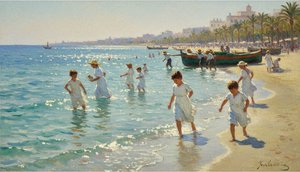
Joaquín Sorolla: Capturing Spanish Light & Life – A Legacy of Impressionism
Explore the luminous world of Joaquín Sorolla, Spanish master of Impressionism. Discover his life, techniques & legacy – a guide for art collectors and enthusiasts. Invest in timeless beauty.

The Enduring Legacy of Fine Art Prints: Technique, History & Aesthetic Impact
Explore the rich history & techniques of fine art prints. Discover investment potential, assess authenticity, and learn how to preserve your collection with expert guidance. Trusted insights for discerning collectors.

Giclée Prints: Archival Quality & Aesthetic Nuances for the Discerning Collector
Explore the world of giclée prints with OriginalUniqueArt. Learn about archival quality, aesthetic nuances & investment potential. Expert guidance for discerning art collectors seeking museum-quality reproductions and lasting value.
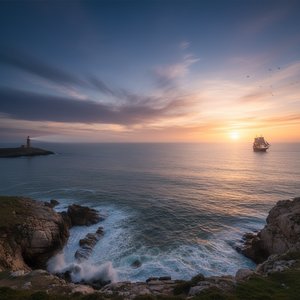
The Allure of the Horizon: A Comprehensive Exploration of Seascape Art Through History & Emotion
Explore the captivating world of seascape art! Discover its history, key artists & movements – from Dutch Masters to Impressionism. Expert insights for collectors and enthusiasts at OriginalUniqueArt.


