

 ნახვა ინტერьерში
 გაგზავნა
 გაზიარება
 დეტალები
 გზამკვლევი

 ჩამოტვირთვა
 მსგავსები
 რენტგენოგრაფიული კვლევა
 სლაიდშოუ
 სტატისტიკა
The Four Elements: Fire
 Oil On Canvas
- WallArt
- Northern Renaissance
 1570
1570 158.0 x 215.0 cm
 The National Gallery
 სრული ტექსტის ნახვა
ხელით შესრულებული ზეთის საღებავით რეპროდუქცია
ტილოზე შესრულებული ფერწერიანი ზეთប្រდათი, თქვენთვის სასურველი ზომისა და ჩარჩოსთვის, ჩვენი ხელოვანების მიერ შეკვეთის საფუძველზე დამზადებული. ( გადართვა ბეჭდვის რეჟიმზე გადასვლა ციფრულ გამოსახულებაზე)




P118B ₾10

P118H ₾10

P118W ₾10

P438Z ₾10

P508JH ₾12

P508YH ₾12

P805H ₾10

P805Z ₾10

P919BZ ₾10

P919G ₾10

P919XJ ₾10

P959ZH ₾10

P968JZ ₾12

W106C ₾8

W218G ₾10

W218JH ₾8

W218Y ₾10

W307PJ ₾10

W316G ₾10

W316PJ ₾8

W316Y ₾10

W398PJ ₾8

W4111J ₾10

W500HY ₾15

W500JH ₾15

W692G ₾12

W849H ₾8

W940BG ₾15

W953PJ ₾8




აირჩიეთ ჩვენს მიერ წინასწარ განსაზღვრული ზომებიდან, რომლებიც ნაწარმოების ორიგინალურ პროპორციებს შეესაბამება.

შეიყვანეთ თქვენთვის საჭირო სიგანე და სიმაღლე, რათა ნახატი მოერგოს თქვენს ჩარჩოს ან კედელს. ვინაიდან ეს ნამუშევარი ხელით არის შესრულებული, სხვა ფორმის ზომის შემთხვევაში, მხატვარმა შესაძლოა სურათის გარშემო ოდნავ მეტი დატოვოს ან შეამციროს — არჩევანი თქვენზეა. დაწყებამდე, დასამტკიცებლად, ჩვენ გამოგიგზავნით ციფრულ მაკეტს. ამ გვერდზე ნაჩვენები სურათი არ ასახავს რეალურ შედეგს — რეალური სახე მხოლოდ მაკეტზე ჩანს.
შეკვეთის შემდეგ, OriginalUniqueArt.com გუნდი დაგიკავშირდებათ ელექტრონული ფოსტით ინსტრუქციებისთვის და გამოგიგზავნით წინასწარ ნახაზს (mockup).
მიწოდება მსოფლიო მასშტაბით -ში 3/4 კვირაში, სტანდარტული 5 კვირის ნაცვლად. (23 ოქტომბერი). ხარისხზე კომპრომისის გაკეთება არ მოხდება.

უფასო ექსპრეს მიწოდება მთელ მსოფლიოში

მაღალი ხარისხის ტილო

ტრანსპორტირების სრული დაზღვევა

საბაჟო გადასახადების დაბრუნების გარანტია

ფერების სრული შესაბამისობის გარანტია

დაბრუნების 100-დღიანი პერიოდი (მხოლოდ წარმოების დეფექტის შემთხვევაში)

100% თანხის სრული დაბრუნების გარანტია

ფასდაკლება დიდი რაოდენობით შეკვეთისას
 მინის ჩარჩოს არჩევანი ხელმისაწვდომია მხოლოდ 110 სმ-მდე ზომისთვის

The Four Elements: Fire
რეპროდუქციის ტექნიკა
რეპროდუქციის ზომა
-


ჯამური ღირებულება
₾ 785
A Kitchen’s Revelation: Joachim Beuckelaer and the Dawn of Still Life
Joachim Beuckelaer's "The Four Elements: Fire" isn’t merely a depiction of a bustling 16th-century kitchen; it’s a carefully constructed tableau, a microcosm of daily life imbued with subtle symbolism and a burgeoning artistic ambition. Born in Antwerp around 1533, Beuckelaer emerged from the vibrant artistic milieu of his family – his father, Mattheus Beuckeleer, and uncle, Pieter Aertsen – to become a master of scenes that elevated the commonplace to an extraordinary level. Unlike earlier depictions of domesticity, which often prioritized religious narrative, Beuckelaer’s kitchen scenes, and indeed this particular “Fire,” began to shift the focus towards observing and celebrating the tangible realities of existence itself. This wasn't simply painting what he saw; it was a deliberate act of elevation, laying crucial groundwork for the eventual development of still life as an independent genre within art history.
The painting immediately draws the eye with its astonishing detail – twelve figures are present, engaged in a symphony of activity: cooking, eating, preparing ingredients. Bowls overflow with produce, knives gleam on tables, and the presence of an oven and sink anchors the scene to the practicalities of daily life. However, it’s not just the abundance that captivates; it's the arrangement, the carefully considered placement of objects, and the subtle interplay of light and shadow that create a sense of palpable realism. Beuckelaer’s skill lies in his ability to render textures – the rough grain of wood, the sheen of polished metal, the plumpness of fruit – with an almost photographic precision.
The Language of Elements: Symbolism Within the Scene
“Fire” is one of a set of four paintings exploring the classical elements—Earth, Water, Air, and Fire—and Beuckelaer masterfully integrates these themes into his everyday subject matter. The title itself immediately establishes this elemental framework. Beyond the immediate depiction of a kitchen scene, the painting operates as a complex allegory. The central focus – the preparation of food over an open fire – is inherently linked to the element of Fire, but Beuckelaer doesn’t stop there. Look closely, and you'll notice subtle references to the other elements woven throughout the composition. The abundance of fruits and vegetables speaks to Earth, while the presence of water (in the sink and implied in the cooking process) represents Water. Even the figures themselves contribute to the overall narrative – their actions and gestures subtly reinforce the elemental themes.
Crucially, Beuckelaer doesn’t simply depict these elements; he juxtaposes them with a dramatic backdrop: a meticulously constructed architectural scene featuring Christ, Martha, and Mary in the House of Bethany. This pairing is not arbitrary. It represents a deliberate contrast between the earthly pleasures of the senses – represented by the kitchen scene—and the spiritual realm. The inclusion of biblical figures serves as a moral compass, reminding viewers to temper their desires with faith and virtue. The arrangement of objects within the kitchen itself can be interpreted as a symbolic representation of temptation and restraint.
A Pioneering Technique: Perspective and Illusion
What truly distinguishes “The Four Elements: Fire” is Beuckelaer’s innovative use of perspective and illusionistic techniques. The scene feels remarkably three-dimensional, despite being painted on a relatively flat wooden panel. He employs multiple vanishing points to create the impression of depth and space, drawing the viewer into the heart of the kitchen. This masterful manipulation of perspective was groundbreaking for its time, pushing the boundaries of realism in Northern European painting. The sheer number of objects depicted – bowls, utensils, foodstuffs—further enhances this illusionistic effect, creating a sense of overwhelming abundance that is both captivating and slightly disorienting.
Furthermore, Beuckelaer’s attention to detail extends beyond mere representation; he imbues his figures with a remarkable degree of personality. Each individual seems engaged in their own activity, contributing to the overall dynamism of the scene. This level of realism was unprecedented for its time and demonstrates Beuckelaer's exceptional skill as an artist.
A Window into a World Transformed
“The Four Elements: Fire” is more than just a painting; it’s a snapshot of a rapidly changing world. As the Renaissance progressed, artists began to move away from solely religious subjects and towards depicting scenes of everyday life with increasing realism and attention to detail. Beuckelaer's work stands as a pivotal moment in this transition, marking a shift towards a more secular and humanistic approach to art. Reproductions of this captivating piece offer a unique glimpse into the domestic life of 16th-century Antwerp, while simultaneously revealing the burgeoning artistic ambition that would ultimately shape the course of Western art history. It’s a testament to Beuckelaer's ability to transform the mundane into the magnificent.
კითხვები და პასუხები
ცნობილია თუ არა სხვა სახელებით „The Four Elements: Fire“-ის ავტორი, იოახიმ ბეუკელერი?
იოახიმ ბეუკელერი ასევე ცნობილია როგორც იოახიმ ბიუკელერი, იოახიმ ბიუკელერ, Joachim Bueckelaer, Ioachimus Bueckelaer, Joachim.
გამოიყენებს თუ არა იოახიმ ბეუკელერი-ის „The Four Elements: Fire“ მკვეთრ კონტრასტებს თუ რბილ ჰარმონიებს?
იოახიმ ბეუკელერი-ის „The Four Elements: Fire“-ის ფერული კომპოზიცია აერთიანებს Gentle კონტრასტს და Strong Color Unity ჰარმონიას.
რამდენად მკვეთრი კონტრასტია იოახიმ ბეუკელერი-ის „The Four Elements: Fire“-ში?
იოახიმ ბეუკელერი-ის „The Four Elements: Fire“-ის კონტრასტის დონე არის Gentle.
მხატვრის ბიოგრაფია
ყოველდღიურობაში განთავსებული ცხოვრება: იოახიმ ბეუკელერი და ნატურმოცემულობის აღმოფხვრა
იოახიმ ბეუკელერი, სახელი, რომელიც შესაძლოა ნაკლებად ცნობილი იყოს მისი თანამედროვეების გვერდით, ფლამენდური ფერწერის ისტორიაში საკვანთურ ადგილს იკავებს. იგი დაახლოებით 1533 წელს ანტვერპენში დაიბადა — ქალაქში, რომელიც იმ პერიოდში მხატვრული ინოვაციებითაა აღსავსე. ბეუკელერი გამოიკვეთა, როგორც ბაზრებისა და სამზარეულოების გადაჭედილი სამყაროს გამოსახვის ოსტატი. ეს არ იყო მხოლოდ ყოველდღიური ცხოვრების რეპრეზენტაცია; ეს იყო საგულდაგულოდ აგებული ნარატივები, რომლებიც ხშირად რელიგიურ სიმბოლიზმთან იყო ნატიფად გადაჯაჭვული და მიანიშნებდა მხატვრული ფოკუსის ცვლილებაზე — გადასვლაზე არსებობის ხელშესახებable რეალობების დაკვირვებასა და ქებაზე, ტრადიციული სულიერი თემების პარალელურად. ბეუკელერი მხოლოდ იმას კი არ *ხატავდა*, რასაც ხედავდა, არამედ ყოველდღიურს ხელოვნური ყურადღების ღირსად აქცევდა, რითაც საფუძველი ჩაუყარა ნატურმოცემულობის, როგორც დამოუკიდებელი ჟანრის განვითარებას. მისი ოჯახური წარმომავლობა ხელოვნებით იყო გაჟღენთილი — მისი მამა, მათეუს ბეუკელერი და ბიძა, პიტერ არტსენი, ორივე აღიარებული ფერწერი იყო, რამაც მას ადრეული გამოცდილება და ტრაბახი მისცა. სწორედ ბიძის სახელოსნოში ალბათ დახვეწა მან თავისი უნარები, სადაც შთანთლებული იყო არტსენის პიონერული მიდგომით ბაზრის სცენებისადმი, სანამ საბოლოოდ ვერ გადაუსწრო მას ტექნიკურ სიმჭიდროვესა და ნიუანსირებულ თხრობაში.ანტვერპენის სახელოსნო და მხატვრული განვითარება
მე-16 საუკუნის ანტვერპენი კომერციისა და კულტურის ცოცხალი კერა იყო და ბეუკელერის ხელოვნება სწორედ ამ ენერგიას ასახავს. იგი 1560 წელს წმინდა ლუკას გილდიის დამოუკიდებელ ოსტატად აღიარეს, რამაც მისი ადგილი მხატვრულ საზოგადოებაში განამტკიცა. თუმცა, იგი არც პირდაპირ იმეორებდა არტსენის სტილს; მან იგი დახვეწა, დაამატა სირთულისა და დეტალების ახალი ფენები. მაშინ, როდესაც არტსენი ხშირად წარადგენდა გარკვეულ ქაოსურ სიუხსეს, ბეუკელერმა თავის კომპოზიციებში წესრიგისა და სიცხადის მეტი განცდა შემოიტანა. მისი სცენები ზედმიწევნით არის მოწყობილი, სადაც თითოეული ობიექტი საოცარი სიზუსტით არის გამოსახული — თევზის ბზინვარე ფ scale-ები, ხილის სისქე, თუნუქის ჭურჭლის ელვარება. ეს რეალიზმსადმი ერთგულება მხოლოდ ტექნიკური უნარი არ იყო; ეს იყო ყოველდღიური საგნების სიცოცხლისა და მნიშვნელობის შემოტანა. სერია ოთხი ელემენტი ამ მიდგომის დასტურია — თევზის ბაზრების გამოსახავი ფერწერების ერთობლიობა, რომელიც ერთდროულად აღნიშნავს ბუნების სიუხვეს და ნატიფად მიანიშნებს ბიბლიურ თემებზე, სადაც თევზების თორმეტი სახეობა მოციქულებს წარმოადგენს, ხოლო ფონზე ქრისტეს სასწაული — პურისა და თევზის გამრავლება — იხილება. ეს უნარი, შეუფერხებლად შეერწყას სეკულარული და საკრალური, მისი შემოქმედების საფირმო ნიშანი გახდა.სამზარეულოები, როგორც ტილოები: სიმბოლიზმი და ნარატივი
ბაზრის სცენების მიღმა, ბეუკელერი ასევე გამორჩეული იყო სამზარეულოების გამოსახვაში — სივრცეებში, რომლებიც სავსეა აქტივობითა და სიმბოლური პოტენციალით. მაგალითად, მისი სამზარეულოს სცენა ქრისტესთან ემაუსში განსაკუთრებით შთამბეჭდავია მისი ინოვაციური მიდგომის თვალსაზრისით. იგი ბიბლიურ ისტორიას არ წარმოაჩენს ცალკეულ სცენად; იგი პირდაპირ აინტეგრირებს მას სამზარეულოს გადაჭედილ გარემოში, სადაც საკვების მომზადება მიმდინარეობს. ეს პარალელურობა ქმნის მყარ სიახლის განცდას და მაყურებელს მოუწოდებს, დაფიქრდეს ყოველდღიური ქმედებების სულიერ მნიშვნელობაზე. საკვების სიუხვე ამ სცენებში მხოლოდ დეკორატიული არ იყო; მას ხშირად სიმბოლური სიმძიმე ჰქონდა — წარმატების, სისხლისა თუ ცდუნების გამოსახატად. ბედაუკელერის ოსტატობა მდგომარეობდა იმაში, რომ ეს თითქოს უბრალო გარემო მნიშვნელობის ახალი ფენებით შეესავსებინა და ისინი დამაჯერებელ ვიზუალურ ნარატივებად transformation-ისათვის გადაეყვანა. მან ასევე გასცდა სუფთა ნატურმოცემულობის კომპოზიციებში, როგორიცაა კვლის ნატურმოცემულობა (1563), რომელიც ამ თემის ერთ-ერთ ყველაზე ადრეულ დათარიღებულ ნიმუშად ითვლება, რაც კიდევ უფრო მეტად ადასტურებს მის ოსტატობას დეტალსა და რეალიზმში და აფართოებს მხატვრული კონვენციების საზღვრებს.მემკვიდრეობა და გავლენა: ხიდი ახალი მხატვრული ჰორიზონტებისკენ
იოახიმ ბეუკელერის გავლენა მის სიცოცხლეზე ბევრად მეტი იყო. ყოველდღიური ცხოვრების დეტალური გამოსახვამ გზა გაუხსნა ახალ თაობას ხელოვანთათვის, რომლებმაც შემდგომში კიდევ უფრო მეტად გამოიკვლიეს ნატურმოცემულობის შესაძლებლობები. ისეთი ხელოვანები, როგორიცაა ფრანს სნიდერსი, რომელიც ცნობილია საკვების მდიდრული და რთული გამოსახვით, პირდაპირ ეფუძნებოდნენ ბეუკელერის მიერ ჩაშენებულ საფუძველს. მისი გავლენა არ შემოიფარგლებოდა მხოლოდ ჩრდილოეთ ევროპით; მისი ნამუშევრები ეხმიანებოდა იტალიელ ფერწერებსაც, როგორიცაა ვინჩენცო კამპი, რაც მოწმობს მისი ინოვაციური მიდგომის ფართო პოპულარობას. ყოვლისმომცველ რელიგიურ თემებზე ფოკუსირების ნაცვლად უფრო სეკულარული საგნობებისკენ გადასვლით — თუმცა სულიერი ქვეტექსტის შენარჩუნებით — ბეუკელერმა გადამწყვეტი როლი ითამაშა ფლამენდური ხელოვნების ტრანსფორმაციაში და წინასწარ განსაზღვრა ის მხატვრული ტენდენციები, რომლებმაც მომავალი საუკუნეები განსაზღვრეს. იგი დაახლოებით 1573 წელს გარდაიცვალა, დატოვა შემოქმედება, რომელიც დღემდე აღფრთოვანებასა და შთაგონებას გვიჩენს, და გვახსენებს იმ სილამაზესა და მნიშვნელობას, რომელიც ცხოვრების ჩვეულებრივ მომენტებში იმალება.
იოახიმ ბეუკელერი
1533 - 1573 , ბელგია
მოკლე ფაქტები
- Artistic Movement Or Style: რენესანსის ხელოვნება
- Artists Or Movements Influenced By This Artist:
- Frანს სნიდერსი
- ვინჩენცო კამპი
- Artists Who Influenced This Artist: ['პიტერ არტსენი']
- Date Of Birth: დაახლ. 1533
- Date Of Death: დაახლ. 1573
- Full Name: იოახიმ ბეუკელერი
- Nationality: ფლამენდიელი
- Notable Artworks:
- ოთხი ელემენტის სერია
- სამზარეულოს სცენა ქრისტესთან
- კარკასის Still Life
- Place Of Birth: ანტვერპენი, ბელგია
მსგავსი სტატიები

Silent Narratives: Exploring the Enduring Appeal of Still Life Painting Across Centuries
Explore the rich history of still life painting with OriginalUniqueArt. Discover Dutch Masters, decode vanitas symbolism & learn about collecting timeless art. Expert insights and museum-quality reproductions.
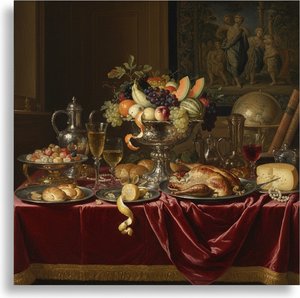
Abraham Hendricksz van Beyeren: Pioneering Dutch Still Life & the Banquet Tradition
Explore the captivating world of Dutch Golden Age still life with Abraham van Beyeren. Discover his innovative techniques, symbolic banquet scenes & lasting influence on art history. Learn about collecting these masterpieces.
The Enduring Appeal of Still Life: A Historical & Contemporary Exploration
Explore the rich history & symbolism of still life painting with OriginalUniqueArt. Discover masterpieces from the Dutch Golden Age, learn about vanitas art, and find expert guidance for collecting timeless artworks.
Clyfford Still's Abstract Expressionism: A Study of Color, Form & the Existential Landscape
Explore the profound world of Clyfford Still's Abstract Expressionism with OriginalUniqueArt. Discover his unique style, existential themes & investment potential. Expert analysis for discerning collectors.
Gastronomic Canvas: Culinary Aesthetics & Artistic Representation for Hotel Design
Explore the captivating intersection of culinary arts & artistic representation for hotel design. Discover techniques to elevate dining experiences through visual harmony, composition, and inspiration from classic still life painting.