

 ნახვა ინტერьерში
 გაგზავნა
 გაზიარება
 დეტალები
 გზამკვლევი

 ჩამოტვირთვა
 მსგავსები
 რენტგენოგრაფიული კვლევა
 სლაიდშოუ
 სტატისტიკა
The Four Elements: Fire
 Oil On Canvas
- WallArt
- Early Netherlandish Painting
 1570
1570 158.0 x 216.0 cm
 The National Gallery
 სრული ტექსტის ნახვა
გიკლე / ხელოვნების პრინტი
მუზეუმის დონის ჟიკლე ან ტილოზე ბეჭდვა სწრაფი წარმოებისა და დასრულების მოქნილი ვარიანტებით. ( შეიძინეთ ხელით შესრულებული ნახატი გადასვლა ციფრულ გამოსახულებაზე)




P118B ₾10

P118H ₾10

P118W ₾10

P438Z ₾10

P508JH ₾12

P508YH ₾12

P805H ₾10

P805Z ₾10

P919BZ ₾10

P919G ₾10

P919XJ ₾10

P959ZH ₾10

P968JZ ₾12

W106C ₾8

W218G ₾10

W218JH ₾8

W218Y ₾10

W307PJ ₾10

W316G ₾10

W316PJ ₾8

W316Y ₾10

W398PJ ₾8

W4111J ₾10

W500HY ₾15

W500JH ₾15

W692G ₾12

W849H ₾8

W940BG ₾15

W953PJ ₾8




აირჩიეთ ჩვენს მიერ წინასწარ განსაზღვრული ზომებიდან, რომლებიც ნაწარმოების ორიგინალურ პროპორციებს შეესაბამება.

შეიყვანეთ თქვენთვის საჭირო სიგანე და სიმაღლე, რათა იგი მოერგოს თქვენს ჩარჩოს ან კედელს. ბეჭდვისას შესაძლებელია მხოლოდ მისი შემცირება და არა გაზრდა, ამიტომ სხვა ფორმის ზომის შემთხვევაში გამოსახულება ნაწილობრივ იკარგება. სანამ რაიმეს დაბეჭდავთ, ჩვენ გამოგიგზავნით ციფრულ მაკეტს დასდასტურებლად. ამ გვერდზე ნაჩვენები სურათი არ ასახავს რეალურ ჭრას — ამას მხოლოდ მაკეტი გვიჩვენებს.
მიწოდება მთელ მსოფლიოში () 2 კვირაში, სტანდარტული 4/5 კვირის ნაცვლად. (21 ოქტომბერი)

უფასო ექსპრეს მიწოდება მთელ მსოფლიოში

მაღალი ხარისხის ტილო

ტრანსპორტირების სრული დაზღვევა

საბაჟო გადასახადების დაბრუნების გარანტია

ფერების სრული შესაბამისობის გარანტია

დაბრუნების 100-დღიანი პერიოდი (მხოლოდ წარმოების დეფექტის შემთხვევაში)

100% თანხის სრული დაბრუნების გარანტია

ფასდაკლება დიდი რაოდენობით შეკვეთისას
 მინის ჩარჩოს არჩევანი ხელმისაწვდომია მხოლოდ 110 სმ-მდე ზომისთვის

The Four Elements: Fire
გიკლე / ხელოვნების პრინტი
რეპროდუქციის ზომა
-


ჯამური ღირებულება
₾ 209
Joachim Beuckelaer: A Pioneer of Domestic Narrative
Joachim Beuckelaer’s “The Four Elements: Fire” stands as an arresting testament to the burgeoning fascination with observation and representation that characterized Flemish painting in its twilight years. Born around 1533 in Antwerp, a city brimming with artistic fervor during the High Renaissance, Beuckelaer emerged not merely as a painter but as a storyteller—one who elevated the commonplace kitchen scene into a profound meditation on life’s rhythms and spiritual contemplation. Unlike many of his contemporaries preoccupied with grand mythological narratives or religious iconography alone, Beuckelaer skillfully blended these traditions with an unprecedented sensitivity to everyday existence, establishing crucial groundwork for the emergence of still life art as a distinct genre. This wasn't simply about depicting what was seen; it was about capturing the essence of human experience within a carefully constructed visual universe—a feat achieved through masterful technique and imbued with subtle symbolic resonance.- Subject Matter: The painting portrays a woman diligently preparing food in a domestic setting, surrounded by assisting figures engaged in similar activities. Alongside her are various culinary implements – bowls, knives, spoons – alongside an array of birds perched upon shelves and tables, creating a vibrant tableau that speaks to the vitality of daily life.
- Style: Beuckelaer’s style is distinctly Mannerist, characterized by elongated figures, stylized poses, and dramatic perspective constructions. These stylistic choices reflect a broader artistic trend away from idealized beauty towards expressive distortion—a deliberate departure from Renaissance conventions that signaled a new emphasis on psychological realism.
- Technique: Executed in oil on canvas, “The Four Elements” demonstrates Beuckelaer’s exceptional skill in achieving luminous color palettes and conveying textural detail. The artist employed meticulous glazing techniques to build up layers of pigment—a hallmark of Flemish painting—resulting in a surface that possesses remarkable depth and luminosity.
Historical Context: Iconoclasm and the Shifting Artistic Landscape
“The Four Elements” was created during a period of intense religious upheaval known as the Beeldenstorm (“Storm of Images”), which erupted across the Netherlands in 1566. This tumultuous episode witnessed fervent Calvinist zealots dismantling statues and paintings deemed idolatrous—a direct challenge to Catholic dogma and artistic patronage. Amidst this climate of uncertainty and destruction, Beuckelaer’s work represents a defiant assertion of humanist values—specifically the celebration of earthly beauty and sensory experience—as opposed to solely focusing on spiritual transcendence. The painting's inclusion of biblical references serves as a subtle counterpoint to the iconoclasm, suggesting that artistic contemplation could coexist with religious faith without compromising its integrity.- Symbolism: The central figure preparing food embodies the nurturing role of womanhood and symbolizes the provision of sustenance—both physical and spiritual—essential for human flourishing. Furthermore, the birds scattered throughout the scene represent freedom and vitality, mirroring the biblical allegory of Noah’s Ark—a symbol of deliverance from impending doom and renewal after catastrophe.
- Perspective: Beuckelaer skillfully utilized multiple vanishing points to create a dramatic illusionistic space that draws the viewer into the depicted environment. This technique—characteristic of Mannerist painting—was employed to heighten emotional impact and convey a sense of grandeur, reflecting the artistic ambitions of the era.
Emotional Impact: A Momentary Pause for Reflection
“The Four Elements” transcends mere visual representation; it invites contemplation on themes of domestic harmony, human connection, and the enduring power of nature—themes that resonate deeply with viewers today. The painting’s luminous color palette evokes warmth and comfort—creating a serene atmosphere conducive to introspection. Moreover, Beuckelaer's masterful depiction of texture—particularly in the rendering of fabrics and foodstuffs—stimulates tactile sensation and engages the viewer’s senses on an emotional level. Ultimately, “The Four Elements” serves as a poignant reminder that beauty can be found in the simplest of moments—a lesson conveyed with remarkable eloquence by one of Flanders' most innovative artists.Conclusion: Legacy of Observation and Artistic Innovation
Joachim Beuckelaer’s “The Four Elements” remains an enduring masterpiece—a pivotal work that solidified his reputation as a pioneer of domestic narrative and foreshadowed the transformative influence of Mannerist painting on subsequent artistic developments. Its meticulous technique, astute symbolism, and profound emotional impact continue to inspire artists and collectors alike—affirming Beuckelaer's place among the giants of Flemish art history.კითხვები და პასუხები
რამდენი წლის იყო იოახიმ ბეუკელერი, როდესაც „The Four Elements: Fire“ შეიქმნა?
როდესაც 1570 წელს შექმნა „The Four Elements: Fire“, იოახიმ ბეუკელერი, რომელიც 1533-ში დაიბადა, 37 წლის იყო.
რა ზომაშია რეკომენდებული "The Four Elements: Fire"-ის ბეჭდვა?
იოახიმ ბეუკელერი-ის „The Four Elements: Fire“-ის ბეჭდვის რეკომენდებული ზომა არის Medium.
არსებობს თუ არა გაიდი იოახიმ ბეუკელერი-ის „The Four Elements: Fire“-ისთვის?
გზამკვლევი „The Four Elements: Fire“-ისთვის არის ნამუშევრის გზამკვლევი გვერდი - დასაბეჭდი ფაქტების ფურცელი, რომელიც წარმოაჩენს ნამუშევარს თავისი აღწერილობით, ავტორობის მითითებითა და იდენტიფიკაციის ცხრილით (ავტორი, თარიღები, ტექნიკა, ორიგინალის ზომა, კოლექცია).
მხატვრის ბიოგრაფია
ყოველდღიურობაში განთავსებული ცხოვრება: იოახიმ ბეუკელერი და ნატურმოცემულობის აღმოფხვრა
იოახიმ ბეუკელერი, სახელი, რომელიც შესაძლოა ნაკლებად ცნობილი იყოს მისი თანამედროვეების გვერდით, ფლამენდური ფერწერის ისტორიაში საკვანთურ ადგილს იკავებს. იგი დაახლოებით 1533 წელს ანტვერპენში დაიბადა — ქალაქში, რომელიც იმ პერიოდში მხატვრული ინოვაციებითაა აღსავსე. ბეუკელერი გამოიკვეთა, როგორც ბაზრებისა და სამზარეულოების გადაჭედილი სამყაროს გამოსახვის ოსტატი. ეს არ იყო მხოლოდ ყოველდღიური ცხოვრების რეპრეზენტაცია; ეს იყო საგულდაგულოდ აგებული ნარატივები, რომლებიც ხშირად რელიგიურ სიმბოლიზმთან იყო ნატიფად გადაჯაჭვული და მიანიშნებდა მხატვრული ფოკუსის ცვლილებაზე — გადასვლაზე არსებობის ხელშესახებable რეალობების დაკვირვებასა და ქებაზე, ტრადიციული სულიერი თემების პარალელურად. ბეუკელერი მხოლოდ იმას კი არ *ხატავდა*, რასაც ხედავდა, არამედ ყოველდღიურს ხელოვნური ყურადღების ღირსად აქცევდა, რითაც საფუძველი ჩაუყარა ნატურმოცემულობის, როგორც დამოუკიდებელი ჟანრის განვითარებას. მისი ოჯახური წარმომავლობა ხელოვნებით იყო გაჟღენთილი — მისი მამა, მათეუს ბეუკელერი და ბიძა, პიტერ არტსენი, ორივე აღიარებული ფერწერი იყო, რამაც მას ადრეული გამოცდილება და ტრაბახი მისცა. სწორედ ბიძის სახელოსნოში ალბათ დახვეწა მან თავისი უნარები, სადაც შთანთლებული იყო არტსენის პიონერული მიდგომით ბაზრის სცენებისადმი, სანამ საბოლოოდ ვერ გადაუსწრო მას ტექნიკურ სიმჭიდროვესა და ნიუანსირებულ თხრობაში.ანტვერპენის სახელოსნო და მხატვრული განვითარება
მე-16 საუკუნის ანტვერპენი კომერციისა და კულტურის ცოცხალი კერა იყო და ბეუკელერის ხელოვნება სწორედ ამ ენერგიას ასახავს. იგი 1560 წელს წმინდა ლუკას გილდიის დამოუკიდებელ ოსტატად აღიარეს, რამაც მისი ადგილი მხატვრულ საზოგადოებაში განამტკიცა. თუმცა, იგი არც პირდაპირ იმეორებდა არტსენის სტილს; მან იგი დახვეწა, დაამატა სირთულისა და დეტალების ახალი ფენები. მაშინ, როდესაც არტსენი ხშირად წარადგენდა გარკვეულ ქაოსურ სიუხსეს, ბეუკელერმა თავის კომპოზიციებში წესრიგისა და სიცხადის მეტი განცდა შემოიტანა. მისი სცენები ზედმიწევნით არის მოწყობილი, სადაც თითოეული ობიექტი საოცარი სიზუსტით არის გამოსახული — თევზის ბზინვარე ფ scale-ები, ხილის სისქე, თუნუქის ჭურჭლის ელვარება. ეს რეალიზმსადმი ერთგულება მხოლოდ ტექნიკური უნარი არ იყო; ეს იყო ყოველდღიური საგნების სიცოცხლისა და მნიშვნელობის შემოტანა. სერია ოთხი ელემენტი ამ მიდგომის დასტურია — თევზის ბაზრების გამოსახავი ფერწერების ერთობლიობა, რომელიც ერთდროულად აღნიშნავს ბუნების სიუხვეს და ნატიფად მიანიშნებს ბიბლიურ თემებზე, სადაც თევზების თორმეტი სახეობა მოციქულებს წარმოადგენს, ხოლო ფონზე ქრისტეს სასწაული — პურისა და თევზის გამრავლება — იხილება. ეს უნარი, შეუფერხებლად შეერწყას სეკულარული და საკრალური, მისი შემოქმედების საფირმო ნიშანი გახდა.სამზარეულოები, როგორც ტილოები: სიმბოლიზმი და ნარატივი
ბაზრის სცენების მიღმა, ბეუკელერი ასევე გამორჩეული იყო სამზარეულოების გამოსახვაში — სივრცეებში, რომლებიც სავსეა აქტივობითა და სიმბოლური პოტენციალით. მაგალითად, მისი სამზარეულოს სცენა ქრისტესთან ემაუსში განსაკუთრებით შთამბეჭდავია მისი ინოვაციური მიდგომის თვალსაზრისით. იგი ბიბლიურ ისტორიას არ წარმოაჩენს ცალკეულ სცენად; იგი პირდაპირ აინტეგრირებს მას სამზარეულოს გადაჭედილ გარემოში, სადაც საკვების მომზადება მიმდინარეობს. ეს პარალელურობა ქმნის მყარ სიახლის განცდას და მაყურებელს მოუწოდებს, დაფიქრდეს ყოველდღიური ქმედებების სულიერ მნიშვნელობაზე. საკვების სიუხვე ამ სცენებში მხოლოდ დეკორატიული არ იყო; მას ხშირად სიმბოლური სიმძიმე ჰქონდა — წარმატების, სისხლისა თუ ცდუნების გამოსახატად. ბედაუკელერის ოსტატობა მდგომარეობდა იმაში, რომ ეს თითქოს უბრალო გარემო მნიშვნელობის ახალი ფენებით შეესავსებინა და ისინი დამაჯერებელ ვიზუალურ ნარატივებად transformation-ისათვის გადაეყვანა. მან ასევე გასცდა სუფთა ნატურმოცემულობის კომპოზიციებში, როგორიცაა კვლის ნატურმოცემულობა (1563), რომელიც ამ თემის ერთ-ერთ ყველაზე ადრეულ დათარიღებულ ნიმუშად ითვლება, რაც კიდევ უფრო მეტად ადასტურებს მის ოსტატობას დეტალსა და რეალიზმში და აფართოებს მხატვრული კონვენციების საზღვრებს.მემკვიდრეობა და გავლენა: ხიდი ახალი მხატვრული ჰორიზონტებისკენ
იოახიმ ბეუკელერის გავლენა მის სიცოცხლეზე ბევრად მეტი იყო. ყოველდღიური ცხოვრების დეტალური გამოსახვამ გზა გაუხსნა ახალ თაობას ხელოვანთათვის, რომლებმაც შემდგომში კიდევ უფრო მეტად გამოიკვლიეს ნატურმოცემულობის შესაძლებლობები. ისეთი ხელოვანები, როგორიცაა ფრანს სნიდერსი, რომელიც ცნობილია საკვების მდიდრული და რთული გამოსახვით, პირდაპირ ეფუძნებოდნენ ბეუკელერის მიერ ჩაშენებულ საფუძველს. მისი გავლენა არ შემოიფარგლებოდა მხოლოდ ჩრდილოეთ ევროპით; მისი ნამუშევრები ეხმიანებოდა იტალიელ ფერწერებსაც, როგორიცაა ვინჩენცო კამპი, რაც მოწმობს მისი ინოვაციური მიდგომის ფართო პოპულარობას. ყოვლისმომცველ რელიგიურ თემებზე ფოკუსირების ნაცვლად უფრო სეკულარული საგნობებისკენ გადასვლით — თუმცა სულიერი ქვეტექსტის შენარჩუნებით — ბეუკელერმა გადამწყვეტი როლი ითამაშა ფლამენდური ხელოვნების ტრანსფორმაციაში და წინასწარ განსაზღვრა ის მხატვრული ტენდენციები, რომლებმაც მომავალი საუკუნეები განსაზღვრეს. იგი დაახლოებით 1573 წელს გარდაიცვალა, დატოვა შემოქმედება, რომელიც დღემდე აღფრთოვანებასა და შთაგონებას გვიჩენს, და გვახსენებს იმ სილამაზესა და მნიშვნელობას, რომელიც ცხოვრების ჩვეულებრივ მომენტებში იმალება.
იოახიმ ბეუკელერი
1533 - 1573 , ბელგია
მოკლე ფაქტები
- Artistic Movement Or Style: რენესანსის ხელოვნება
- Artists Or Movements Influenced By This Artist:
- Frანს სნიდერსი
- ვინჩენცო კამპი
- Artists Who Influenced This Artist: ['პიტერ არტსენი']
- Date Of Birth: დაახლ. 1533
- Date Of Death: დაახლ. 1573
- Full Name: იოახიმ ბეუკელერი
- Nationality: ფლამენდიელი
- Notable Artworks:
- ოთხი ელემენტის სერია
- სამზარეულოს სცენა ქრისტესთან
- კარკასის Still Life
- Place Of Birth: ანტვერპენი, ბელგია
მსგავსი სტატიები
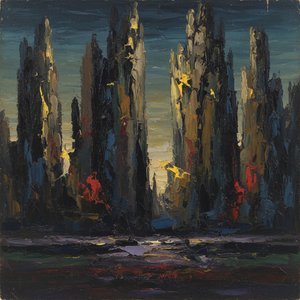
Clyfford Still's Abstract Expressionism: A Study of Color, Form & the Existential Landscape
Explore the profound world of Clyfford Still's Abstract Expressionism with OriginalUniqueArt. Discover his unique style, existential themes & investment potential. Expert analysis for discerning collectors.

ინტერიერის ხელოვნება: კედლის მხატვრობა თანამედროვე სამზარეულოსა და აბანოში დიზაინის აღორძინებაში
აღმოაჩინეთ კედლის მხატვრობის ხელოვნება თქვენს სამზარეულოსა და აბანოში! პროფესიონალური დიზაინის რჩევები, ტენდენციები და ინსტრუქციები. შექმნით უნიკალურ სივრცეს ჩვენი ექსპერტების დახმარებით.
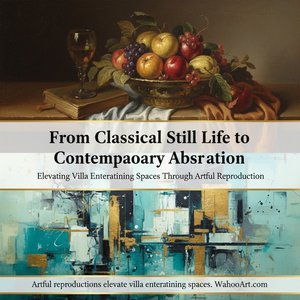
კლასიკური ნატურმორტიდან თანამედროვე აბსტრაქციამდე: ვილის საცხოვრებელი სივრცეების ამაღლება ხელოვნების გამომსახულობით
გაიგეთ, როგორ ტრანსფორმირებს ხელოვნება ინტერიერს! ვილის სახლის მაგალითზე მიმოხილვა კლასიკური ნატურმორტიდან თანამედროვე აბსტრაქციამდე. რჩევები ექსპერტებისგან თქვენი სახლის სულისშესაძლებლობისთვის.

Silent Narratives: Exploring the Enduring Appeal of Still Life Painting Across Centuries
Explore the rich history of still life painting with OriginalUniqueArt. Discover Dutch Masters, decode vanitas symbolism & learn about collecting timeless art. Expert insights and museum-quality reproductions.
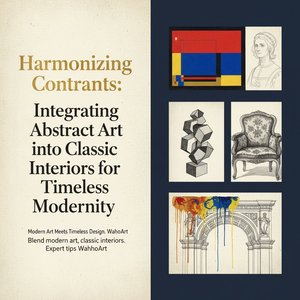
კლასიკურ ინტერიერში ბალანსის ხელოვნება: თანამედროვე მხატვრობის смелость და ჰარმონია
აღმოაჩინეთ კლასიკური ინტერიერის დიზაინის ხელოვნება! გთავაზობთ პროფესიონალურ კონსულტაციებს, თანამედროვე მხატვრობის ინტეგრაციის რჩევებს და ექსკლუზიურ იდეებს თქვენი სახლის ელეგანტური გარდაქმნისთვის. OriginalUniqueArt-თან ერთად შექმნით უნიკალურ სივრცეს!