

 ნახვა ინტერьерში
 გაგზავნა
 გაზიარება
 დეტალები
 გზამკვლევი

 ჩამოტვირთვა
 მსგავსები
 რენტგენოგრაფიული კვლევა
 სლაიდშოუ
 სტატისტიკა
Sin título (Untitled)


 სრული ტექსტის ნახვა
ამ გვერდზე წარმოდგენილი ნამუშევარი დაცულია საავტორო უფლების შესახებ კანონმდებლობით, რაც იმას ნიშნავს, რომ ჩვენ არ გვაქვს მისი იდენტური რეპროდუქციის შექმნის ან გაყიდვის სამართლებრივი უფლება. აღნიშნული დაცვა უზრუნველყოფილია ისეთი საერთაშორისო შეთანხმებებით, როგორიცაა ბერნის კონვენცია და ეროვნული კანონმდებლობით, მათ შორის იმ კანონებით, რომლებიც დეტალურად არის გაწერილი აშშ-ის საავტორო უფლების შესახებ კანონი - თავი 17.
როგორც პატივისცემით სავსე და კანონიერი ალტერნატივა, ჩვენ გთავაზობთ ორიგინალით შთაგონებულ, ინდივიდუალურ, ხელით შესრულებულ ნამუშევრებს. ჩვენი ოსტატ და პროფესიონალი ხელოვანები საგულდაგულოდ სწავლობენ ორიგინალის სტილს, განწყობასა და მხატვრულ არსს, რათა შექმნან ახალი, უნიკალური ნამუშევარი, რომელიც იგივე ემოციას აღძრავს და, ამავდროულად, თავად წარმოადგენს დამოუკიდებელ, ორიგინალურ შემოქმედებას.
ეს მეთოდი სრულად შეესაბამება საავტორო უფლებების რეგულაციებს, რადგან ის არ გულისხმობს დაცული ნამუშევრის კოპირებას ან დუბლირებას. ამგვარად, ეს წარმოადგენს შემოქმედებით რეინტერპრეტაციას — ახალ ნახატს, რომელიც შთაგონებითაა განპირობებული ორიგინალით, თუმცა არ არის მის იდენტურ ასლს.
ხელით შესრულებული ზეთის საღებავით რეპროდუქცია
ტილოზე შესრულებული ფერწერიანი ზეთប្រდათი, თქვენთვის სასურველი ზომისა და ჩარჩოსთვის, ჩვენი ხელოვანების მიერ შეკვეთის საფუძველზე დამზადებული. ( გადართვა ბეჭდვის რეჟიმზე გადასვლა ციფრულ გამოსახულებაზე)




P118B ₾10

P118H ₾10

P118W ₾10

P438Z ₾10

P508JH ₾12

P508YH ₾12

P805H ₾10

P805Z ₾10

P919BZ ₾10

P919G ₾10

P919XJ ₾10

P959ZH ₾10

P968JZ ₾12

W106C ₾8

W218G ₾10

W218JH ₾8

W218Y ₾10

W307PJ ₾10

W316G ₾10

W316PJ ₾8

W316Y ₾10

W398PJ ₾8

W4111J ₾10

W500HY ₾15

W500JH ₾15

W692G ₾12

W849H ₾8

W940BG ₾15

W953PJ ₾8




აირჩიეთ ჩვენს მიერ წინასწარ განსაზღვრული ზომებიდან, რომლებიც ნაწარმოების ორიგინალურ პროპორციებს შეესაბამება.

შეიყვანეთ თქვენთვის საჭირო სიგანე და სიმაღლე, რათა ნახატი მოერგოს თქვენს ჩარჩოს ან კედელს. ვინაიდან ეს ნამუშევარი ხელით არის შესრულებული, სხვა ფორმის ზომის შემთხვევაში, მხატვარმა შესაძლოა სურათის გარშემო ოდნავ მეტი დატოვოს ან შეამციროს — არჩევანი თქვენზეა. დაწყებამდე, დასამტკიცებლად, ჩვენ გამოგიგზავნით ციფრულ მაკეტს. ამ გვერდზე ნაჩვენები სურათი არ ასახავს რეალურ შედეგს — რეალური სახე მხოლოდ მაკეტზე ჩანს.
შეკვეთის შემდეგ, OriginalUniqueArt.com გუნდი დაგიკავშირდებათ ელექტრონული ფოსტით ინსტრუქციებისთვის და გამოგიგზავნით წინასწარ ნახაზს (mockup).
მიწოდება მსოფლიო მასშტაბით -ში 3/4 კვირაში, სტანდარტული 5 კვირის ნაცვლად. (23 ოქტომბერი). ხარისხზე კომპრომისის გაკეთება არ მოხდება.

უფასო ექსპრეს მიწოდება მთელ მსოფლიოში

მაღალი ხარისხის ტილო

ტრანსპორტირების სრული დაზღვევა

საბაჟო გადასახადების დაბრუნების გარანტია

ფერების სრული შესაბამისობის გარანტია

დაბრუნების 100-დღიანი პერიოდი (მხოლოდ წარმოების დეფექტის შემთხვევაში)

100% თანხის სრული დაბრუნების გარანტია

ფასდაკლება დიდი რაოდენობით შეკვეთისას
 მინის ჩარჩოს არჩევანი ხელმისაწვდომია მხოლოდ 110 სმ-მდე ზომისთვის

Sin título (Untitled)
რეპროდუქციის ტექნიკა
რეპროდუქციის ზომა
-


ჯამური ღირებულება
₾ 785
The Composition of Form and Color
Sin título (Untitled) presents a geometric arrangement of shapes that interact through overlapping planes. The work consists of a series of squares rendered in distinct colors, including red, blue, green, yellow, and orange. Interspersed among these quadrilaterals are circular forms that interrupt the linear edges of the squares. In this specific black and white photograph, the tonal values emphasize the contrast between light and dark areas within the pattern. The arrangement creates a sense of depth through the superimposition of different geometric layers. This layering produces an optical effect where the shapes appear to vibrate or shift as the viewer's perspective changes.Materiality and Kinetic Principles
The technique involves the use of industrial materials to manipulate light and perception. The artist utilizes plexiglass, metal, nylon, and wood to construct surfaces that reject traditional figuration. By placing different planes of line or geometric form on top of one another, the work achieves a physical sense of separation between layers. This method creates several levels of depth on the surface of the piece. The use of transparent or semi-transparent materials allows for the creation of an optical impression of movement. As the eye moves across the composition, the interaction of color and shape generates a rhythmic, non-repetitive motion.Historical Context of Kineticism
This work emerged from the mid-twentieth century Kinetic art movement, which was prominent in Argentina, Uruguay, and Venezuela. During this period, the use of new industrial materials like metal and plexiglass reflected the rapid urbanization and economic growth associated with the oil economy in Venezuela. The approach to art during this era focused on the exploration of physical space through pictorial means rather than through representational subjects. The movement sought to create works that functioned as optical engines, triggering physiological responses in the observer. Through these methods, the boundaries between the viewer and the object are reduced, making the spectator an active participant in the perception of the work's energy.კითხვები და პასუხები
რა გამოყენება და სივრცეა რეკომენდებული Jesús Rafael Soto-ის „Sin título (Untitled)“-ისთვის?
Jesús Rafael Soto-ის „Sin título (Untitled)“-ისთვის რეკომენდებულია (Focal) გამოყენება და (Coworking) სივრცე.
აჩვენებს თუ არა "Sin título (Untitled)" მკვეთრ სინათლისა და სიბნელის კონტრასტს?
Jesús Rafael Soto-ის „Sin título (Untitled)“-ში დანახულია Statement კონტრასტი ღია და მუქ ფერებს შორის.
სად არის დღეს გამოფენილი Jesús Rafael Soto-ის „Sin título (Untitled)“?
ორიგინალი Jesús Rafael Soto-ის „Sin título (Untitled)“ ინახება Inter-American Development Bank, ვაშინგტონი, დი.სᱤ., ამერიკის შეერთებული შტატები-ში. რესპროდუქცია საშუალებას გაძლევთ, ეს ნამუშევარი თქვენს სახლში გამოფენოთ.
მხატვრის ბიოგრაფია
The Architect of Motion: The Life and Vision of Jesús Rafael Soto
In the quiet streets of Ciudad Bolívar, Venezuela, a young boy once spent his hours meticulously recreating the masterpieces he encountered in magazines and almanacs. This early fascination with the transformative power of imagery was more than a childhood pastime; it was the genesis of a lifelong quest to dismantle the boundaries between the viewer and the viewed. Jesús Rafael Soto, born on June 5, 1923, would grow to become a titan of the Kinetic and Op Art movements, a man whose work did not merely sit upon a wall or stand upon a pedestal, but rather breathed, vibrated, and pulsed with an energy that demanded physical engagement.
Soto’s journey into the professional realm began with the vibrant, graphic world of cinema posters in his hometown. At sixteen, he was already mastering the principles of visual communication, a skill that would later underpin his ability to manipulate light and space. His formal education at the Escuela de Artes Plásticas y Artes Aplicadas in Caracas provided the academic rigor necessary to transition from graphic design to "pure art." Under the mentorship of influential figures like Antonio Edmundos Monsanto, Soto was introduced to a global dialogue of modernism, connecting him with a generation of Venezuelan masters including Carlos Cruz-Diez and Alejandro Otero. This period of intense study and connection laid the groundwork for his departure to Paris in 1951, a move that would catapult his experimental spirit onto the international stage.
The Alchemy of Perception and Material
As Soto’s career matured, he moved away from traditional representation toward a profound exploration of kinetic perception. He became an alchemist of industrial materials, finding poetic potential in the cold surfaces of metal, plexiglass, and nylon. His technique was revolutionary; by layering wire over canvas or superimposing transparent sheets, he created works that appeared to shimmer and oscillate even when the viewer remained still. These were not merely paintings but optical engines designed to trigger a physiological response—a rhythmic vibration that blurred the line between the object and the eye.
The true pinnacle of his sculptural innovation arrived with the Penetrables. Debuting in Caracas in 1968, these monumental installations represented a radical departure from the static nature of traditional sculpture. Constructed from cascading curtains of flexible nylon tubes, the Penetrables invited the public to step inside the artwork itself. To walk through a Penetrable was to lose oneself in a labyrinth of texture and light, where the movement of one's own body dictated the shifting patterns of the art. In these spaces, Soto achieved his ultimate goal: the dissolution of the barrier between the observer and the observed, turning the spectator into an active participant in the creation of the aesthetic experience.
A Lasting Legacy in the Modern Canon
The historical significance of Jesús Rafael Soto cannot be overstated. He was a central figure in a movement that redefined mid-twentieth-century art across South America and beyond, influencing how we perceive space, energy, and motion. His influence is etched into the very fabric of the world's most prestigious institutions, with his works residing in permanent collections such as:
- The Museum of Modern Art (MoMA) in New York
- Tate Modern in London
- Centre Georges Pompidou in Paris
- Museum Ludwig in Germany
- Galleria Nazionale d'Arte Moderna in Rome
Beyond the museum walls, his legacy lives on through the Jesús Soto Museum of Modern Art in his beloved Ciudad Bolívar, a testament to his commitment to his roots and the democratization of art. When Soto passed away in 2005, he left behind more than just a catalog of masterpieces; he left a new way of seeing. He taught us that art is not a static entity to be contemplated from a distance, but a living, breathing phenomenon that exists in the dynamic intersection of light, movement, and human presence.

Jesús Rafael Soto
1923 - 2005
მოკლე ფაქტები
- Full Name: Jesús Rafael Soto
- Nationality: Venezuelan
- Date Of Birth: 1923
- Date Of Death: 2005
- Place Of Birth: Ciudad Bolívar, Venezuela
- Notable Artworks:
- Sin título
- Mirror
- Penetrables
- Artistic Movement Or Style: Op Art & Kinetic Art
- Artists Who Influenced This Artist: Antonio Eduardo Monsanto
- Artists Or Movements Influenced By This Artist: Yaacov Agam, Jean Tinguely
მსგავსი სტატიები

Kandinsky's Masterpieces: 25 Paintings That Define Abstract Art | OriginalUniqueArt
Journey through Wassily Kandinsky's 25 most iconic abstract paintings. Explore his revolutionary use of color, form & spiritual expressionism. Find museum-quality Kandinsky reproductions and elevate your home decor with OriginalUniqueArt.com. Discover all masterpieces on OriginalUniqueArt.com!

გეომეტრიული აბსტრაქცია: 10 შედევრი, რომელმაც ხელოვნება განსაზღვრა | OriginalUniqueArt.com
გეომეტრიული აბსტრაქციის 10 შედევრი მონდრიანის, მალევიჩისა და კანდინსკის ჩართულობით. გაიგეთ მათი ისტორია, ტექნიკა და გავლენა ხელოვნებაზე. შეიძინეთ უმაღლესი ხარისხის რეკონსტრუქციები OriginalUniqueArt.com-ზე!
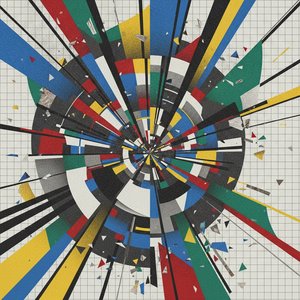
Beyond the Lines: The High-Impact Trend Forecast of Geometric Abstraction
Discover the high-impact world of Geometric Abstraction. From Cubist roots to modern urban trends, explore how bold shapes and colors redefine contemporary design. Elevate your space with expert art insights and custom-made abstract masterpieces.

Neo-Abstract Art: The High-Impact Evolution of Modern Visual Energy and Geometric Sophistication
Discover the power of Neo-Abstract art. Explore how bold geometric forms and high-impact visual energy are redefining modern design. Learn to curate sophisticated, high-energy spaces with the latest trends in contemporary abstraction and structural color.
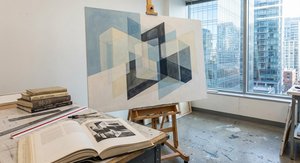
Beyond Form & Color: Geometric Abstraction's Enduring Legacy in Art History
Explore the captivating world of geometric abstraction! Discover its origins, key artists like Malevich & Mondrian, and why this movement remains highly valued by art collectors today. Expert insights at OriginalUniqueArt.
