
 წინასწარი ნახვა
 გაგზავნა
 გაზიარება
 დეტალები
 გზამკვლევი

 ჩამოტვირთვა
 მსგავსები
 რენტგენოგრაფიული კვლევა
 სლაიდშოუ
 კითხვა-პასუხი
 სტატისტიკა
Body

- 250.0 x 850.0 cm


 გააგრძელეთ კითხვა
ამ გვერდზე წარმოდგენილი ნამუშევარი დაცულია საავტორო უფლების შესახებ კანონმდებლობით, რაც იმას ნიშნავს, რომ ჩვენ არ გვაქვს მისი იდენტური რეპროდუქციის შექმნის ან გაყიდვის სამართლებრივი უფლება. აღნიშნული დაცვა უზრუნველყოფილია ისეთი საერთაშორისო შეთანხმებებით, როგორიცაა ბერნის კონვენცია და ეროვნული კანონმდებლობით, მათ შორის იმ კანონებით, რომლებიც დეტალურად არის გაწერილი აშშ-ის საავტორო უფლების შესახებ კანონი - თავი 17.
ეს მეთოდი სრულად შეესაბამება საავტორო უფლებების რეგულაციებს, რადგან ის არ გულისხმობს დაცული ნამუშევრის კოპირებას ან დუბლირებას. ამგვარად, ეს წარმოადგენს შემოქმედებით რეინტერპრეტაციას — ახალ ნახატს, რომელიც შთაგონებითაა განპირობებული ორიგინალით, თუმცა არ არის მის იდენტურ ასლს.
გიკლე / ხელოვნების პრინტი
მუზეუმის დონის ჟიკლე ან ტილოზე ბეჭდვა სწრაფი წარმოებისა და დასრულების მოქნილი ვარიანტებით. ( შეიძინეთ ხელით შესრულებული ნახატი გადართვა ციფრულ გამოსახულებაზე)




P118B ₾10

P118H ₾10

P118W ₾10

P438Z ₾10

P508JH ₾12

P508YH ₾12

P805H ₾10

P805Z ₾10

P919BZ ₾10

P919G ₾10

P919XJ ₾10

P959ZH ₾10

P968JZ ₾12

W106C ₾8

W218G ₾10

W218JH ₾8

W218Y ₾10

W307PJ ₾10

W316G ₾10

W316PJ ₾8

W316Y ₾10

W398PJ ₾8

W4111J ₾10

W500HY ₾15

W500JH ₾15

W692G ₾12

W849H ₾8

W940BG ₾15

W953PJ ₾8




აირჩიეთ ჩვენს მიერ წინასწარ განსაზღვრული ზომებიდან, რომლებიც ნაწარმოების ორიგინალურ პროპორციებს შეესაბამება.

შეიყვანეთ თქვენთვის საჭირო სიგანე და სიმაღლე, რათა გამოსახულებამ თქვენს ჩარჩოს ან კედელს ზუსტად მოერგოს. ბეჭდვისას შესაძლებელია მხოლოდ მისი შემცირება და არა გაზრდა, ამიტომ სხვა ფორმის ზომის შემთხვევაში სურათი ნაწილობრივ იკარგება. სანამ რაიმეს დაბეჭდავთ, ჩვენ გამოგიგზავნით ციფრულ მაკეტს დასდასტურებლად. ამ გვერდზე ნაჩვენები სურათი არ ასახავს რეალურ ჭრას — ამას მხოლოდ მაკეტი გვიჩვენებს.
მიწოდება მთელ მსოფლიოში () 2 კვირაში, სტანდარტული 4/5 კვირის ნაცვლად. (8 ნოემბერი)

უფასო ექსპრეს მიწოდება მთელ მსოფლიოში

მაღალი ხარისხის ტილოს ქსოვილი

ტრანსპორტირების სრული დაზღვევა

საბაჟო გადასახადების დაბრუნების გარანტია

ფერების სრული შესაბამისობის გარანტია

დაბრუნების 100-დღიანი პოლიტიკა (მხოლოდ დეფექტის შემთხვევაში)

100% თანხის სრული დაბრუნების გარანტია

ფასდაკლება დიდი რაოდენობით შეკვეთისას
 მინის ჩარჩოს არჩევანი შესაძლებელია მხოლოდ 110 სმ-მდე ზომისთვის

Body
გიკლე / ხელოვნების პრინტი
რეპროდუქციის ზომა
-


საბოლოო ღირებულება
₾ 211
The Poetry of Industrial Form
In the monumental work Body, Jean-Luc Moulène invites us to reconsider the very fabric of our urban existence. At first glance, one might perceive only the remnants of industrial production, yet beneath the surface lies a profound meditation on the automobile as a sculptural entity. Created in 2011, this expansive piece serves as a tribute to the often-overlooked silhouettes that populate our streets. Moulène masterfully captures the essence of the machine, treating the car not merely as a tool for mobility, but as a deliberate composition of curves, contours, and surfaces designed to evoke both reassurance and sensuality. The work functions as a bridge between the mechanical and the organic, where the rigid logic of the Renault Factory meets the fluid grace of artistic expression.
The sheer scale of the piece, measuring an impressive 25 enough by 850 cm, commands the space it inhabits, making it an unparalleled centerpiece for any sophisticated interior. The composition is a rhythmic dance of geometry and color; the object is meticulously comprised of twelve distinct sections, born from eleven randomly shaped cuts that disrupt the predictability of the form. This fragmentation allows the viewer to experience movement even in stillness. As the eye travels across the surface, it encounters gradations of the three primary colors—red, yellow, and blue—which gradually dissolve into a pristine white. This technique creates a luminous effect, where the vibrant pigments seem to breathe and pulse against the neutral void, sublimating the concept of motion into something visible and eternal.
A Symphony of Color and Structure
Technically, Body is a triumph of color theory and structural complexity. The artist utilizes the primary palette to ground the work in the fundamental building blocks of visual language, yet he avoids the rigidity often associated with such a scheme. Instead, through delicate transitions and fading tones, he achieves a sense of atmospheric depth. This interplay of light and pigment mimics the way sunlight hits a polished car chassis, reflecting the surrounding environment and blurring the lines between the object and its landscape. For the collector or interior designer, this piece offers a dynamic energy that can transform a room, providing a focal point that is simultaneously intellectually stimulating and aesthetically harmonious.
Beyond its visual splendor, the work carries a deep symbolic weight regarding our relationship with technology and progress. By exaggerating the proportions of these industrial forms, Moulène elevates the mundane to the level of high art. He challenges us to find beauty in the systematic and the manufactured, suggesting that even within the structured world of industrial design, there is room for the sublime. To possess a reproduction of Body is to bring into one's home a celebration of modern movement—a piece that captures the fleeting moment of transit and freezes it into a permanent, breathtaking monument of color and form.
კითხვები და პასუხები
რამდენად ჰარმონიულია Jean-Luc Moulène-ის „Body“-ის ფერების შეხამება?
Jean-Luc Moulène-ის „Body“-ის ფერებში ვლინდება Discordant Palette ჰარმონია. ჰარმონია აღწერს, თუ რა ურთიერთკავშირშია ფერები ერთმანეთთან.
რომელ სტილს მიეკუთვნება "Body"?
Jean-Luc Moulène-ის „Body“-თან დაკავშირებული ხელოვნების მიმდინარეობა არის Contemporary Art. ეს კლასიფიკაცია ნამუშევარს მსგავს ხელოვანთა და ქსნეულობათა წრეში ათავსებს.
რამდენი წლის იყო Jean-Luc Moulène, როდესაც „Body“ შეიქმნა?
როდესაც 2011 წელს შექმნა „Body“, Jean-Luc Moulène — რომელიც 1955-ში დაიბადა — 56 წლის იყო.
მხატვრის ბიოგრაფია
The Disjunction of Form and Reality
Jean-Luc Moulène, born in Reims, France, stands as a profound figure in contemporary art, navigating the complex intersections between systems, orders, and the tangible world. His practice is not merely an exploration of medium but a deep investigation into the very fabric of our existence, examining how technology, labor, and material culture shape our perception. Moving fluidly between photography, drawing, and sculpture, Moulène approaches his work through the lens of disjunction—a principle of discrepancy that allows him to uncover new dialectical knowledge by finding the gaps between what is seen and what is known.
His artistic journey began in earnest in 1972 at the Académie des Beaux-Arts in Versailles. It was here that he formed vital connections with influential figures like Michel Journiac, who introduced him to the radical energy of the Art Corporel movement. This early exposure to artists such as Gina Pane and Hermann Nitsch undoubtedly informed his later interest in the relationship between the organic and the mechanical. After refining his academic foundation at the Université Paris 1 Panthéon-Sorbonne, Moulène began to develop a voice that resists easy categorization, opting instead for a role he describes as a technicien libertaire—one who treats life itself as a technique to transform perception into an aesthetic end.
A Symphony of Industrial and Organic Elements
Moulène’s oeuvre is characterized by a relentless interrogation of the object. Whether he is working with the photographic documentation of urban scenes or the physical presence of sculptural forms, his work seeks to bridge the gap between the manufactured and the found. In his celebrated series Disjonctions, he utilized photography to capture seemingly banal street scenes that function as indeterminate topographical references, stripping away identity to reveal a raw, uncompromising reality. This investigative spirit extended into works like Objets de grève, where industrial artifacts were reimagined through the lens of labor and social space.
In recent years, his practice has seen a significant shift toward large-scale sculptural objects that eschew traditional notions of sculpture in favor of exploring the concept of the "image and object" as transformed entities. A notable example is his monumental work Body, created in 2011, which serves as a poetic meditation on industrial form. In this piece, the automobile is treated not as a mere tool for mobility but as a sculptural entity composed of curves and contours. Through a rhythmic dance of geometry and color—utilizing primary tones that dissolve into white—Moulène captures the essence of the machine, creating a bridge where the rigid logic of industrial production meets the fluid grace of artistic expression.
Legacy and Artistic Significance
The historical significance of Jean-Luc Moulène lies in his refusal to adhere to pre-prescribed theoretical frameworks or the rigid canons of contemporary art history. Instead, he pursues an integrative project that links art back to fundamental modes of thought, focusing on processes of production, repetition, and accumulation. His work challenges the viewer to reconsider the functions of transformation: what makes an ordinary object extraordinary, and what orders organize our perception of the world?
Throughout his career, his presence in the international art scene has been marked by significant exhibitions that highlight his multifaceted approach:
- When Forms Come Alive, Hayward Gallery, London
- Jean-Luc Moulène and Teams, Museum of Old and New Art (MONA), Tasmania
- Técnico Libertário, Casa São Roque – Centro de Arte, Portugal
- More or Less Bone, SculptureCenter, New York
By maintaining a parallel exploration of both the manufactured and the organic, Moulène continues to push the boundaries of how we interpret the intersection of advanced technology and contemporary material culture, ensuring his place as a vital voice in the dialogue of modern visual language.

Jean-Luc Moulène
1955 - , France
მოკლე ინფორმაცია
- Artistic Movement Or Style: Contemporary art
- Artists Who Influenced This Artist:
- Michel Journiac
- Gina Pane
- Hermann Nitsch
- Full Name: Jean-Luc Moulène
- Nationality: French
- Notable Artworks:
- Body
- Disjonctions
- Objets de grève
- Place Of Birth: Reims, France
- Date Of Birth: 1955
დაკავშირებული სტატიები

The Allure of Azure: Exploring the Symbolic & Aesthetic Depths of Blue in Art History
Explore the rich history of blue in art! Discover its symbolism, from ancient pigments to modern masterpieces by Kandinsky & Seurat. Uncover the psychological impact and cultural meanings behind this captivating hue.

Crimson Threads of Narrative: Exploring Symbolism & Representation in Artworks Featuring the Red Dress
Explore the rich symbolism of the red dress in art history! From ancient power displays to iconic portraits like Cézanne’s 'Madame Cezanne', discover the cultural and artistic significance behind this captivating color. Expert analysis & insights.
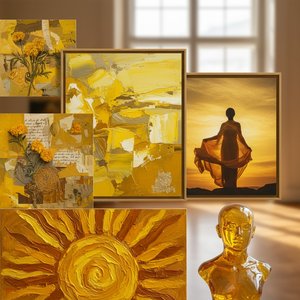
The Golden Hue: Exploring Symbolism & Emotion in Yellow Art
Explore the rich symbolism & emotional power of yellow in art history! From Van Gogh to Kandinsky, discover how artists used this vibrant hue. Expert analysis & high-quality reproductions at OriginalUniqueArt.

Slate Blue Masterpieces: 10 Iconic Paintings & Timeless Home Decor Ideas
Immerse yourself in the captivating world of slate blue! Explore 10 iconic paintings by Monet, Van Gogh & Renoir. Discover their stories, techniques & find museum-quality art reproductions for your home at .
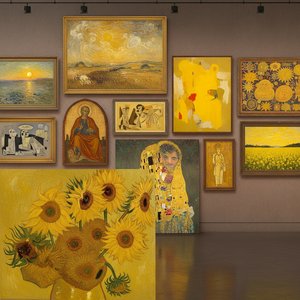
Golden Hues: 10 Masterpieces Dominated by Chrome Yellow | OriginalUniqueArt
Immerse yourself in golden light! Explore 10 famous paintings dominated by 'Chrome Yellow', from Van Gogh’s Sunflowers to Monet's Haystacks. Discover the stories behind these iconic Impressionist & Post-Impressionist masterpieces and find museum-quality art reproductions at OriginalUniqueArt.com.