

 ნახვა ინტერьерში
 გაგზავნა
 გაზიარება
 დეტალები
 გზამკვლევი

 ჩამოტვირთვა
 მსგავსები
 რენტგენოგრაფიული კვლევა
 სლაიდშოუ
 Q&A
Q&A სტატისტიკა
Scène de grève


 სრული ტექსტის ნახვა
გიკლე / ხელოვნების პრინტი
მუზეუმის დონის ჟიკლე ან ტილოზე ბეჭდვა სწრაფი წარმოებისა და დასრულების მოქნილი ვარიანტებით. ( შეიძინეთ ხელით შესრულებული ნახატი გადასვლა ციფრულ გამოსახულებაზე)




P118B ₾10

P118H ₾10

P118W ₾10

P438Z ₾10

P508JH ₾12

P508YH ₾12

P805H ₾10

P805Z ₾10

P919BZ ₾10

P919G ₾10

P919XJ ₾10

P959ZH ₾10

P968JZ ₾12

W106C ₾8

W218G ₾10

W218JH ₾8

W218Y ₾10

W307PJ ₾10

W316G ₾10

W316PJ ₾8

W316Y ₾10

W398PJ ₾8

W4111J ₾10

W500HY ₾15

W500JH ₾15

W692G ₾12

W849H ₾8

W940BG ₾15

W953PJ ₾8




აირჩიეთ ჩვენს მიერ წინასწარ განსაზღვრული ზომებიდან, რომლებიც ნაწარმოების ორიგინალურ პროპორციებს შეესაბამება.

შეიყვანეთ თქვენთვის საჭირო სიგანე და სიმაღლე, რათა იგი მოერგოს თქვენს ჩარჩოს ან კედელს. ბეჭდვისას შესაძლებელია მხოლოდ მისი შემცირება და არა გაზრდა, ამიტომ სხვა ფორმის ზომის შემთხვევაში გამოსახულება ნაწილობრივ იკარგება. სანამ რაიმეს დაბეჭდავთ, ჩვენ გამოგიგზავნით ციფრულ მაკეტს დასდასტურებლად. ამ გვერდზე ნაჩვენები სურათი არ ასახავს რეალურ ჭრას — ამას მხოლოდ მაკეტი გვიჩვენებს.
მიწოდება მთელ მსოფლიოში () 2 კვირაში, სტანდარტული 4/5 კვირის ნაცვლად. (28 ოქტომბერი)

უფასო ექსპრეს მიწოდება მთელ მსოფლიოში

მაღალი ხარისხის ტილო

ტრანსპორტირების სრული დაზღვევა

საბაჟო გადასახადების დაბრუნების გარანტია

ფერების სრული შესაბამისობის გარანტია

დაბრუნების 100-დღიანი პერიოდი (მხოლოდ წარმოების დეფექტის შემთხვევაში)

100% თანხის სრული დაბრუნების გარანტია

ფასდაკლება დიდი რაოდენობით შეკვეთისას
 მინის ჩარჩოს არჩევანი ხელმისაწვდომია მხოლოდ 110 სმ-მდე ზომისთვის

Scène de grève
გიკლე / ხელოვნების პრინტი
რეპროდუქციის ზომა
-


ჯამური ღირებულება
₾ 208
A Symphony of Despair: The Visceral World of Jean Louis Forain
In the hauntingly evocative Scène de Grève, completed in 1897, Jean Louis Forain invites the viewer into a realm where the boundaries between social reality and emotional expressionism blur. This is not merely a painting; it is a visceral testament to human suffering and the heavy toll of upheaval. At first glance, the canvas presents a landscape of profound devastation, yet as one lingers before its textured surface, a deeper, more complex narrative begins to unfold. Forain, a master who transitioned from the sharp wit of a Parisian caricaturist to the profound depths of Impressionism and Social Realism, utilizes this piece to capture a moment of overwhelming loss that feels both historically grounded and timelessly tragic.
The composition is a masterclass in controlled chaos. Forain employs a deliberately flattened perspective, a technique that strips away the comfort of depth and replaces it with an inescapable sense of claustrophness. The viewer’s eye is immediately drawn to a solitary figure positioned centrally in the foreground—a sentinel of sorrow dressed in dark, somber tones. This individual appears to be engaged in a grim task, perhaps using a surveying tool to assess the wreckage of what has been lost. Behind this lone observer, the background erupts into a sprawling, amorphous mass of bodies, creating a stark contrast between individual isolation and the collective tragedy of the crowd. The horizontal, gestural lines that dominate the scene mirror the relentless, crushing weight of destruction, pulling the viewer into the very heart of the gloom.
Technique and the Texture of Tragedy
To behold Scène de Grève is to experience the raw power of oil on canvas. Forain’s technique is characterized by an intense use of impasto, where paint is applied in thick, palpable layers that lend a three-dimensional urgency to the subject matter. The visible, energetic brushstrokes do not merely depict form; they convey the very agitation and grief inherent in the scene. This tactile quality allows light to catch the ridges of the pigment, creating subtle variations in shadow that deepen the atmospheric dread. The color palette is intentionally restrained, relying on a somber arrangement of browns, grays, and ochres. These muted tones work in harmony to reinforce the pervasive sense of decay and the bleakness of an era marked by industrial struggle and social unrest.
Beyond the physical application of paint, the symbolism within the work speaks to the intersection of humanity and industry. The distant, looming factory chimneys serve as a grim reminder of the industrial age's potential for both progress and devastation. For collectors and enthusiasts of fine art, this piece offers more than just aesthetic beauty; it provides a profound meditation on resilience amidst ruin. The way the light is diffused and unevenly cast across the fallen figures heightens the sense of an uncertain future, making the artwork a powerful centerpiece for any collection that values emotional depth and historical gravity. For interior designers, such a piece serves as a sophisticated anchor in a room, demanding contemplation and providing a window into the soul of late 19th-century French expression.
კითხვები და პასუხები
რა ტექნიკა გამოიყენეს "Scène de grève"-ის შესაქმნელად და როდის შეიქმნა იგი?
"Scène de grève" შეიქმნა 1897 წელს, Oil On Canvas-ით.
რისთვის არის რეკომენდებული ჟან-ლუი ფორეინი-ის „Scène de grève“-ის რეპროდუქცია?
ჟან-ლუი ფორეინი-ის „Scène de grève“-ის რეპროდუქცია რეკომენდებულია Mood-ისთვის. ეს შეკვეთა ეფუძნება ნამუშევრის შინაარსს, განწყობასა და ფერებს.
შესაძლებელია თუ არა დამატებული რეალობის (AR) გამოყენება იმისათვის, რომ ჟან-ლუი ფორეინი-ის „Scène de grève“ ჩემს ოთახში ვნახო?
„Scène de grève“-ს აქვს augmented reality (AR) წინასწარი ნახვის ფუნქცია: ნამუშევრის AR წინასწარი ნახვა გვერდი მას თქვენს საკუთარ სივრცეში, თავსებად მოწყობილობაზე აჩვენებს.
მხატვრის ბიოგრაფია
ადრეული ცხოვრება და მხატვრული დასაწყისი
- დაბადება: რემსი, საფრანგეთი (1852)
- გავარდაცვლა: 1931
- ჟან-ლუი ფორეინის მხატვრულ გზა დაიწყო რემსში, საფრანგეთში, 1852 წლის 23 ოქტომბერს. მისი ოჯახი პარიზში გადა移და, როდესაც ის რვა წლის გახდა, რაც გადამწყვეტი ნაბიჯი აღმოჩნდა მის მომავალ კარიერაზე.
- მისი მამა, ორნამენტული ნიშნების მხატვარი, უზრუნველყოფდა საწყის მხარდაჭერას და ხელოვნებასთან კონტაქტს.
- ფორეინმა დაიწყო კარიკატურისტირად ყოფნა, პარიზის ჟურნალებში, როგორიცაა Le Monde Parisien და Le Rire Satirique, სატირული ნახატების გამოქვეყნებით. ამან გაამ鋭ვა მისი დაკვირვების უნარები და იუმორი.
- შემდეგ კი ოფიციალური ტრენინგი მიიღო ბეოხარტეს აკადემიაში ჟან-ლეონ გერომესა და ჟან-ბაპტიSTE კარპოუს ხელმძღვანელობით.
იმპრესიონისტული გავლენა და მხატვრული განვითარება
- ფორეინი ჩაერთო იმპრესიონისტულ მოძრაობაში და მონაწილეობა მიიღო რამდენიმე გამოფენაში 1879-დან 1884 წლამდე.
- ის იყო გავლენის ქვეშ ძირითად იმპრესიონისტურ პრინციპებზე: წარმავალი მომენტების, შუქის ეფექტებისა და ყოველდღიური ცხოვრების სცენების დაფიქსირება.
- განსხვავებით ზოგიერთი თანამედროვისგან, რომელები ლანდშაფტებზე იყო ფოკუსირებული, ფორეინმა თავისი ნამუშევრები პარიზის პოპულარული გასართობებისკენ მიმართა – ხალხმრავალი კაფეები, რეტროტრეკიები და ბალე.
- მისი სტილი განვითარდა მოშვებული ფუნჯით, თამამი ფერებით და ქალაქის ატმოსფეროზე მდიდარი თვალით.
შენიშნული ნამუშევრები და მხატვრული სტილი
- ფორეინმა მუშაობდა ზეთოვან, აკვარელულ, პასტელურ, ეჩინგებისა და ლიტოგრაფიებზე.
- „On the Verses of Verlaine, A Rogue Takes a Stroll in the Country“ მაგალითად ასახავს მის უნარს ფრანგული ცხოვრების დეტალებით აღბეჭდვაში.
- მისი აკვარელები ცნობილია მდიდარი ფერებისა და ატმოსფეროთი.
- ფორეინის სტილი იყო კარიკატურისა და იმპრესიონიზმის შერწყმა, რამაც შექმნა იუმორისტული და ღრმად გააზრებული ნამუშევრები.
- მას გამოუცდელობა ჰქონდა ადამიანური ფიგურების გამოსახვაში, ხშირად კი მემorable პერსონაჟებისთვის ნაკვეთების გადაჭარბებით.
- პარიზის ღამის ცხოვრების, ოპერო khánეთებისა და რასის მონაწილეების მისი აღწერები გვთავაზობს ფრანგული საზოგადოების ბოლოს XIX საუკუნის ფანჯარას.
შემდგომი ცხოვრება და მემკვიდრეობა
- პირველი მსოფლიო ომის დროს, ფორეინმა შეიტანა პატრიოტული ილუსტრაციები. ის თუნდაც კამუფლაჟის განყოფილებაში ჩაერთო.
- თავისი მოგვიანებულ წლებში, მან აღწერა სამართლის სასამართლოებისა და პარიზის ინსტიტუტების სცენები.
- მისი მიღება მოხდა ლონდონის სამეფო ხელოვნების აკადემიაში წევრირად.
- ჟან-ლუი ფორეინი გარდაიცვალა 1931 წლის 11 ივლისს, რleaving behind მნიშვნელოვანი ნამუშევრების კრებული, რომელიც აღფრთოვანებულია თავისი იუმორით, დაკვირვებით და პარიზის ცხოვრების გამოსახვით.
კოლექციები და შემდგომი გამოკვლევა
- Musée Maurice Denis (საფრანგეთი)
- Musée National Jean-Jacques Henner (პარიზი, საფრანგეთი)
- გაეცანით მეტ ნამუშევარს: Jean Louis Forain | 121 Artworks
- შეკვეთეთ ნახატების რეპროდუქციები: Order Paintings Reproductions of Jean Louis Forain

ჟან-ლუი ფორეინი
1852 - 1931 , ფრანგეთი
მოკლე ფაქტები
- Artistic Movement Or Style: იმпрессиონიზმი
- Artists Or Movements Influenced By This Artist: ['ენრი დე ტულუზ-ლუტრეკი']
- Artists Who Influenced This Artist:
- ჟან-ლეონ გერომე
- ჟან-ბატიست კარპო
- ედგარ დეგა
- Honoré Daumier
- Date Of Birth: 1852 წლის 23 ოქტომბერი
- Date Of Death: 1931 წლის 11 ივლისი
- Full Name: ჟან-ლუი ფორეინი
- Nationality: ფრანგული
- Notable Artworks:
- ვერლენის ლექსებზე
- რესპუბლიკა ბანჩზე
- Place Of Birth: რიმსი, საფრანგეთი
მსგავსი სტატიები

The Soul of Impressionism: Why Oil on Canvas Captures Eternal Light and Timeless Emotion
Discover the enchanting alchemy of Impressionism. Explore how the mastery of oil on canvas, through glazing and impasto, captures eternal light and emotion. Perfect for lovers of Monet and Van Gogh seeking the profound depth of hand-painted fine art.

პოლ სეზანის 25 შედევრი: ხელოვნების ისტორიაში გამორჩეული ნაწარმოებები | OriginalUniqueArt.com
აღმოაჩინეთ პოლ სეზანის 25 გამორჩეული შედევრი! იმპრესიონიზმი, პოსტიმპრესიონიზმი და კუბიზმის წინასწარმეტყველი. ნახატების ისტორია, ტექნიკა და შთაგონება OriginalUniqueArt.com-ზე. 🖼️ ხელოვნების ბეჭვრა მუზეუმის ხარისხით.

Romantic Realism's Finest: 10 Masterpieces for Your Home | OriginalUniqueArt
Explore 10 defining masterpieces of Romantic Realism! Discover Courbet, Millet & Daumier's powerful paintings—capturing emotion and social realities. Find museum-quality reproductions for your home at OriginalUniqueArt.com.
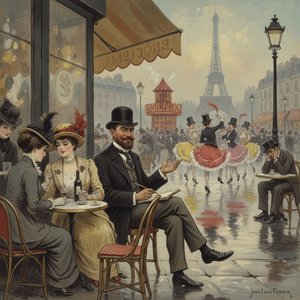
Jean-Louis Forain: Capturing Parisian Life with Wit & Realism
Explore the captivating world of Jean-Louis Forain, a master Impressionist chronicler of Belle Époque Paris. Discover his satirical paintings, realistic scenes & lasting legacy. Learn about collecting Forain's art today!

The Enduring Legacy of Oil on Canvas: Technique, History & Aesthetic Impact
Explore the rich history & techniques of oil painting – from Renaissance masters to Impressionism. Discover pigments, layering methods, and why this timeless medium endures. Expert insights for artists & art enthusiasts.