

 ნახვა ინტერьерში
 გაგზავნა
 გაზიარება
 დეტალები
 გზამკვლევი

 ჩამოტვირთვა
 მსგავსები
 რენტგენოგრაფიული კვლევა
 სლაიდშოუ
 სტატისტიკა
Circus Maximus


 სრული ტექსტის ნახვა
ხელით შესრულებული ზეთის საღებავით რეპროდუქცია
ტილოზე შესრულებული ფერწერიანი ზეთប្រდათი, თქვენთვის სასურველი ზომისა და ჩარჩოსთვის, ჩვენი ხელოვანების მიერ შეკვეთის საფუძველზე დამზადებული. ( გადართვა ბეჭდვის რეჟიმზე გადასვლა ციფრულ გამოსახულებაზე)




P118B ₾10

P118H ₾10

P118W ₾10

P438Z ₾10

P508JH ₾12

P508YH ₾12

P805H ₾10

P805Z ₾10

P919BZ ₾10

P919G ₾10

P919XJ ₾10

P959ZH ₾10

P968JZ ₾12

W106C ₾8

W218G ₾10

W218JH ₾8

W218Y ₾10

W307PJ ₾10

W316G ₾10

W316PJ ₾8

W316Y ₾10

W398PJ ₾8

W4111J ₾10

W500HY ₾15

W500JH ₾15

W692G ₾12

W849H ₾8

W940BG ₾15

W953PJ ₾8




აირჩიეთ ჩვენს მიერ წინასწარ განსაზღვრული ზომებიდან, რომლებიც ნაწარმოების ორიგინალურ პროპორციებს შეესაბამება.

შეიყვანეთ თქვენთვის საჭირო სიგანე და სიმაღლე, რათა ნახატი მოერგოს თქვენს ჩარჩოს ან კედელს. ვინაიდან ეს ნამუშევარი ხელით არის შესრულებული, სხვა ფორმის ზომის შემთხვევაში, მხატვარმა შესაძლოა სურათის გარშემო ოდნავ მეტი დატოვოს ან შეამციროს — არჩევანი თქვენზეა. დაწყებამდე, დასამტკიცებლად, ჩვენ გამოგიგზავნით ციფრულ მაკეტს. ამ გვერდზე ნაჩვენები სურათი არ ასახავს რეალურ შედეგს — რეალური სახე მხოლოდ მაკეტზე ჩანს.
შეკვეთის შემდეგ, OriginalUniqueArt.com გუნდი დაგიკავშირდებათ ელექტრონული ფოსტით ინსტრუქციებისთვის და გამოგიგზავნით წინასწარ ნახაზს (mockup).
მიწოდება მსოფლიო მასშტაბით -ში 3/4 კვირაში, სტანდარტული 5 კვირის ნაცვლად. (22 ოქტომბერი). ხარისხზე კომპრომისის გაკეთება არ მოხდება.

უფასო ექსპრეს მიწოდება მთელ მსოფლიოში

მაღალი ხარისხის ტილო

ტრანსპორტირების სრული დაზღვევა

საბაჟო გადასახადების დაბრუნების გარანტია

ფერების სრული შესაბამისობის გარანტია

დაბრუნების 100-დღიანი პერიოდი (მხოლოდ წარმოების დეფექტის შემთხვევაში)

100% თანხის სრული დაბრუნების გარანტია

ფასდაკლება დიდი რაოდენობით შეკვეთისას
 მინის ჩარჩოს არჩევანი ხელმისაწვდომია მხოლოდ 110 სმ-მდე ზომისთვის

Circus Maximus
რეპროდუქციის ტექნიკა
რეპროდუქციის ზომა
-


ჯამური ღირებულება
₾ 847
Jean-Léon Gérôme’s “Circus Maximus”: A Spectacle of Power and Mortality
Jean-Léon Gérôme's "Circus Maximus," painted in 1876, isn’t merely a depiction of a Roman chariot race; it’s a meticulously crafted tableau vivant—a frozen moment brimming with the drama, spectacle, and underlying brutality of ancient Rome. This monumental oil painting transports the viewer directly into the heart of the Circus Maximus, offering an immersive experience that speaks volumes about power dynamics, social hierarchy, and the fleeting nature of life itself. Gérôme, a master of historical narrative, expertly blends meticulous realism with theatrical composition to create a scene both captivating and unsettling.
The painting’s subject matter—the chariot race—was a cornerstone of Roman entertainment, a carefully orchestrated display designed to appease the populace and reinforce imperial authority. However, Gérôme doesn't simply present a sporting event; he elevates it into a symbolic representation of Rome’s vast dominion. The sheer scale of the stadium, rendered with astonishing detail, emphasizes the empire’s reach and its capacity for immense public gatherings. The towering tiers of spectators, meticulously depicted in varying social strata – senators in their togas, wealthy merchants, and common citizens – underscore the rigid social structure that governed Roman society. Notice how Gérôme subtly uses color and shading to differentiate these groups, reinforcing their distinct positions within the hierarchy.
A Study in Realism and Academic Technique
Gérôme’s artistic approach is firmly rooted in the academic tradition of 19th-century French painting. He was a student of Paul Delaroche, known for his grand historical scenes, and this influence is evident in Gérôme's painstaking attention to detail and his commitment to accurately representing Roman architecture, clothing, and weaponry. The artist’s technique is characterized by smooth brushstrokes, carefully blended colors, and an almost photographic realism—a hallmark of the academic style. He employed a layering technique, building up textures through multiple thin applications of paint, creating a sense of depth and materiality that draws the viewer into the scene.
The use of light is particularly noteworthy. Gérôme masterfully employs chiaroscuro – the dramatic contrast between light and shadow – to heighten the sense of movement and excitement. The bright sunlight illuminating the racing chariots and the dust kicked up by their wheels sharply contrasts with the darker recesses of the stadium, creating a dynamic visual effect that captures the energy of the race. The artist’s ability to render the textures of the horses' coats, the polished metal of the chariots, and the rough stone of the stadium walls demonstrates his exceptional technical skill.
Symbolism and the Shadow of Mortality
Beyond its visual spectacle, “Circus Maximus” is laden with symbolic meaning. The painting subtly hints at the darker side of Roman entertainment—the casual acceptance of violence and death as part of the spectacle. The defeated charioteer, lying prone in the dust, represents the fragility of human life and the ultimate fate that awaits all participants in this brutal contest. The gesture of the spectators – a thumbs-down directed towards the fallen racer – is particularly poignant. This “pollice verso,” or turned thumb, was a signal of death, highlighting the precariousness of victory and the inevitability of mortality.
Furthermore, the inclusion of figures like the Vestal Virgins, meticulously depicted in their white robes, adds another layer of symbolism. These priestesses, dedicated to the service of Vesta – the goddess of hearth and home – represent the moral authority of Rome. Their disapproval of the violence underscores the tension between public entertainment and traditional Roman values. The painting, therefore, becomes a meditation on the complexities of power, spectacle, and the enduring human fascination with both life and death.
A Legacy in Reproduction and Artistic Influence
“Circus Maximus” achieved immediate success upon its exhibition and became one of Gérôme’s most celebrated works. Its popularity led to numerous reproductions, making it a familiar image throughout Europe and America. The painting's influence can be seen in the work of later artists, including Sargent and Cassatt, who were inspired by Gérôme’s dramatic compositions and his ability to capture the essence of historical scenes. Today, “Circus Maximus” remains a powerful testament to Gérôme’s artistic skill and his enduring fascination with the grandeur and brutality of ancient Rome—a captivating image that continues to resonate with viewers centuries after its creation.
კითხვები და პასუხები
როგორ შეიძლება ჟან-ლეონ ჟერომი-ის „Circus Maximus“ გამოყენებული იქნას სახლის დეკორში?
ჟან-ლეონ ჟერომი-ის „Circus Maximus“ რეკომენდებულია Statement-ისთვის, იდეალურ შემთხვევაში კი Living Room-ში დასამონტაჟებლად. გამოყენების დანიშნულება და სივრცე ერთობლივად განსაზღვრავს, თუ სად მოუხდება რეკრედუქცია საუკეთესოდ განთავსებას.
რამდენად მკვეთრი კონტრასტია ჟან-ლეონ ჟერომი-ის „Circus Maximus“-ში?
ჟან-ლეონ ჟერომი-ის „Circus Maximus“-ში დანახულია Statement კონტრასტი ღია და მუქ ფერებს შორის.
რომელი ფერია ყველაზე თვალსაჩინო „Circus Maximus“-ში?
ნამუშევარში "Circus Maximus" ყველაზე თვალსაჩინო ფერია White (#e7f1f4). დომინანტური ფერის ცოდნა სასარგებლოა ნამუშევრის ინტერიერთან შესაბამისობისთვის.
მხატვრის ბიოგრაფია
ჟან-ლეონ ჟერომის სამაგალითო სიუჟეტები: ცხოვრება და ხელოვნება
ჟან-ლეონ ჟერომი, მეცხრამეტე საუკუნის საფრანგეთის აკადემიური живописи სინონიმი, მხოლოდ უნარიანი მხატვარი არ იყო; ის მოყოველმაღებელი ოსტატი იყო, რომელმაც თავისი მომაჯადოვებელი და დეტალური სცენებით საზოგადოება გაიტაცა. 1824 წელს ვესულში დაბადებული ჟერომის სამხატვრო მოგზაურობა დაიწყო ადგილობრივი მხატვრის, კლოდ-ბაზილ კარიაგეს ხელმძღვანელობით, რაც საფუძველი გახდა მისი კარიერისთვის, რომელმაც მას იმ დროის ყველაზე სახელოვანი მხატვარი აქცია. თექვსმეტი წლის ასაკში იგი პარიზში გადავიდა და თავდაპირველად პოლ დელაროშის ხელქვემდგომობაში შევიდა, ისტორიული живописи ოსტატი, ხოლო მოგვიანებით École des Beaux-Arts-ში სწავლობდა, ითვისებდა კლასიკური მომზადების პრინციპებს. თუმცა, ჟერომი მალევე გამოირჩა არა ყრუ მიბაძვით, არამედ დაწვრილი რეალიზმისა და დრამატული სიუჟეტის ინოვაციური შერწყმით - კომბინაციით, რომელმაც მისი უნიკალური სტილი განსაზღვრა. 1847 წელს *მამკაკაცთა 싸움ის* წარმატებამ მას დიდებას მიიყვანა და Neo-Grec მოძრაობის ერთ-ერთ ლიდერად აქცია, რომელიც კლასიკური თემების აღორძინებას ახალი არქეოლოგიური დეტალებით ეწინააღმდეგებოდა.ისტორიული სიდიდიდან ექსოტიკურ ხედვამდე
ჟერომის სამხატვრო სპექტრი საუცხოოდ იყო ფართო. მან ისტორიულ თემებს თითქმის კინემატოგრაფიული ელფერით მიმართა, შთააგონებელი უშუალობისა და ფსიქოლოგიური სიღრმის სუნთქვას აძლევდა მათ. მისმა მასშტაბურ მოხატულობამ *ავგუსტეს ხანა, ქრისტეს დაბადება*, რომელიც ნაპოლეონ III-თვის კომპლიმენტური ალეგორია იყო, მისი უნარი კომპლექსური კომპოზიციების დამუშავებას და გრანდიოზული სიუჟეტების წარმოქმნას აჩვენა. თუმცა, შესაძლოა, Orientalist живописиში ჟერომმა ნამდვილად გაიტაცა საზოგადოების წარმოსახიალი. თურქეთში, ეგვიპტეში და ჩრდილოეთ აფრიკაში მოგზაურობის შედეგად მან ჰარემების, ხალხმრავალი ბაზრებისა და უდაბნოს პეიზაჟების სცენები აღწერა ექსოტიკით, რომელმაც გაიტაცა აუდიტორია და, თანამედროვე თვალსაზრისით, ზოგჯერ პრობლემური სტერეოტიპებს წარმოქმნა. *მშობლები იკვებებენ ჩიჩქნებს ეზოში* ტილოებმა ევროპელ მაყურებლებს მისცეს შესაძლებლობა დაენახათ მர்மად გადატვირთული და გრძნობადი სამყარო. ეს ნამუშევრები მხოლოდ იმის ასლები არ იყო, რასაც ის ხედავდა; ისინი ფრთხილად აგებული ფანტაზიები იყვნენ, რომლებიც დაკვირვებას წარმოსახიალით აერთიანებდნენ, რაც მომხიბლავი ვიზუალური სიუჟეტების შექმნას უზრუნველყოფდა. მან Orient-ს არც კი დაადოკუმენტა; მან ის *შემოქმნა* დასავლეთის მოხმარებისთვის, პრაქტიკამ, რომელმაც მოგვიანებით კრიტიკა გამოიწვია, მაგრამ შეუვალივ წვლილი შეიტანა მის ფართო პოპულარობაში.პედაგოგი და გავლენიანი მასწავლებელი
საკუთარი სამხატვრო შედევრების გარდა, ჟერომმა მნიშვნელოვანი გავლენა მოახდინა École des Beaux-Arts-ში მასწავლებლად. მისმა ატელიემ მომავალი თაობის მხატვართა გამოსაშვებად გადაიქცა, იზირავდა სტუდენტებს ევროპის და ამერიკის მასშტაბიდან. მისი ყველაზე სახელოვანი მოწაფეები იყვნენ თომას ეაკინსი, ჯონ სინგერ სარჯენტი და მერი კასატი - მხატვრები, რომლებმაც საკუთარი უნიკალური გზა გაიყვანეს, მაგრამ მათი საფუძველი, რა თქმა უნდა, ჟერომის მკაცრი მომზადებით და ტექნიკური უნარის მნიშვნელობით იყო ჩამოყალიბებული. მან მათში ჩარგა ნახატების შესრულების ერთგულება, კომპოზიცია და სიცოცხლის შესწავლის მნიშვნელობა. მიუხედავად იმისა, რომ მისი კონსერვატიული სამხატვრო შეხედულებები ზოგჯერ ახალი მოძრაობებთან კონფლიქტში შედიოდა, ამერიკული ხელოვნების განვითარებაზე მისი გავლენა უაღრესად მნიშვნელოვანი იყო. მისმა სტუდენტებმა მისი პრინციპები გადაიტანეს ატლანტის ოკეანის მეორე მხარეს და აკადემიური ტრადიცია გააგრძელეს.მემკვიდრეობა და კამათი: კომპლექსური სამხატვრო მემკვიდრეობა
ჟან-ლეონ ჟერომი 1904 წელს პარიზში გარდაიცვალა, დატოვა უზარმაზესი ნამუშევრების კრებული, რომელიც დღესაც დისკუსიებსა და განხილვას იწვევს. მიუხედავად მისი ტექნიკური უნარის უდავოობისა, მისი სამხატვრო მემკვიდრეობა რთული რჩება. მისი დაწვრილი რეალიზმი, რომელიც ერთ დროს აკადემიური მიღწევების პეაკად ითვლებოდა, ზოგმა ზედმეტად შეცდომად და ზედაპირულ გამოვლინებებზე ორიენტირებულად აღიქვა. Orientalist живописи, თუმცა ვიზუალურად განსაცვიფრებელია, გაკრიტიკებულია ეგზოტიზაციისთვის და კოლონიური სტერეოტიპების გავრცელებისთვის. თუმცა, მნიშვნელოვანია ჟერომი მისი ისტორიული კონტექსტის ფარგლებში გავიგოთ. იგი თავისი დროის პროდუქტი იყო, რომელიც მეცხრამეტე საუკუნის ევროპული საზოგადოების prevailing დამოკიდებულებებსა და ინტერესებს ასახავდა. მისი ნამუშევრები ღირებულ ინფორმაციას გვთავაზობს იმ ეპოქის კულტურულ შფოთვასა და ფანტაზიებზე, თუნდაც ის ჩვენს მიგვიყვანდეს მის ძირითად პრინციპების კრიტიკულ შეფასებამდე. დღეს ჟერომის ტილოები არა მხოლოდ მათი ტექნიკური ბრწყინვალებისთვისაა აღფრთოვანებული, არამედ ისტორიის, კულტურისა და წარმოდგენის რთული საკითხების განხილვის შესაძლებლობისთვისაც.შემადგენელი მომენტები გამორჩეული კარიერაში
- 1824: დაბადებული ვესულში, საფრანგეთი.
- 1840: გადავიდა პარიზში პოლ დელაროშის ხელქვემდგომობაში შესასვლელად.
- 1847: ადრეული აღიარება მიიღო *მამკაკაცთა 싸움ით* პარიზის

ჟან-ლეონ ჟერომი
1824 - 1904 , საფრანგეთი
მოკლე ფაქტები
- Artistic Movement Or Style: აკადემიზმი, ორიენტალიზმი
- Artists Or Movements Influenced By This Artist:
- თომას ეკინსი
- ჯონ სინგერ სარგენტი
- მერი კასატი
- Artists Who Influenced This Artist: ['პოლ დელაროში']
- Date Of Birth: 1824 წლის 11 მაისი
- Date Of Death: 1904 წლის 10 იანვარი
- Full Name: ჟან-ლეონ ჟერომი
- Nationality: ფრანგი
- Notable Artworks (List Of Titles):
- მამკაცის 싸움ი
- Pollice Verso
- Snake Charmer
- Place Of Birth (City And Country): ვეზული, საფრანგეთი
მსგავსი სტატიები

Émile Jean Horace Vernet: Romantic Realism & Depicting 19th-Century Life
Explore the life & art of Émile Jean Horace Vernet, a master of Romantic Realism. Discover his captivating battle scenes, portraits, and Orientalist works – a window into 19th-century France. Learn about his techniques & enduring legacy.

The Allure of the Exotic: Orientalism in 19th-Century Art
Explore the captivating world of 19th-century Orientalist art! Discover iconic painters like Gérôme & Benjamin-Constant, key themes, and collecting insights. Expert analysis at OriginalUniqueArt.

19th Century Masterpieces: 10 Paintings That Defined an Era | OriginalUniqueArt
Journey through 19th century art with OriginalUniqueArt! Explore 10 iconic paintings – from Monet & Renoir to Courbet – and discover the stories behind Romanticism, Realism & Impressionism. Find museum-quality reproductions for your home decor. Explore the full collection online!
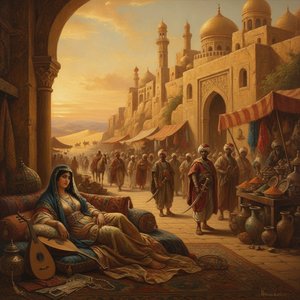
Orientalism: Exploring the Exotic Allure and Complex Legacy of 19th-Century Masterpieces
Explore the captivating world of 19th-century Orientalist painting. Discover the history, academic mastery, and complex legacy of artists like Gérôme and Lewis through our expert art history guide. Find museum-quality oil reproductions for your collection at OriginalUniqueArt.com.

Jean-Léon Gérôme: Academic Rigor & Orientalist Visions Shaping 19th-Century French Painting
Explore the captivating world of Jean-Léon Gérôme, a master of 19th-century academic painting & orientalism. Discover his historical works, artistic techniques, and lasting influence on art history.


