
 ნახვა ინტერьерში
 გაგზავნა
 გაზიარება
 დეტალები
 გზამკვლევი

 ჩამოტვირთვა
 მსგავსები
 რენტგენოგრაფიული კვლევა
 სლაიდშოუ
 Q&A
Q&A სტატისტიკა
Diane and the Stag

- 211.0 x 258.0 cm


 სრული ტექსტის ნახვა
გიკლე / ხელოვნების პრინტი
მუზეუმის დონის ჟიკლე ან ტილოზე ბეჭდვა სწრაფი წარმოებისა და დასრულების მოქნილი ვარიანტებით. ( შეიძინეთ ხელით შესრულებული ნახატი გადასვლა ციფრულ გამოსახულებაზე)




P118B ₾10

P118H ₾10

P118W ₾10

P438Z ₾10

P508JH ₾12

P508YH ₾12

P805H ₾10

P805Z ₾10

P919BZ ₾10

P919G ₾10

P919XJ ₾10

P959ZH ₾10

P968JZ ₾12

W106C ₾8

W218G ₾10

W218JH ₾8

W218Y ₾10

W307PJ ₾10

W316G ₾10

W316PJ ₾8

W316Y ₾10

W398PJ ₾8

W4111J ₾10

W500HY ₾15

W500JH ₾15

W692G ₾12

W849H ₾8

W940BG ₾15

W953PJ ₾8




აირჩიეთ ჩვენს მიერ წინასწარ განსაზღვრული ზომებიდან, რომლებიც ნაწარმოების ორიგინალურ პროპორციებს შეესაბამება.

შეიყვანეთ თქვენთვის საჭირო სიგანე და სიმაღლე, რათა იგი მოერგოს თქვენს ჩარჩოს ან კედელს. ბეჭდვისას შესაძლებელია მხოლოდ მისი შემცირება და არა გაზრდა, ამიტომ სხვა ფორმის ზომის შემთხვევაში გამოსახულება ნაწილობრივ იკარგება. სანამ რაიმეს დაბეჭდავთ, ჩვენ გამოგიგზავნით ციფრულ მაკეტს დასდასტურებლად. ამ გვერდზე ნაჩვენები სურათი არ ასახავს რეალურ ჭრას — ამას მხოლოდ მაკეტი გვიჩვენებს.
მიწოდება მთელ მსოფლიოში () 2 კვირაში, სტანდარტული 4/5 კვირის ნაცვლად. (31 ოქტომბერი)

უფასო ექსპრეს მიწოდება მთელ მსოფლიოში

მაღალი ხარისხის ტილო

ტრანსპორტირების სრული დაზღვევა

საბაჟო გადასახადების დაბრუნების გარანტია

ფერების სრული შესაბამისობის გარანტია

დაბრუნების 100-დღიანი პერიოდი (მხოლოდ წარმოების დეფექტის შემთხვევაში)

100% თანხის სრული დაბრუნების გარანტია

ფასდაკლება დიდი რაოდენობით შეკვეთისას
 მინის ჩარჩოს არჩევანი ხელმისაწვდომია მხოლოდ 110 სმ-მდე ზომისთვის

Diane and the Stag
გიკლე / ხელოვნების პრინტი
რეპროდუქციის ზომა
-


ჯამური ღირებულება
₾ 208
The Enigmatic Huntress: Jean Goujon’s “Diane and the Stag”
Jean Goujon's "Diane and the Stag," painted around 1550, isn't merely a depiction of a hunt; it’s a carefully constructed tableau brimming with allegorical weight and Renaissance grace. The painting immediately draws the eye to its central figure: Diane, the Roman goddess of the hunt, rendered in exquisite detail against a subtly textured background. She sits poised on a simple pedestal, her posture radiating both strength and serene contemplation – a captivating blend of predatory instinct and contemplative awareness. The deer at her feet aren’t passive victims; they possess an alert, almost intelligent gaze, suggesting a complex relationship between hunter and hunted, predator and prey. The composition isn't chaotic; rather, it’s meticulously balanced, reflecting the humanist ideals that were blossoming during the High Renaissance.
Goujon’s mastery lies in his ability to infuse classical motifs with a distinctly Mannerist sensibility. Notice the elongated forms of Diane’s limbs and the delicate drapery cascading around her – hallmarks of this style, which prioritized elegance and stylized movement over strict realism. The use of light is particularly noteworthy; it's diffused and atmospheric, creating a sense of depth and mystery within the scene. The muted palette—earth tones punctuated by subtle hints of crimson—contributes to the painting’s overall mood of quiet intensity.
A Tapestry of Symbolism
Beyond its aesthetic beauty, “Diane and the Stag” is rich in symbolic meaning. Diane herself represents not just the hunt but also chastity, virtue, and the wildness of nature. The stag, a frequent symbol in Renaissance art, embodies nobility, strength, and even sacrifice – qualities often associated with Diana’s role as a protector of young women. The two antlers above her head are particularly intriguing; they could be interpreted as representations of a goat or even a stylized depiction of the moon, adding layers of mythological allusion to the scene. The inclusion of the deer at her feet isn't simply decorative; it underscores the cyclical nature of life and death, mirroring the hunt’s inherent drama.
Furthermore, the painting can be viewed as an allegory for the human condition – a meditation on themes of control versus instinct, beauty versus brutality. Diane’s deliberate stance suggests a mastery over her surroundings, yet the presence of the deer reminds us of our vulnerability and dependence on the natural world. It's a delicate dance between power and submission, order and chaos.
Craftsmanship and Context
Goujon was one of the most prominent sculptors and architects of his time, working primarily in Rouen and later in Paris. His career coincided with a period of immense artistic innovation, as French art moved away from the rigid conventions of the Gothic era and embraced the dynamism and expressive qualities of the Renaissance. “Diane and the Stag” exemplifies this transition, showcasing Goujon’s ability to synthesize classical influences with his own unique style.
The painting was likely commissioned for a private patron, perhaps a wealthy nobleman or member of the court. The subject matter—a hunt scene—was popular during the Renaissance, reflecting the aristocratic pursuit of sport and the idealized vision of nature as a source of pleasure and prestige. It’s believed to have been part of a larger decorative scheme within a lavish interior, adding a touch of elegance and sophistication to its surroundings.
A Legacy of Elegance
“Diane and the Stag” remains a captivating work of art, offering viewers a glimpse into the artistic sensibilities of the High Renaissance. Its masterful composition, evocative symbolism, and exquisite craftsmanship continue to resonate today, inspiring admiration for Goujon’s skill and vision. Reproductions of this painting capture not only its visual beauty but also the profound depth of meaning embedded within its intricate details – a timeless testament to the enduring power of art to illuminate the human experience.
კითხვები და პასუხები
როგორ არის აღწერილი ჟან გუჟონი-ის „Diane and the Stag“ პალიტრა?
ჟან გუჟონი-ის „Diane and the Stag“ იყენებს Earthy ფერების პალიტრას. ეს პალიტრა ასკლერავს ნამუშევრის საერთო ფეროვან ხასიათს.
ჟან გუჟონი-ის „Diane and the Stag“-ის ფერები მკვეთრია თუ მკრთალი?
ნამუშევრის "Diane and the Stag" ფერების სირთულე და ინტენსივობა შეადგენს Balanced Soft-ს სირთულეში და Balanced-ს ინტენსივობაში.
რამდენად გაჯერებულია „Diane and the Stag“-ის პალიტრა?
„Diane and the Stag“-ის პალიტრის ფერების გაჯერებულობა არის Balanced Soft.
მხატვრის ბიოგრაფია
მოქანდაკე, რომელმაც პარიზულ ელეგანტურობას ფორმა მისცა
ჟან გუჟონი (დაახლ. 1510 – დაახლ. 1567) ფრანგული რენესანსის ქანდაკებისა და არქიტექტურის ქვაკუთხედად გვევლინება; მისი შემოქმედება მანერიზმის სტილისტური ჟღერადობითა და კლასიკური იდეალებითაა გაჯერებული. ნორმანდიაში დაბადებულმა ხელოვანმა, რომლის ადრეული ცხოვრებაც ბუნდოვნად რჩება, თავისი მრავალფეროვანი შემოქმედებით სწრაფად დაიმკვიდრა ადგილი ეპოქის ერთ-ერთ უმთავრეს სამartistic ხმად — ეს მისი არაჩვეულებრივი ნიჭისა და ხელოვნებისადმი შეუპოვარი ერთგულების დასტურია. გუჟონის შემოქმედებითი გზა დაიწყო იტალიაში, სადაც მან რომის ქანდაკების დიდებულება შეითვისა და მისი პრინციპები საკუთარ გამორჩეულ სტილში მოახდინა ინტეგრირება. ეს გავლენა თითქმეს ყველგან იგრძნობა მის ნამუშევრებში, რაც განსაკუთრებით თვალსაჩინოა ქსოვილის დრაპერიის ოსტატური დამუშავებისა და ანატომიური სიზუსტის კადრებში.
მისი შემოქმედებითი აღმავალი გზა რუენის ტაძარში (1541-42) დაიწყო, სადაც მან ლუი დე ბრეზეს, ანეტის სეინორს, ეთქვა მონუმენტური საფლავის მონუმენტის ქანდაკების გრანდიოზული ამოცანა — ეს იყო შეკვეთა, რომელმაც წარმოაჩინა მისი მზარდი ნიჭი და ამბიცია. ამ მასშტაბურმა პროექტმა განამტკიცა მისი რეპუტაცია, როგორც აღმავალი ვარსკვლავისა ფრანგულ სკულპტურულ ლანდშაფტში. ამავდროულად, მან დახვეწა თავისი არქიტექტურული ოსტატობა სენტ-მაკლუს ტაძარში, სადაც აჩვენა ხელოვნური ხედვისა და სტრუქტურული ინჟინერიის შერწყმის თანდაყოლილი უნარი. შედეგად მიღებული ნაგებობა რენესანსული საეკლესიო არქიტექტურის დიდებულ მაგალითს წარმოადგენს და გუჟონის ერთგულებას ასახავს როგორც ესთეტიკურ სილამაზეს, ისე ფუნქციურ მთლიანობას.
ვიზუალური დიდებულების პარტნიორობა
1544 წელს პარიზში გადასვლისას, გუჟონი შევიდა გადამწყვეტ პარტნიორობაში პიერ ლესკოსთან, არქიტექტორთან, რომელიც ზედამხედველობას ახდენდა სენტ-ჟერმენ-ლ'ოქსერუის ტაძრის ამბიციურ რეკონსტრუქციას. მათ ერთად შექმნეს და განახორციელეს სუნთქვაგამკვდელი სკულპტურული დეკორაციები — ყველაზე თვალსაჩინოდ ქეरგნი (pulpit) — შედევრი, რომელიც ლესკოს ნეოკლასიკურ სენსიტიურობასა და გუჟონის დრაპერიის ოსტატურ ტექნიკას ახდენს მაგალითს. თანამშრომლობის ამ ეპოქამ განსაზღვრა ფრანგული რენესანსის ვიზუალური ენა, როდესაც გუჟონმა ქვაში დინამიკური მოძრაობისა და ეთერული ელეგანტურობის შემოტანა დაიწყო.
მისი გავლენის პიკი, შესაძლოა, ყველაზე მეტად ლუვრში შეტანილ წვლილში ვლინდება. მისი ნამუშევარი Cour Carrée-ს ფასადზე (Lescot-ის ფრთაგი) დარჩენილია როგორც საკულტო მიღწევა, რომელიც წარმოაჩენს კლასიკურ ელეგანტურობას რთული კარინგებით, რაც ფრანგული ხელოვნების ბრწყინვალებას ასახავს. ამ ნამუშევრებში შეგვიძლიძლება დავაკვირდეთ სინათლისა და ჩრდილის ნატიფი თამაში ქანდაკებულ ფიგურებზე, რაც მისი უნარის ნიშანია — სუნთქვაបញ្ចូលოს სიცოცხლე ცივ მარმარილოს. მისი ოსტატობა გავრცელდა ლუვრის ფასადზეც (დეტალი), სადაც დეტალებისადმი მისმა დახვეწილმა ყურადღებამ შექმნა მანერიზმის სტილის შედევრი, რომელიც კლასიკურ ელეგანტურობას რთულ ორნამენტებთან აერთიანებს და საუკუნეების მანძილზე ატყვევებს დამკვიდრებს.
გრაციისა და კლასიკური ფორმის მემკვიდრეობა
გუჟონის მემკვიდრეობა განისაზღვრება მანერიზმის დაძაბულობისა და კლასიკიზმის სიმშვიდის ჰარმონიული შეთავსების შეუდარებელი უნარით. მისი ქანდაკებები ხშირად მოიცავს ნიმფებსა და ალეგორიულ ფიგურებს, რომლებიც თითქოს ტივტივებენ არქიტექტურულ გარემოში — ეს ტექნიკა ყველაზე ცნობილია მის კარიატიდებში (Caryatides). ეს ათი ოსტატური ფიგურა მე-16 საუკუნის ფრანგული რენესანსის ქანდაკების მწვერვალს წარმოადგენს და მაყურებელს კლასიკური დიდებულებისა და დახვეწილი ელეგანტურობის განცდას მატებს. ამ ნამუშევრების მეშვეობით, გუჟონმა უფრო მეტი გააკეთა, ვიდრე შენობების დეკორირება; მან ქანდაკებით მოძებნა ფრანგული ესთეტიკური დახვეწილობის თავად იდენტობა.
მისი შემოქმედების ისტორიული მნიშვნელობის შეფასება შეუძლებელია, რადგან მისმა მიდგომამ ანატომიისა და დრაპერიისადმი ქმედებით გავლენა მოახდინა ევროპელი ხელოვანების თაობებზე. სიმძიმისგან დატვირთული ქვის დინამიკურ, რიტმულ ფორმებად გარდაქმნის მისმა უნარმა დაამკვიდრა ფრანგული კლასიკიზმის სტანდარტი, რომელიც მისი გარდაცვალებიდან დიდი ხნის შემდეგაც კი გაგრძელდა. დღეს მისი გენიის ნარჩენები — ლუვრის ფრთაგიდან დაწყებული, არქიტექტურულ ორნამენტაციაზე მის ღრმა გავლენამდე — წარმოადგენს იმ ადამიანის მარადიულ დასტურად, რომელმაც ჭეშმარიტად ჩამოაყალიბა პარიზული ელეგანტურობა.

ჟან გუჟონი
1510 - 1567 , საფრანგეთი
მოკლე ფაქტები
- Artistic Movement Or Style: მანერიზმი
- Artists Or Movements Influenced By This Artist: ['ფრანგული კლასიციზმი']
- Artists Who Influenced This Artist: ['მიკელანჯელო']
- Date Of Birth: დაახლ. 1510 ნორმანდია, საფრანგეთი
- Date Of Death: დაახლ. 1567
- Full Name: ჟან გუჟონი
- Nationality: ფრანგი
- Notable Artworks:
- ნიმფები (დეტალი)
- პიეტა
- ომი და მშვიდობა
- Fontaine des Innocents
- ლუვრის ქანდაკებები
- Place Of Birth: ნორმანდია, საფრანგეთი
მსგავსი სტატიები
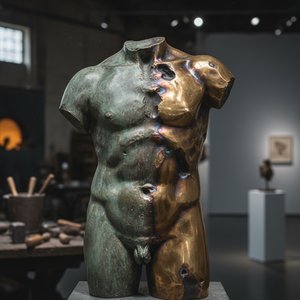
ბრინჯაოს ქანდაკების მარადიული მემკვიდრეობა: ისტორია, ტექნიკა და თანამედროვე ინტერპრეტაციები
გაიგეთ ბრინჯაოს ქანდაკების ისტორია, შექმნის ტექნიკა და თანამედროვე ინტერპრეტაციები. ხელოვნების კოლექციონერებისთვის ექსპერტული მიმოხილვა ინვესტირების პერსპექტივით.

Bronze Age to Modern Masters: 10 Sculptures That Redefined Art | OriginalUniqueArt
Journey through art history with 10 legendary bronze sculptures – from Michelangelo's David to Rodin’s Thinker. Explore the stories, techniques & timeless beauty of these masterpieces. Find museum-quality reproductions & elevate your home decor on OriginalUniqueArt.com.

The Enduring Form: Exploring Themes & Techniques in Sculpture Across Historical Periods
Explore the rich history of sculpture from ancient masterpieces to contemporary innovations. Discover key techniques, influential artists & investment potential for discerning art collectors.

Bronze Sculptures That Defined Art History | OriginalUniqueArt
Journey through art history with our Top 10 bronze sculptures! Explore masterpieces by Rodin, Michelangelo & more. Discover stories behind iconic statues and find museum-quality reproductions for your home decor at OriginalUniqueArt.com.

The Enduring Form: Sculpture Across History, Technique & Emotional Resonance
Explore the rich history of sculpture with OriginalUniqueArt. Discover key techniques, influential artists & investment potential for discerning collectors. Expert insights into valuing and collecting timeless masterpieces.