

 ნახვა ინტერьерში
 გაგზავნა
 გაზიარება
 დეტალები
 გზამკვლევი

 ჩამოტვირთვა
 მსგავსები
 რენტგენოგრაფიული კვლევა
 სლაიდშოუ
 სტატისტიკა
Self Portrait with Palette


 სრული ტექსტის ნახვა
გიკლე / ხელოვნების პრინტი
მუზეუმის დონის ჟიკლე ან ტილოზე ბეჭდვა სწრაფი წარმოებისა და დასრულების მოქნილი ვარიანტებით. ( შეიძინეთ ხელით შესრულებული ნახატი გადასვლა ციფრულ გამოსახულებაზე)




P118B ₾10

P118H ₾10

P118W ₾10

P438Z ₾10

P508JH ₾12

P508YH ₾12

P805H ₾10

P805Z ₾10

P919BZ ₾10

P919G ₾10

P919XJ ₾10

P959ZH ₾10

P968JZ ₾12

W106C ₾8

W218G ₾10

W218JH ₾8

W218Y ₾10

W307PJ ₾10

W316G ₾10

W316PJ ₾8

W316Y ₾10

W398PJ ₾8

W4111J ₾10

W500HY ₾15

W500JH ₾15

W692G ₾12

W849H ₾8

W940BG ₾15

W953PJ ₾8




აირჩიეთ ჩვენს მიერ წინასწარ განსაზღვრული ზომებიდან, რომლებიც ნაწარმოების ორიგინალურ პროპორციებს შეესაბამება.

შეიყვანეთ თქვენთვის საჭირო სიგანე და სიმაღლე, რათა იგი მოერგოს თქვენს ჩარჩოს ან კედელს. ბეჭდვისას შესაძლებელია მხოლოდ მისი შემცირება და არა გაზრდა, ამიტომ სხვა ფორმის ზომის შემთხვევაში გამოსახულება ნაწილობრივ იკარგება. სანამ რაიმეს დაბეჭდავთ, ჩვენ გამოგიგზავნით ციფრულ მაკეტს დასდასტურებლად. ამ გვერდზე ნაჩვენები სურათი არ ასახავს რეალურ ჭრას — ამას მხოლოდ მაკეტი გვიჩვენებს.
მიწოდება მთელ მსოფლიოში () 2 კვირაში, სტანდარტული 4/5 კვირის ნაცვლად. (25 ოქტომბერი)

უფასო ექსპრეს მიწოდება მთელ მსოფლიოში

მაღალი ხარისხის ტილო

ტრანსპორტირების სრული დაზღვევა

საბაჟო გადასახადების დაბრუნების გარანტია

ფერების სრული შესაბამისობის გარანტია

დაბრუნების 100-დღიანი პერიოდი (მხოლოდ წარმოების დეფექტის შემთხვევაში)

100% თანხის სრული დაბრუნების გარანტია

ფასდაკლება დიდი რაოდენობით შეკვეთისას
 მინის ჩარჩოს არჩევანი ხელმისაწვდომია მხოლოდ 110 სმ-მდე ზომისთვის

Self Portrait with Palette
გიკლე / ხელოვნების პრინტი
რეპროდუქციის ზომა
-


ჯამური ღირებულება
₾ 209
A Moment Frozen in Time: Jean Frédéric Bazille’s “Self Portrait with Palette”
Jean Frédéric Bazille's "Self Portrait with Palette," painted in 1865, is more than just a depiction of an artist; it’s a poignant snapshot of ambition, vulnerability, and the burgeoning spirit of Impressionism. Created during a remarkably brief but intensely productive period in his career, this oil-on-canvas work offers a rare glimpse into the mind of a young man grappling with his artistic aspirations amidst the vibrant, transformative atmosphere of Paris. The painting resides within the esteemed collection of the Art Institute of Chicago, a testament to its enduring quality and significance.
The composition is strikingly direct and unadorned. Bazille, dressed in a dark suit and tie – attire indicative of his medical studies before embracing art full-time – stands before a simple, dark background. His gaze meets the viewer head-on, an almost disconcerting level of intimacy that immediately draws us into the scene. In his hand, he holds a palette brimming with vibrant pigments, hinting at the creative energy simmering beneath the surface. The subtle inclusion of brushes further emphasizes his profession and the tools of his trade. The painting’s stark simplicity—a deliberate choice by Bazille—forces us to confront the artist himself, stripping away any romanticized notions of artistic genius and presenting a raw, honest portrayal.
Impressionism in Miniature: Technique and Light
Bazille's technique is firmly rooted in the principles of Impressionism, though with a distinctly personal touch. He employs loose brushstrokes and a broken color palette—a hallmark of the movement—to capture the fleeting effects of light and atmosphere. Notice how he doesn’t meticulously render every detail; instead, he uses dabs and dashes of paint to suggest form and texture. The lighting is particularly noteworthy – it's diffused and naturalistic, casting soft shadows that contribute to the painting’s overall sense of immediacy. The artist was experimenting with *plein air* painting—working outdoors directly from nature—a technique championed by Monet and others during this period, aiming to capture the transient qualities of light and color.
Interestingly, Bazille utilized a mirror to create this self-portrait, a common practice among artists seeking to accurately represent their own features. This method allowed him to observe his posture, expression, and overall appearance with meticulous detail, ensuring a truthful representation of himself. The subtle asymmetry in the composition—a slight tilt of the head, for instance—adds to the painting’s sense of spontaneity and immediacy.
A Life Cut Short: Context and Symbolism
Understanding the historical context surrounding Bazille's life is crucial to appreciating this work fully. Born in Montpellier, France, in 1841, he initially pursued a medical career alongside his artistic inclinations, a compromise dictated by his family’s desire for financial security. However, drawn to the vibrant artistic community of Paris, he abandoned medicine in favor of painting, a decision that ultimately proved tragically short-lived. Bazille was killed during the Franco-Prussian War in 1870, at just twenty-eight years old – a devastating loss for the burgeoning Impressionist movement.
The “Self Portrait with Palette” can be interpreted as a symbolic representation of this young artist’s aspirations and anxieties. The palette itself represents his creative potential, while his direct gaze suggests a desire to connect with the viewer—to share his artistic vision. Some art historians suggest that Bazille's melancholy expression hints at the pressures he faced, balancing his artistic ambitions with societal expectations and the looming shadow of war. It’s a portrait not just of an artist, but of a man on the cusp of greatness, grappling with mortality and the uncertainties of his future.
A Legacy of Light: The Painting's Enduring Appeal
Despite its brevity, Bazille’s career left an indelible mark on the Impressionist movement. His work exemplifies the movement’s focus on capturing fleeting moments of light and color, as well as its rejection of traditional academic painting techniques. “Self Portrait with Palette” remains a powerful testament to his talent and vision—a poignant reminder of a brilliant artist whose life was tragically cut short. Reproductions of this iconic piece continue to resonate with art lovers today, offering a glimpse into the heart and soul of an Impressionist master.
კითხვები და პასუხები
რა ემოციას გადმოგვცემს Impressionist Painting-ის ნამუშევარი „Self Portrait with Palette“?
Impressionist Painting სტილის ფარგლებში, „Self Portrait with Palette“ დაფიქსირებულია Reflective ტონით.
სად შემიძლია ჟან-ფრედერიკ ბაზილი-ის „Self Portrait with Palette“-ის პრინტის შეძენა?
ჟან-ფრედერიკ ბაზილი-ის „Self Portrait with Palette“-ის პრინტის მისაღებად, უბრალოდ შეუკვეთეთ მისი ხელოვნების მაღალი ხარისხის ბეჭედი გვერდიდან: ხელოვნების მაღალი ხარისხის ბეჭდური ბამბის ტილოს ან საარქივო ტილოს ქაღალდის ბაზაზე.
ზუსტად რომელ ოთახშია რეკომენდებული ჟან-ფრედერიკ ბაზილი-ის „Self Portrait with Palette“?
ჟან-ფრედერიკ ბაზილი-ის „Self Portrait with Palette“-ისთვის რეკომენდებული სივრცე არის Living Room. ეს შემოთავაზება, რა თქმა უნდა, შეგიძლიათ თქვენს ინტერიერს მოარგოთ.
მხატვრის ბიოგრაფია
ჟან ფრედერიკ ბაზილის მოკლე რადიანსი
ჟან ფრედერიკ ბაზილის ისტორია უდიდესი პოტენციალის ტრაგიულად შეწყვეტილია, ეს არის მყისიერი, მაგრამ მნიშვნელოვანი წვლილი ჩასახლებულ იმპრესიონისტურ მოძრაობაში. დაიბადა მონპელიეში, საფრანგეთში 6 დეკემბერს, 1841 წელს, მდიდრულ პროტესტანტურ ოჯახში, რომელიც ღვინის წარმოებაში იყო ჩართული. თავდაპირველად ბაზილი განკუთვნილი იყო ცხოვრების გზაზე, რომელიც შორს იყო ხელოვნების სამყაროსგან. მისი მშობლები, მიუხედავად მხარდაჭერისა, მოითხოვდნენ, რომ ის ეწოდინა სამედიცინო სწავლა თავისი მხატვრული მისწრაფებების პარალელურად - კომპრომისი, რომელიც ასახავს იმ დროის საზოგადოებრივ მოლოდინებს და მათი ფინანსური უსაფრთხოების სურვილს. ეს ორმაგიობა ჩამოაყალიბებს მის ადრეულ წლებს, ყურადღებას ანატომიურ დიზექციასა და ფერისა და განათების მომხიბლავი მიზიდვის შორის. თუმცა, პარიზის ცოცხალ ატმოსფეროში, სადაც ის 1862 წელს გადავიდა სამედიცინო სწავლის გასაგრძელებლად, ბაზილის მხატვრული გზა ნამდვილად დაიწყო.გოლიათებს შორის გზის ფორმირება
პარიზი ახალგაზრდა ბაზილისთვის გამოსაცდელი ადგილი აღმოჩნდა. მან სწრაფად ჩაერთო მხატვართა წრეში, რომლებიც იმპრესიონიზმის სინონიმად იქცნენ: კლოდ მონე, პიერ-ოგუსტ რენუარი და ალფრედ სისლე. შარლ გლეირის სტუდიაში სწავლამ მას ფორმალური მომზადება მისცა, მაგრამ მეგობრების შორის გაზიარებულმა ვნებამ და რადიკალურმა იდეებმა ნამდვილად აანთეს მისი მხატვრული ხედვა. ბაზილის ფინანსური სტაბილურობა - სასიხარულო კონტრასტი თანმეგობრების ხშირად არასტაბილურ არსებობასთან - საშუალება მისცა გულუხვად დახმარებოდათ, შესთავაზა სტუდია და მასალები. ეს კეთილი სურვილი მხოლოდ პრაქტიკული არ იყო; ის გამომდინარეობდა ღრმა ურთიერთგამოცდილებიდან და მათი კოლექტიური პოტენციალის რწმენიდან. ის გახდა ამ ახალი ჯგუფის მნიშვნელოვანი ცენტრი, ხელს უწყობდა ექსპერიმენტის გარემოსა და ურთიერთ წახალისებას. მის ადრეულ ნამუშევრებში, როგორიცაა "ვარდისფერი კაბა" (c. 1864), უკვე ჩანს მომენტების აღსაქუმაში და განათების ეფექტების დაჭერის უნარი - იმპრესიონიზმის მახასიათებელი ნიშანი. ის არ ცდილობდა დამკვიდრებული სტილის მიბაძვას; ის აქტიურად მონაწილეობდა რაიმე ახარის შექმნაში.სინათლით და მეგობრობით განსაზღვრული სტილი
ბაზილის მხატვრული სტილი, სწრაფად განვითარებადი მიუხედავად ამისა, გააჩნდა უნიკალური ხასიათი უფრო ფართო იმპრესიონისტულ ესთეტიკაში. იმავდროულად, როდესაც ისინი იზიარებდნენ *plein air* ხატვის გატაცებას - გარემოში მუშაობას ბუნებრივი განათების ნუანსების პირდაპირი ასახვისთვის - მის კომპოზიციებს უფრო სტრუქტურირებული ხასიათი ჰქონდათ მონეს ან რენუარის კომპოზიციებზე. ის ხშირად აერთიანებდა ფიგურულ ხატვას ლანდშაფტთან, ფრთხილად განათავსებდა თავის სუბიექტებს გარემოში, როგორც ჩანს შედევრებში, როგორიცაა "ოჯახური შეხვედრა" (1867-1868). ეს ნამუშევარი მხოლოდ ოჯახური შეკრების აღწერა არ არის; ეს არის განათების ფილტრაცია ხეებს შორის, რომელიც აანათებს სცენას და ავსებს მას სიმხ warmth და ინტიმურობით. მის ნახატვებში არა იმაზე იყო აქცენტი, *რას* ხედავდა, არამედ *როგორ* ხედავდა - ემოციური რეზონანსი, რომელიც გამოიწვია ფერმა, ფორმამ და განათებამ. მას დიდი გავლენა ჰქონდა ეჟენ დელაკრუას, რომლის ცოცხალი ფერის გამოყენებამ ასევე გაღვიძა მისი მხატვრული მგრძნობელობა, მაგრამ მან აკადემიური კონვენციები გადალახა და თანამედროვე მგრძნობელობას მიიღო.გაწყვეტილი სიცოცხლე: მემკვიდრეობა და გახსენება
ჟან ფრედერიკ ბაზილის აყვავებული კარიერა 1870 წელს ფრანკო-პრუსეთის ომმა სასტიკად შეწყვიტა. პატრიოტული მოვალეობის გრძნობით, მან რამდენიმე თვით ომის დაწყების შემდეგ Zouave პოლკი შეუერთდა. ტრაგიკულად, ის გარდაცვლილია ბოუნ-ლა-როლანდის ახლოს, 1870 წლის 28 ნოემბერს, მხოლოდ 28 წლის ასაკში. მისმა სიკვდილმა შოკისებრად შეძრა სამხატვრო საზოგადოება, დაუკარგავდა მას ტალანტლივი მეგობარი და გულუხვად მომხმარებელი. მისი ნაადრევი გარდაცვლილობის გამო, მისი ნამუშევრები დიდ ხნის განმავლობაში შედარებით უცნობი დარჩა. თუმცა, ბოლო ათწლეულების განმავლობაში, ბაზილის წვლილი უფრო მეტად აღიარებულია და გაპატიურებულია. დღეს მისი ნახატვები პატივს მიაგებენ პრესტიჟულ მუზეუმებში, როგორიცაა პარიზის Musée d'Orsay, ხოლო რეპროდუქციები ხელოვნების მოყვარეებს მთელ მსოფლოში საშუალებას აძლევს იგრძნონ მისი ხედვის სილამაზე და ინოვაცია. ბაზილის მემკვიდრეობა მის მხატვრულ შედევრებრებს გასცდება; ის განასახიერებს ახალგაზრდის იდეალიზმის სულს, შეუდარებელი ერთგულებასა და იმპრესიონიზმის ადრეულ დღეებში მეგობრობის ძალას. ის რჩება დაკარგული პოტენციალის მწუხარევადი შეხსენება, მაგრამ ასევე ბრწყინვალე კარიერის მდგრადი გავლენის მოწინააღმდეგე.
ჟან-ფრედერიკ ბაზილი
1841 - 1870 , საქართველო
მოკლე ფაქტები
- Artistic Movement Or Style: იმპრესიონიზმი
- Artists Or Movements Influenced By This Artist: ['იმპრესიონიზმი']
- Artists Who Influenced This Artist: ['ევჟენ დელაკრუა']
- Date Of Birth: 6 დეკემბერი, 1841
- Date Of Death: 28 ნოემბერი, 1870
- Full Name: ჟან ფრედერიკ ბაზილი
- Nationality: ფრანგი
- Notable Artworks (List Of Titles):
- ვარდის კაბა
- ოჯახური შეხვედრა
- სტუდიო rue de Furstenberg
- Place Of Birth (City And Country): მონპელიე, საფრანგეთი
მსგავსი სტატიები
ტოპ 10 შედევრი, რომელმაც განსაზღვრა "კლასიციზმი" ხელოვნებაში
აღმოფრთოვანდით იმპრესიონიზმის ტოპ 10 შედევრით! მონე, რენუარი და სხვა მხატვრების გამორჩეული ნაწარმოებები. ისწავლეთ მათი ისტორია და უნიკალური სტილი. OriginalUniqueArt.com-ზე იხილეთ საგანგებო ხელოვნების რეპროდუქციები და შექმენით თქვენი ოცნების ინტერიერი!

Impressionism's Masterpieces: 10 Paintings That Defined a Movement | OriginalUniqueArt
Journey through Impressionism's heart with 10 iconic paintings by Monet, Renoir & Degas. Explore light, color & the stories behind these masterpieces. Find museum-quality art reproductions and elevate your home decor on OriginalUniqueArt.com.

The Echo of Self: Reflectivity as a Core Theme in Art History & Contemporary Practice
Explore the rich history of self-representation in art, from Renaissance masters to modern innovators. Discover how artists use portraiture to reveal identity, emotion & the depths of the human psyche. Expert insights for collectors.
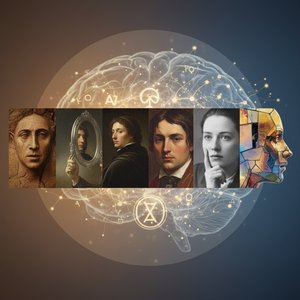
Reflecting the Self: A History of Portraiture & Psychological Insight
Explore the fascinating history of self-portraiture from Renaissance masters like Dürer & Rembrandt to modern interpretations. Discover the psychological insights and artistic techniques behind these iconic works. Expert analysis for art enthusiasts.

პოლ სეზანის 25 შედევრი: ხელოვნების ისტორიაში გამორჩეული ნაწარმოებები | OriginalUniqueArt.com
აღმოაჩინეთ პოლ სეზანის 25 გამორჩეული შედევრი! იმპრესიონიზმი, პოსტიმპრესიონიზმი და კუბიზმის წინასწარმეტყველი. ნახატების ისტორია, ტექნიკა და შთაგონება OriginalUniqueArt.com-ზე. 🖼️ ხელოვნების ბეჭვრა მუზეუმის ხარისხით.

