

 წინასწარი ნახვა
 გაგზავნა
 გაზიარება
 დეტალები
 გზამკვლევი

 ჩამოტვირთვა
 მსგავსები
 რენტგენოგრაფიული კვლევა
 სლაიდშოუ
 სტატისტიკა
The Bird Nester

 გადასართად დაწვრილებით ნახეთ
გიკლე / ხელოვნების პრინტი
მუზეუმის დონის ჟიკლე ან ტილოზე ბეჭდვა სწრაფი წარმოებისა და დასრულების მოქნილი ვარიანტებით. ( შეიძინეთ ხელით შესრულებული ნახატი გადასვლა ციფრულ გამოსახულებაზე)




P118B $10

P118H $10

P118W $10

P438Z $10

P508JH $12

P508YH $12

P805H $10

P805Z $10

P919BZ $10

P919G $10

P919XJ $10

P959ZH $10

P968JZ $12

W106C $8

W218G $10

W218JH $8

W218Y $10

W307PJ $10

W316G $10

W316PJ $8

W316Y $10

W398PJ $8

W4111J $10

W500HY $15

W500JH $15

W692G $12

W849H $8

W940BG $15

W953PJ $8




აირჩიეთ ჩვენს მიერ წინასწარ განსაზღვრული ზომებიდან, რომლებიც ნაწარმოების ორიგინალურ პროპორციებს შეესაბამება.

თქვენ შეგიძლიათ მიუთითოთ საკუთარი ზომები კონკრეტული ჩარჩოსთვის ან სივრცისთვის მოსარგებლებლად. თუ თქვენ მიერ არჩეული ზომა არ შეესაბამება ორიგინალი გამოსახულების პროპორციებს, ჩვენ ან დავჭრით ნამუშევარს, ან გავაფართოვებთ გამოსახულებას სარკული ან ერთფეროვანი კიდეებით. წარმოების დაწყებამდე თქვენს დასამტკიცებლად გამოგეგზავნებათ ციფრული მაკეტი.
გთხოვთ, გაითვალისწინოთ, რომ ეკრანზე ნაჩვენები წინასწარი ნახვა არ ასახავს რეალურ ჭრას ან გაფართოებას. მხოლოდ მაკეტზე იქნება ზუსტად წარმოდგენილი საბოლოო კომპოზიცია.
მიუხედავად იმისა, რომ ინდივიდუალური ზომები ხელმისაწვდომია, ორიგინალური პროპორციების შესანარჩუნებლად გირჩევთ, აირჩიოთ ზომა წინასწარ განსაზღვრული სიისგან.
მიწოდება მთელ მსოფლიოში () 2 კვირაში, სტანდარტული 4/5 კვირის ნაცვლად. (21 სექტემბერი)

უფასო ექსპრეს მიწოდება მთელ მსოფლიოში

საბამად მაღალი ხარისხის ტილო

სრული ტრანსპორტირების დაზღვევა

საბაჟო გადასახადების დაბრუნების გარანტია

ფერების სრული შესაბამისობის გარანტია

დაბრუნების 100-დღიანი პოლიტიკა (მხოლოდ დეფექტის შემთხვევაში)

100% თანხის დაბრუნების გარანტია

ფასდაკლება დიდი რაოდენობით შეკვეთისას
 მინის ჩარჩოს არჩევანი ხელმისაწვდომია მხოლოდ 110 სმ-ზე ნაკლები ზომისთვის

The Bird Nester
გიკლე / ხელოვნების პრინტი
რეკლამაციის ზომა
-


საბოლოო ფასი
$ 80
A Delicate Brushstroke: The Life and Art of Jean-Antoine Watteau
Jean-Antoine Watteau (1684-1721), a name synonymous with the blossoming Rococo style, emerged from the northern French city of Valenciennes. His brief but incandescent career irrevocably altered the course of eighteenth-century painting, shifting its focus from the grandeur and drama of the Baroque to an intimate world of elegance, leisure, and subtle emotion. Unlike many artists who followed a clearly defined path, Watteau’s journey was marked by initial struggles for recognition within the established art institutions of Paris. Born into a family of modest means—his father a master roofer—young Jean-Antoine displayed an early aptitude for drawing, initially sketching the colorful characters and bustling scenes of his hometown streets. This formative experience instilled in him a keen eye for observation and a fascination with everyday life, themes that would permeate his later work. His initial training under local artists established a foundation for his artistic sensibilities, shaping his approach to portraying human interaction and capturing fleeting moments of beauty.The Essence of Fête Galante
Watteau’s artistic breakthrough arrived with the advent of “Fête Galante,” a genre that epitomized the Rococo aesthetic. Departing from the monumental canvases favored by Baroque painters, Watteau envisioned scenes of aristocratic gatherings in idyllic landscapes—often wooded retreats—where musicians, dancers, and elegantly dressed figures engaged in playful pursuits. These fêtes galantes weren’t merely depictions of social events; they were carefully constructed theatrical presentations designed to evoke feelings of enchantment and delight. Watteau skillfully employed illusionistic techniques—particularly sfumato—to create atmospheric haze and soften contours, blurring the boundaries between reality and imagination. This masterful manipulation of light and color contributed significantly to the genre's ethereal quality, transporting viewers into a realm of refined pleasure and romantic contemplation.Technique and Style: A Painter’s Delicate Touch
Watteau’s distinctive style was characterized by an unparalleled sensitivity to tonal gradation and brushwork. He favored thin washes of pigment applied with delicate strokes—often using a palette knife—to achieve luminous surfaces that seemed to shimmer with reflected light. Unlike the bold contrasts typical of Baroque painting, Watteau embraced subtlety, prioritizing nuanced shades and subtle textures to convey emotion and atmosphere. His meticulous attention to detail—particularly in rendering foliage and drapery—demonstrated his mastery of observation and his ability to capture the nuances of natural beauty. The artist’s technique was revolutionary for its time, marking a decisive break from prevailing artistic conventions and establishing Watteau as a pioneer of Rococo painting.Symbolism and Emotional Resonance
Beyond mere visual representation, Watteau's paintings conveyed profound emotional resonance. Recurring motifs—such as birds, flowers, and musical instruments—carried symbolic significance, reflecting themes of pastoral innocence, fleeting beauty, and idealized love. The figures depicted in fêtes galantes were presented not as heroic protagonists but as vulnerable individuals experiencing moments of tenderness and melancholy. Watteau’s aim was to elicit a feeling of wistful longing—a yearning for an unattainable ideal—capturing the bittersweet essence of human experience. This psychological depth distinguishes Watteau's oeuvre from much of his contemporaries, cementing his legacy as one of the most emotionally perceptive artists of the eighteenth century.Legacy and Influence
Jean-Antoine Watteau’s influence extended far beyond his own lifetime, shaping the artistic sensibilities of subsequent generations. His pioneering approach to genre painting inspired artists across Europe—particularly in Britain—who embraced the Rococo style's emphasis on elegance and emotion. Artists like William Hogarth and Joshua Reynolds acknowledged Watteau’s transformative impact on their craft, adapting his techniques and stylistic conventions to create works that reflected the spirit of their own era. Watteau’s legacy continues to endure today, reminding us of the enduring power of art to evoke beauty, contemplation, and a profound appreciation for the human condition.მხატვრის ბიოგრაფია
ჟან-ანტუან ვატოს: ფესტივალი და ელეგანტური ხედვები
ჟან-ანტუან ვატო, რომლის სახელიც სინონიმად არის ქცეული როკოკოს მოძრაობის აყვავებასთან, დაიბადა 1684 წელს ვალანსენის ქალაქში, ჩრდილოეთ საფრანგეთში. მისი მოკლე, მაგრამ ნათელი კარიერა განმათავისუფლებელმა შექმნა რვაკეციას კურსი, გადა shifting its focus from the grandeur and drama of the Baroque to an intimate world of elegance, leisure, and subtle emotion. Unlike many artists who followed a clearly defined path, Watteau’s journey was marked by initial struggles for recognition within the established art institutions of Paris. Born into a family of modest means—his father a master roofer—young Jean-Antoine displayed an early aptitude for drawing, initially sketching the colorful characters and bustling scenes of his hometown streets. This formative experience instilled in him a keen eye for observation and a fascination with everyday life, themes that would permeate his later work. His initial training under local artists Jacques-Albert Gérin and Julien provided a foundation, but it was his move to Paris around 1702 that truly ignited his artistic development.თეატრალური სცენებიდან ფესტივალიანტ სცენებამდე
პარიზის ცოცხლად მოსული გულშემატებით, ვატო ჩაება კლაუდ ჟილოს სახელოსნოში, მხატვრს, რომელიც სპეციალიზებულია თეატრალურ დიზაინებში და პოპულარულ ჟანრში - ფესტივალიანტ სცენები - არისტოკრატიული გარემონტების აღწერები. ეს გაკვეთილი გადამწყვეტი იყო. ჟილოს გავლენამ ვატოსთან გააცნო კომედიის სამყარო, რომელშიც მასკირებული პერსონაჟები და სათამაშო მოთხრობები შედიოდა, რაც მისი ოევრში მუდმივად გამეორებადი თემა იყო. თუმცა, ვატოს მხატვრულ გრძნობებს არ ემორჩილებოდა აკადემიის სასურველი მკაცრი კატეგორიები. მისი ჟანრობრივი ნახატები არ აღიარებულდნენ ოფიციალურ აღიარებას, რაც პირველადი უარის გამო მოხდა, როდესაც მან პრესტიჟული პრიზი რომში მოსაპოვებლად სცადა. გაბედავების გარეშე და გამაოგნებელი სიმტკიცეზე, ვატო განაგრძო მუშაობა, საბოლოოდ მიაღწია აღიარებას როგორც *maître amateur* 1717 წელს - სტატუსი, რომელმაც საშუალება მისცა დამოუკიდებლად გამოფინოს მისი ნამუშევრები. ეს პერიოდი გადამწყვეტი მომენტი იყო, რაც საშუალებას აძლევდა, სრულად განვითარებოდა მისი უნიკალური სტილი, რომელიც ხასიათდება ფერადი ფერებით, დელიკატური ბრushingstroke-ით და ნაზ ტკივილით. მან დაიწყო პირდაპირი თეატრალური წარმოდგენიდან უფრო პოეტურ და გამოხატვით სცენებამდე, inventing the *fête galante* როგორც განირებული ჟანრი - იდელიური შეხვედრები პარკების მსგავს გარემოში, სადაც არისტოკრატიული ფიგურები ეწევდნენ გულთამაგანი მოძრაობებს და ელეგანტურ გასართობებს.როკოკოს არსი: სტილი და შედევრები
ვატოს ნახატები მყისვე ამოიცნობენ მათი გამორჩეული თვისებების მიხედვით. მას უსწრაფო უნარი ჰქონდა არისტოკრატიულ ცხოვრების ელეგანტურობისა და სიმშვიდის აღქმის, არა ძალისმხვეობითი გამოცხადებისა და სიმდიდრის საშუალებით, არამედ დელიკატური ჟესტების, ფერადი გამონათქვამებისა და სინათლისა და ატმოსფერის გამოყენებით. მისი ფიგურები გამოირჩევა პოეტური გრაციით და დელიკატური ემოციური სიღრმით, რაც მათ წინამორბედების უფრო ფორმალური გამოსახულებებიდან განასხვავებს. The Country Dance (1718-1721), ალბათ მისი ყველაზე აღიარებული ნაწარმოებთაგან ერთი, სრულყოფილად წარმოგვიჩვენებს ამას - ζωηρή σκηνή που απεικονίζει την ανέμελη αγροτική ζωή με εξαιρετικές λεπτομέρειες και μια υποκείμενη αίσθηση λαχτάρας. სხვა შედევრები, როგორიცაა Ceres (Summer) (1705), მისი უნარი გვიჩვენებს ბუნების სილამაზისა და ადამიანის ფორმის აღქმის, ხოლო The Embarkation for Cythera (1717) და მისი თანხმოვანი ნაწარმოები, Pilgrimage to Cythera, არის ცნობილი გამოსახულებები მითოლოგიური მოგზაურობების სიყვარულის კუნძულზე, რომლებსაცMystery and romantic yearning. Even his theatrical portraits, like Gilles (1719), possess an enigmatic quality that invites contemplation. Watteau’s technique was equally innovative; he employed a feathery brushstroke and a delicate layering of colors to create a shimmering effect, capturing the fleeting beauty of light and atmosphere.მემკვიდრეობა და მდგრადი გავლენა
ვატოს ხელოვნების ლინეაჟი რთულიია, რომელიც სხვადასხვა წყაროებიდან იღებს შთაგონებას. მას ღრმად აღფრთოვანებული იყო ვენეციური რენესანსის დიდებულებით, როგორიცაა ტიციანი და ვერონეზე, განსაკუთრებით მათი ფერადი პალიტრისა და დინამიური კომპოზიციების მიხედვით. ფლამანდელი მხატვრების, როგორიცაა რუბენსის გავლენა ასევე შესამჩნევია მისი ენერგიული ბრushingstroke-ით და სენსუალური ფიგურებით. თუმცა, ვატომ არ უბრალოდ იმიტირებდა ამ წინამორბედებს; მან თავისი გავლენების სინთეზირება გა yaptı რაღაც ახლადშექმნილ და ექსკლუზიურად მის საკუთარ თავს - სტილი, რომელიც როკოკოს ζωγραφικής χαρακτηριστικό σημάδι έγινε. მიუხედავად მცირე ხნის სიცოცხლისა - მან ტუბერკულოზით გარდაიცვალა 1721 წელს მხოლოდ ოცდაშვიდ წლის ასაკში - ვატომ ხელოვნებაში ისტორიაში საგანგებო კვალი დატოვა. მისი ნამუშევრებმა უღმერთო თაობათა მხატვრებსი მოუწონეს, მათ შორის ფრაგონარი და ბუშერი, რომლებმაც უფრო განავითარეს ის თემები და ტექნიკები, რომლებიც მან დაიწყო. მან ჟანრობრივი ζωγραφική გადააყენა ხელოვნების დონის მიღწევამდე, რომელიც მანამდე იყო მორჩილი ისტორიულ ან რელიგიურ საგნებს. დღეს მისი ნახატები ძვირფასი არიან მსოფლიოს მთავარ მუზეუმებში - ნაციონალური გალერეისგან ვაშინგტონის D.C.-მდე და პრადოს მუზეუმამდე მადრიდში, რაც აგრძელებს მაყურებელთა მოხიბვლას მათი სილამაზით, გრაციითა და მდგრადი მიმზიდველობით, solidifying his place as one of the most important and beloved artists of the Rococo period.
ჟან-ანტუან ვატო
1684 - 1721 , საფრანგეთი
მოკლე ინფორმაცია
- Artistic Movement Or Style: როკოકો სტილი
- Artists Who Influenced This Artist:
- ტიტანი და ვერონეზი
- რუბენსი
- Date Of Birth: 1684 წლის ოქტომბერი 10
- Date Of Death: 1721 წლის ივლისი 18
- Full Name: Jean Antoine Watteau
- Nationality: ფრანგილიური
- Notable Artworks:
- „ქალაქური ცეკვა“
- „ცერეს ზამთარი“
- „შვილი მეგობარი“
- Place Of Birth: ვალენსიეანსი და საფრანგეთი
დაკავშირებული სტატიები
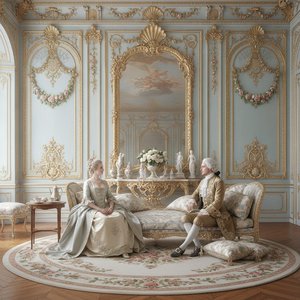
Rococo Art Guide: Elegance, Ornamentation, and the Era of Luxury
Explore the elegance of Rococo art. From Watteau to Fragonard, discover the history, aesthetics, and masters of 18th-century luxury in this expert guide for art lovers and collectors.

Impressionistic Landscapes: 10 Masterpieces That Changed Art & Decor
Journey into the heart of Impressionism! Explore 10 masterpieces by Monet, Renoir & Degas that revolutionized landscape art. Discover their stories, techniques & find museum-quality reproductions to elevate your home decor on OriginalUniqueArt.com.

როკოკოს ეტალონი: ტopp 10 შედევრი ხელოვნების ისტორიაში | OriginalUniqueArt
აღმოფრთოვანდით როკოკოს ეპოქის ტopp 10 შედევრით! გი tanıtავთ გამოჩენილ არტისტებს, მათი უნიკალური სტილსა და ფერწერულ ნაწარმოებებს. OriginalUniqueArt-ზე იხილეთ მუზეუმული ხარისხის ხელოვნების რესპუბლიკები და შექმნით თქვენი ოცნების ინტერიერი!

The Allure of Elegance in Art: A Historical & Aesthetic Exploration of Refinement & Grace
Explore the exquisite world of Rococo art! Discover its history, masters (Watteau, Boucher & more), and defining elegance. Expert insights for collectors seeking museum-quality reproductions & custom portraits.

პოლ სეზანის 25 შედევრი: ხელოვნების ისტორიაში გამორჩეული ნაწარმოებები | OriginalUniqueArt.com
აღმოაჩინეთ პოლ სეზანის 25 გამორჩეული შედევრი! იმპრესიონიზმი, პოსტიმპრესიონიზმი და კუბიზმის წინასწარმეტყველი. ნახატების ისტორია, ტექნიკა და შთაგონება OriginalUniqueArt.com-ზე. 🖼️ ხელოვნების ბეჭვრა მუზეუმის ხარისხით.


