

 ნახვა ინტერьерში
 გაგზავნა
 გაზიარება
 დეტალები
 გზამკვლევი

 ჩამოტვირთვა
 მსგავსები
 რენტგენოგრაფიული კვლევა
 სლაიდშოუ
 სტატისტიკა
Flora

 სრული ტექსტის ნახვა
ხელით შესრულებული ზეთის საღებავით რეპროდუქცია
ტილოზე შესრულებული ფერწერიანი ზეთប្រდათი, თქვენთვის სასურველი ზომისა და ჩარჩოსთვის, ჩვენი ხელოვანების მიერ შეკვეთის საფუძველზე დამზადებული. ( გადართვა ბეჭდვის რეჟიმზე გადასვლა ციფრულ გამოსახულებაზე)




P118B ₾10

P118H ₾10

P118W ₾10

P438Z ₾10

P508JH ₾12

P508YH ₾12

P805H ₾10

P805Z ₾10

P919BZ ₾10

P919G ₾10

P919XJ ₾10

P959ZH ₾10

P968JZ ₾12

W106C ₾8

W218G ₾10

W218JH ₾8

W218Y ₾10

W307PJ ₾10

W316G ₾10

W316PJ ₾8

W316Y ₾10

W398PJ ₾8

W4111J ₾10

W500HY ₾15

W500JH ₾15

W692G ₾12

W849H ₾8

W940BG ₾15

W953PJ ₾8




აირჩიეთ ჩვენს მიერ წინასწარ განსაზღვრული ზომებიდან, რომლებიც ნაწარმოების ორიგინალურ პროპორციებს შეესაბამება.

შეიყვანეთ თქვენთვის საჭირო სიგანე და სიმაღლე, რათა ნახატი მოერგოს თქვენს ჩარჩოს ან კედელს. ვინაიდან ეს ნამუშევარი ხელით არის შესრულებული, სხვა ფორმის ზომის შემთხვევაში, მხატვარმა შესაძლოა სურათის გარშემო ოდნავ მეტი დატოვოს ან შეამციროს — არჩევანი თქვენზეა. დაწყებამდე, დასამტკიცებლად, ჩვენ გამოგიგზავნით ციფრულ მაკეტს. ამ გვერდზე ნაჩვენები სურათი არ ასახავს რეალურ შედეგს — რეალური სახე მხოლოდ მაკეტზე ჩანს.
შეკვეთის შემდეგ, OriginalUniqueArt.com გუნდი დაგიკავშირდებათ ელექტრონული ფოსტით ინსტრუქციებისთვის და გამოგიგზავნით წინასწარ ნახაზს (mockup).
მიწოდება მსოფლიო მასშტაბით -ში 3/4 კვირაში, სტანდარტული 5 კვირის ნაცვლად. (21 ოქტომბერი). ხარისხზე კომპრომისის გაკეთება არ მოხდება.

უფასო ექსპრეს მიწოდება მთელ მსოფლიოში

მაღალი ხარისხის ტილო

ტრანსპორტირების სრული დაზღვევა

საბაჟო გადასახადების დაბრუნების გარანტია

ფერების სრული შესაბამისობის გარანტია

დაბრუნების 100-დღიანი პერიოდი (მხოლოდ წარმოების დეფექტის შემთხვევაში)

100% თანხის სრული დაბრუნების გარანტია

ფასდაკლება დიდი რაოდენობით შეკვეთისას
 მინის ჩარჩოს არჩევანი ხელმისაწვდომია მხოლოდ 110 სმ-მდე ზომისთვის

Flora
რეპროდუქციის ტექნიკა
რეპროდუქციის ზომა
-


ჯამური ღირებულება
₾ 782
A Delicate Brushstroke: Jean-Antoine Watteau’s Flora – An Exploration of Rococo Elegance
Jean-Antoine Watteau (1684–1721), a pivotal figure in the burgeoning Rococo movement, gifted us with “Flora,” a preparatory sketch that encapsulates the spirit of his era and foreshadows the grandeur of his larger canvases. More than just an image, it’s a glimpse into Watteau's artistic process—a testament to his meticulous observation and masterful command of line and tone—that continues to resonate with audiences today. This artwork isn’t merely decorative; it speaks volumes about the cultural values of Louis XV’s France, prioritizing refined leisure and idealized beauty.Composition and Technique: Capturing Movement Within Stillness
The sketch depicts a reclining female figure seated upon what appears to be a woven basket or mat—a motif frequently employed in Watteau's fêtes galantes, theatrical gatherings designed to celebrate aristocratic life. The artist’s deliberate choice of perspective subtly flattens the scene, prioritizing form and gesture over realistic depth. Lines dominate the composition; bold strokes delineate the contours of drapery and torso, while delicate, feathery marks suggest fabric folds and subtle shifts in light. Charcoal or silverpoint—the mediums Watteau favored—produce a surface texture that is both immediate and expressive, reflecting the artist’s hand and conveying a palpable sense of spontaneity. The diffused lighting contributes to an overall softness, enhancing the figure's graceful posture and inviting contemplation.Rococo Ideals Embodied: Symbolism and Aesthetic Sensibility
“Flora” embodies the core tenets of Rococo art—a reaction against the Baroque’s dramatic grandeur—emphasizing delicacy, ornamentation, and emotional nuance. The female subject is presented as an idealized vision of feminine beauty, reflecting the prevailing fascination with pastoral themes and mythological narratives. Watteau's meticulous attention to detail captures not just physical form but also psychological state; her gaze directed off to the side suggests introspection and a quiet awareness of the surroundings. The basket or mat serves as a grounding element, anchoring the figure within a tranquil landscape—a deliberate contrast to the turbulent emotions often depicted in Baroque art.Beyond Reproduction: Understanding Watteau’s Legacy
While this sketch may seem unassuming compared to Watteau's finished masterpieces like “The Country Dance,” it reveals an artist deeply invested in capturing fleeting moments of beauty and emotion. It exemplifies his innovative technique—direct drawing without extensive erasing—and underscores his profound influence on subsequent generations of painters. A high-quality reproduction allows viewers to appreciate the subtle nuances of Watteau’s artistry, transporting them back to a time when art served as a conduit for aristocratic pleasure and intellectual refinement. Consider framing your print in a neutral hue to best honor Watteau's original vision—a celebration of understated elegance that continues to inspire admiration centuries later.კითხვები და პასუხები
რა არის ჟან-ანტუან ვატო-ის „Flora“-ის აღქმადი სიკაშკაშე?
აღქმული სიკაშკაშის თვალსაზრისით, ჟან-ანტუან ვატო-ის „Flora“ არის bright.
სად შემიძლება მსგავსი ნამუშევრების პოვნა, როგორიცაა ჟან-ანტუან ვატო-ის „Flora“?
ჟან-ანტუან ვატო-ის „Flora“-ის მსგავსი ნამუშევრები გვერდი წარმოგიდგენთ მსგავს ნამუშევრებს.
სად არის რეკომენდებული „Flora“-ის Portrait ფორმატის გამოფენა?
ფორმატი (Portrait) და რეკომენდებული სივრცე (Living Room) არის ორი განლაგების ფაქტი, რომელიც მითითებულია ნამუშევრისთვის ჟან-ანტუან ვატო-ის „Flora“.
მხატვრის ბიოგრაფია
ჟან-ანტუან ვატოს: ფესტივალი და ელეგანტური ხედვები
ჟან-ანტუან ვატო, რომლის სახელიც სინონიმად არის ქცეული როკოკოს მოძრაობის აყვავებასთან, დაიბადა 1684 წელს ვალანსენის ქალაქში, ჩრდილოეთ საფრანგეთში. მისი მოკლე, მაგრამ ნათელი კარიერა განმათავისუფლებელმა შექმნა რვაკეციას კურსი, გადა shifting its focus from the grandeur and drama of the Baroque to an intimate world of elegance, leisure, and subtle emotion. Unlike many artists who followed a clearly defined path, Watteau’s journey was marked by initial struggles for recognition within the established art institutions of Paris. Born into a family of modest means—his father a master roofer—young Jean-Antoine displayed an early aptitude for drawing, initially sketching the colorful characters and bustling scenes of his hometown streets. This formative experience instilled in him a keen eye for observation and a fascination with everyday life, themes that would permeate his later work. His initial training under local artists Jacques-Albert Gérin and Julien provided a foundation, but it was his move to Paris around 1702 that truly ignited his artistic development.თეატრალური სცენებიდან ფესტივალიანტ სცენებამდე
პარიზის ცოცხლად მოსული გულშემატებით, ვატო ჩაება კლაუდ ჟილოს სახელოსნოში, მხატვრს, რომელიც სპეციალიზებულია თეატრალურ დიზაინებში და პოპულარულ ჟანრში - ფესტივალიანტ სცენები - არისტოკრატიული გარემონტების აღწერები. ეს გაკვეთილი გადამწყვეტი იყო. ჟილოს გავლენამ ვატოსთან გააცნო კომედიის სამყარო, რომელშიც მასკირებული პერსონაჟები და სათამაშო მოთხრობები შედიოდა, რაც მისი ოევრში მუდმივად გამეორებადი თემა იყო. თუმცა, ვატოს მხატვრულ გრძნობებს არ ემორჩილებოდა აკადემიის სასურველი მკაცრი კატეგორიები. მისი ჟანრობრივი ნახატები არ აღიარებულდნენ ოფიციალურ აღიარებას, რაც პირველადი უარის გამო მოხდა, როდესაც მან პრესტიჟული პრიზი რომში მოსაპოვებლად სცადა. გაბედავების გარეშე და გამაოგნებელი სიმტკიცეზე, ვატო განაგრძო მუშაობა, საბოლოოდ მიაღწია აღიარებას როგორც *maître amateur* 1717 წელს - სტატუსი, რომელმაც საშუალება მისცა დამოუკიდებლად გამოფინოს მისი ნამუშევრები. ეს პერიოდი გადამწყვეტი მომენტი იყო, რაც საშუალებას აძლევდა, სრულად განვითარებოდა მისი უნიკალური სტილი, რომელიც ხასიათდება ფერადი ფერებით, დელიკატური ბრushingstroke-ით და ნაზ ტკივილით. მან დაიწყო პირდაპირი თეატრალური წარმოდგენიდან უფრო პოეტურ და გამოხატვით სცენებამდე, inventing the *fête galante* როგორც განირებული ჟანრი - იდელიური შეხვედრები პარკების მსგავს გარემოში, სადაც არისტოკრატიული ფიგურები ეწევდნენ გულთამაგანი მოძრაობებს და ელეგანტურ გასართობებს.როკოკოს არსი: სტილი და შედევრები
ვატოს ნახატები მყისვე ამოიცნობენ მათი გამორჩეული თვისებების მიხედვით. მას უსწრაფო უნარი ჰქონდა არისტოკრატიულ ცხოვრების ელეგანტურობისა და სიმშვიდის აღქმის, არა ძალისმხვეობითი გამოცხადებისა და სიმდიდრის საშუალებით, არამედ დელიკატური ჟესტების, ფერადი გამონათქვამებისა და სინათლისა და ატმოსფერის გამოყენებით. მისი ფიგურები გამოირჩევა პოეტური გრაციით და დელიკატური ემოციური სიღრმით, რაც მათ წინამორბედების უფრო ფორმალური გამოსახულებებიდან განასხვავებს. The Country Dance (1718-1721), ალბათ მისი ყველაზე აღიარებული ნაწარმოებთაგან ერთი, სრულყოფილად წარმოგვიჩვენებს ამას - ζωηρή σκηνή που απεικονίζει την ανέμελη αγροτική ζωή με εξαιρετικές λεπτομέρειες και μια υποκείμενη αίσθηση λαχτάρας. სხვა შედევრები, როგორიცაა Ceres (Summer) (1705), მისი უნარი გვიჩვენებს ბუნების სილამაზისა და ადამიანის ფორმის აღქმის, ხოლო The Embarkation for Cythera (1717) და მისი თანხმოვანი ნაწარმოები, Pilgrimage to Cythera, არის ცნობილი გამოსახულებები მითოლოგიური მოგზაურობების სიყვარულის კუნძულზე, რომლებსაცMystery and romantic yearning. Even his theatrical portraits, like Gilles (1719), possess an enigmatic quality that invites contemplation. Watteau’s technique was equally innovative; he employed a feathery brushstroke and a delicate layering of colors to create a shimmering effect, capturing the fleeting beauty of light and atmosphere.მემკვიდრეობა და მდგრადი გავლენა
ვატოს ხელოვნების ლინეაჟი რთულიია, რომელიც სხვადასხვა წყაროებიდან იღებს შთაგონებას. მას ღრმად აღფრთოვანებული იყო ვენეციური რენესანსის დიდებულებით, როგორიცაა ტიციანი და ვერონეზე, განსაკუთრებით მათი ფერადი პალიტრისა და დინამიური კომპოზიციების მიხედვით. ფლამანდელი მხატვრების, როგორიცაა რუბენსის გავლენა ასევე შესამჩნევია მისი ენერგიული ბრushingstroke-ით და სენსუალური ფიგურებით. თუმცა, ვატომ არ უბრალოდ იმიტირებდა ამ წინამორბედებს; მან თავისი გავლენების სინთეზირება გა yaptı რაღაც ახლადშექმნილ და ექსკლუზიურად მის საკუთარ თავს - სტილი, რომელიც როკოკოს ζωγραφικής χαρακτηριστικό σημάδι έγινε. მიუხედავად მცირე ხნის სიცოცხლისა - მან ტუბერკულოზით გარდაიცვალა 1721 წელს მხოლოდ ოცდაშვიდ წლის ასაკში - ვატომ ხელოვნებაში ისტორიაში საგანგებო კვალი დატოვა. მისი ნამუშევრებმა უღმერთო თაობათა მხატვრებსი მოუწონეს, მათ შორის ფრაგონარი და ბუშერი, რომლებმაც უფრო განავითარეს ის თემები და ტექნიკები, რომლებიც მან დაიწყო. მან ჟანრობრივი ζωγραφική გადააყენა ხელოვნების დონის მიღწევამდე, რომელიც მანამდე იყო მორჩილი ისტორიულ ან რელიგიურ საგნებს. დღეს მისი ნახატები ძვირფასი არიან მსოფლიოს მთავარ მუზეუმებში - ნაციონალური გალერეისგან ვაშინგტონის D.C.-მდე და პრადოს მუზეუმამდე მადრიდში, რაც აგრძელებს მაყურებელთა მოხიბვლას მათი სილამაზით, გრაციითა და მდგრადი მიმზიდველობით, solidifying his place as one of the most important and beloved artists of the Rococo period.
ჟან-ანტუან ვატო
1684 - 1721 , საფრანგეთი
მოკლე ფაქტები
- Artistic Movement Or Style: როკოકો სტილი
- Artists Who Influenced This Artist:
- ტიტანი და ვერონეზი
- რუბენსი
- Date Of Birth: 1684 წლის ოქტომბერი 10
- Date Of Death: 1721 წლის ივლისი 18
- Full Name: Jean Antoine Watteau
- Nationality: ფრანგილიური
- Notable Artworks:
- „ქალაქური ცეკვა“
- „ცერეს ზამთარი“
- „შვილი მეგობარი“
- Place Of Birth: ვალენსიეანსი და საფრანგეთი
მსგავსი სტატიები

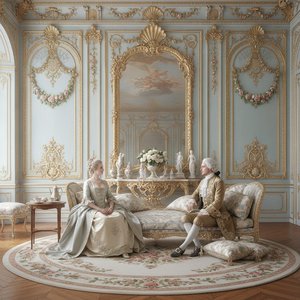
The Elegance of Rococo: A Journey Through Ornament, Light, and the Art of Refined Pleasure
Discover the exquisite world of Rococo art. Explore the delicate beauty of 18th-century French elegance, from Watteau's light-drenched scenes to ornate rocaille motifs. Perfect for collectors seeking museum-quality, hand-painted oil reproductions and bespoke art commissions.
Rococo Art Guide: Elegance, Ornamentation, and the Era of Luxury
Explore the elegance of Rococo art. From Watteau to Fragonard, discover the history, aesthetics, and masters of 18th-century luxury in this expert guide for art lovers and collectors.

The Allure of Elegance in Art: A Historical & Aesthetic Exploration of Refined Beauty
Explore the history of elegance in art! Discover Rococo masterpieces & key artists. Expert insights for discerning collectors seeking investment-worthy artworks and custom reproductions at OriginalUniqueArt.

The Allure of Elegance in Art: A Historical & Aesthetic Exploration of Refinement & Grace
Explore the exquisite world of Rococo art! Discover its history, masters (Watteau, Boucher & more), and defining elegance. Expert insights for collectors seeking museum-quality reproductions & custom portraits.

როკოკოს ეტალონი: ტopp 10 შედევრი ხელოვნების ისტორიაში | OriginalUniqueArt
აღმოფრთოვანდით როკოკოს ეპოქის ტopp 10 შედევრით! გი tanıtავთ გამოჩენილ არტისტებს, მათი უნიკალური სტილსა და ფერწერულ ნაწარმოებებს. OriginalUniqueArt-ზე იხილეთ მუზეუმული ხარისხის ხელოვნების რესპუბლიკები და შექმნით თქვენი ოცნების ინტერიერი!


