
 წინასწარი ნახვა
 გაგზავნა
 გაზიარება
 დეტალები
 გზამკვლევი

 ჩამოტვირთვა
 მსგავსები
 რენტგენოგრაფიული კვლევა
 სლაიდშოუ
 კითხვა-პასუხი
 სტატისტიკა
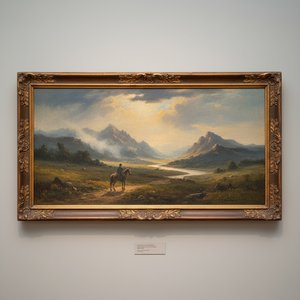
Kul-e Farah open-air sanctuary


 გააგრძელეთ კითხვა
ამ გვერდზე წარმოდგენილი ნამუშევარი დაცულია საავტორო უფლების შესახებ კანონმდებლობით, რაც იმას ნიშნავს, რომ ჩვენ არ გვაქვს მისი იდენტური რეპროდუქციის შექმნის ან გაყიდვის სამართლებრივი უფლება. აღნიშნული დაცვა უზრუნველყოფილია ისეთი საერთაშორისო შეთანხმებებით, როგორიცაა ბერნის კონვენცია და ეროვნული კანონმდებლობით, მათ შორის იმ კანონებით, რომლებიც დეტალურად არის გაწერილი აშშ-ის საავტორო უფლების შესახებ კანონი - თავი 17.
ეს მეთოდი სრულად შეესაბამება საავტორო უფლებების რეგულაციებს, რადგან ის არ გულისხმობს დაცული ნამუშევრის კოპირებას ან დუბლირებას. ამგვარად, ეს წარმოადგენს შემოქმედებით რეინტერპრეტაციას — ახალ ნახატს, რომელიც შთაგონებითაა განპირობებული ორიგინალით, თუმცა არ არის მის იდენტურ ასლს.
გიკლე / ხელოვნების პრინტი
მუზეუმის დონის ჟიკლე ან ტილოზე ბეჭდვა სწრაფი წარმოებისა და დასრულების მოქნილი ვარიანტებით. ( შეიძინეთ ხელით შესრულებული ნახატი გადართვა ციფრულ გამოსახულებაზე)




P118B ₾10

P118H ₾10

P118W ₾10

P438Z ₾10

P508JH ₾12

P508YH ₾12

P805H ₾10

P805Z ₾10

P919BZ ₾10

P919G ₾10

P919XJ ₾10

P959ZH ₾10

P968JZ ₾12

W106C ₾8

W218G ₾10

W218JH ₾8

W218Y ₾10

W307PJ ₾10

W316G ₾10

W316PJ ₾8

W316Y ₾10

W398PJ ₾8

W4111J ₾10

W500HY ₾15

W500JH ₾15

W692G ₾12

W849H ₾8

W940BG ₾15

W953PJ ₾8




აირჩიეთ ჩვენს მიერ წინასწარ განსაზღვრული ზომებიდან, რომლებიც ნაწარმოების ორიგინალურ პროპორციებს შეესაბამება.

შეიყვანეთ თქვენთვის საჭირო სიგანე და სიმაღლე, რათა გამოსახულებამ თქვენს ჩარჩოს ან კედელს ზუსტად მოერგოს. ბეჭდვისას შესაძლებელია მხოლოდ მისი შემცირება და არა გაზრდა, ამიტომ სხვა ფორმის ზომის შემთხვევაში სურათი ნაწილობრივ იკარგება. სანამ რაიმეს დაბეჭდავთ, ჩვენ გამოგიგზავნით ციფრულ მაკეტს დასდასტურებლად. ამ გვერდზე ნაჩვენები სურათი არ ასახავს რეალურ ჭრას — ამას მხოლოდ მაკეტი გვიჩვენებს.
მიწოდება მთელ მსოფლიოში () 2 კვირაში, სტანდარტული 4/5 კვირის ნაცვლად. (8 ნოემბერი)

უფასო ექსპრეს მიწოდება მთელ მსოფლიოში

მაღალი ხარისხის ტილოს ქსოვილი

ტრანსპორტირების სრული დაზღვევა

საბაჟო გადასახადების დაბრუნების გარანტია

ფერების სრული შესაბამისობის გარანტია

დაბრუნების 100-დღიანი პოლიტიკა (მხოლოდ დეფექტის შემთხვევაში)

100% თანხის სრული დაბრუნების გარანტია

ფასდაკლება დიდი რაოდენობით შეკვეთისას
 მინის ჩარჩოს არჩევანი შესაძლებელია მხოლოდ 110 სმ-მდე ზომისთვის

Kul-e Farah open-air sanctuary
გიკლე / ხელოვნების პრინტი
რეპროდუქციის ზომა
-


საბოლოო ღირებულება
₾ 211
A Journey Through Time: The Whispers of Kul-e Farah
In the evocative masterpiece Kul-e Farah open-air sanctuary, the viewer is not merely looking at a landscape, but is instead transported through a portal into the ancient heart of the Near East. Created by the visionary Javier Álvarez-Mon, this work transcends the boundaries of traditional landscape painting to become a living historical reconstruction. The scene unfolds across a rugged, mountainous expanse where a winding dirt road acts as a silent guide, leading the eye through a tapestry of sun-drenched grassy fields and weathered, rocky terrain. There is a profound sense of movement within the stillness; the presence of figures scattered throughout the composition—some lingering in the foreground, others fading into the hazy distance—suggests a moment captured in the eternal flow of time. The inclusion of an animal near the center-right adds a touch of pastoral intimacy, grounding the vastness of the landscape in the humble, everyday rhythms of ancient life.
The technique employed by Álvarez-Mon is deeply informed by his unique dual identity as both an artist and a scholar of archaeology. Rather than relying solely on aesthetic impulse, he utilizes a meticulous approach that breathes life into the silent relics of the Elamite civilization. The brushwork possesses a textured, organic quality that mimics the very earth it depicts, blending the grit of the mountain paths with the softness of the highland flora. This mastery of texture allows the painting to function as a bridge between the modern observer and the Bronze and Iron Ages. For the collector or interior designer, this piece offers more than just visual beauty; it provides a tactile connection to the dust and grandeur of antiquity, making it a profound focal point for any space dedicated to contemplation and historical depth.
The Symbiosis of Archaeology and Artistry
What distinguishes this work is its deep-seated historical resonance. As a specialist in the Elamite civilization, Álvarez-Mon does not merely paint scenery; he reconstructs lost grandeur. Every element within Kul-e Farah open-air sanctuary serves as a narrative fragment of a forgotten era. The landscape itself becomes a character, embodying the resilience and the spiritual sanctity of an ancient open-air sanctuary. The symbolism of the road is particularly poignant, representing the passage of human history and the interconnectedness of civilizations that once thrived in these very mountains. There is an inherent emotional weight to the piece—a sense of peaceful solitude intertwined with the haunting realization of how much of our past remains shrouded in mystery.
For those seeking to adorn a curated collection or a sophisticated interior, this reproduction offers an unparalleled opportunity to integrate intellectual depth with aesthetic elegance. The painting’s palette, rich with earthy tones and natural light, creates an atmosphere of tranquility that can transform a room into a sanctuary of its own. It invites the viewer to pause, to wander the dirt paths of the mind, and to rediscover the beauty found in the weathered stones and ancient shadows of our shared human heritage.
კითხვები და პასუხები
რა განწყობას გამოხატავს ხავიერ ალვარეს მონ-ის „Kul-e Farah open-air sanctuary“ Contemporary Realism-ის ფარგლებში?
Contemporary Realism სტილის ფარგლებში, „Kul-e Farah open-air sanctuary“ დაფიქსირებულია Tranquil ტონით.
არის თუ არა "Kul-e Farah open-air sanctuary" იმის ტიპური ნიმუში, რასაც ხავიერ ალვარეს მონ ჩვეულებრივ ქმნიდა?
ხავიერ ალვარეს მონ-ის დაფიქსირებულ თემებს შორის — ancient near east history, elamite civilization reconstruction, archaeological historical narratives, reconstructing lost grandeur, natural landscape settings — „Kul-e Farah open-air sanctuary“ განსაკუთრებულ ყურადღებას ამახვილებს mountains, dirt road, people, animals, grassy fields, rocky terrain-ზე.
დაშვებულია თუ არა კანონიერად ხავიერ ალვარეს მონ-ის „Kul-e Farah open-air sanctuary“-ის რეპროდუცირება, რომელიც Macquarie University-ში ინახება?
ხავიერ ალვარეს მონ-ის „Kul-e Farah open-air sanctuary“-ის საავტორო უფლებების სტატუსი ნათელია: ნამუშევარი არის კვლავ დაცულია საავტორო უფლებით. მისი ყოფნა Macquarie University-ში ამ სტატუსს არ ცვლის.
მხატვრის ბიოგრაფია
ხავიერ ალვარეს-მონი არის 스პანელი არქეოლოგი და ისტორიკოსი, რომელიც სპეციალიზებულია ძველ ახლო აღმოსავლეთზე. იგი 1969 წელს მადრიდში დაიბადა და არქეოლოგიის დოქტორის ხარისხი 2001 წელს მადრიდის კომპლუტენსის უნივერსიტეტში მოიპოვა. ამჟამად ის არის მეცნიერებათა ეროვნული საბჭოს (CSIC) მკვლევარი და ბარსელონას უნივერსიტეტის ელამური კვლევების ჯგუფის დირექტორი.
განათლება და კარიერა
ხავიერ ალვეს-მონის სწავლება ფოკუსირებული იყო არქეოლოგიასა და ისტორიაზე, ძველ ახლო აღმოსავლეთზე აქცენტირების გარეშე. მისი კვლევები მიმართულია ელამური კულტურისკენ, რის შედეგადაც მან გამოაქვეყნა მრავალი სტატია და წიგნი, მათ შორის ელამის სამყარო (2018) და ელამი: ისტორია, ხელოვნება და არქეოლოგია (2021).კვლევები და პუბლიკაციები
ხავიერ ალვარეს-მონის კვლევები ფოკუსირებულია ელამურ კულტურაზე და მან ამ თემაზე მრავალი მნიშვნელოვანი ნაშრომი შექმნა. მისი ყველაზე გამორჩეული პუბლიკაციები მოიცავს:- ელამის სამყარო (2018)
- ელამი: ისტორია, ხელოვნება და არქეოლოგია (2021)
- ელამური კულტურა (2015)
- ელამი: რეგიონის ისტორია (2012)
თანამშრომლობა და პროექტები
ხავიერ ალვარეს-მონი აქტიურად თანამშრომლობს სხვა მკვლევრებთან და მონაწილეობს მრავალ მნიშვნელოვან სამეცნიერო პროექტში. მისი ყველაზე წარმატებული პროექტებია:- ელამური პროექტი: კვლევითი პროექტი ელამური კულტურის შესახებ, რომელიც დაფინანსებულია მეცნიერებათა ეროვნული საბჭოს (CSIC) მიერ.
- ირანში გათხრების პროექტი: არქეოლოგიური გათხრების პროექტი ირანში, დაფინანსებული ბარსელონას უნივერსიტეტის მიერ.
- ელამური კულტურის შესწავლის პროექტი: კვლევითი პროექტი ელამური კულტურის შესახებ, დაფინანსებული ბარსელონას უნივერსიტეტის მიერ.
მისი ნაშრომის მნიშვნელობა
ხავიერ ალვარეს-მონის შრომა ფუნდამენტურია ელამური კულტურის გასაგებად და მისი როლის აღსასწორად ძველ ახლო აღმოსავლეთის ისტორიაში. მისმა კვლევებმა მოახდინა რეგიონის შესახებ ცოდნის გაფართოება. მისი ნაშრომების ნაწილი შეგიძლიათ იხილოთ https://OriginalUniqueArt.com-ზე, სადაც ხელმისაწვდომია მეტი ინფორმაცია მის სამეცნიერო საქმიანობასთან დაკავშირებით. ასევე, ინფორმაცია სხვა ხელოვანებისა და მხატვრების შესახებ შეგიძლიათ იპოვოთ სან ფერნანდოს სამხატვრო აკადემიის მუზეუმში და სა охоტისა და ბუნების მუზეუმში.
ხავიერ ალვარეს მონ
1969 - , ესპანეთი
დაკავშირებული სტატიები

Evocations of Place: A Historical Journey Through Landscape Art
Explore the rich history of landscape art with OriginalUniqueArt. Discover renowned artists, movements like Impressionism & Romanticism, and expert guidance for collecting timeless pieces. Find your perfect serene escape today!

ჯონ კონსტებლის 25 საუკეთესო შედევრი | ხელოვნების რეკრეაციები OriginalUniqueArt-ზე
გაიცანით ჯონ კონსტებლის 25 საუკეთესო შედევრი! ინგლისური პეიზაჟების ისტორია, XIX საუკუნის ხელოვნება და OriginalUniqueArt-ზე ხელოვნების უნიკალური კოლექცია. შეიძინეთ ხარისხიანი რეკრეაციები სახლის დეკორაციისთვის. აღმოაჩინეთ სრულყოფილი შეფერილი ტილოები OriginalUniqueArt.com-ზე!

კაცუსიკა ჰოკუსაის 25 შედევრი: იაპონური ხელოვნების გენიალური ნაწარმოებები თქვენს სახლში
გაიცანით კაცუსიკა ჰოკუსაის 25 შედევრი! იაპონური ხელოვნების გენიალური ნაწარმოებები, უქიო-ე სტილი და ფუჯის მთის გამოსახულებები. შეიძინეთ ხატვის რეკონსტრუქციები OriginalUniqueArt.com-ზე და შექმნით თქვენი სახლისთვის განსაკუთრებული ინტერიერი.

როμανტიზმის ეპოქის ტენდერება: საუკეთესო 10 შედევრი, რომელმაც განსაზღვრა ლანშაფტური მხატვრობა
აღმოფრთოვანდით რომანტიზმის ეპოქის 10 საუკეთესო ლანშაფტური შედევრით! ტერნერი, კორტო და სხვა მხატვრების ნაწარმოებები. იხილეთ მათი ისტორია და აღმოგეყვინებათ ხელოვნების márgali. შეიძინეთ მაღალი ხარისბის რესტავრაციული ასლები OriginalUniqueArt.com-ზე!
Anthony Vandyke Copley Fielding: Rediscovering a Master of Romantic Landscape
Discover the captivating landscapes of Anthony Vandyke Copley Fielding, a master of Romantic watercolour painting. Explore his life, technique, and legacy with OriginalUniqueArt – your source for museum-quality art reproductions & expert appraisal.