

 ნახვა ინტერьерში
 გაგზავნა
 გაზიარება
 დეტალები
 გზამკვლევი

 ჩამოტვირთვა
 მსგავსები
 რენტგენოგრაფიული კვლევა
 სლაიდშოუ
 სტატისტიკა
A Cavalry Battle Scene
 Baroque
 40.0 x 56.0 cm
 სრული ტექსტის ნახვა
ხელით შესრულებული ზეთის საღებავით რეპროდუქცია
ტილოზე შესრულებული ფერწერიანი ზეთប្រდათი, თქვენთვის სასურველი ზომისა და ჩარჩოსთვის, ჩვენი ხელოვანების მიერ შეკვეთის საფუძველზე დამზადებული. ( გადართვა ბეჭდვის რეჟიმზე გადასვლა ციფრულ გამოსახულებაზე)




P118B ₾10

P118H ₾10

P118W ₾10

P438Z ₾10

P508JH ₾12

P508YH ₾12

P805H ₾10

P805Z ₾10

P919BZ ₾10

P919G ₾10

P919XJ ₾10

P959ZH ₾10

P968JZ ₾12

W106C ₾8

W218G ₾10

W218JH ₾8

W218Y ₾10

W307PJ ₾10

W316G ₾10

W316PJ ₾8

W316Y ₾10

W398PJ ₾8

W4111J ₾10

W500HY ₾15

W500JH ₾15

W692G ₾12

W849H ₾8

W940BG ₾15

W953PJ ₾8




აირჩიეთ ჩვენს მიერ წინასწარ განსაზღვრული ზომებიდან, რომლებიც ნაწარმოების ორიგინალურ პროპორციებს შეესაბამება.

შეიყვანეთ თქვენთვის საჭირო სიგანე და სიმაღლე, რათა ნახატი მოერგოს თქვენს ჩარჩოს ან კედელს. ვინაიდან ეს ნამუშევარი ხელით არის შესრულებული, სხვა ფორმის ზომის შემთხვევაში, მხატვარმა შესაძლოა სურათის გარშემო ოდნავ მეტი დატოვოს ან შეამციროს — არჩევანი თქვენზეა. დაწყებამდე, დასამტკიცებლად, ჩვენ გამოგიგზავნით ციფრულ მაკეტს. ამ გვერდზე ნაჩვენები სურათი არ ასახავს რეალურ შედეგს — რეალური სახე მხოლოდ მაკეტზე ჩანს.
შეკვეთის შემდეგ, OriginalUniqueArt.com გუნდი დაგიკავშირდებათ ელექტრონული ფოსტით ინსტრუქციებისთვის და გამოგიგზავნით წინასწარ ნახაზს (mockup).
მიწოდება მსოფლიო მასშტაბით -ში 3/4 კვირაში, სტანდარტული 5 კვირის ნაცვლად. (26 ოქტომბერი). ხარისხზე კომპრომისის გაკეთება არ მოხდება.

უფასო ექსპრეს მიწოდება მთელ მსოფლიოში

მაღალი ხარისხის ტილო

ტრანსპორტირების სრული დაზღვევა

საბაჟო გადასახადების დაბრუნების გარანტია

ფერების სრული შესაბამისობის გარანტია

დაბრუნების 100-დღიანი პერიოდი (მხოლოდ წარმოების დეფექტის შემთხვევაში)

100% თანხის სრული დაბრუნების გარანტია

ფასდაკლება დიდი რაოდენობით შეკვეთისას
 მინის ჩარჩოს არჩევანი ხელმისაწვდომია მხოლოდ 110 სმ-მდე ზომისთვის

A Cavalry Battle Scene
რეპროდუქციის ტექნიკა
რეპროდუქციის ზომა
-


ჯამური ღირებულება
₾ 781
მხატვრის ბიოგრაფია
Jan Wyck: The Painter Who Brought Battle to Life
Born in Haarlem, Netherlands, in 1652, Jan Wyck emerged as a pivotal figure in the burgeoning world of European art during the late 17th century. His legacy isn’t defined by grand, solitary masterpieces but rather by an astonishing body of over 150 works—primarily dynamic military scenes, evocative landscapes, and striking equestrian portraits—that fundamentally shifted the way warfare was depicted on canvas. Wyck's influence extended far beyond his native Netherlands; he played a crucial role in establishing British art as a force to be reckoned with, introducing a distinctly Dutch sensibility that profoundly impacted generations of British artists.
Wyck’s early life remains somewhat shrouded in mystery, largely due to the limited documentation available. He was the son of Thomas Wyck, another painter who had spent considerable time honing his craft in Italy, absorbing the influence of the Italianate style evident in some of his father's works. It is believed that Jan received his initial artistic training from his father, though precise details are scarce. The family’s relocation to England during the reign of Charles II—likely around 1664—marked a turning point, setting the stage for Wyck’s enduring contribution to British art history. This move coincided with a period of significant cultural exchange between Britain and the Low Countries, fueled by the Restoration and a renewed interest in classical learning and artistic styles.
A Royal Patron and Continental Influence
Wyck's arrival in England proved remarkably fortuitous. He quickly gained recognition for his skill and versatility, securing patronage from influential figures like the Duke of Ormond and, later, William III himself. His ability to capture the chaos and drama of battle—a subject largely dominated by French artists at the time—was particularly valued. Wyck’s work wasn't simply a record of military events; he imbued his scenes with a palpable sense of immediacy and realism, drawing inspiration from both Dutch and Flemish traditions. He skillfully blended elements of Baroque dynamism with a keen eye for detail, meticulously rendering the textures of armor, the glint of steel, and the expressions of soldiers caught in the heat of conflict.
The influence of Dirk Maas, another prominent Low Countries artist working in England, is readily apparent in Wyck’s early work. However, Wyck quickly developed his own distinctive style—characterized by a vibrant palette, dramatic lighting, and an unparalleled ability to capture the energy and movement of his subjects. He wasn't content with simply depicting battles from a distant perspective; instead, he sought to immerse the viewer directly into the fray, highlighting individual soldiers, their weapons, and the unfolding drama with remarkable precision.
The Battle Painter’s Vision
Wyck’s most significant contribution lies in his innovative approach to battlefield depictions. While many artists of the era favored a bird's-eye view, offering a strategic overview of troop formations, Wyck chose to focus on the individual experiences of soldiers—their bravery, their fear, and their desperate struggle for survival. He meticulously rendered details such as flourishing sabres, firing muskets, flaring horses’ nostrils, and the billowing smoke from cannons, creating a visceral sense of realism that was unprecedented in military art. This shift towards a more intimate and emotionally resonant portrayal of battle profoundly influenced subsequent generations of British artists.
His work on the Battle of the Boyne, for example, stands as a testament to his artistic vision. While accounts of the battle itself are plentiful, Wyck’s painting captures not just the tactical maneuvers but also the human cost—the exhausted faces of soldiers, the fallen comrades, and the palpable sense of uncertainty that permeated the ranks. Similarly, his depictions of the siege of Derry vividly convey the resilience of the besieged city and the determination of its defenders.
A Family Man and a Lasting Legacy
Beyond his artistic achievements, Wyck’s personal life offers glimpses into the realities of 17th-century England. He married twice—first to an unknown woman, then to Anne Skinner in 1676, with whom he had four children who tragically all died young. His third marriage brought him a Dutch wife, Elizabeth Holomberg, and two sons and a daughter, further solidifying his family life in Mortlake. Despite the personal tragedies that punctuated his life, Wyck remained dedicated to his craft, continuing to produce works under royal patronage until his death in 1702.
Jan Wyck’s legacy extends far beyond the individual paintings he created. He played a crucial role in fostering artistic exchange between Britain and the Low Countries, introducing new techniques and perspectives that enriched British art history. His innovative approach to battlefield depictions—his focus on individual soldiers and his masterful rendering of detail—established him as a pioneer in military art, leaving an indelible mark on the development of both Dutch and British painting traditions. Today, his works are treasured for their historical significance, artistic merit, and the captivating stories they tell of courage, conflict, and the human spirit.

Jan Wyck
1652 - 1702 , Netherlands
მოკლე ფაქტები
- Full Name: Jan Wyck
- Nationality: Dutch
- Date Of Birth: 1652
- Date Of Death: 1702
- Place Of Birth: Haarlem, Netherlands
- Notable Artworks:
- Battle of the Boyne
- Portrait of Monmouth
- Siege of Maastricht
- Artistic Movement Or Style: Baroque
- Artists Who Influenced This Artist: ['Thomas Wyck (father)']
- Artists Or Movements Influenced By This Artist:
- Dirk Maas
- William van de Velde
მსგავსი სტატიები
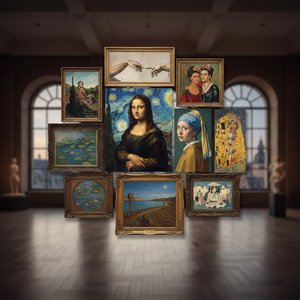
Oil on Canvas Masters: 10 Paintings That Redefined Art History |
Journey through art history with our guide to 10 legendary oil on canvas masterpieces! Explore iconic works by Van Gogh, Monet & Rembrandt. Find museum-quality reproductions and elevate your home decor at . Discover all masterpieces online.

ზეთის საღებავის მუდმივი მემკვიდრეობა: ტექნიკა, ისტორია და თანამედროვე პრაქტიკა
გაიგეთ ზეთის საღებავის ფერწერის ისტორია, ტექნიკა და თანამედროვე პრაქტიკა. პროფესიონალური მხატვრების რჩევები, ქართული ხელოვნების მიმოხილვა და ინსტრუქციები თქვენი შემოქმედებისთვის.

Oil on Canvas: A Historical & Technical Exploration of a Timeless Artistic Medium
Explore the rich history & enduring techniques of oil painting on canvas. Discover the science behind its longevity, conservation practices, and contemporary relevance. Expert insights for art enthusiasts.

The Enduring Legacy of Oil on Canvas: Technique, History & Aesthetic Impact
Explore the rich history & techniques of oil painting – from Renaissance masters to Impressionism. Discover pigments, layering methods, and why this timeless medium endures. Expert insights for artists & art enthusiasts.
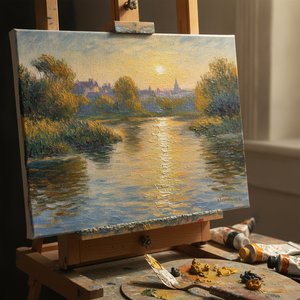
The Soul of Impressionism: Why Oil on Canvas Captures Eternal Light and Timeless Emotion
Discover the enchanting alchemy of Impressionism. Explore how the mastery of oil on canvas, through glazing and impasto, captures eternal light and emotion. Perfect for lovers of Monet and Van Gogh seeking the profound depth of hand-painted fine art.