
 ნახვა ინტერьерში
 გაგზავნა
 გაზიარება
 დეტალები
 გზამკვლევი

 ჩამოტვირთვა
 მსგავსები
 რენტგენოგრაფიული კვლევა
 სლაიდშოუ
 Q&A
Q&A სტატისტიკა
Gamepiece with a Dead Heron

- 134.0 x 111.0 cm


 სრული ტექსტის ნახვა
გიკლე / ხელოვნების პრინტი
მუზეუმის დონის ჟიკლე ან ტილოზე ბეჭდვა სწრაფი წარმოებისა და დასრულების მოქნილი ვარიანტებით. ( შეიძინეთ ხელით შესრულებული ნახატი გადასვლა ციფრულ გამოსახულებაზე)




P118B ₾10

P118H ₾10

P118W ₾10

P438Z ₾10

P508JH ₾12

P508YH ₾12

P805H ₾10

P805Z ₾10

P919BZ ₾10

P919G ₾10

P919XJ ₾10

P959ZH ₾10

P968JZ ₾12

W106C ₾8

W218G ₾10

W218JH ₾8

W218Y ₾10

W307PJ ₾10

W316G ₾10

W316PJ ₾8

W316Y ₾10

W398PJ ₾8

W4111J ₾10

W500HY ₾15

W500JH ₾15

W692G ₾12

W849H ₾8

W940BG ₾15

W953PJ ₾8




აირჩიეთ ჩვენს მიერ წინასწარ განსაზღვრული ზომებიდან, რომლებიც ნაწარმოების ორიგინალურ პროპორციებს შეესაბამება.

შეიყვანეთ თქვენთვის საჭირო სიგანე და სიმაღლე, რათა იგი მოერგოს თქვენს ჩარჩოს ან კედელს. ბეჭდვისას შესაძლებელია მხოლოდ მისი შემცირება და არა გაზრდა, ამიტომ სხვა ფორმის ზომის შემთხვევაში გამოსახულება ნაწილობრივ იკარგება. სანამ რაიმეს დაბეჭდავთ, ჩვენ გამოგიგზავნით ციფრულ მაკეტს დასდასტურებლად. ამ გვერდზე ნაჩვენები სურათი არ ასახავს რეალურ ჭრას — ამას მხოლოდ მაკეტი გვიჩვენებს.
მიწოდება მთელ მსოფლიოში () 2 კვირაში, სტანდარტული 4/5 კვირის ნაცვლად. (31 ოქტომბერი)

უფასო ექსპრეს მიწოდება მთელ მსოფლიოში

მაღალი ხარისხის ტილო

ტრანსპორტირების სრული დაზღვევა

საბაჟო გადასახადების დაბრუნების გარანტია

ფერების სრული შესაბამისობის გარანტია

დაბრუნების 100-დღიანი პერიოდი (მხოლოდ წარმოების დეფექტის შემთხვევაში)

100% თანხის სრული დაბრუნების გარანტია

ფასდაკლება დიდი რაოდენობით შეკვეთისას
 მინის ჩარჩოს არჩევანი ხელმისაწვდომია მხოლოდ 110 სმ-მდე ზომისთვის

Gamepiece with a Dead Heron
გიკლე / ხელოვნების პრინტი
რეპროდუქციის ზომა
-


ჯამური ღირებულება
₾ 208
A Study in Mortality and Courtly Grace: Jan Weenix’s “Gamepiece with a Dead Heron”
Jan Weenix's "Gamepiece with a Dead Heron," painted in 1695, is more than just a still life; it’s a meticulously crafted tableau of aristocratic leisure intertwined with the poignant beauty of death. This remarkable canvas, now housed within The Metropolitan Museum of Art, offers a captivating glimpse into the Dutch Golden Age, revealing not only the artist's exceptional technical skill but also his astute understanding of social dynamics and the evolving aesthetics of the time. The painting immediately draws the eye to its central subject: a heron lying prone on a bed of moss, its elegant neck outstretched in a gesture both vulnerable and dignified. Around it, a carefully arranged collection of game – rabbits, partridges, and other birds – contributes to the composition’s rich tapestry of textures and colors. Yet, it's not merely a display of hunting trophies; Weenix masterfully integrates these elements into a broader scene, suggesting a sophisticated courtly setting.The Anatomy of a Hunting Trophy: Technique and Detail
Weenix was renowned for his ability to render the textures of animal hides with astonishing realism – a skill honed through years of observation and practice. Notice the subtle variations in color and sheen across the heron’s feathers, meticulously captured with delicate brushstrokes. The artist's use of chiaroscuro—the dramatic interplay of light and shadow—further enhances the sense of depth and volume, imbuing each animal with a palpable presence. Beyond the individual animals, Weenix demonstrates an impressive command of composition, arranging the trophies in a way that feels both natural and deliberately staged. The inclusion of a large neoclassical urn, partially obscured by the fallen birds, adds a layer of formality to the scene, hinting at the wealth and status of its intended patron – likely a member of the European aristocracy. The painting’s palette is rich and earthy, dominated by browns, greens, and ochres, creating a sense of groundedness and realism that was characteristic of Dutch still life painting during this period.Symbolism and Social Commentary: Beyond the Hunt
While ostensibly depicting a successful hunt, “Gamepiece with a Dead Heron” carries deeper symbolic weight. The presence of dead animals speaks to the transient nature of beauty and the inevitability of death – a recurring theme in Dutch Golden Age art. However, Weenix doesn’t present this mortality as morbid; instead, he frames it within the context of aristocratic leisure, suggesting that even amidst the pursuit of pleasure, death is an unavoidable aspect of life. The inclusion of figures strolling in the background—likely members of the noble class—further reinforces this idea, implying a detachment from the realities of everyday existence. The urn itself can be interpreted as a symbol of wealth and status, while its partially obscured position suggests a subtle critique of excessive materialism. It’s a delicate balancing act – celebrating the opulence of the court while simultaneously acknowledging its inherent fragility.A Legacy of Dutch Realism: Jan Weenix and His Artistic Circle
Jan Weenix's work is inextricably linked to his father, Jan Baptist Weenix, with whom he shared a workshop and artistic vision. Both artists were masters of depicting hunting scenes and still lifes of game, but Jan Weenix developed a distinctive style characterized by greater detail, richer colors, and a more sophisticated understanding of composition. He was part of a vibrant artistic circle in Antwerp, alongside figures like Frans Snyders and Peter Paul Rubens, all of whom contributed to the flourishing of Flemish Baroque painting. His work reflects both the influence of his father’s legacy and his own innovative approach to rendering natural forms. The painting's provenance—having been seized by the Nazis during World War II and subsequently restituted to its rightful owner—adds another layer of historical significance, reminding us of the enduring power of art to transcend political boundaries. Today, reproductions of “Gamepiece with a Dead Heron” continue to captivate viewers, offering a timeless meditation on beauty, mortality, and the complexities of aristocratic life.კითხვები და პასუხები
რა გრძნობასთან არის დაკავშირებული "Gamepiece with a Dead Heron"?
იან ვენიქი-ის „Gamepiece with a Dead Heron“ გადმოგვცემს Melancholic ემოციურ ტონს.
რა ტექნიკა გამოიყენეს "Gamepiece with a Dead Heron"-ის შესაქმნელად და როდის შეიქმნა იგი?
იან ვენიქი-ის „Gamepiece with a Dead Heron“-ის ტექნიკა არის Acrylic On Canvas, ნამუშევარი კი 1695 წელს არის შექმნილი.
შესაძლებელია თუ არა იან ვენიქი-ის „Gamepiece with a Dead Heron“-ის ნახვა სხვადასხვა განათების პირობებში?
იან ვენიქი-ის „Gamepiece with a Dead Heron“-ის რენტგენული ხედვა ხელოვნების ნიმუშის რენტგენოგრაფია გვერდზე წარმოდგენილია, როგორც გამოსახულების ინტერაქტიული შესწავლა თერთმეტი ოპტიკური ფენის მეშვეობით.
მხატვრის ბიოგრაფია
დაბალთწევრული რეალიზმის მემკვიდრეობა: იან ვენიქსის ცხოვრება და შემოქმედება
იან ვენიქსი, რომელიც 1641 წელს ამსტერდამში დაიბადა, სახელმძღვანელო ხელოვნებრივი ტრადიციებით აღვსილ საგვარეულოს ნაყოფი იყო; მან შემოქმედებითიСтрасть მხატვრობისადმი მამამისისგან, პატივსაცემ იან ბაპტისტ ვენიქსისგან მემკვიდრეობით მიიღო. მიუხედავად იმისა, რომ მისი ადრეული წლების შესახებ ზუსტი დეტალები გარკვეულწილად ბუნდოვანია, აშკარაა, რომ ახალგაზრდა იანმა ფუნდამენტური სწავლება მამამისის სახელოსნოში მიიღო. სწორედ აქ შეითვისა ის ტექნიკები, რომლებიც გადამწყვეტი იყო ნატიფი Still Life-ებისა და ცხოველური სუბიექტების გამოსახვისთვის — რაც ჰოლანდიური ოქროს ხანის ხელოვნების მთავარი ნიშანია. ეს ოჯახური გავლენა მხოლოდ ტექნიკური არ ყოფილა; მან ხელოვანში ბუნების ზედმიწევნითი დაკვირვებისა და მისი სილამაზის შთამბეჭდავი რეალიზმით გადმოცემის ღრმა მისწრაფება დაამკვიდრა. უფროსი ვენიქსის შემოქმედებითი მოგზაურობა, მათ შორის იტალიაში გატარებული წლები, რომლებმაც მის ნამუშევრებს იტალიური სენსიტიურობა შესძინა, უდავოდ ჩამოაყალიბა იანის განვითარებადი ესთეტიკაც. მიუხედავად იმისა, რომ თავდაპირველად მამამისის რეპუტაციის ჩრდილში იმყოფებოდა, იანმა სწრაფად მოახდინა საკუთარი თავის გამორჩენა და შექმნა უნიკალური გზა მე-17 საუკუნის დინამიკურ ჰოლანდიურ ფერწერაში.ბაროკოს სტილის აყვავება
ვენიქსის მხატვრული სტილი ბაროკოს პერიოდის პიკზე აყვავდა და მასში აისახება იმ ეპოქისთვის დამახასიათებელი დრამატიზმი, მდიდარი დეტალიზაცია და დინამიკური კომპოზიცია. იგი არ მუშაობდა იზოლირებულად; მისი მიდგომა ნაზად განსაზღვრავდა თანამედროვეების გავლენა, როგორიცაა ჰენრიხ კორნელის ვრომი, რომელიც ცნობილი იყო თავისი საზღვაო პეიზაჟებით, და შესაძლოა სხვა სპეციალისტები, როგორიცაა მელკიორ დე ჰონდეკოეტერი. თუმცა, ვენიქსმა ეს შთაგონებები საკუთარ, გამორჩეულ სტილში შეადგინა. მისი ტილოები ხასიათდება თითქმის ფოტოგრაფიული სიზუსტით ტექსტურების გადმოცემისას — ბუმბულის რბილობა, ბუმბის ბზინვარება თუ ხილის ნატიფი გამჭვირვალობა — ეს ყველაფერი მიღწეულია ოსტატური ფუნჯითა და სინათლისა და ჩრდილის ღრმა ცოდნით. ქიაროსკურო, ანუ სინათლისა და სიბნელის დრამატული ურთიერთქმედება, გამოყენებულია სიღრმისა და ვიზუალური ინტერესის შესაქმნელად, რაც მაყურებელს რეალისტური სცენით იტყუებს. მკვეთრი ფერთა პალიტრა კიდევ უფრო აცოცხლებს მის სუბიექტებს, მათ ანიჭებს სიცოცხლისა და იმედის განცდას. მას ჰქონდა გამორჩეული უნარი კომპოზიციის ელემენტების სწორად განლაგებისა, რის შედეგადაც ქმნიდა დაბალანსებულ და ჰარმონიულ სურათებს, რომლებიც ერთდროულად ვიზუალურად მიმზიდველი და თხრობითად საინტერესოა.შედევრები და მეწამეობა
მთელი თავისი კარიერის განმავლობაში, იან ვენიქსმა შექმნა მნიშვნელოვანი ნაშრომების კლადენი, რომელიც გამოირჩევა ტექნიკური ბრწყინვალებითა და მომხიბვლელი თემატიკით. ისეთი ტილოები, როგორიცაა სათ охотничий still life ბაღის ვაზასთან (1714), წარმოაჩენს მის უნარს, შეუფერხებლად მოახდინოს მრავალფეროვანი ელემენტების — საድንლოდ ნადირობის თემატიკის, წვნიანი ხილისა და არქიტექტურული დეტალების — ინტეგრირება რთულ და ვიზუალურად შთამბეჭდავ კომპოზიციაში. Still Life ბაჭკითა და სხვა საድንლოდ ნადირობის თემით (1697) აჩვენებს მის ოსტატობას ცხოველთა ანატომიასა და ტექსტურაში, რაც საოცარი სიზუსტით გადმოსცემს სუბიექტების ცოცხალ ხასიათს. უფრო მცირე ფორმის ნამუშევრებიც კი, მაგალითად, დამჯდარი მაიმუნი (1685 წლამდე-მდე), ვლინდება მის ნიჭში, რომ ცხოველებს პერსონალურობა და ექსპრესიული ხასიათი მიანიჭოს. ეს უნარი შეუმჩნეველი არ დარჩენილა ცნობილი მეწამეებისთვისაც. 1702 წელს ვენიქსმა მიიღო მოწვევა პალატინის ელექტორ იოანე ვილჰელმის კარზე, სადაც მან სხვა ცნობილ ხელოვანებთან ერთად იმუშავა და ბენსბერგის სასახლისთვის შექმნა მასშტაბური ნადირობის სცენები — რაც მისი მზარდი რეპუტაციისა და შემოქმედებითი ძალის დასტური იყო. ეს შეკვეთები მას როგორც ფინანსურ სტაბილურობას, ისე უნარების შემდგომი დახვეწის შესაძლებლობას სძენდა.ხანგრძლივი გავლენა ჰოლანდიურ ხელოვნებაზე
იან ვენიქსმა გადამწყვეტი როლი ითამაშა ბაროკოს პერიოდში ნადირობის still life-ებისა და საድንლოდ ნადირობის ჟანრების პოპულარიზაციაში, რითაც ეს ჟანრები უბრალო დეკორატიულ ელემენტებზე მაღლა ატანა. მისი ნამუშევრები ძალიან მოთხოვნადი იყო კოლექციონერების მხრიდან, რამაც მნიშვნელოვანი წვლილი შეიტანა ჰოლანდიური მხატვრული ტრადიციების განვითარებაში. იგი არ აკოპირებდა ბუნებას; ის მას საკუთარი უნიკალური ხედვით განმარტავდა, რაც მის ტილოებს სინამდვილის, დრამისა და ესთეტიკური სილამაზის განცდას სძენდა, რაც თანამედროვე მაყურებელზე ღრმა შთაბეჭდილებას ახდენდა. მისი მემკვიდრეობა სცილდება მხოლოდ მის საკუთარ შემოქმედებას; მისმა ქალიშვილმა, მარია ვენიქსმა, გააგრძელა ოჯახური ტრადიცია, როგორც გამოჩენილმა ყვავილების მხატვარმა, რითაც უზრუნველყო, რომ ვენიქსის სახელი თაობების მანძილზე მხატვრული სრულყოფილების სინონიმად დარჩენილიყო. დღეს იან ვენიქსის ტილოები ფასდაუდებელია მუზეუმებსა და კერძო კოლექციებში მთელ მსოფლიოში, რაც აგრძელებს ხელოვანთა შთაგონებას და მაყურებლის მოხიბვლას ბუნების სამყაროს ოსტატური გამოსახვით — რაც მისი მარადიული წვლილის დასტურია ჰოლანდიის ხელოვნების მდიდარ ისტორიაში.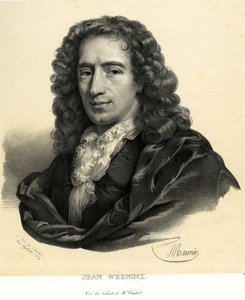
იან ვენიქი
1641 - 1719 , ნიდერლანდები
მოკლე ფაქტები
- Artistic Movement Or Style: დაბუჩური ბაროკო
- Artists Or Movements Influenced By This Artist: ['Maria Weenix']
- Artists Who Influenced This Artist:
- Jan Baptist Weenix
- Hendrick Vroom
- Date Of Birth: 1641
- Date Of Death: 1719
- Full Name: Jan Weenix
- Nationality: დაბუჩელი
- Notable Artworks:
- ნახ охота და ხილის Still Life
- Still Life with a Hare
- A Seated Monkey
- The White Peacock
- Place Of Birth: ამსტერდამი, ნიდერლანდები
მსგავსი სტატიები

ჰოლანდიის ოქროს ხანა: 10 შედევრი, რომელმაც განსაზღვრა ხელოვნება
აღმოფრთოვანდით ჰოლანდიის ოქროს ხანას! 10 შედევრი რემბრანტის, ვერმეერის და სხვა დიდებულებისგან. ითვლით ხელოვნების ისტორიას, აღმოაჩინეთ მათი ტექნიკები და შეიძინეთ музейური ხარისხის რეპროდუქციები OriginalUniqueArt.com-ზე!

Jan Jansz Wijnants: A Study in Dutch Golden Age Still Life & Floral Transience
Explore the captivating world of Jan Wijnants and Dutch Golden Age still life painting. Discover symbolism, masterful techniques & lasting influence on floral art history. Learn more!

Silent Narratives: Exploring the Enduring Appeal of Still Life Painting Across Centuries
Explore the rich history of still life painting with OriginalUniqueArt. Discover Dutch Masters, decode vanitas symbolism & learn about collecting timeless art. Expert insights and museum-quality reproductions.
Jan Steen: A Master of Dutch Genre Painting & the Golden Age
Explore the life & art of Jan Steen, a leading Dutch Golden Age painter renowned for his humorous genre scenes & insightful social commentary. Discover his techniques, legacy, and collecting tips.
Abraham Hendricksz van Beyeren: Pioneering Dutch Still Life & the Banquet Tradition
Explore the captivating world of Dutch Golden Age still life with Abraham van Beyeren. Discover his innovative techniques, symbolic banquet scenes & lasting influence on art history. Learn about collecting these masterpieces.

