

 ნახვა ინტერьерში
 გაგზავნა
 გაზიარება
 დეტალები
 გზამკვლევი

 ჩამოტვირთვა
 მსგავსები
 რენტგენოგრაფიული კვლევა
 სლაიდშოუ
 სტატისტიკა
Fruit and Flowers
 Oil On Canvas
- WallArt
- Dutch Golden Age
 1720
1720- Late Medieval
 81.0 x 60.0 cm
 Валлейс Колледж
 სრული ტექსტის ნახვა
გიკლე / ხელოვნების პრინტი
მუზეუმის დონის ჟიკლე ან ტილოზე ბეჭდვა სწრაფი წარმოებისა და დასრულების მოქნილი ვარიანტებით. ( შეიძინეთ ხელით შესრულებული ნახატი გადასვლა ციფრულ გამოსახულებაზე)




P118B ₾10

P118H ₾10

P118W ₾10

P438Z ₾10

P508JH ₾12

P508YH ₾12

P805H ₾10

P805Z ₾10

P919BZ ₾10

P919G ₾10

P919XJ ₾10

P959ZH ₾10

P968JZ ₾12

W106C ₾8

W218G ₾10

W218JH ₾8

W218Y ₾10

W307PJ ₾10

W316G ₾10

W316PJ ₾8

W316Y ₾10

W398PJ ₾8

W4111J ₾10

W500HY ₾15

W500JH ₾15

W692G ₾12

W849H ₾8

W940BG ₾15

W953PJ ₾8




აირჩიეთ ჩვენს მიერ წინასწარ განსაზღვრული ზომებიდან, რომლებიც ნაწარმოების ორიგინალურ პროპორციებს შეესაბამება.

შეიყვანეთ თქვენთვის საჭირო სიგანე და სიმაღლე, რათა იგი მოერგოს თქვენს ჩარჩოს ან კედელს. ბეჭდვისას შესაძლებელია მხოლოდ მისი შემცირება და არა გაზრდა, ამიტომ სხვა ფორმის ზომის შემთხვევაში გამოსახულება ნაწილობრივ იკარგება. სანამ რაიმეს დაბეჭდავთ, ჩვენ გამოგიგზავნით ციფრულ მაკეტს დასდასტურებლად. ამ გვერდზე ნაჩვენები სურათი არ ასახავს რეალურ ჭრას — ამას მხოლოდ მაკეტი გვიჩვენებს.
მიწოდება მთელ მსოფლიოში () 2 კვირაში, სტანდარტული 4/5 კვირის ნაცვლად. (27 ოქტომბერი)

უფასო ექსპრეს მიწოდება მთელ მსოფლიოში

მაღალი ხარისხის ტილო

ტრანსპორტირების სრული დაზღვევა

საბაჟო გადასახადების დაბრუნების გარანტია

ფერების სრული შესაბამისობის გარანტია

დაბრუნების 100-დღიანი პერიოდი (მხოლოდ წარმოების დეფექტის შემთხვევაში)

100% თანხის სრული დაბრუნების გარანტია

ფასდაკლება დიდი რაოდენობით შეკვეთისას
 მინის ჩარჩოს არჩევანი ხელმისაწვდომია მხოლოდ 110 სმ-მდე ზომისთვის

Fruit and Flowers
გიკლე / ხელოვნების პრინტი
რეპროდუქციის ზომა
-


ჯამური ღირებულება
₾ 208
A Window Into Dutch Golden Age Brilliance: Jan van Huysum’s “Fruit and Flowers”
The world of still life painting often evokes images of meticulously arranged tables laden with delicacies – a testament to the opulence and abundance of 17th-century Dutch society. Yet, within this genre lies a profound depth, a subtle poetry in capturing the fleeting beauty of nature’s bounty. Jan van Huysum's “Fruit and Flowers,” painted around 1720, isn’t merely a depiction of a collection; it’s an immersive experience, a meticulously crafted illusion that invites the viewer to step into a world brimming with color, texture, and symbolic resonance. This particular piece, housed within the Wallace Collection in London, stands as a remarkable example of the artist's mastery – a testament to his dedication to realism and his profound understanding of light, form, and the very essence of beauty.
The Art of Illusion: Technique and Style
Van Huysum’s technique is nothing short of astonishing. He employed a masterful layering of thin glazes of oil paint, building up color and luminosity with painstaking precision. This approach, characteristic of the Dutch Golden Age, allowed him to achieve an unparalleled level of detail – from the velvety skin of a peach to the delicate veins of a leaf. Notice how he renders the textures: the smooth sheen of polished surfaces like the peaches contrasts sharply with the rougher bark of branches and the intricate details of foliage. The use of directional lighting, originating from an unseen source above and slightly to the left, dramatically enhances the three-dimensionality of the objects, casting deep shadows that add depth and realism. The composition itself is a carefully orchestrated dance of overlapping elements, creating a sense of overflowing richness and inviting the eye to explore every corner of the arrangement.
A Symphony of Symbolism: Fruit, Flowers, and Cherubs
Beyond its technical brilliance, “Fruit and Flowers” is rich in symbolic meaning. The abundance of fruit – grapes, peaches, pumpkins – speaks directly to themes of prosperity, fertility, and the bounty of nature. The inclusion of flowers like poppies and lilies further amplifies this symbolism, each carrying its own specific associations: poppies representing beauty and passion, lilies symbolizing purity and innocence. But perhaps the most intriguing element is the subtle presence of a small cherub figure nestled amongst the arrangement. This detail, a nod to classical allusion, adds a layer of narrative complexity, hinting at themes of grace, harmony, and the connection between humanity and the natural world. The butterflies fluttering around the composition contribute to the overall sense of movement and vitality, suggesting the ephemeral nature of beauty itself.
A Legacy of Blossoms: Context and Artistic Influence
Jan van Huysum’s artistic lineage is deeply rooted in his family's legacy. His father, Justus van Huysum the Elder, was a respected flower painter, and his brothers, Jacob and Michiel, followed suit, establishing a tradition of botanical illustration that flourished within the Dutch Golden Age. Van Huysum himself wasn’t initially drawn to floral subjects; he experimented with landscapes early in his career. However, he quickly discovered his true calling in still life, mastering the art of rendering nature with breathtaking realism and an almost obsessive attention to detail. His work reflects a deep appreciation for the natural world, combined with a sophisticated understanding of artistic technique – a potent combination that cemented his place as one of the most celebrated flower painters of his time. The influence of artists like Caravaggio, known for his dramatic use of light and shadow, is subtly evident in Van Huysum’s compositions, adding to the overall sense of drama and intensity.
Today, reproductions of “Fruit and Flowers” offer a remarkable opportunity to bring this exquisite masterpiece into your home or office. Each hand-painted rendition captures the essence of Van Huysum's original work, faithfully recreating his meticulous detail, vibrant colors, and evocative atmosphere. It’s more than just a painting; it’s a window into a bygone era – a celebration of beauty, abundance, and the enduring power of art.
კითხვები და პასუხები
რა არის იან ვან ჰუისუმი-ის „Fruit and Flowers“-ის დომინანტური ფერი?
Espresso (#63574a) არის იან ვან ჰუისუმი-ის „Fruit and Flowers“-ის დომინანტური ფერი.
რა ስሜრს წარმოშობს იან ვან ჰუისუმი-ის „Fruit and Flowers“-ის ფერები?
იან ვან ჰუისუმი-ის „Fruit and Flowers“-ის Earthy პალიტრა იდეალურად ერწყმის მის Reflective ემოციურ ტონს. ფერი ერთ-ერთი საშუალებაა, რასაც ნამუშევარი გრძნობების გადმოსაცემად იყენებს.
იან ვან ჰუისუმი-ის შემოქმედების რომელ პერიოდს მიეკუთვნება „Fruit and Flowers“?
იან ვან ჰუისუმი-ის შემოქმედების პერიოდში, „Fruit and Flowers“ მიეკუთვნება Mature Period-ს. ეს ფაზა გვეხმარება მისი შედარება ხელოვანის სხვა ნამუშევრებთან.
მხატვრის ბიოგრაფია
ჰოლანდიური ყვავილების სამეფოს დიდებული მხატვარი - იან ვან ჰუისუმი
იან ვან ჰუისუმი, რომლის სახელი განუყოფელია ჰოლანდიური ოქროს ხანის განსაცვიფრებელი ყვავილების ნახატებთან, დაიბადა ამსტერდამში 1682 წლის 15 აპრილს. ის არ იყო მხოლოდ ყვავილების მხატვარი; მასწავლებელი ილუზიების შექმნის ხელობაში, რომელსაც მისი ფერწერული ნამუშევრებიდან თითქოს სურნელი მოჰფენდა. მისი გზა წინასწარ განსაზღვრული იყო, რადგან დაიბადა მხატვართა ოჯახში – მისი მამა, იუსტუს ვან ჰუისუმი უფროსი, ასევე სახელოვანი ყვავილების მხატვარი იყო, ხოლო მისმა ძმებმა, იაკობმა და მიხაელმაც იგივე გზა აირჩიეს. თუმცა, თავდაპირველად იანს ფლორალური სუბიექტები არც ისე ახარებდა. კარიერის ადრეულ ეტაპზე მან ლანდშაფტებზე დაახარისხა ძალისხმევა, რომელთა აღწერაც “კონვენციურადაც და იდილიურადცა” ხასიათდება, მაგრამ სწორედ დელიკატურ სტილში გამოვლინდა მისი ნამდვილი გენიურობა.
ვან ჰუისუმის სამხატვრო განათლების საფუძველი მამამისმა ჩაყარა, რომელმაც მას არა მხოლოდ ტექნიკური უნარები, არამედ ხელოვნების ბაზრის გაგებაც უჩუქა. ამსტერდამი იმ პერიოდში ვაჭრობისა და კულტურის ცენტრად квітლავდა, რაც ლუქსუსული და დეკორატიული ნახატებზე მოთხოვნას ზრდიდა, როგორიცაა მდიდრული ყვავილების კომპოზიციები. ამ გარემომ ჩამოაყალიბა ვან ჰუისუმის მიდგომა; ის ბუნებას არ ასრულებდა, არამედ სილამაზის იდეალურ ხილვას ქმნიდა, რაც სიხარულს და შთაბეჭდილებას უნდა მოეტანა. მისი უძველესი ნაწარმოები, რომელიც 1717 წელს შეიქმნა და დღეს ლუვრში ინახება, უკვე აღნიშნავს მის გამორჩეულ მომწიფებულობასა და ყურადღებას დეტალებზე, რაც მის შემდგომ უმაღლესოსტატობაში წინასწარ მიანიშნებს.
დეტალების ხელოვნება: ტექნიკა და სტილი
ვან ჰუისუმს განსაკუთრებულად გამოარჩევს მისი შეუდარებელი ტექნიკა. მან გამოიყენა გლუვი, блестящие ფუნჯითი ნაწილები, ფერწერული ზედაპირის რამდენიმე შრის შექმნის მიზნით, რაც ფერების სიმდიდრესა და სიცხოველეს აძლიერებდა. მაგრამ საქმე მხოლოდ ფერებში არ იყო; მთავარი განათება იყო – ის, თუ როგორ თამაშობდა იგი ყვავილის ფურცლებზე, ანათებდა წყლის წვეთებს ფოთლებზე და სიღრმის გრძნობას ქმნიდა. მას ჰქონდა არაჩვეულებრივი მზერა დეტალებზე, ზუსტად აღიქვამდა ყოველი ყვავილის, ხილისა და ფოთლის ტექსტურას გასაოცარი სიზუსტით. არსებობს ისტორიები, რომ მას შეეძლო ჭიანჭველებისა და წვეთების ასახვა იმდენად რეალისტურად, რომ ისინი გამადიდებელი მინაშენის გარეშეც ჩანდა – ეს მისი ერთგულებისა და უნარის მოწმობაა.
ვან ჰუისუმის კომპოზიციები ხასიათდება გა refinementებული ელეგანტურობითა და ბალანსით. იგი თავიდან აიცილებდა დისბალანსს ან გადატვირთულობას, განსხვავებით თანამედროვეებისგან, რომლებსაც სავსე კომპოზიციები მოსწონდათ. მისი შემდგომი ნამუშევრები უფრო დახვეული გახდა, მაგრამ ყოველთვის ინარჩუნებდნენ ჰარმონიისა და ელეგანტურობის გრძნობას. ის ხშირად ფანტაზიის ელემენტებს აერთიანებდა თავის ნამუშევრებში, განსაკუთრებით ლანდშაფტებში, რომლებიც წარმოსახვით სცენებს შეიცავდნენ კლასიკური არქიტექტურული დეტალებითა და გაჩერებული ხეებით. ეს ტოპოგრაფიული სიზუსტის მცდელობები არ იყო, არამედ გამომსახველობითი გარემოებები, რომლებიც ყვავილების სილამაზეს წარმოაჩენდა.
ყვავილობის რეპუტაცია: ძირითადი ნაწარმოებები და მემკვიდრეობა
მისი სიცოცხლის განმავლობაში იან ვან ჰუისუმმა მნიშვნელოვანი აღიარება და ფინანსური წარმატება მოიპოვა. მისი ნახატები ძალიან მოთხოვნადი იყო კოლექციონერებში, ხოლო მის ნამუშევრებზე მაღალი ფასი ინახებოდა. დღეს მისი შედევრი პატივმოყვარე მუზეუმებსა და მთელ მსოფლიოში კერძო კოლექციებში გვხვდება, მათ შორის ლუვრი პარიზში, ეროვნული გალერეა ლონდონში, ბერლინისა და ამსტერდამის კოლექციები. მის ყველაზე ცნობილ ნაწარმოებებს შორისაა ტერაკოტას ვაზა ყვავილებითა და ხილით, რომელიც ფერის და ტექსტურის განსაცვიფრებელი ჩვენებაა; ყვავილები და ხილი, რომელიც მისი კომპოზიციის უმაღლესიოსტატობის დემონსტრაციაა; და ყვავილების ბუკეტი ქოთანში, რაც ბუნების ეფემერული სილამაზის აღქმაზე მიანიშნებს.
ვან ჰუისუმის გავლენა მის დროს გასცდა და მომდევნო თაობების მხატვრებს შთააგონა. მხატვრები, როგორიცაა იან ვან ოსი და იოჰანეს დე ბოში, ნათლად აჩვენებენ მის გავლენას შემდგომ ყვავილოვან სტილზე. ის ჰოლანდიური ოქროს ხანის ყვავილების ნახატების მწვერვალს წარმოადგენს, პერიოდს, რომელიც ბუნების ზუსტი დაკვირვებითა და სილამაზის აღნიშვნით განისაზღვრება. მისი მემკვიდრეობა მხოლოდ შექმნილი უამრავ ნახატში არ მდგომარეობს, არამედ მის სტილში მდგრადი მიმზიდველობის შესახებ – სტილში, რომელიც დღესაც შთააგონებს მხატვრებსა და იწვევს მაყურებლების აღფრთოვანებას. მისი ნამუშევრები ძლიერი შეხსენებაა ხელოვნებისა და უნარის შესახებ, რომლებიც საჭიროა ბუნების გარდამავალი სილამაზის მარადიულ შედევრიად გადაქცევისთვის.
ოჯახური კავშირები და სამხატვრო გვაროვნება
- იუსტუს ვან ჰუისუმი უფროსი (1659–1716): იანის მამა, ყვავილების კომპოზიციებისა და დეკორატიული სქემების პროლიფიკური მხატვარი.
- იაკობ ვან ჰუისუმი (1688–1740): იანის ძმა, ასევე სახელოვანი მხატვარი

იან ვან ჰუისუმი
1682 - 1749 , საქართველო
მოკლე ფაქტები
- Artistic Movement Or Style: დიდი ჰოლანდიური სტილი
- Artists Or Movements Influenced By This Artist: ['იან ვან ოსი']
- Artists Who Influenced This Artist: ['Justus van Huysum']
- Date Of Birth: 15 აპრილი 1682
- Date Of Death: 8 თებერვალი 1749
- Full Name: იან ვან ჰუისუმ
- Nationality: ჰოლანდიელი
- Notable Artworks (List Of Titles):
- ტერაკოტას ვარდი
- ყვავილები და ხილი
- Place Of Birth (City And Country): ამსტერდამი, ნიდერლანდი
მსგავსი სტატიები

ჰოლანდიის ოქროს ხანა: 10 შედევრი, რომელმაც განსაზღვრა ხელოვნება
აღმოფრთოვანდით ჰოლანდიის ოქროს ხანას! 10 შედევრი რემბრანტის, ვერმეერის და სხვა დიდებულებისგან. ითვლით ხელოვნების ისტორიას, აღმოაჩინეთ მათი ტექნიკები და შეიძინეთ музейური ხარისხის რეპროდუქციები OriginalUniqueArt.com-ზე!

Golden Light & Dutch Skies: The Timeless Magic of Dutch Golden Age Landscapes
Discover the breathtaking beauty of Dutch Golden Age landscapes. Explore the mastery of light, chiaroscuro, and 17th-century realism through an expert art history lens, celebrating the enduring legacy of the Dutch Masters for discerning collectors and art lovers.
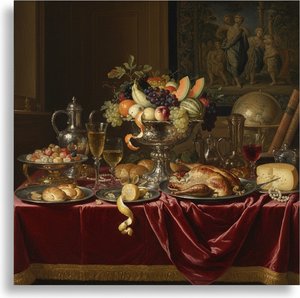
Abraham Hendricksz van Beyeren: Pioneering Dutch Still Life & the Banquet Tradition
Explore the captivating world of Dutch Golden Age still life with Abraham van Beyeren. Discover his innovative techniques, symbolic banquet scenes & lasting influence on art history. Learn about collecting these masterpieces.

რემბრანდტის 25 შედევრი: ხელოვნების ისტორია თქვენს სახლში | OriginalUniqueArt
აღმოაჩინეთ რემბრანდტის 25 უნიკალური შედევრი! ოქროს ხანის ბაროკო ხელოვნება, ავტოპორტრეტები და ღამის თვალთუმაჩვილი – OriginalUniqueArt.com-ზე. შეიძინეთ მუზეუმის ხარისხის რეპროდუქციები სახლის დეკორისთვის. Explore the full collection online!

Jan Jansz Wijnants: A Study in Dutch Golden Age Still Life & Floral Transience
Explore the captivating world of Jan Wijnants and Dutch Golden Age still life painting. Discover symbolism, masterful techniques & lasting influence on floral art history. Learn more!