
 ნახვა ინტერьерში
 გაგზავნა
 გაზიარება
 დეტალები
 გზამკვლევი

 ჩამოტვირთვა
 მსგავსები
 რენტგენოგრაფიული კვლევა
 სლაიდშოუ
 სტატისტიკა
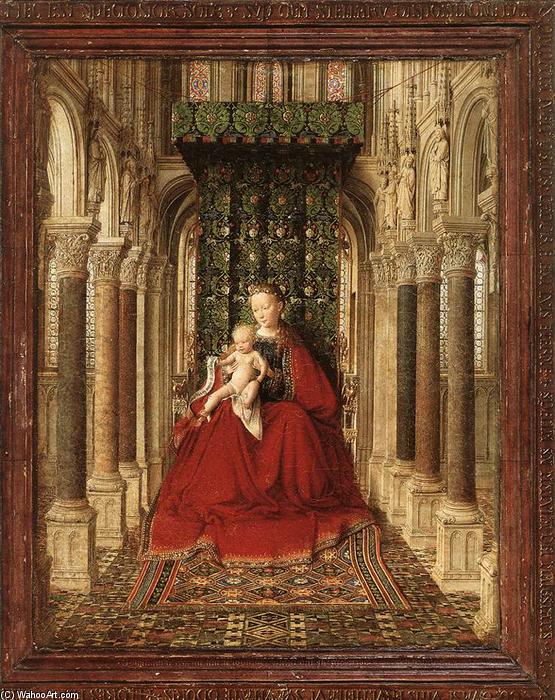
Small Triptych (central panel)
 ზეთი
ზეთი- კედლის დეკორი
- Early Netherlandish Painting
 1437
1437- რენესანსი
 27.0 x 21.0 cm
 Gemäldegalerie Alte Meister
 სრული ტექსტის ნახვა
ხელით შესრულებული ზეთის საღებავით რეპროდუქცია
ტილოზე შესრულებული ფერწერიანი ზეთប្រდათი, თქვენთვის სასურველი ზომისა და ჩარჩოსთვის, ჩვენი ხელოვანების მიერ შეკვეთის საფუძველზე დამზადებული. ( გადართვა ბეჭდვის რეჟიმზე გადასვლა ციფრულ გამოსახულებაზე)




P118B ₾10

P118H ₾10

P118W ₾10

P438Z ₾10

P508JH ₾12

P508YH ₾12

P805H ₾10

P805Z ₾10

P919BZ ₾10

P919G ₾10

P919XJ ₾10

P959ZH ₾10

P968JZ ₾12

W106C ₾8

W218G ₾10

W218JH ₾8

W218Y ₾10

W307PJ ₾10

W316G ₾10

W316PJ ₾8

W316Y ₾10

W398PJ ₾8

W4111J ₾10

W500HY ₾15

W500JH ₾15

W692G ₾12

W849H ₾8

W940BG ₾15

W953PJ ₾8




აირჩიეთ ჩვენს მიერ წინასწარ განსაზღვრული ზომებიდან, რომლებიც ნაწარმოების ორიგინალურ პროპორციებს შეესაბამება.

შეიყვანეთ თქვენთვის საჭირო სიგანე და სიმაღლე, რათა ნახატი მოერგოს თქვენს ჩარჩოს ან კედელს. ვინაიდან ეს ნამუშევარი ხელით არის შესრულებული, სხვა ფორმის ზომის შემთხვევაში, მხატვარმა შესაძლოა სურათის გარშემო ოდნავ მეტი დატოვოს ან შეამციროს — არჩევანი თქვენზეა. დაწყებამდე, დასამტკიცებლად, ჩვენ გამოგიგზავნით ციფრულ მაკეტს. ამ გვერდზე ნაჩვენები სურათი არ ასახავს რეალურ შედეგს — რეალური სახე მხოლოდ მაკეტზე ჩანს.
შეკვეთის შემდეგ, OriginalUniqueArt.com გუნდი დაგიკავშირდებათ ელექტრონული ფოსტით ინსტრუქციებისთვის და გამოგიგზავნით წინასწარ ნახაზს (mockup).
მიწოდება მსოფლიო მასშტაბით -ში 3/4 კვირაში, სტანდარტული 5 კვირის ნაცვლად. (24 ოქტომბერი). ხარისხზე კომპრომისის გაკეთება არ მოხდება.

უფასო ექსპრეს მიწოდება მთელ მსოფლიოში

მაღალი ხარისხის ტილო

ტრანსპორტირების სრული დაზღვევა

საბაჟო გადასახადების დაბრუნების გარანტია

ფერების სრული შესაბამისობის გარანტია

დაბრუნების 100-დღიანი პერიოდი (მხოლოდ წარმოების დეფექტის შემთხვევაში)

100% თანხის სრული დაბრუნების გარანტია

ფასდაკლება დიდი რაოდენობით შეკვეთისას
 მინის ჩარჩოს არჩევანი ხელმისაწვდომია მხოლოდ 110 სმ-მდე ზომისთვის

Small Triptych (central panel)
რეპროდუქციის ტექნიკა
რეპროდუქციის ზომა
-


ჯამური ღირებულება
₾ 785
The Intimate World of Jan van Eyck's Central Panel
Within the confines of the ‘Small Triptych,’ a masterpiece by Jan van Eyck completed around 1437, resides a scene of profound serenity and quiet contemplation. This central panel, measuring just 27 x 21 centimeters, isn’t merely a depiction of a mother and child; it's an exquisitely rendered meditation on domesticity, faith, and the enduring bond between generations. Van Eyck, a pivotal figure in the Early Netherlandish movement, masterfully employs his revolutionary oil painting technique to capture not just the outward appearance but also the very essence of this intimate moment. The woman, seated comfortably within a simple chair, exudes an aura of gentle authority and profound love as she cradles her infant – a visual embodiment of nurturing and protection. The subtle modeling of her garments, achieved through layers of meticulously applied paint, creates a remarkable sense of tactile realism, inviting the viewer to almost feel the softness of the fabric against their fingertips.
Notice the deliberate placement of the figures within the space. They are not isolated but subtly integrated into a carefully constructed architectural setting. Three arches frame the scene, hinting at a sacred or domestic space—perhaps a chapel or a private chamber—and adding depth to the composition. Above the mother and child, a clock serves as a poignant reminder of time’s passage, anchoring the scene in both earthly reality and spiritual contemplation. The inclusion of this seemingly mundane object elevates it to a symbol of mortality and the preciousness of fleeting moments.
Light and Shadow: Van Eyck's Revolutionary Technique
What truly distinguishes Van Eyck’s work is his unparalleled mastery of light. He doesn’t simply paint light; he *creates* it, manipulating its effects to sculpt form and imbue the scene with a luminous quality. Unlike earlier painters who relied on tempera, which produced flat, lifeless surfaces, Van Eyck's use of oil paints allowed him to build up layers of color gradually, creating subtle gradations of tone and texture. This technique enabled him to achieve an astonishing level of realism – the way light catches on the woman’s hair, the delicate folds in her dress, and the soft glow around the infant are all testament to his skill.
The interplay of light and shadow is particularly evident in the modeling of the figures. Van Eyck uses highlights to accentuate their forms, creating a sense of three-dimensionality that was revolutionary for its time. The shadows, conversely, recede into the background, drawing the viewer’s eye towards the central figures and enhancing the overall sense of intimacy. This masterful control of light is not merely aesthetic; it serves to convey a profound emotional resonance, suggesting both serenity and a quiet reverence.
A Window into the Renaissance: Symbolism and Context
The ‘Small Triptych’ resides within the Gemäldegalerie Alte Meister in Dresden, Germany—a treasure trove of Early Netherlandish art. Van Eyck's work is deeply rooted in the International Gothic style, yet he pushed beyond its decorative flourishes to embrace a more naturalistic and realistic approach. His innovations in oil painting – particularly his ability to create luminous colors and incredibly detailed textures – profoundly influenced subsequent generations of artists. The triptych itself represents a shift towards private devotional art, moving away from the grand altarpieces commissioned by churches and towards smaller, more intimate works intended for domestic use.
The inclusion of elements like the clock and the arches suggests a connection to both earthly and spiritual realms. The mother-child relationship is central to Christian iconography, representing the Virgin Mary and Christ—a potent symbol of divine grace and salvation. The overall composition evokes a sense of timelessness, inviting viewers to contemplate the enduring power of family, faith, and the beauty of the everyday.
Bringing Jan van Eyck Home: A Hand-Painted Reproduction
OriginalUniqueArt offers exquisite, hand-painted reproductions of Jan van Eyck’s ‘Small Triptych (central panel)’, capturing the artist's revolutionary techniques and profound emotional depth. Each reproduction is meticulously crafted by our skilled artisans, using traditional oil painting methods to faithfully recreate Van Eyck’s luminous colors, intricate details, and masterful modeling. Owning a OriginalUniqueArt reproduction allows you to bring this iconic masterpiece into your home or office, celebrating the enduring legacy of one of art history's greatest masters. Explore our collection today and experience the magic of Van Eyck’s vision firsthand.
კითხვები და პასუხები
ვინ შექმნა "Small Triptych (central panel)"?
„Small Triptych (central panel)“ მიკუთვნებულია იან ვან ეიკი-ს.
ვინ შექმნა "Small Triptych (central panel)" და როდის?
იან ვან ეიკი-მა შექმნა „Small Triptych (central panel)“ 1437 წელს.
არის თუ არა იან ვან ეიკი-ის შემოქმედებისგან „Small Triptych (central panel)“ საჯარო საკუთრებაში და რატომ?
იან ვან ეიკი-ის ნამუშევარი "Small Triptych (central panel)" არის საჯარო საკუთრებაშია - მისი საავტორო უფლებები ამოწდა. საავტორო უფლებების ვადები ითვლება ხელოვანის გარდაცვალებიდან; იან ვან ეიკი კი 1441 წელს გარდაიცვალა.
მხატვრის ბიოგრაფია
იან ვან ეიკი: ნათელი და დეტალისოსანი სამყარო
იან ვან ეიკი, რომლის სახელსაც უკავშირდება მოგვიანებით შუა საუკუნეების ფლამანდური ζωγραφების გაბატონება და ზეთის საღებავის რევოლუციური გამოყენება, დღემდე წარმოადგენს ერთ-ერთ ყველაზე მნიშვნელოვან დაიდუმკვრებულ ფიგურას ხელოვნების ისტორიაში. მასპშტრიხტის მახლობლად დაბადებული, თანამედროვე ნიდერლანდებში, ვან ეიკი სამართლებრივი ტრადიციებით აღზრდილი ოჯახიდან იყო. მისი უფროსი ძმა, ჰუბერტ ვან ეიკიც ასევე იყო მხატვარი, თუმცა მის შემოქმედებასთან დაკავშირებული დეტალები დღემდე საკმაოდ ნოლოვანია. მიუხედავად იმისა, რომ ზუსტი ბიოგრაფიული მონაცემები იშვიათია, განსაკუთრებით მისი ადრეული წლების შესახებ, აშკარად ჩანს, რომ იანს თანდაყოფილი ნიჭი ჰქონდა და სწრაფად მოიპოვა აღიარება ხელოვანების წრეებში. უკვე 1422 წლისთვის მან საკუთარი სახელოსნო დააარსა ჰააგაში, სადაც რამდენიმე ასისტენტს მართავდა და შეკვეთებს ასრულებდა, რაც მის ხელობასთან დაკავშირებულ ნიჭს ცხადყოფდა. ეს ადრეული წარმატება მხოლოდ მხატვრული უნარებზე არ იყო დაფუძნებული; ვან ეიკი ინტელექტიანი და სანდო ადამიანი იყო, რაც მალევე მიიპყრო გავლენიანი პატრონების ყურადღება.ბურგუნდიის სამსახური: დიპლომატია და მხატვრული აღმავლობა
იან ვან ეიკის კარიერაში გადამწყვეტი მომენტი მისი მოთავსება ბურგუნდიის კარზე იყო, ჯონ III-ს (მოკლემოსნე) მსახურობიდან იწყებული და შემდეგ ფილიპ გულაგმერთთან. ეს არ იყო მხოლოდ ხელოვნების პატრონაჟი; ვან ეიკს საიდუმო დიპლომატიურ მისირთვებსაც ანდობდნენ, რაც ბერის თავდაჯერებულობასა და ინტელექტს ადასტურებდა. ამ ევროპული მოგზაურობებმა - მათ შორის პორტუგალიასა და ესპანეთში ვიზიტებმა - მას სხვადასხვა კულტურასა და მხატვრული გავლენების საშუალება მისცა, რაც უმნიშვნელოდ შეცვალა მისი სტილი. სასახლე არა მხოლოდ ფინანსურ სტაბილურობას უზრუნველყოფდა, არამედ რესურსებზე წვდომასაც კი, რაც ვან ეიკს საშუალებას აძლევდა амбициозных პროექტების განხორციელება და ხელოვნების შესაძლებლობების საზღვრების გადაკვრა. ის არ იყო მხოლოდ ბურგუნდიელი არისტოკრატებისთვის მხატოვანი; ის მათი სამყაროს неотъемлемой ნაწილად იქცა, რომელიც ასახავდა და ამყარებდა მათ დიდებულებას თავისი ხელოვნების გზით. ეს უნიკალური პოზიცია მას იშვიათი დონეზე მხატვრულ თავისუფლებას უნერგავდა, რაც საშუალებას აძლევდა экспериментировать და ინოვაციებს განვითარებოდა.ზეთის საღებავის ალქემია: ტექნიკის რევოლუცია
მიუხედავად იმისა, რომ ვან ეიკი არ იყო ზეთის საღებავის εφენიერი - მისი გამოყენება წინ უძნეობდა მას - ის უდავოდ მის სრულყოფილებაში ჩაერთო. ტემპერას დომინირებასთან შედარებით, ვან ეიკმა ზეთის საღებავის შესაძლებლობები სრულად გამოაცხადა, ფენების მრავალრიგობით, რაც беспрецедентного დონეზე დეტალებს, სიკაშკაშეს და რეალიზმს უზრუნველყოფდა. ამ ტექნიკის წყალობით შესაძლებელი იყო ტონის тонкие градациები, насыщенные цвета და ტექსტურების შექმნა, რომლებიც ცხოვრებას ჰგავდნენ. შედეგი გარდამორთბული იყო; ზედაპირები შიგნიდან ანათებოდა, ქსოვილები тактильное качество აჩვენებდნენ, ხოლო პორტრეტები არა მხოლოდ სახეებს არამედ ფსიქოლოგიურ სიღრემესაც ასახავდნენ. მისი ნიჭი 단순 технический не было; ეს იყო алхимический процесс, რომელიც пігменты живым реальностью превращал. ეს инновация незаметно осталась; ის стала основой для поколений художников, которые последовали за ним, фундаментально изменив ландшафт западного искусства.шедевры и непреходящее наследие
იან ვან ეიკის მხატვრული მემკვიდრეობა небольшой, но глубоко влиятельной работы закреплена. Гентский алтарь (1432 год) является его самым амбициозным предприятием - сложным гобеленом религиозной символики и технического великолепия. Не менее известна и *Портрет Джованни Арнольфини и его жены* (1434), новаторская работа в портретной живописи, отмеченная реализмом, замысловатыми деталями и загадочной символикой. Другие примечательные работы включают Дрезденский триптих, демонстрирующий его мастерство в изображении религиозных сцен с замечательной ясностью, и поразительного *Мужчину в синем тюрбане*, свидетельствующего о его способности запечатлеть индивидуальный характер. Эти картины - не просто визуальные представления; это окна в другой мир - мир, тщательно воссозданный с почти одержимым вниманием к деталям. Влияние Ван Эйка простирается далеко за пределы этих знаковых работ, формируя развитие ранней нидерландской живописи и вдохновляя бесчисленное количество художников на протяжении веков. Он умер в Брюгге в 1441 году, оставив после себя наследие, которое продолжает резонировать сегодня, напоминая нам о силе искусства освещать человеческий опыт.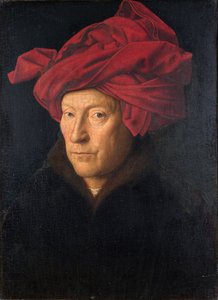
იან ვან ეიკი
1390 - 1441 , ნიდერლანდები
მოკლე ფაქტები
- Artistic Movement Or Style: ადრეული ფლამანდური სკოლა
- Artists Or Movements Influenced By This Artist: ['ადრეული ფლამანდური მხატვრები']
- Date Of Birth: დაახლ. 1390 წელი
- Date Of Death: 1441 წელი
- Full Name: იან ვან ეიკი
- Nationality: ფლამანდიელი
- Notable Artworks:
- გენტის საკურთევლისი
- ჯოვანი არნოლფინის портრეტი
- დრეზდენის სამკვარი
- ლურჯ შუბთილოსანი კაცი
- Place Of Birth: მაასტრიხტი, ნიდერლანდები
მსგავსი სტატიები
Early Netherlandish Masters: 10 Paintings That Revolutionized Art & Decor
Journey into the Early Netherlandish Renaissance! Explore 10 iconic paintings by Jan van Eyck, Rogier van der Weyden & more. Discover stunning detail, symbolism, and oil painting techniques. Find museum-quality art reproductions for your home at OriginalUniqueArt.com.

Illuminating Realism: A Comprehensive Exploration of the Early Netherlandish Renaissance Movement
Explore the captivating world of Early Netherlandish painting! Discover Jan van Eyck & other Flemish masters, their revolutionary techniques, hidden symbolism, and lasting legacy. A comprehensive guide for art enthusiasts.

Early Netherlandish Masters: 10 Paintings That Revolutionized Art & Decor
Journey into the world of Early Netherlandish painting! Explore 10 masterpieces by Jan van Eyck, Rogier van der Weyden & more. Discover stunning detail, symbolism & Renaissance art for your home decor. Find museum-quality reproductions on OriginalUniqueArt.com

Jan van Eyck: Innovation, Symbolism & the Dawn of Early Netherlandish Painting
Explore the revolutionary art of Jan van Eyck! Discover his groundbreaking oil painting techniques, hidden symbolism, and lasting impact on the Early Netherlandish Renaissance. A deep dive for art enthusiasts.

Early Netherlandish Renaissance: A Professional Guide to Mastering Detail and Realism for Luxury Interior Design
Expert guide for hotel designers on sourcing Early Netherlandish Renaissance reproductions. Discover how the hyper-realism of Jan van Eyck can elevate hospitality interiors through high-quality, large-scale oil paintings and custom multi-panel installations.


