
 წინასწარი ნახვა
 გაგზავნა
 გაზიარება
 დეტალები
 გზამკვლევი

 ჩამოტვირთვა
 მსგავსები
 რენტგენოგრაფიული კვლევა
 სლაიდშოუ
 კითხვა-პასუხი
 სტატისტიკა
LE MENDIANT


 გააგრძელეთ კითხვა
გიკლე / ხელოვნების პრინტი
მუზეუმის დონის ჟიკლე ან ტილოზე ბეჭდვა სწრაფი წარმოებისა და დასრულების მოქნილი ვარიანტებით. ( შეიძინეთ ხელით შესრულებული ნახატი გადართვა ციფრულ გამოსახულებაზე)




P118B ₾10

P118H ₾10

P118W ₾10

P438Z ₾10

P508JH ₾12

P508YH ₾12

P805H ₾10

P805Z ₾10

P919BZ ₾10

P919G ₾10

P919XJ ₾10

P959ZH ₾10

P968JZ ₾12

W106C ₾8

W218G ₾10

W218JH ₾8

W218Y ₾10

W307PJ ₾10

W316G ₾10

W316PJ ₾8

W316Y ₾10

W398PJ ₾8

W4111J ₾10

W500HY ₾15

W500JH ₾15

W692G ₾12

W849H ₾8

W940BG ₾15

W953PJ ₾8




აირჩიეთ ჩვენს მიერ წინასწარ განსაზღვრული ზომებიდან, რომლებიც ნაწარმოების ორიგინალურ პროპორციებს შეესაბამება.

შეიყვანეთ თქვენთვის საჭირო სიგანე და სიმაღლე, რათა გამოსახულებამ თქვენს ჩარჩოს ან კედელს ზუსტად მოერგოს. ბეჭდვისას შესაძლებელია მხოლოდ მისი შემცირება და არა გაზრდა, ამიტომ სხვა ფორმის ზომის შემთხვევაში სურათი ნაწილობრივ იკარგება. სანამ რაიმეს დაბეჭდავთ, ჩვენ გამოგიგზავნით ციფრულ მაკეტს დასდასტურებლად. ამ გვერდზე ნაჩვენები სურათი არ ასახავს რეალურ ჭრას — ამას მხოლოდ მაკეტი გვიჩვენებს.
მიწოდება მთელ მსოფლიოში () 2 კვირაში, სტანდარტული 4/5 კვირის ნაცვლად. (10 ნოემბერი)

უფასო ექსპრეს მიწოდება მთელ მსოფლიოში

მაღალი ხარისხის ტილოს ქსოვილი

ტრანსპორტირების სრული დაზღვევა

საბაჟო გადასახადების დაბრუნების გარანტია

ფერების სრული შესაბამისობის გარანტია

დაბრუნების 100-დღიანი პოლიტიკა (მხოლოდ დეფექტის შემთხვევაში)

100% თანხის სრული დაბრუნების გარანტია

ფასდაკლება დიდი რაოდენობით შეკვეთისას
 მინის ჩარჩოს არჩევანი შესაძლებელია მხოლოდ 110 სმ-მდე ზომისთვის

LE MENDIANT
გიკლე / ხელოვნების პრინტი
რეპროდუქციის ზომა
-


საბოლოო ღირებულება
₾ 210
Jan Miel’s “Le Mendiant”: A Window Into Baroque Dignity Amidst Poverty
The artwork "Le Mendiant," attributed to Jan Miel (1599 – 1663), stands as a poignant testament to the artistic spirit of the Dutch Golden Age and its engagement with broader humanist concerns. Painted circa 1630, this genre scene—a hallmark of Miel’s oeuvre during his formative years in Rome—captures a moment of quiet contemplation within a bustling tavern interior, offering viewers an arresting glimpse into both social realities and artistic sophistication.Composition and Style: Baroque Restraint Within Classical Framework
Miel's stylistic approach skillfully blends influences from Flemish masters like Anthony van Dyck with the burgeoning grandeur of Italian Baroque aesthetics. The horizontal orientation of the canvas immediately establishes a sense of stability, mirroring the formal balance characteristic of Baroque compositions. However, unlike the opulent theatricality often associated with Rome at the time, Miel employs subtle tonal gradations and muted colors—primarily grayscale—to convey an atmosphere of understated dignity. This deliberate restraint serves to heighten the emotional impact of the depicted scene: a beggar humbly requesting alms amidst a group of patrons engaged in conversation. The artist’s meticulous attention to detail—evident in the rendering of textures, particularly on the tavern table and the livestock visible in the background—underscores Miel's commitment to realism while simultaneously grounding the image within a broader artistic tradition.Detailed Examination: Technique and Materials
The painting utilizes oil paint on canvas with considerable skill. Brushstrokes are perceptible but carefully blended, creating a smooth surface that enhances the illusion of depth and luminosity despite the absence of vibrant hues. Layers of tonal variation—a technique favored by Miel—are skillfully applied to sculpt form and delineate contours, capturing the nuances of light and shadow within the tavern setting. The artist’s meticulous observation of natural forms—reflected in the depiction of the cows and sheep—demonstrates a profound understanding of classical principles of perspective and anatomical accuracy.Historical Context: Rome and Beyond – Miel's Artistic Journey
Jan Miel’s artistic development unfolded primarily in Rome during the 1630s, where he honed his craft under the patronage of Charles Emanuel II, Duke of Savoy—a connection that cemented his reputation as a court artist. This period witnessed a significant shift towards classicizing tendencies within Miel's oeuvre, mirroring the broader cultural revival occurring across Europe. The artwork’s subject matter – depicting poverty alongside social interaction – speaks to the humanist ideals prevalent during the Baroque era, reflecting an interest in portraying human experience with compassion and intellectual rigor.Symbolism: Dignity Amidst Adversity
“Le Mendiant” transcends mere visual representation; it embodies a deeper symbolic resonance. The beggar’s posture—characterized by humility and supplication—serves as a poignant reminder of the vulnerability inherent within the human condition. Simultaneously, the gathering of people around the table symbolizes communal life and social responsibility. The inclusion of livestock reinforces the artwork's connection to rural existence and underscores its engagement with themes of moral contemplation. Ultimately, Miel’s masterpiece invites viewers to consider not only the aesthetic beauty of the scene but also its profound ethical implications—a testament to the enduring power of art to illuminate both the grandeur and fragility of human experience.- Artist: Jan Miel
- Birth Year: 1599
- Death Year: 1663
- Birth City: Beveren
- Birth Country: Belgium
Additional Resources:
LE MENDIANT – Louvre site des collections 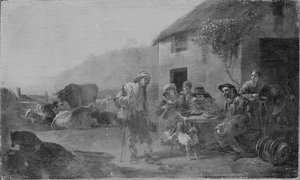
jan josef horemans the elder – Belgian painter (1682-1759) known for detailed interiors & anatomical precision.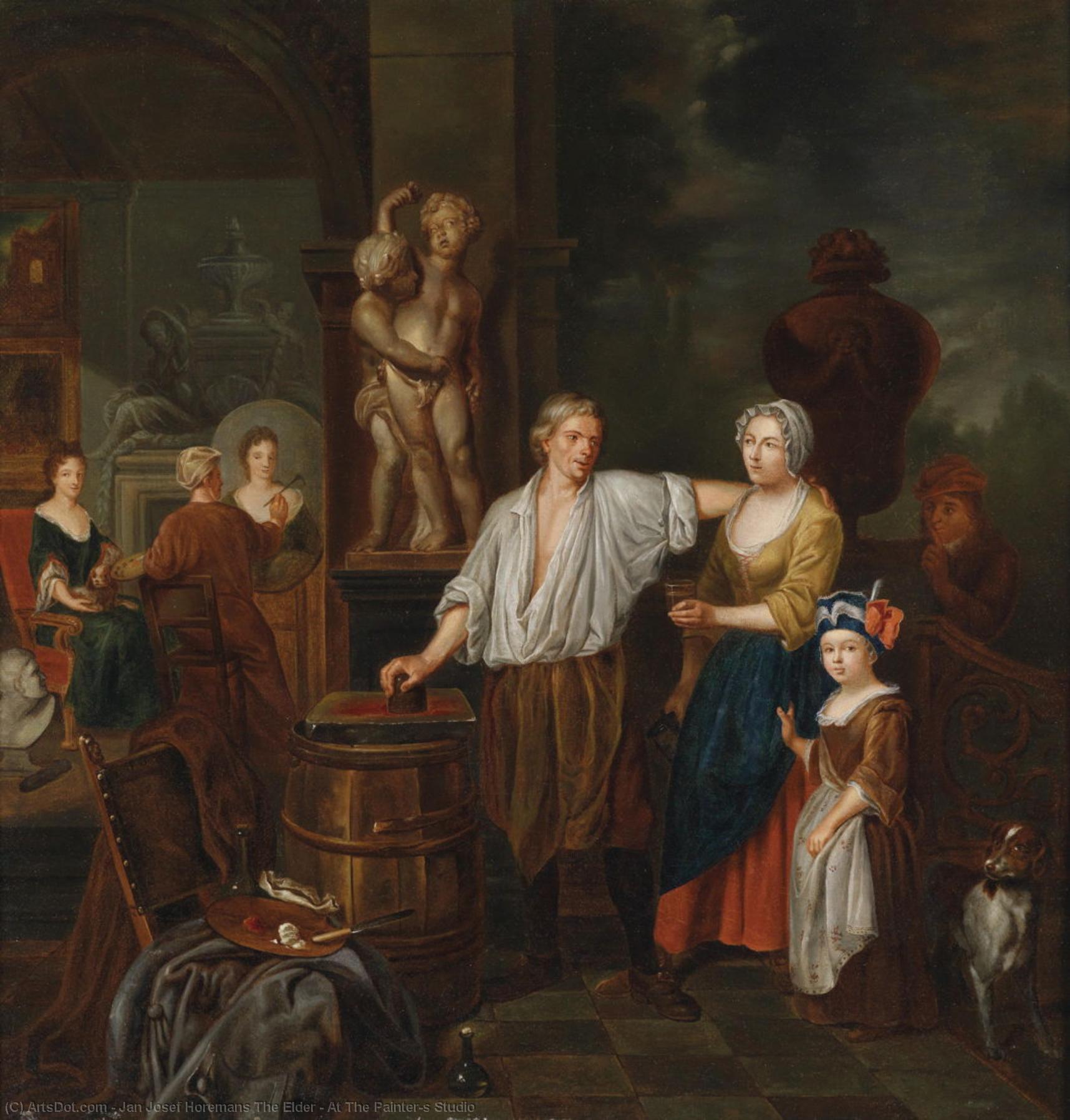
jan le ducq – Explore the captivating landscapes & animal paintings of Jan Le Ducq, a Dutch master known for his dog portraits.
Jan Miel – Cavaliere della Vita, (Anvers, 1599 - Turin, 1663) Court artist to Charles Emanuel II, Duke of Savoy.
Louvre, Paris, France – INV 1447 and MR 816 ( )
)

File:Jan Miel - The beggar.JPG – Wikimedia Commons 
Louvre Cartel – Foucart, Jacques, Catalogue des peintures flamandes et hollandaises du musée du Louvre, Gallimard / Louvre éditions, 2009, p. 182, ill. n&bCatalogue des peintures flamandes et hollandaises
კითხვები და პასუხები
როგორ უკავშირდება „LE MENDIANT“-ის სტილი მისი შემოქმედის ეპოქას?
იან მიელი-ის „LE MENDIANT“ მიეკუთვნება Dutch Golden Age Painting სტილს და მისი შემოქმედების ადრეული თანამედროვეობა ეპოქას წარმოადგენს.
რატომ არის "LE MENDIANT"-ის საავტორო უფლებების სტატუსი სწორედ ასეთი?
„LE MENDIANT“-ის საავტორო უფლებების სტატუსი — საჯარო საკუთრებაშია — საავტორო უფლებები ამოწდა — განპირობებულია მხატვრის იმ გარდაცვალებით, რომელიც 1663-ში მოხდა.
რა სიმკვეთრესა და ინტენსივობას ავლენს იან მიელი-ის „LE MENDIANT“?
იან მიელი-ის „LE MENDIANT“-ში ფიქსირდება Muted გაჯერებულობა და Monochromatic ინტენსივობა.
მხატვრის ბიოგრაფია
იან მიელი: დიუჩური რეალიზმისა და ბაროკოს დიდებულების შეერთება
იან მიელი (1599–1663) მეჩვიდმეტე საუკუნის სახელოვნებო ლანდშაფტში საკვანძო ფიგურად იდგა, რომელიც ფლამენდური ტრადიციისა და იტალიური ინოვაციის მომხიბვლელ შერწყმას განასახიერებდა. იგი დაიბადა ბევერენში, ბელგიაში — თუმცა მისი დაბადების ადგილი ანტვერპენიც და ’ს-ჰერტოგენბოქსიც შეიძლება იყოს — მიელის ადრეული ცხოვრება შედარებით ბუნდოვანი რჩება, რაც ბიოგრაფიულ დეტალებს სიმცირეს ანიჭებს. თუმცა, რაც მეცნიერული კვლევებიდან იკვეთება, არის გასაოცარი შემოქმედებითი გზა, რომელიც აღსავსეა სტილისტური ევოლუციითა და კოლაბორაციული ძალისხმევათი, რამაც მისი ადგილი რომისა და ტურინის ცოცხალ კულტურულ გარემოში განამტკიცა.
მისი ფორმირების წლები ძირითადად ანტვერპენში ჩატარდა, სადაც მან ისწავლა უდიდესი ფლამენდური ოსტატების, მათ შორის ანტონი فان დიკის გავლენა. მიუხედავად იმისა, რომ მისი სწავლების ზუსტი მასშტაბები დღემდე იდუმალია, ამან მასში დანერგა დეტალური დაკვირვებისა და დახვეწილი ტექნიკისადმი სიყვარული — თვისებები, რომლებიც მოგვიანებით მისი შემოქმედების საფუძვლად იქცა. კლასიკურ ფანჯრისა და პორტრეტის ხელოვნებაში მიღებულმა ამ ეტაპმა შექმნა ის აუცილებელი ინსტრუმენტები, რომლებმაც საბოლოოდ მას საშუალება მისცა, გადაერღვია რეგიონული საზღვრები.
რომაული ტრანსფორმაცია და ბამბოჩანტისტების სული
მიელის რომში 1636 წლისთვის მოსვლამ მისი შემოქმედებითი ტრაექტორიის გარდამტეხი მომენტი შექმნა. იგი სწრაფად შეუერთდა Bentvueghels-ს, რომელიც მარადიული ქალაქის მცხოვრები დიუჩისა და ფლამენდელი მხატვრების გავლენიანი ასოციაცია იყო. ამ ძმობის წევრმა მან შეინარჩუნა დასამახსოვრებელი მეტსახელი „ბიეკო“, რაც მის გამორჩეულ, თვალის დაჭყლეტვას ასახავდა — ეს მახასიათებელი მოგვიანებით მისი შემოქმედებითი პერსონაზე სიმბოლურად იქცა. ამ კავშირმა მას საშუალება მისცა, ღრმად ჩაერთო იმ მხატვართმომიმდევრულ საზოგადოებაში, რომელზეც დიდი გავლენა მოახდინა პიტერ ვან ლაერის ბამბოჩანტისტების სტილმა.
ეს მოძრაობა მიძღვნილებული იყო რომისა და მისი окреstnosties დაბალი ფენების ყოველდღიური ცხოვრების სცენების ასახვას, რადგან იგი უარყოფდა მაღალი რენესანსის იდეალიზებულ დიდებულებას უფრო ვიცერალურ world და უშუალო რეალობის სასარგებლოდ. მიელი მთლიანად მიჰყვებოდა ამ ტენდენციას და ქმნიდა მომხიბვლელ ჟანრულ ტილოებს, რომლებიც ქალაქური არსებობის სულს საოცარი რეალიზმითა და სენსიტიურობით გადმოგვცემდა. მისი ნამუშევრები ხშირად ასახავდა:
- ცოცხალ ქუჩის სცენებს, რომლებიც სავსე იყო მოგზაურებით, ვაჭრებითა და მუშახელით;
- სინათლის ოსტატურ გამოყენებას რომის ჩუჩუღების მტვრიან და მზით განათებულ ატმოსფეროს გამოსავლინებლად;
- ადამიანური ემოციების ნატიფი ურთიერთქმედებას გადაCrowded, ქაოსურ გარემოში;
- ქსოვილის, ქვისა და მიწის ტექსტურებისადმი განსაკუთრებულ ყურადღებას.
ევოლუცია კლასიციზმისა და სამეფო დიდებულებისკენ
როდესაც მისი კარიერა განვითარდა, მიელის მხატვრული ხედვა მნიშვნელოვან მეტამორფოზას განიცდია. მიუხედავად იმისა, რომ იგი ჟანრული სცენების ოსტატად დარჩა, მან დაიწყო დისტანცირება ბამბოჩანტისტების უხეში რეალიზმისაგან უფრო კლასიციზმით სავსე ისტორიული ტილოებისკენ. ეს ცვლილება ევროპულ ხელოვნებაში არსებულ ფართო ტენდენციას ასახავდა, სადაც ბაროკოს პირველქმნილი ენერგია სულ უფრო მეტად ვარდებოდა წესრიგის, კეთილშობილებისა და კლასიკური ალეგორიისკენ სწრაფვის შედეგად.
ამ ევოლუციამ საბოლოოდ იგი პრესტიჟულ თანამდებობებამდე მიიყვანა, რაც ყველაზე თვალსაჩინო გამოსავალი სავოიის ჰერცოგ ჩარლზ-ემანუელ II-ის სამსახურში, როგორც სასახლის მხატვრის მოხსენებაა. ტურინის სამეფო კარზე მუშაობისას, მიელის შემოქმედება უფრო ფორმალურ და დიდებულ ხასიათს შეიძინებდა. მისი ადრეულიរომანტიკული სცენების ინტიმურობა დაступиდა უფრო მასშტაბურ და კომპლექსურ კომპოზიციებს, რომლებიც შექმნილი იყო მისი სამეფო მეცენის ძალაუფლებისა და პრესტიჟის გამოსახატად. ეს პერიოდი მისი პროფესიული მიღწევების მწვერვალს წარმოადგენს, სადაც დეტალებში მისი ფლამენდური ფესვები შეხვდა ევროპული არისტოკრატიის მოთხოვნილ კლასიკურ და ეპიკურ ნარატივებს.
იან მიელის ისტორიული მნიშვნელობა მის უნარში მდგომარეობს, რომ მან შეძლო ამ განსხვავებული სამყაროების ერთმანეთთან დაკავშირება. იგი იყო მხატვარი, რომელსაც შეეძლო სილამზე რომელიმე ქუჩის ბიჭის თავდაუზოგავ ბრძოლაშიც კი ეპოოს ეპიკურ ამბებშიც ეპოოს დანახულიყო. ჩრდილოეთის დეტალური რეალიზმისა და სამხრეთის დრამატული კლასიციზმის ნაპრალის შევსებით, მიელმა წარუმატებელი კვალი დატოვა მეჩვიდმეტე საუკუნის კანონში და უზრუნველყო თავისი მემკვიდრეობა, როგორც ბაროკოს ეპოქის ჭეშმარიტმა კოსმოპოლიტმა.
იან მიელი
1599 - 1663 , ბელგია
მოკლე ინფორმაცია
- Artistic Movement Or Style: ბამბოჩიანტები, კლასიციზმი
- Artists Or Movements Influenced By This Artist: ['პიტერ ვან ლაერი']
- Artists Who Influenced This Artist: ['ენტონი ვან დიკი']
- Date Of Birth: 1599 ბევერენი, ბელგია
- Date Of Death: 1663
- Full Name: იან მიელი
- Nationality: ფლამანდი
- Notable Artworks:
- ლანდშაფტი ორი ბარათის ბრძოლით
- რომაული চুხალი გლეხებით თამაშის დროს
- Place Of Birth: ბევერენი, ბელგია
დაკავშირებული სტატიები

Chiaroscuro and Character: A Definitive Guide to Light and Shadow in the Dutch Baroque Era
Explore the dramatic mastery of the Dutch Baroque era. Discover how masters like Rembrandt used chiaroscuro to transform everyday life into timeless art. An expert guide for collectors and enthusiasts seeking to understand the profound interplay of light and shadow.

Dutch Baroque Masters: 10 Paintings That Shaped an Era | OriginalUniqueArt
Journey through the Golden Age with our guide to the Top 10 Dutch Baroque masterpieces! Explore iconic paintings by Rembrandt, Vermeer & Frans Hals. Find museum-quality art reproductions and elevate your home decor at OriginalUniqueArt.com.

Giclée Prints: Archival Quality & Aesthetic Nuances for the Discerning Collector
Explore the world of giclée prints with OriginalUniqueArt. Learn about archival quality, aesthetic nuances & investment potential. Expert guidance for discerning art collectors seeking museum-quality reproductions and lasting value.

Golden Age Reflections: Dutch Baroque Painting & Cultural Innovation
Explore the Dutch Golden Age of painting! Discover key artists like Vermeer & ter Borch, their innovative techniques, and the rich cultural context behind these Baroque masterpieces. Learn about collecting & appreciating this iconic art period.
Genre Painting: A Window into Daily Life & Societal Values of the Dutch Golden Age
Explore the captivating world of Dutch Golden Age genre painting! Discover realistic depictions of daily life, masterful artists like Ostade & Metsu, and hidden symbolism. Learn about this influential art movement with OriginalUniqueArt.