ბეჭდვის რეჟიმზე გადართვა
 გააგრძელეთ კითხვა







































 ნებისმიერი მხარისთვის 105 სმ-ზე (დაახლოებით 41 ინჩი) მეტი ზომის ხელოვნებული ნამუშევრების ან რეპროდუქციებისთვის, ჩარჩო მოგზავნდება დაშლილ კომპლექტში. ეს მეთოდი უზრუნველყოფს უსაფრთხო მიწოდებას და თავიდან აგაცილებთ ტრანსპორტირებისას შესაძლო დაზიანებას.


A Moment of Respite
Step closer to observe the quiet activity within this rocky enclosure. In La Halte Militaire, we find ourselves looking into a sheltered, cave-like space where a military regiment has paused its movement. The composition is anchored by a large rock formation that frames the scene, creating a sense of a stage set or a private sanctuary amidst a larger landscape. Within this hollow, life unfolds in small, unhurried gestures. Soldiers tend to their horses and engage in low conversation, while tents and supplies suggest a temporary encampment. There is a certain theatricality to how the light falls, emerging from an unseen source within the shadows to highlight the textures of cloth, skin, and stone.
At the heart of this gathering, a Romani woman performs a quiet ritual, reading fortunes for two soldiers. This interaction introduces a layer of mystery to the scene, pulling our attention toward the human connection found in these fleeting moments of rest. The figures are rendered with a focus on the tangible reality of their existence, from the heavy folds of their garments to the sturdy presence of the animals. It is a scene of transition, capturing the stillness that exists between the marches of war.
The Language of the Bamboccianti
The technique here reflects the influence of the Bamboccianti style, a movement that found beauty in the everyday lives of the lower classes. Rather than seeking idealized grandeur, the brushwork focuses on the grit and detail of Roman street life and its environs. You can see it in the way the artist handles the organic shapes of the human bodies and the rugged surfaces of the earth. The lighting is subdued, casting deep shadows that lend a sense of weight to the figures and their surroundings.
While the landscape suggests an idealized Mediterranean setting, the soul of the painting remains rooted in genre painting. The artist uses linear precision to define the edges of the tents and the rocky backdrop, yet the overall texture is layered and tactile. This approach allows the viewer to feel the dust of the road and the coolness of the shade. There is no attempt to romanticize the hardship of the soldiers; instead, the work offers a direct look at the small, human dramas that occur when the movement of an army comes to a halt.
კითხვები და პასუხები
როგორ ვიპოვო იან მიელი-ის „LA HALTE MILITAIRE“-ის მსგავსი ნამუშევრები?
ნამუშევრებთან მსგავსი ნამუშევრები, როგორიცაა „LA HALTE MILITAIRE“, მოცემულია ამ ნამუშევრის მსგავსი ნამუშევრები გვერდზე.
შეიძლება თუ არა "LA HALTE MILITAIRE" მაღალი რეზოლუციის ვერსიის გადმოწერა?
იან მიელი-ის „LA HALTE MILITAIRE“-ის ციფრული ფაილის მისაღებად, შეუკვეთეთ მაღალი გარჩევადობის ციფრული გამოსახულების ჩამოტვირთვა მისი ციფრული გამოსახულება გვერდის მეშვეობით.
როგორ შეიძლება იან მიელი-ის „LA HALTE MILITAIRE“ გამოყენებული სახლის დეკორში?
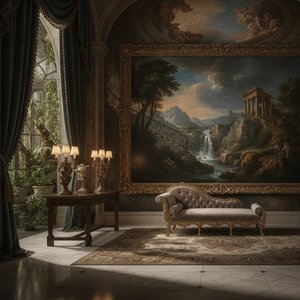
"LA HALTE MILITAIRE" რეკომენდებულია Statement-ისთვის, ხოლო საუკეთესო სივრცე არის Living Room."
 წინასწარი ნახვა
 გაგზავნა
 გაზიარება
 დეტალები
 გზამკვლევი

 ჩამოტვირთვა
 მსგავსები
 რენტგენოგრაფიული კვლევა
 სლაიდშოუ
 კითხვა-პასუხი
 სტატისტიკა