
 წინასწარი ნახვა
 გაგზავნა
 გაზიარება
 დეტალები
 გზამკვლევი

 ჩამოტვირთვა
 მსგავსები
 რენტგენოგრაფიული კვლევა
 სლაიდშოუ
 კითხვა-პასუხი
 სტატისტიკა
Copernicus in the tower at Frombork, or Conversations with God

- 221.0 x 315.0 cm


 გააგრძელეთ კითხვა
გიკლე / ხელოვნების პრინტი
მუზეუმის დონის ჟიკლე ან ტილოზე ბეჭდვა სწრაფი წარმოებისა და დასრულების მოქნილი ვარიანტებით. ( შეიძინეთ ხელით შესრულებული ნახატი გადართვა ციფრულ გამოსახულებაზე)




P118B ₾10

P118H ₾10

P118W ₾10

P438Z ₾10

P508JH ₾12

P508YH ₾12

P805H ₾10

P805Z ₾10

P919BZ ₾10

P919G ₾10

P919XJ ₾10

P959ZH ₾10

P968JZ ₾12

W106C ₾8

W218G ₾10

W218JH ₾8

W218Y ₾10

W307PJ ₾10

W316G ₾10

W316PJ ₾8

W316Y ₾10

W398PJ ₾8

W4111J ₾10

W500HY ₾15

W500JH ₾15

W692G ₾12

W849H ₾8

W940BG ₾15

W953PJ ₾8




აირჩიეთ ჩვენს მიერ წინასწარ განსაზღვრული ზომებიდან, რომლებიც ნაწარმოების ორიგინალურ პროპორციებს შეესაბამება.

შეიყვანეთ თქვენთვის საჭირო სიგანე და სიმაღლე, რათა გამოსახულებამ თქვენს ჩარჩოს ან კედელს ზუსტად მოერგოს. ბეჭდვისას შესაძლებელია მხოლოდ მისი შემცირება და არა გაზრდა, ამიტომ სხვა ფორმის ზომის შემთხვევაში სურათი ნაწილობრივ იკარგება. სანამ რაიმეს დაბეჭდავთ, ჩვენ გამოგიგზავნით ციფრულ მაკეტს დასდასტურებლად. ამ გვერდზე ნაჩვენები სურათი არ ასახავს რეალურ ჭრას — ამას მხოლოდ მაკეტი გვიჩვენებს.
მიწოდება მთელ მსოფლიოში () 2 კვირაში, სტანდარტული 4/5 კვირის ნაცვლად. (8 ნოემბერი)

უფასო ექსპრეს მიწოდება მთელ მსოფლიოში

მაღალი ხარისხის ტილოს ქსოვილი

ტრანსპორტირების სრული დაზღვევა

საბაჟო გადასახადების დაბრუნების გარანტია

ფერების სრული შესაბამისობის გარანტია

დაბრუნების 100-დღიანი პოლიტიკა (მხოლოდ დეფექტის შემთხვევაში)

100% თანხის სრული დაბრუნების გარანტია

ფასდაკლება დიდი რაოდენობით შეკვეთისას
 მინის ჩარჩოს არჩევანი შესაძლებელია მხოლოდ 110 სმ-მდე ზომისთვის

Copernicus in the tower at Frombork, or Conversations with God
გიკლე / ხელოვნების პრინტი
რეპროდუქციის ზომა
-


საბოლოო ღირებულება
₾ 211
The Visionary Canvas: Jan Matejko’s “Copernicus in the Tower at Frombork”
Jan Matejko's "Copernicus in the Tower at Frombork, or Conversations with God" isn’t merely a painting; it’s a potent distillation of intellectual fervor and spiritual contemplation. Completed in 1873, this monumental oil on canvas transports us to the heart of Renaissance Poland, capturing a pivotal moment not just in astronomical history but also in the nation's burgeoning sense of self-awareness. The scene unfolds within the austere yet majestic confines of Frombork Cathedral’s tower, a location imbued with both religious significance and scientific curiosity – a perfect embodiment of the painting’s central theme: the harmonious intersection of faith and reason.

A Masterpiece of Romantic Drama
Matejko, a towering figure in 19th-century Polish art, masterfully employs the tenets of Romanticism to elevate this historical subject. The painting pulsates with dramatic lighting – a chiaroscuro effect that sculpts the figures and emphasizes the solemnity of the scene. The deep blues and purples of the night sky contrast sharply with the warm hues of Copernicus’s study, creating a visual tension that mirrors the intellectual struggle he embodies. Notice how Matejko uses loose brushstrokes to convey movement and emotion, imbuing the composition with a sense of dynamism rarely found in earlier historical paintings. The figures are rendered with an almost theatrical intensity, their gestures and expressions conveying profound thought and perhaps even a touch of awe.
The Anatomy of Inquiry: Symbolism and Detail
Beyond its dramatic impact, “Copernicus” is rich in symbolic detail. Nicolaus Copernicus himself, depicted as a man of quiet contemplation, sits at his desk surrounded by the tools of his trade – astronomical instruments, charts, and open books. The globe, prominently displayed, speaks to his revolutionary heliocentric model of the universe, challenging the established geocentric view. A partially visible diagram of the solar system hints at the complex calculations he undertook. The inclusion of a skullcap suggests the weight of religious tradition alongside the pursuit of scientific truth. Even the brick wall in the background serves as a grounding element, anchoring the scene within the physical reality of Frombork and reminding us of the earthly context of this extraordinary intellectual journey.
A Legacy Forged in Faith and Reason
The painting’s creation coincided with the 400th anniversary of Copernicus' birth, a moment of national pride for Poland. Matejko’s decision to portray Copernicus not as a triumphant discoverer but as a man engaged in dialogue with something greater than himself—perhaps even God—resonates deeply within Polish cultural identity. The painting became a symbol of the nation’s intellectual and spiritual heritage, embodying the spirit of inquiry and the courage to challenge established dogma. Its eventual acquisition by the Jagiellonian University – a bastion of learning since the 14th century – underscores its enduring significance as a testament to the power of human intellect and the pursuit of knowledge. Today, this magnificent work continues to inspire contemplation on the relationship between science, faith, and the boundless mysteries of the universe.
კითხვები და პასუხები
შესაძლებელია თუ არა იან მატეიკო-ის „Copernicus in the tower at Frombork, or Conversations with God“-ის ნახვა ჩემს საკუთარ კედელზე ყიდვამდე?
იან მატეიკო-ის „Copernicus in the tower at Frombork, or Conversations with God“-ის AR წინასწარი ნახვა გვერდი იყენებს დამატებულ რეალობას, რათა თავსებად მოწყობილობაზე ხელოვნების ნიმუში თქვენს საკუთარ სივრცეში დაგინახოთ.
ვინ შექმნა "Copernicus in the tower at Frombork, or Conversations with God" და რომელ წელს?
"Copernicus in the tower at Frombork, or Conversations with God" შექმნილია იან მატეიკო-ის მიერ 1872 წელს.
სად შემიძლება "Copernicus in the tower at Frombork, or Conversations with God"-ის შესახებ სახელმძღვანელოს პოვნა?
გზამკვლევი „Copernicus in the tower at Frombork, or Conversations with God“-ისთვის წარმოადგენს ნამუშევრის გზამკვლევი გვერდს — დასაბეჭდ ფაქტების ფურცელს, რომელიც შეიცავს ნამუშევრის აღწერილობას, ავტორობის მითითებასა და იდენტიფიკაციის ცხრილს (ავტორი, თარიღები, ტექნიკა, ორიგინალის ზომა, კოლექცია).
მხატვრის ბიოგრაფია
ადრეული ცხოვრება და განათლება
იან ალოზი მატეიკო, სახელგანთქმული პოლონელი მხატვარი, დაიბადა 1838 წლის 24 ივნისს კრაკოვში, პოლონეთში. მისი მამა, ფრანციშეკ ქსავერი მატეიკო, ჩეხური წარმოშობის მასწავლებელი და მუსიკოსი იყო. იანის ადრეული ცხოვრება ნიშნოვანი იყო 1846 წლის კრაკოვის რევოლუციითა და 1848 წელს ავსტრიელების მიერ კრაკოვის ალყამ, მოვლენებმა, რომლებმაც მოგვიანებით გავლენა იქონია მის მხატვრულ თემებზე. მატეიკომ სწავლა დაიწყო წმინდა ანას საშუალო სკოლაში, მაგრამ 1851 წელს ჩაება ცუდი შეფასებების გამო. ამავე დროს, მან ადრეული ასაკიდანვე გამორჩეული ნიჭი გამოიჩინა ხელოვნებაში. 1852-დან 1858 წლამდე სწავლობდა კრაკოვის სახვითნათლების სკოლაში, სპეციალიზირებული იყო ისტორიულ живописиზე ვოიციეხ კორნელი სტატლერის და ვლადისლავ ლუშჩkiewicz-ის ხელმძღვანელობით.ხუროთმოქმედებითი კარიერა
მატეიკოს პირველი მნიშვნელოვანი ნამუშევარი, შუისკის მეფე ზიგმუნტ III-ს წინაშე, დასრულდა 1853 წელს. მან ისტორიული живописи გამოფენა დაიწყო კრაკოვის სახვითნათლების მეგობრების საზოგადოში 1855 წელს. მნიშვნელოვან ნამუშევრებს შორის არის:- რეიტანი (1866): დიდი ზეთის ტილოზე შესრულებული картина, რომელიც ასახავს პოლონეთის ისტორიის მნიშვნელოვან მომენტს.
- ლუბლინის უნია (1869): მნიშვნელოვანი ნაწარმოები, რომელიც წარმოადგენს მატეიკოს უნარს ისტორიული მოვლენების ასახვაში.
- გრუნვალდის ბრძოლა (1878): შედევრი, რომელიც გამოარჩევს მის უნარს გადაცემას ბრძოლის სცენების ინტენსივობა.
მუზეოლოგიური წვლილი და მემკვიდრეობა
მატეიკომ თავისი ცხოვრების большую ნაწილი კრაკოვში გაატარა, საბოლოოდ გახდა დირექტორი იან მატეიკოს სახვითნათლების აკადემიაში, რომელიც ადრე ცნობილი იყო კრაკოვის სახვითნათლების აკადემიად. მის სტუდენტებს შორის იყვნენ გამოჩენილი მხატვრები, როგორიცაა მაურიცი გოტლიბი, იაცეკ მალჩევსკი, იუზეფ მეჰოფერი და სტანისლავ ვისპიანსკი. OriginalUniqueArt-ში ხელმისაწვდომია მნიშვნელოვანი ნამუშევრები:- იან მატეიკო: ვარნა (რომანტიზმი)
- იან მატეიკო: ნატურmortი (რომანტიზმი)
- იან მატეიკო: ლუბლინის უნია (298 x 512 სმ, რომანტიზმი, ზეთის ტილოზე)
გავლენები და განვითარება
მატეიკოს შემოქმედებაში დიდი გავლენა იქონია პოლონეთის ისტორიამ, განსაკუთრებით მისი ბურჯული წარსულით. მის ნამუშევრებში ხშირად გვხვდება პატრიოტული თემები და ეროვნული героების გამოსახულებები. მან თავისი живописиში გამოიყენა რომანტიზმის სტილი, რაც გამოირჩევა დრამატიულობით, ექსპრესიულობითა და ისტორიული სიზუსტით. მისი ადრეული ნამუშევრები უფრო კონსერვატიულია, მაგრამ მოგვიანებით მის შემოქმედებაში ჩანს ინდივიდუალური სტილის განვითარება და ახალი ხატვის ტექნიკების გამოყენება. მატეიკოს живописиზე ასევე დიდი გავლენა იქონია მისი მასწავლებლების, ვოიციეხ კორნელი სტატლერის და ვლადისლავ ლუშჩkiewicz-ის შემოქმედებამ.მნიშვნელობა ისტორიაში
იან მატეიკოს მნიშვნელობა პოლონეთის ხელოვნებაში შეუდარებელია. მან არა მხოლოდ შექმნა ეროვნული живописиის უნიკალური სტილი, არამედ ხელი შეუწყო პოლონეთის ისტორიისა და კულტურის პოპულარიზაციას. მისი ნამუშევრები დღესაც დიდი ინტერესით სარგებლობს ხელოვნებაში მოყვარულებში მთელ მსოფლიოში. მატეიკოს живописиი არა მხოლოდ მხატვრული ღირებულებით გამოირჩევა, არამედ მნიშვნელოვანი ისტორიული წყაროც არის პოლონეთის წარსულის შესასწავლად. მისი შედევრები, როგორიცაა "გრუნვალდის ბრძოლა" და "ლუბლინის უნია", დღესაც პოლონეთის ეროვნული იდენტობის სიმბოლოდ რჩება.
იან მატეიკო
1838 - 1893 , საქართველო
მოკლე ინფორმაცია
- Artistic Movement Or Style: რომანტიზმი
- Artists Or Movements Influenced By This Artist: ['მაურიცი გოტლიბი']
- Artists Who Influenced This Artist:
- ვოიciech სტატლერი
- ვლადისლავ ლუშჩkiewicz
- Date Of Birth: 24 ივნისი 1838
- Date Of Death: 1 ნოემბერი 1893
- Full Name: იან მატეიკო
- Nationality: პოლონელი
- Notable Artworks (List Of Titles):
- გრუნვალდის ბრძოლა
- ლუბლინის უნია
- Place Of Birth (City And Country): კრაკოვი, პოლონეთი
დაკავშირებული სტატიები

The Enduring Legacy of Oil on Canvas: Technique, History & Aesthetic Impact
Explore the rich history & techniques of oil painting – from Renaissance masters to Impressionism. Discover pigments, layering methods, and why this timeless medium endures. Expert insights for artists & art enthusiasts.

ზეთის საღებავის მუდმივი მემკვიდრეობა: ტექნიკა, ისტორია და თანამედროვე პრაქტიკა
გაიგეთ ზეთის საღებავის ფერწერის ისტორია, ტექნიკა და თანამედროვე პრაქტიკა. პროფესიონალური მხატვრების რჩევები, ქართული ხელოვნების მიმოხილვა და ინსტრუქციები თქვენი შემოქმედებისთვის.

The Enduring Power of Painting: A Historical & Contemporary Exploration of Form and Emotion
Explore the rich history & enduring techniques of oil painting with OriginalUniqueArt. Discover masterpieces, learn about art collecting, and find authentic handmade reproductions crafted by skilled artists.

Oil on Canvas: A Historical & Technical Exploration of a Timeless Artistic Medium
Explore the rich history & enduring techniques of oil painting on canvas. Discover the science behind its longevity, conservation practices, and contemporary relevance. Expert insights for art enthusiasts.
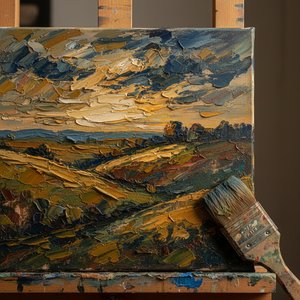
The Timeless Beauty of Oil on Canvas: A Masterclass in Texture, Impasto, and Artistic Mastery
Discover the profound allure of oil on canvas. Explore the mastery of impasto textures, the science of pigment longevity, and expert guides to selecting museum-quality reproductions that elevate your collection with timeless elegance and tactile depth.

