

 ნახვა ინტერьерში
 გაგზავნა
 გაზიარება
 დეტალები
 გზამკვლევი

 ჩამოტვირთვა
 მსგავსები
 რენტგენოგრაფიული კვლევა
 სლაიდშოუ
 სტატისტიკა
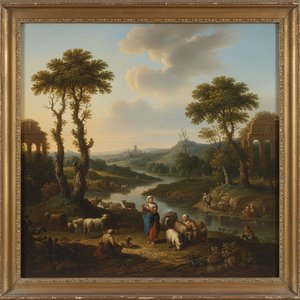
Italian Landscape
 Oil On Canvas
- WallArt
- Italianate Landscape
 31.0 x 40.0 cm
 Fitzwilliam College
 სრული ტექსტის ნახვა
გიკლე / ხელოვნების პრინტი
მუზეუმის დონის ჟიკლე ან ტილოზე ბეჭდვა სწრაფი წარმოებისა და დასრულების მოქნილი ვარიანტებით. ( შეიძინეთ ხელით შესრულებული ნახატი გადასვლა ციფრულ გამოსახულებაზე)




P118B ₾10

P118H ₾10

P118W ₾10

P438Z ₾10

P508JH ₾12

P508YH ₾12

P805H ₾10

P805Z ₾10

P919BZ ₾10

P919G ₾10

P919XJ ₾10

P959ZH ₾10

P968JZ ₾12

W106C ₾8

W218G ₾10

W218JH ₾8

W218Y ₾10

W307PJ ₾10

W316G ₾10

W316PJ ₾8

W316Y ₾10

W398PJ ₾8

W4111J ₾10

W500HY ₾15

W500JH ₾15

W692G ₾12

W849H ₾8

W940BG ₾15

W953PJ ₾8




აირჩიეთ ჩვენს მიერ წინასწარ განსაზღვრული ზომებიდან, რომლებიც ნაწარმოების ორიგინალურ პროპორციებს შეესაბამება.

შეიყვანეთ თქვენთვის საჭირო სიგანე და სიმაღლე, რათა იგი მოერგოს თქვენს ჩარჩოს ან კედელს. ბეჭდვისას შესაძლებელია მხოლოდ მისი შემცირება და არა გაზრდა, ამიტომ სხვა ფორმის ზომის შემთხვევაში გამოსახულება ნაწილობრივ იკარგება. სანამ რაიმეს დაბეჭდავთ, ჩვენ გამოგიგზავნით ციფრულ მაკეტს დასდასტურებლად. ამ გვერდზე ნაჩვენები სურათი არ ასახავს რეალურ ჭრას — ამას მხოლოდ მაკეტი გვიჩვენებს.
მიწოდება მთელ მსოფლიოში () 2 კვირაში, სტანდარტული 4/5 კვირის ნაცვლად. (26 ოქტომბერი)

უფასო ექსპრეს მიწოდება მთელ მსოფლიოში

მაღალი ხარისხის ტილო

ტრანსპორტირების სრული დაზღვევა

საბაჟო გადასახადების დაბრუნების გარანტია

ფერების სრული შესაბამისობის გარანტია

დაბრუნების 100-დღიანი პერიოდი (მხოლოდ წარმოების დეფექტის შემთხვევაში)

100% თანხის სრული დაბრუნების გარანტია

ფასდაკლება დიდი რაოდენობით შეკვეთისას
 მინის ჩარჩოს არჩევანი ხელმისაწვდომია მხოლოდ 110 სმ-მდე ზომისთვის

Italian Landscape
გიკლე / ხელოვნების პრინტი
რეპროდუქციის ზომა
-


ჯამური ღირებულება
₾ 208
A Glimpse of Italian Pastoral: Jan Asselijn’s “Italian Landscape”
Jan Asselijn's "Italian Landscape," painted circa 1625-1652, isn’t merely a depiction of a picturesque vista; it’s an invitation to step into a carefully constructed world of serene beauty and subtle drama. This oil on canvas transports the viewer to a hypothetical Italian landscape – a deliberate choice by Asselijn that speaks volumes about the evolving artistic sensibilities of the Dutch Golden Age. The painting, now housed in collections like Bonhams, exemplifies the influence of both the Venetian masters and the burgeoning tradition of “pure” landscape painting emerging from Italy itself.
Asselijn’s style is distinctly characterized by a meticulous attention to detail and a masterful command of atmospheric perspective. He leans heavily into the techniques pioneered by Bamboccio – a contemporary painter known for his evocative, almost dreamlike landscapes – creating an image that feels both familiar and subtly unsettling. The composition unfolds with deliberate grace: a modest, classically-inspired building anchors the left foreground, its geometric solidity providing a grounding element against the undulating hills and hazy distance. The artist skillfully employs a muted palette of browns, ochres, and blues, avoiding bright colors to emphasize the painting’s contemplative mood. This restrained approach allows the subtle shifts in tone – from the dark shadows cast by distant trees to the luminous highlights reflecting off water – to create a remarkably convincing sense of depth and atmosphere.
The Influence of Venetian Masters and Italianate Tradition
Asselijn's work is deeply rooted in the artistic currents flowing through Italy at the time. He was profoundly influenced by the Venetian landscape painters, particularly those who favored a looser, more atmospheric style than their predecessors. However, unlike many of his contemporaries who simply copied Italian scenes directly, Asselijn imbued them with a distinctly Dutch sensibility – a focus on light, texture, and a carefully considered composition. This blending of influences is evident in the painting’s balanced structure, its subtle use of color, and its overall sense of quiet contemplation.
Furthermore, “Italian Landscape” reflects the broader trend toward what became known as "Italianate landscape" within Dutch art circles. This style sought to emulate the idealized landscapes depicted by artists like Claude Lorrain, who had established a dominant visual language for representing Italian scenery in Northern Europe. Asselijn’s painting isn't a literal transcription of an Italian vista; rather, it’s a carefully constructed fantasy – a “imaginary Italian Landscape” as described in some historical sources – designed to evoke the spirit and beauty of Italy while adhering to Dutch artistic conventions.
Symbolism and Emotional Resonance
Beyond its technical merits, "Italian Landscape" is rich in symbolic meaning. The solitary building, often interpreted as a villa or farmhouse, suggests themes of rural life, tranquility, and perhaps even isolation. The distant mountains, shrouded in mist, evoke a sense of mystery and the sublime – a recognition of nature’s power and grandeur. The figures scattered across the foreground, riding horses and walking along the riverbank, add a touch of human presence to the scene, reminding us of our connection to the natural world.
The painting's overall effect is one of profound serenity and contemplative beauty. It invites the viewer to slow down, to appreciate the subtle details of the landscape, and to lose themselves in its timeless atmosphere. It’s a testament to Asselijn’s skill as an artist – his ability to capture not just the appearance of a scene but also its emotional essence.
A Reproduction for Today's Spaces
Reproductions of “Italian Landscape” offer a beautiful addition to any interior space. The painting’s calming colors and evocative imagery create a sense of tranquility and sophistication, making it ideal for living rooms, bedrooms, or studies. The detailed depiction of the landscape invites contemplation and provides a visual connection to the natural world – a welcome respite from the stresses of modern life. Consider framing this piece in a classic wooden frame to further enhance its timeless appeal.
კითხვები და პასუხები
რა პალიტრასა და რა განწყობას აერთიანებს "Italian Landscape"?
იან ასელინი-ის „Italian Landscape“-ის Dark პალიტრა იდეალურად ერწყმის მის Melancholic ემოციურ ტონს. ფერი ერთ-ერთი საშუალებაა, რასაც ნამუშევარი გრძნობების გადმოსაცემად იყენებს.
რა თემატიკასა და ატმოსფეროს აერთიანებს იან ასელინი-ის „Italian Landscape“?
"Italian Landscape" ასახავს landscape, figures, ruin, italy, asselijn, pastoral, tranquility, scenic-ს, ხოლო მისი განწყობა არის Calm.
იან ასელინი-ის „Italian Landscape“ ნათელი თუ ბნელი ნამუშევარია?
ზოგადად, „Italian Landscape“-ის სინათლის დონე შეფასებულია როგორც shadow. აღქმადი სიკაშკაშე აღწერს, თუ რამდენად ღია ან ბნელი ჩანს ნამუშევარი.
მხატვრის ბიოგრაფია
სიცოცხლის გზა ლანდშაფტისკენ: იან ასელინის სამყარო
იან ასელინი, რომელიც 1610 წელს ჟიეპში დაიბადა როგორც ჟან ასელენი, მხატვრის ცხოვრება რელიგიური არეულობის და შემოქმედებითი ძიებების შედეგია. მისი ოჯახი, ჰუგენოტები დევნილით გაქცეული საფრანგეთიდან, 1621 წელს ამსტერდამში გადავიდა – ეს იყო ვაჭრობის ცენტრი და განვითარებული ხელოვნების სივრცე ოქროს ხანაში. ეს გადასახლება გადამწყვეტი აღმოჩნდა ახალგაზრდა ჟანისთვის, რადგან მან საკუთარი თავი გარემოში ჩააგდო, სადაც ლანდშაფტის ხატვა ტრადიციული გამოსახულებების მიღმა, უფრო ატმოსფერული და ემოციურად რეზონანსული სცენებისკენ სწრაფვდა. თავდაპირველად მან იან მარცზენ უმცროსთან გაიარა მომზადება ბრძოლის ხატვისთვის, სანამ მის ნამდვილ მოწვევას – ბუნებრივი ლანდშაფტებისა და ცხოველების სილამაზის აღსრულებას – არ მიაგნებდა. ასელინის ადრეული გამოცდილება ჰოლანდიურ შუქსთან და ვრცელ ცასთან დაკავშირებით მის ნამუშევრების განსაზღვრავი მახასიათებელი გახდა, თუმცა სწორედ იტალიაში მოგზაურობამ გაამყარა მისი მხატვრული ხედვა.იტალიური გავლენა და “ფრინველთა საზოგადოება”
როგორც იმ ეპოქის ჩრდილოევროპელ მხატვრებს, ასელინიც იტალიაში სრულყოფილებას ეძებდა, შესაძლოა 1635 წლის შემდეგ. სწორედ იქ მან მთლიანად მიიღო *იტალიური* სტილი – ჟანრი, რომელიც მზისხვეული ხედებით, კლასიკური ნ ruinsნებით და პასტორალური სცენებით ხასიათდება რომანტიკული განწყობით. იგი “ფრინველთა საზოგადოებაში” (Bentvueghels) შევიდა – ეს იყო ჰოლანდიელი და ფლამანდიელი მხატვრების ცოცხალი ჯგუფი, რომლებიც რომში მუშაობდნენ. ეს “მებრძოლი ფრინველები” არასტანდარტული ქცევისთვის, ირონიული მეტსახელებისთვისა და პირდაპირი ბუნებით ხატვისთვის იყვნენ ცნობილი – ისინი სტუდიური სამუშაოს შეზღუდვებს უარყოფდნენ. ამ მხიარულ თანამეგობაში ასელინმა “კრაბეტჯე” (პატარა კიბორი) მეტსახელი მიიღო ხელის ფუნქციონალური ნაკლის გამო, მაგრამ კრეატიულად აყვავიდა. მან შეითავსა ისეთი მხატვრების გავლენა, როგორიცაა პიტერ ვან ლერი (Bamboccio), რომლის რომაული გლეხების ცხოვრების და ლანდშაფტების გამოსახულებებმა ასელინის განვითარებულ სტილზე დიდი გავლენა მოახდინა. ეს პერიოდი გადამწყვეტი იყო მის უნარს ატმოსფეროს, შუქს და ნარატივის შეგრძნებას კომპოზიციებში შესატანად.შუქისეული ხელოვნება და სიმბოლიზმი: ძირითადი ნამუშევრები
ასელინი ამსტერდამში გაწონილ ტექნიკასა და გამორჩეულ ხმით დაბრუნდა. მისი ნახატვები შესრულების სიცხადითა და შუქის უმაგესი მართვით ხასიათდება – ეს თვისებები სწრაფად მოახდინა მასზე აღიარებას. მიუხედავად ისტორიული და ბრძოლის სცენების შექმნისგან, ლანდშაფტებმა და ცხოველების გამოსახულებებმა განსაკუთრებული გამოჩნდა. საშიშროებაში მყოფი გედი, რომელიც 1640-იან წლებში შეიქმნა, დღესაც მისი ყველაზე სახელოვანი ნამუშევარია. ეს ნახატი მხოლოდ ფრინველების თავდაცვის აღწერილობა არ არის, იგი ჰოლანდიური ეროვნული წინააღმდეგობის სიმძლავრე სიმბოლოდ იქცა გარე საფრთხის მიმართ. აგრესიულად კვეთის მცდილება, რომელიც ბუდეს იცავს, თანამედროვე საზოგადოებაში შფოთი გამოხატა და თუმცა, იგი იოჰან დე ვიტის ალეგორიადაც იქნა აღქმული – გამოჩენილი ჰოლანდიელი სახელმწიფო მოღვაწის. საინტერესოდ, შემდგომმა მფლობელებმა ტილოზე სიმბოლიური წარწერები დაამატეს – “ჰოლანდია” ერთ კვერცხზე, ხოლო “სახელმწიფოს მტერი” – საფრთხობელი ძაღლის გვერდით, რაც კიდევ უფრო გააძლიერა მისი პოლიტიკური მნიშვნელობა. სხვა მნიშვნელოვანი ნამუშევრები მოიცავს კავალერიის შეტევა ჩასახვეთის დროს, რომელიც ადრეული მომზადების ბრძოლის სცენებს დრამატულად წარმოადგენს, და სოფლის ცხოვრების გამოსახულებებს, როგორიცაა საბანკო მწყემსები საქონელთან რომის კოლიზეუმის თაღქვეშ, რომელიც ლამაზად აერთიანებს იტალიურ ლანდშაფტს და ცხოველების შესწავლას. სენტ-ენტონის ნაპირის გაწყვეტა ამსტერდამის ახლოს წარმოადგენს მის უნარს ეროვნული კრიზისის მომენტის აღსრულება, რაც ჰოლანდიური მიწის ხელმარჯვედობას ასახავს.გავლენა და მემკვიდრეობა: ხილვადი შთაბეჭდილება
იან ასელინის გავლენამ მისმა საკუთრივმა შემოქმედებამ გადამეტა. იგი თანამედროვეებმა, როგორიცაა რემბრანდტი, დააფასეს, რომელმაც მხატვრის მუშაობის ესკიზები შექმნა – თუმცა მნიშვნელოვანია აღინიშნოს, რომ ესკიზებზე ასელინის ხელები არ ჩანს, შესაძლოა მისი ფიზიკური გამოწვევისადმი მგრძნობელობით. მან ასევე იყო ფრედერიკ დე მოუხერონის მასწავლებელი – კიდევ ერთი გამოჩენილი ჰოლანდიელი ლანდშაფტის მხატვარი, რომელმაც იტალიური სტილი უფრო პოპულარული გახადა. ასელინის ინოვაციურმა მიდგომამ შუქს და ატმოსფეროსთან დაკავშირებით გავლენა მოახდინა თაობებზე, რამაც გამოიწვია ბუნებრივი რეალიზმის და ემოციური სიღრმის ზრდა ლანდშაფტის ხატვაში. მისი ნამუშევრები დღეს პატივმოყვარე კოლექციებში ინახება, როგორიცაა ამსტერდამის რიijksმუზეუმი, რაც მის მემკვიდრეობას ოქროს ხანის მნიშვნელოვან ფიგურად უზრუნველყოფს. იგი შედარებით ახალგაზრდა ასაკში გარდაიცვალა, 1652 წელს, მაგრამ დატოვა ნამუშევრების კრებული, რომელიც აგრძელებს მაყურებლების აღფრთოვანებას თავისი სილამაზით, დრამატიზმითა და ფარული მნიშვნელობებით.
იან ასელინი
1610 - 1652 , საფრანგეთი
მოკლე ფაქტები
- Artistic Movement Or Style: იტალიური პეიზაჟი
- Artists Or Movements Influenced By This Artist: ['ფრედერიკ მუშერონი']
- Artists Who Influenced This Artist:
- ვან დე ველდე
- ბამბოჩო
- Date Of Birth: 1610 წელი
- Date Of Death: 1652 წელი
- Full Name: იან ასელინი
- Nationality: ჰოლანდიური
- Notable Artworks (List Of Titles): ['The Threatened Swan']
- Place Of Birth (City And Country): დიეპი, საფრანგეთი
მსგავსი სტატიები

Mastering Light & Land: An Art Historian's Guide to the Dutch Golden Age Landscape
Explore the breathtaking mastery of Dutch Golden Age landscapes. From Italianate light to atmospheric realism, discover the techniques of 17th-century masters and learn how to bring these timeless, museum-quality masterpieces into your home through expert oil reproductions.

ჰოლანდიის ოქროს ხანა: 10 შედევრი, რომელმაც განსაზღვრა ხელოვნება
აღმოფრთოვანდით ჰოლანდიის ოქროს ხანას! 10 შედევრი რემბრანტის, ვერმეერის და სხვა დიდებულებისგან. ითვლით ხელოვნების ისტორიას, აღმოაჩინეთ მათი ტექნიკები და შეიძინეთ музейური ხარისხის რეპროდუქციები OriginalUniqueArt.com-ზე!

Golden Light & Dutch Skies: The Timeless Magic of Dutch Golden Age Landscapes
Discover the breathtaking beauty of Dutch Golden Age landscapes. Explore the mastery of light, chiaroscuro, and 17th-century realism through an expert art history lens, celebrating the enduring legacy of the Dutch Masters for discerning collectors and art lovers.

Golden Light & Dutch Skies: Bringing the Magic of Dutch Golden Age Landscapes into Your Home
Transform your home with the breathtaking light of Dutch Golden Age landscapes. Discover how hand-painted oil reproductions of masterworks like Ruisdael and Vermeer bring timeless elegance, atmosphere, and soulful texture to modern interiors. Elevate your space with museum-quality art.
Nicolaes Berchem: Dutch Golden Age Pastoralism & the Evolution of Landscape Painting
Explore the captivating world of Nicolaes Berchem, a leading Dutch Golden Age painter. Discover his idyllic landscapes, masterful technique & lasting influence on art history. Learn more at OriginalUniqueArt.