

 წინასწარი ნახვა
 გაგზავნა
 გაზიარება
 დეტალები

 ჩამოტვირთვა
 მსგავსები
 რენტგენოგრაფიული კვლევა
 სლაიდშოუ
The Young Keeper
 1874
1874 85.0 x 63.0 cm
 გადასართად დაწვრილებით ნახეთ
ხელით ნაკვეთი ზეთის ტილოს რეპროდუქცია
ტილოზე შესრულებული ფერწერიანი ზეთប្រდათი, თქვენთვის სასურველი ზომისა და ჩარჩოსთვის, ჩვენი ხელოვანების მიერ შეკვეთის საფუძველზე დამზადებული. ( შეიძინეთ პრინტი შეიძინეთ გამოსახულება)




































აირჩიეთ ჩვენს მიერ წინასწარ განსაზღვრული ზომებიდან, რომლებიც ნაწარმოების ორიგინალურ პროპორციებს შეესაბამება.

თქვენ შეგიძლიათ მიუთითოთ თქვენთვის სასურველი ზომები კონკრეტული ჩარჩოს ან სივრცის შესაბამისად. თუ თქვენ მიერ არჩეული ზომა არ შეესაბამება ორიგინალი გამოსახულების პროპორციებს, ჩვენ ან შევაჭრებთ ნაწარმოებს, ან ტილოზე დავამატებთ ხელით მოხატულ ელემენტებს. წარმოების დაწყებამდე, დამტკიცებისთვის გამოგეგზავნებათ ციფრული მაკეტი.
გთხოვთ, გაითვალისწინოთ, რომ ეკრანზე ნაჩვენები წინასწარი შეხედულება არ ასახავს რეალურ შეჭრას ან გაფართოებას. საბოლოო კომპოზიციას ზუსტად მხოლოდ მაკეტი წარმოაჩენს.
მიუხედავად იმისა, რომ შესაძლებელია ინდივიდუალური ზომების შერჩევა, ორიგინალური პროპორციების შენარჩუნებისათვის გირჩევთ, გამოიყენოთ წინასწარ განსაზღვრული სიის ზომები.
შეკვეთის შემდეგ, OriginalUniqueArt.com გუნდი დაგიკავშირდებათ ელექტრონული ფოსტით ინსტრუქციებისთვის და გამოგიგზავნით წინასწარ ნახაზს (mockup).
მიწოდება მსოფლიო მასშტაბით -ში 3/4 კვირაში, სტანდარტული 5 კვირის ნაცვლად. (25 აგვისტო). ხარისხზე კომპრომისის გაკეთება არ მოხდება.

უფასო ექსპრეს მიწოდება მთელ მსოფლიოში

საბამად მაღალი ხარისხის ტილო

სრული ტრანსპორტირების დაზღვევა

საბაჟო გადასახადების დაბრუნების გარანტია

ფერების სრული შესაბამისობის გარანტია

60-დღიანი დაბრუნების პოლიტიკა (მხოლოდ დეფექტის შემთხვევაში)

100% თანხის დაბრუნების გარანტია

ფასდაკლება დიდი რაოდენობით შეკვეთისას
 მინის ჩარჩოს არჩევანი ხელმისაწვდომია მხოლოდ 110 სმ-ზე ნაკლები ზომისთვის

The Young Keeper
რეკლამაციის ტექნიკა
რეკლამაციის ზომა
-


საბოლოო ფასი
$ 300
მხატვრის ბიოგრაფია
James Hardy II (1832–1889): A Pioneer of Victorian Hunting Painting
James Hardy II, born in Cranleigh, Surrey, England, in 1877, emerged as a singular figure within the British art landscape—specifically recognized for his masterful depictions of hunting scenes and rural life during the Victorian era. Raised in a family deeply rooted in mathematics and education, Hardy’s formative years instilled an unwavering fascination with numbers and intellectual exploration, shaping him into the artist he would become. His early aptitude for mathematical reasoning was evident from childhood, where he engaged in spirited debates about philosophical concepts—most notably Santa Claus—demonstrating a characteristic blend of curiosity and independent thought. Hardy's artistic journey began at Winchester College, followed by studies at Trinity College Cambridge, where he honed his skills under the guidance of influential mathematicians like Robert Rumsey Webb and Augustus Love. It was Love’s recommendation to delve into Camille Jordan’s Cours d’analyse that proved pivotal, introducing Hardy to a more rigorous mathematical tradition originating in continental Europe—a foundation that would profoundly impact his artistic sensibilities. He joined the Cambridge Apostles, an elite intellectual society, fostering connections with fellow thinkers who shared his passion for knowledge and debate. A transformative encounter occurred when Hardy invited Srinivasa Ramanujan, a brilliant Indian mathematician he had barely known, to Cambridge. Recognizing Ramanujan’s extraordinary talent—a skill far surpassing conventional understanding—Hardy established a lifelong collaboration that cemented his legacy as a champion of unconventional brilliance. Their correspondence revealed Hardy's profound admiration for Ramanujan, describing him as “the one romantic incident in my life,” highlighting the significance of this relationship within Hardy’s personal narrative. Hardy’s artistic style evolved throughout his career, reflecting influences from both British and continental traditions. He achieved considerable acclaim for his meticulous ship portraits and chronicles of the America's Cup races—works that captured the grandeur and excitement of maritime exploration during Victorian times. His paintings are characterized by a distinctive blend of realism and expressive brushwork, conveying not only accurate depictions of landscapes and animals but also capturing the emotional essence of the subjects portrayed. Hardy’s contribution to mathematics extended beyond his collaboration with Ramanujan; he championed the abolition of the Tripos system at Cambridge, advocating for a more holistic approach to academic education—a stance that underscored his commitment to intellectual progress. His final years were spent at Oxford University, where he held the Savilian Chair of Geometry and served as Fellow of New College. Hardy’s legacy continues to inspire mathematicians and artists alike, securing his place as one of Britain's most distinguished figures in both disciplines—a testament to his unwavering dedication to intellectual pursuits and artistic excellence. He passed away peacefully in 1947, leaving behind a profound impact on the history of art and mathematics.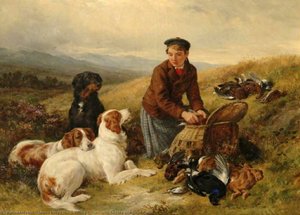
მოკლე ინფორმაცია
- Artistic Movement Or Style: Mathematical Analysis
- Artists Or Movements Influenced By This Artist: ['Ramanujan']
- Artists Who Influenced This Artist: ['Robert Alfred Herman']
- Date Of Birth: 7 February 1877
- Full Name: Godfrey Harold Hardy
- Nationality: English
- Notable Artworks: ["Cours d'analyse"]
- Place Of Birth: Cranleigh, Surrey, England

