- მთავარი გვერდი

- ზეთის ტილოზე რეპროდუქცია
- james grohé
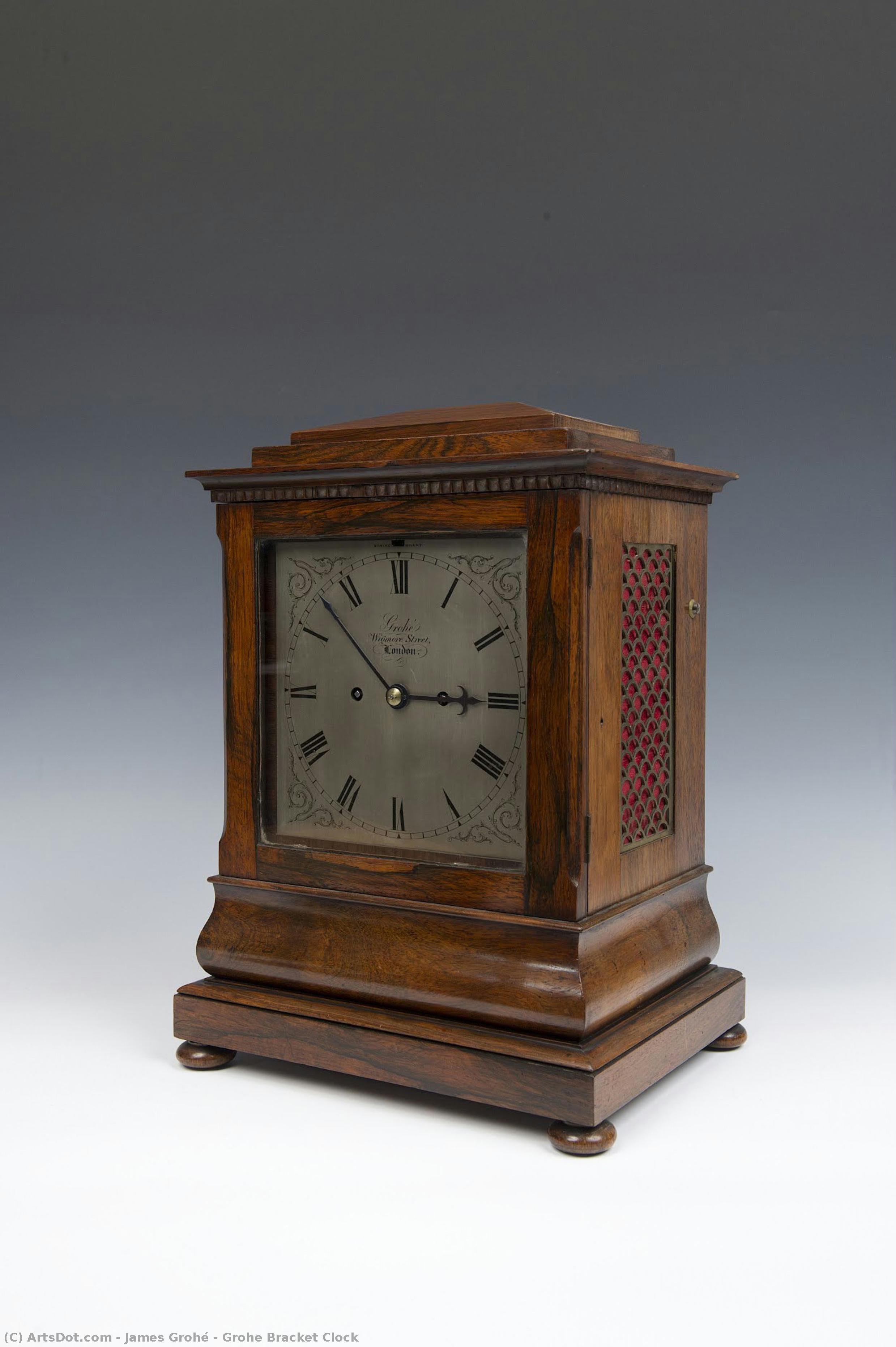
- Grohe Bracket Clock
 წინასწარი ნახვა
 გაგზავნა
 გაზიარება
 დეტალები

 ჩამოტვირთვა
 მსგავსები
 რენტგენოგრაფიული კვლევა
 სლაიდშოუ
Grohe Bracket Clock
 1881
1881 39.0 x 29.0 cm
 Bank of England Museum
 გადასართად დაწვრილებით ნახეთ
ხელით ნაკვეთი ზეთის ტილოს რეპროდუქცია
ტილოზე შესრულებული ფერწერიანი ზეთប្រდათი, თქვენთვის სასურველი ზომისა და ჩარჩოსთვის, ჩვენი ხელოვანების მიერ შეკვეთის საფუძველზე დამზადებული. ( გადართვა ბეჭდვაზე გადართვა სურათზე)




































აირჩიეთ ჩვენს მიერ წინასწარ განსაზღვრული ზომებიდან, რომლებიც ნაწარმოების ორიგინალურ პროპორციებს შეესაბამება.

თქვენ შეგიძლიათ მიუთითოთ თქვენთვის სასურველი ზომები კონკრეტული ჩარჩოს ან სივრცის შესაბამისად. თუ თქვენ მიერ არჩეული ზომა არ შეესაბამება ორიგინალი გამოსახულების პროპორციებს, ჩვენ ან შევაჭრებთ ნაწარმოებს, ან ტილოზე დავამატებთ ხელით მოხატულ ელემენტებს. წარმოების დაწყებამდე, დამტკიცებისთვის გამოგეგზავნებათ ციფრული მაკეტი.
გთხოვთ, გაითვალისწინოთ, რომ ეკრანზე ნაჩვენები წინასწარი შეხედულება არ ასახავს რეალურ შეჭრას ან გაფართოებას. საბოლოო კომპოზიციას ზუსტად მხოლოდ მაკეტი წარმოაჩენს.
მიუხედავად იმისა, რომ შესაძლებელია ინდივიდუალური ზომების შერჩევა, ორიგინალური პროპორციების შენარჩუნებისათვის გირჩევთ, გამოიყენოთ წინასწარ განსაზღვრული სიის ზომები.
შეკვეთის შემდეგ, OriginalUniqueArt.com გუნდი დაგიკავშირდებათ ელექტრონული ფოსტით ინსტრუქციებისთვის და გამოგიგზავნით წინასწარ ნახაზს (mockup).
მიწოდება მსოფლიო მასშტაბით -ში 3/4 კვირაში, სტანდარტული 5 კვირის ნაცვლად. (31 ივლისი). ხარისხზე კომპრომისის გაკეთება არ მოხდება.

უფასო ექსპრეს მიწოდება მთელ მსოფლიოში

საბამად მაღალი ხარისხის ტილო

სრული ტრანსპორტირების დაზღვევა

საბაჟო გადასახადების დაბრუნების გარანტია

ფერების სრული შესაბამისობის გარანტია

60-დღიანი დაბრუნების პოლიტიკა (მხოლოდ დეფექტის შემთხვევაში)

100% თანხის დაბრუნების გარანტია

ფასდაკლება დიდი რაოდენობით შეკვეთისას
 მინის ჩარჩოს არჩევანი ხელმისაწვდომია მხოლოდ 110 სმ-ზე ნაკლები ზომისთვის

Grohe Bracket Clock
რეკლამაციის ტექნიკა
რეკლამაციის ზომა
-


საბოლოო ფასი
$ 300
ნაწარმოების აღწერა
მხატვრის ბიოგრაფია
James Grohé: The Clockmaker Who Crafted Victorian Elegance
James Grohé (1803-1881) wasn’t merely a craftsman; he was an architect of time itself. Born in Baden-Württemberg, Germany, Grohé possessed an innate fascination with precision and beauty—qualities that would define his extraordinary career as a clockmaker and ultimately elevate him to the status of Reichskommissar for Belgium and Northern France during the tumultuous years of World War II. His legacy resides not just in the intricate mechanisms he created but also in the enduring aesthetic they embody, reflecting the grandeur and sophistication of Victorian Britain.Early Life and Apprenticeship
Grohé’s formative years instilled within him a meticulous attention to detail—a characteristic that would serve as the bedrock for his lifelong pursuit of excellence. Following his father's footsteps, he apprenticed under Johann Georg Wolffenbüttel in Stuttgart, mastering the art of horology alongside a deep appreciation for sculptural artistry. This dual training fostered an understanding of how form and function could harmonize to produce objects of unparalleled elegance and technical prowess. The influence of Stuttgart’s artistic heritage undoubtedly shaped Grohé's sensibilities, nurturing his inclination towards crafting pieces that transcended mere utility.London Calling: Establishing His Workshop
In 1832, Grohé embarked on a transformative journey to London, establishing his workshop amidst the burgeoning industrial landscape of Victorian England. Recognizing the potential for innovation and collaboration within this vibrant metropolis, he quickly gained renown for producing exceptional carriage clocks—instruments that became synonymous with status and refinement during the era. His designs prioritized both aesthetic appeal and functional accuracy, incorporating innovative techniques like Breguet escapements and guilloché engraving to achieve unparalleled levels of precision. Collaborations with prominent British artists and designers further enriched his creative output, cementing Grohé’s reputation as a visionary craftsman who seamlessly blended artistry and engineering.Technique and Innovation: The Art of Guilloché Engraving
Grohé's mastery extended beyond the construction of clocks; he revolutionized decorative engraving techniques. He pioneered the use of guilloché—a complex process involving precisely etched patterns onto metal surfaces—to create mesmerizing textures and motifs within his clock cases and other ornamental objects. This technique, borrowed from Swiss watchmaking traditions, allowed for unparalleled levels of detail and visual richness, transforming plain metals into canvases of intricate beauty. The resulting surfaces shimmered with subtle variations in tone and texture, capturing the light in ways that conventional engraving methods simply couldn’t achieve—a testament to Grohé's dedication to pushing the boundaries of craftsmanship.A Legacy Beyond Timepieces
While Grohé’s clocks stand as enduring symbols of Victorian elegance, his influence extended far beyond the horological world. He served as Gauleiter of Gau Cologne-Aachen for nearly four decades, wielding considerable political power during the Nazi era—a controversial chapter in his life that underscores the complexities of historical interpretation. Despite this darker period, Grohé’s artistic achievements—particularly his contribution to guilloché engraving and his unwavering commitment to precision craftsmanship—remain firmly rooted in the annals of European art history. He cemented his place as a pivotal figure who shaped both the visual arts and the political landscape of his time, leaving behind an indelible mark on Victorian Britain and German cultural heritage.
james grohé
1803 - , Germany
მოკლე ინფორმაცია
- Artistic Movement Or Style: Victorian Clockmaking
- Date Of Birth: 1803
- Full Name: James Grohé
- Nationality: German
- Notable Artworks:
- Carriage Clocks
- Decorative Timepieces
- Place Of Birth: Baden-Württemberg, Germany

