
 წინასწარი ნახვა
 გაგზავნა
 გაზიარება
 დეტალები

 ჩამოტვირთვა
 მსგავსები
 რენტგენოგრაფიული კვლევა
 სლაიდშოუ
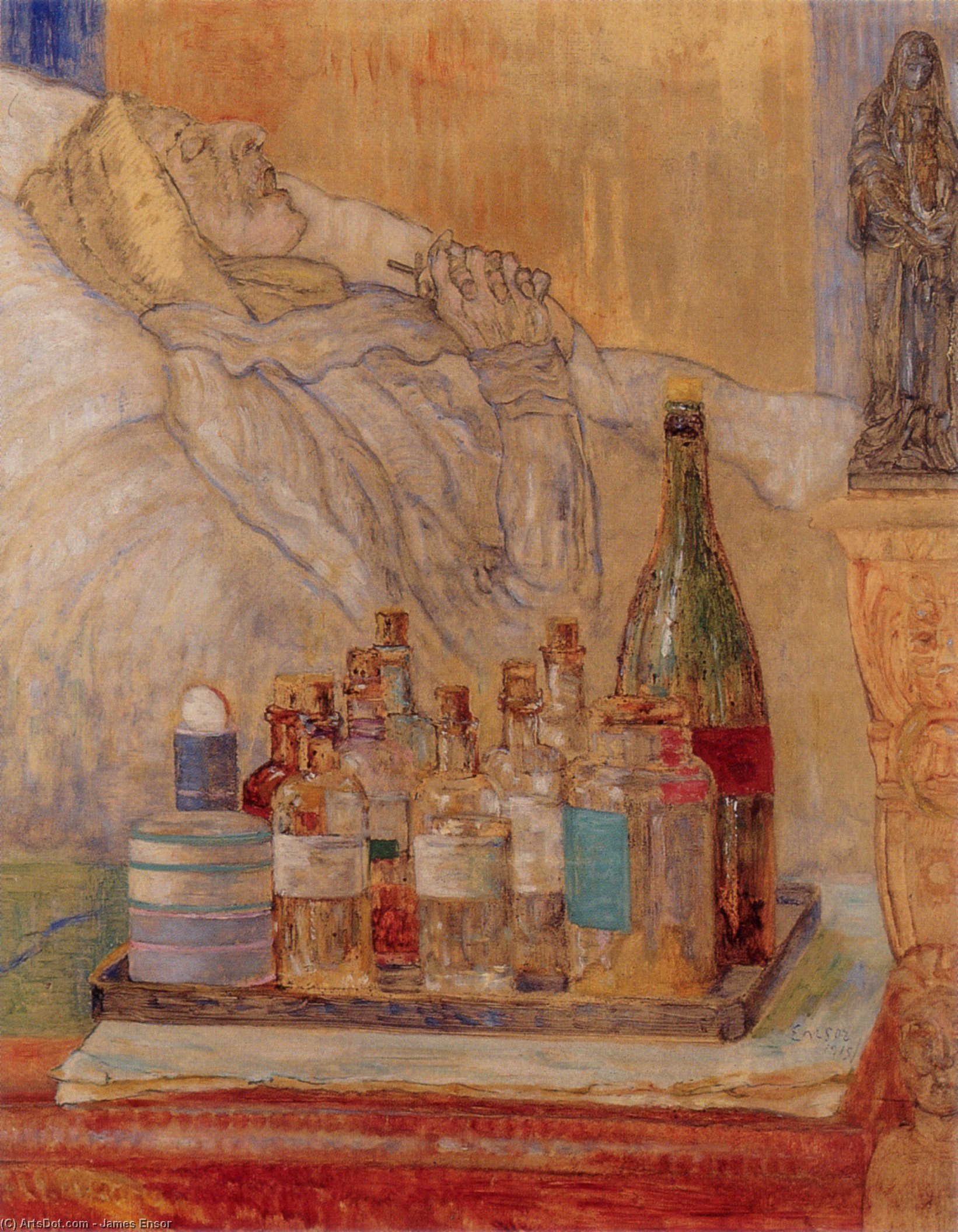
The Artist's Mother in Death


 გადასართად დაწვრილებით ნახეთ
გიკლე / ხელოვნების პრინტი
მუზეუმის დონის ჟიკლე ან ტილოზე ბეჭდვა სწრაფი წარმოებისა და დასრულების მოქნილი ვარიანტებით. ( შეიძინეთ ხელით შესრულებული ნახატი შეიძინეთ გამოსახულება)




P118B $10

P118H $10

P118W $10

P438Z $10

P508JH $12

P508YH $12

P805H $10

P805Z $10

P919BZ $10

P919G $10

P919XJ $10

P959ZH $10

P968JZ $12

W106C $8

W218G $10

W218JH $8

W218Y $10

W307PJ $10

W316G $10

W316PJ $8

W316Y $10

W398PJ $8

W4111J $10

W500HY $15

W500JH $15

W692G $12

W849H $8

W940BG $15

W953PJ $8




აირჩიეთ ჩვენს მიერ წინასწარ განსაზღვრული ზომებიდან, რომლებიც ნაწარმოების ორიგინალურ პროპორციებს შეესაბამება.

თქვენ შეგიძლიათ მიუთითოთ საკუთარი ზომები კონკრეტული ჩარჩოსთვის ან სივრცისთვის მოსარგებლებლად. თუ თქვენ მიერ არჩეული ზომა არ შეესაბამება ორიგინალი გამოსახულების პროპორციებს, ჩვენ ან დავჭრით ნამუშევარს, ან გავაფართოვებთ გამოსახულებას სარკული ან ერთფეროვანი კიდეებით. წარმოების დაწყებამდე თქვენს დასამტკიცებლად გამოგეგზავნებათ ციფრული მაკეტი.
გთხოვთ, გაითვალისწინოთ, რომ ეკრანზე ნაჩვენები წინასწარი ნახვა არ ასახავს რეალურ ჭრას ან გაფართოებას. მხოლოდ მაკეტზე იქნება ზუსტად წარმოდგენილი საბოლოო კომპოზიცია.
მიუხედავად იმისა, რომ ინდივიდუალური ზომები ხელმისაწვდომია, ორიგინალური პროპორციების შესანარჩუნებლად გირჩევთ, აირჩიოთ ზომა წინასწარ განსაზღვრული სიისგან.
მიწოდება მთელ მსოფლიოში () 2 კვირაში, სტანდარტული 4/5 კვირის ნაცვლად. (20 აგვისტო)

უფასო ექსპრეს მიწოდება მთელ მსოფლიოში

საბამად მაღალი ხარისხის ტილო

სრული ტრანსპორტირების დაზღვევა

საბაჟო გადასახადების დაბრუნების გარანტია

ფერების სრული შესაბამისობის გარანტია

60-დღიანი დაბრუნების პოლიტიკა (მხოლოდ დეფექტის შემთხვევაში)

100% თანხის დაბრუნების გარანტია

ფასდაკლება დიდი რაოდენობით შეკვეთისას
 მინის ჩარჩოს არჩევანი ხელმისაწვდომია მხოლოდ 110 სმ-ზე ნაკლები ზომისთვის

The Artist's Mother in Death
გიკლე / ხელოვნების პრინტი
რეკლამაციის ზომა
-


საბოლოო ფასი
$ 80
საკლექციო აღწერა
The Artist’s Mother in Death: A Descent into Grief and Surrealism
James Ensor's "The Artist’s Mother in Death," painted in 1915, is not merely a portrait; it’s a visceral plunge into the depths of mourning. Created during a turbulent period marked by World War I, this oil on canvas transcends simple representation to become a profoundly unsettling exploration of grief, loss, and the fractured psyche. Ensor, a key figure in the development of Expressionism and Surrealism, masterfully employs distorted forms, jarring colors, and symbolic imagery to convey an overwhelming sense of unease—a feeling that permeates every inch of the canvas.
The painting depicts the artist’s mother, who had passed away earlier that year. However, Ensor doesn't offer a sentimental depiction of bereavement. Instead, he presents a scene steeped in surrealism and psychological tension. The setting is a starkly rendered bedroom, dominated by a bed upon which her lifeless body lies. But it’s not the stillness of death that commands attention; rather, it’s the chaotic accumulation of objects surrounding the figure – bottles, jars, and various unsettling artifacts—that create an atmosphere of suffocating confinement and unresolved sorrow. These aren't merely decorative elements; they are carefully chosen symbols intended to unlock a deeper emotional response from the viewer.
A Palette of Discomfort: Style and Technique
Ensor’s distinctive style is immediately apparent in "The Artist’s Mother in Death." He abandons traditional academic techniques, favoring bold brushstrokes, flattened perspectives, and an intensely vibrant yet unsettling color palette. The reds are particularly striking – deep, almost bruised shades that evoke a sense of pain and decay. These colors contrast sharply with the muted blues and greens used for the background, further intensifying the painting’s emotional impact. The figures themselves are rendered with exaggerated features and distorted proportions, contributing to the overall feeling of unease and psychological distress. Ensor's use of impasto—thickly applied paint—adds a tactile quality to the work, inviting the viewer to almost physically experience the scene’s oppressive atmosphere.
The composition is deliberately claustrophobic, drawing the eye inward towards the central figure. The arrangement of objects – particularly the numerous bottles – creates a sense of visual overload and contributes to the feeling that the mother's spirit remains trapped within this confined space. Ensor’s technique isn’t about precise realism; it’s about conveying raw emotion through distorted forms and expressive color, aligning perfectly with the core tenets of Expressionism.
Symbolism and the Language of Grief
Beyond its immediate visual impact, “The Artist’s Mother in Death” is rich in symbolic meaning. The bottles themselves are a potent symbol of intoxication – perhaps representing the mother's struggles or the artist’s own attempts to numb his grief. The scattered objects—a broken mirror, a wilting flower, and other unsettling details—suggest a shattered life and a profound sense of loss. Some art historians interpret the scene as an allegory for the artist’s own internal turmoil and his struggle to come to terms with mortality.
Furthermore, the painting's setting – a bedroom – is laden with symbolic weight. It represents not just a physical space but also the realm of dreams, memories, and the subconscious. The presence of the deceased mother within this intimate space underscores the enduring power of grief and its ability to permeate every aspect of one’s being.
A Window into an Unsettling Mind
"The Artist's Mother in Death" is a profoundly moving work that offers a rare glimpse into the artist’s tormented psyche. It’s a testament to Ensor’s unique vision and his willingness to confront difficult emotions through unconventional means. Reproductions of this powerful painting capture not only its striking visual elements but also the underlying sense of unease and psychological depth that makes it such a compelling work of art. Whether displayed in a private collection or a public gallery, “The Artist’s Mother in Death” continues to resonate with viewers, prompting reflection on the nature of grief, loss, and the enduring power of memory.
მხატვრის ბიოგრაფია
James Ensor: A Pioneer of Expressionism and Surrealism
James Sidney Edouard, Baron Ensor (Ostend, 13 April 1860 – 19 November 1949) was a Belgian painter and printmaker who stands as one of the most influential figures in the development of Expressionism and Surrealism. Born into an English father and Belgian mother amidst the vibrant atmosphere of Ostend’s seaside resort town, Ensor’s upbringing profoundly shaped his artistic vision—a vision characterized by unsettling imagery, bold brushwork, and a relentless interrogation of human psychology.
Early Influences and Artistic Training
From a young age, Ensor demonstrated an innate talent for drawing and painting, nurtured by the encouragement of local artists. He attended the College of the Blessed Virgin in Ostend, immersing himself in the intellectual currents of his time. His formal artistic training at the Académie Royale des Beaux-Arts in Brussels exposed him to influential teachers like Jean Portales, fostering a critical engagement with academic conventions and propelling him toward a path of independent innovation.
The Emergence of Expressionist Style
A pivotal turning point arrived as Ensor’s palette shifted from somber realism to vibrant hues infused with psychological intensity. Influenced by Rembrandt, Francisco Goya, and Japanese woodcuts—artists who championed expressive techniques—Ensor embarked on a daring stylistic transformation. He rejected the prevailing Symbolist aesthetic, prioritizing raw emotion and visceral impact over decorative considerations.
Key Works and Recurring Themes
Ensor’s oeuvre is marked by a series of monumental paintings that continue to provoke debate and admiration. *The Scandalized Masks* (1883) captures the unsettling spectacle of carnival—a realm populated by grotesque masks concealing hidden identities and exposing societal hypocrisy. Perhaps his most iconic work, *Christ's Entry into Brussels* (1888–89), remains a searing indictment of religious dogma and social complacency—a painting that utilizes theatrical staging and jarring color combinations to convey profound psychological truths.
Legacy and Influence
James Ensor’s uncompromising artistic vision irrevocably altered the trajectory of modern art. He challenged established norms, embraced irrationality, and championed subjective experience—qualities that resonated deeply with artists who would follow in his footsteps. His pioneering use of expressive brushwork, coupled with his unflinching exploration of darkness and despair, solidified his position as a cornerstone of Expressionism and Surrealism—a legacy that continues to inspire artists today.

ჯეიმზ ინსორ
1860 - 1949 , ს ბელგია
მოკლე ინფორმაცია
- Artistic Movement Or Style: Экспрессионизм и сюрреализм
- Artists Who Influenced This Artist:
- Брюгель Старший
- Франсиско Гоя
- Уистлер
- Date Of Birth: April 13, 1860
- Date Of Death: November 19, 1949
- Full Name: James Sidney Edouard Ensor
- Nationality: Бельгия
- Notable Artworks:
- Скаркализованные маски
- Скелеты сражаются...
- Христос входит в Брюссель
- Place Of Birth: Ostend, Belgium
დაკავშირებული სტატიები

ჯეიმზ უისტლერის 25 შედევრი: ხელოვნების ისტორია თქვენს სახლში | OriginalUniqueArt
გაიცანით ჯეიმზ უისტლერის 25 შედევრი! ნოქტიურნები, პორტრეტები და იმპრესიონიზმის სილამაზე. ხელოვნების ისტორია OriginalUniqueArt-ზე - მუზეუმის ხარისხის რესპროდუქციები თქვენი სახლისთვის. აღმოაჩინეთ უისტლერის ტილოები ონლაინ!

Sir Alfred Munnings' Masterpieces: 25 Paintings That Define Equine Art | OriginalUniqueArt
Explore 25 iconic Sir Alfred Munnings paintings! Discover the beauty of British Impressionism, equine art & rural England. Find museum-quality reproductions and elevate your home decor with OriginalUniqueArt. Explore the full collection online.
James Ensor's Grotesque Visions: Social Commentary & Artistic Innovation
Explore the unsettling yet captivating world of James Ensor, a pioneer of Expressionism. Discover his satirical masterpieces, symbolic imagery & lasting influence on modern art. High-quality reproductions available at OriginalUniqueArt.

The Enduring Legacy of Oil on Canvas: Technique, History & Aesthetic Impact
Explore the rich history & techniques of oil painting – from Renaissance masters to Impressionism. Discover pigments, layering methods, and why this timeless medium endures. Expert insights for artists & art enthusiasts.

Oil on Canvas: A Historical & Technical Exploration of a Timeless Artistic Medium
Explore the rich history & enduring techniques of oil painting on canvas. Discover the science behind its longevity, conservation practices, and contemporary relevance. Expert insights for art enthusiasts.



