

 ნახვა ინტერьерში
 გაგზავნა
 გაზიარება
 დეტალები
 გზამკვლევი

 ჩამოტვირთვა
 მსგავსები
 რენტგენოგრაფიული კვლევა
 სლაიდშოუ
 სტატისტიკა
Rue de Flandre in the Snow


 სრული ტექსტის ნახვა
გიკლე / ხელოვნების პრინტი
მუზეუმის დონის ჟიკლე ან ტილოზე ბეჭდვა სწრაფი წარმოებისა და დასრულების მოქნილი ვარიანტებით. ( შეიძინეთ ხელით შესრულებული ნახატი გადასვლა ციფრულ გამოსახულებაზე)




































აირჩიეთ ჩვენს მიერ წინასწარ განსაზღვრული ზომებიდან, რომლებიც ნაწარმოების ორიგინალურ პროპორციებს შეესაბამება.

შეიყვანეთ თქვენთვის საჭირო სიგანე და სიმაღლე, რათა იგი მოერგოს თქვენს ჩარჩოს ან კედელს. ბეჭდვისას შესაძლებელია მხოლოდ მისი შემცირება და არა გაზრდა, ამიტომ სხვა ფორმის ზომის შემთხვევაში გამოსახულება ნაწილობრივ იკარგება. სანამ რაიმეს დაბეჭდავთ, ჩვენ გამოგიგზავნით ციფრულ მაკეტს დასდასტურებლად. ამ გვერდზე ნაჩვენები სურათი არ ასახავს რეალურ ჭრას — ამას მხოლოდ მაკეტი გვიჩვენებს.
მიწოდება მთელ მსოფლიოში () 2 კვირაში, სტანდარტული 4/5 კვირის ნაცვლად. (27 ოქტომბერი)

უფასო ექსპრეს მიწოდება მთელ მსოფლიოში

მაღალი ხარისხის ტილო

ტრანსპორტირების სრული დაზღვევა

საბაჟო გადასახადების დაბრუნების გარანტია

ფერების სრული შესაბამისობის გარანტია

დაბრუნების 100-დღიანი პერიოდი (მხოლოდ წარმოების დეფექტის შემთხვევაში)

100% თანხის სრული დაბრუნების გარანტია

ფასდაკლება დიდი რაოდენობით შეკვეთისას
 მინის ჩარჩოს არჩევანი ხელმისაწვდომია მხოლოდ 110 სმ-მდე ზომისთვის

Rue de Flandre in the Snow
გიკლე / ხელოვნების პრინტი
რეპროდუქციის ზომა
-


ჯამური ღირებულება
₾ 208
Introduction to James Ensor and Rue de Flandre in the Snow
James Ensor, a Belgian painter who defied convention and embraced darkness with an unwavering gaze, remains one of the most distinctive voices of Symbolism and Expressionism. His oeuvre is marked by unsettling imagery—masks concealing identities, skeletons looming over landscapes—yet within these disturbing visions lies a profound appreciation for beauty found in unexpected places. Rue de Flandre in the Snow (1880), housed in the Fondation Socindec, exemplifies Ensor’s genius: it's not merely a depiction of winter; it’s an exploration of solitude, contemplation, and the subtle interplay between reality and psychological projection. This oil on canvas masterpiece invites viewers to delve beneath the surface of appearances and confront the anxieties inherent in everyday life.Composition and Visual Elements: A Study in Quiet Tension
The painting presents a deceptively simple scene—a deserted street lined with snow-covered houses against a muted winter sky. Ensor’s masterful use of perspective draws the eye inward, emphasizing the emptiness of the space and amplifying the sense of stillness. The absence of human figures is crucial to conveying this mood; they serve as anchors for our gaze, prompting us to consider what might be hidden beneath the façade of normalcy. Dominating the center of the composition is a fire hydrant—a commonplace object rendered with meticulous detail—which acts as an unsettling focal point, disrupting the serene tranquility and hinting at underlying tension. Ensor’s careful attention to texture—the rough surface of the buildings contrasted with the smooth sheen of the snow—further enhances the visual experience.Stylistic Influences: Expressionism's Embrace of Emotion
Ensor’s artistic style is undeniably rooted in Expressionism, a movement that prioritized conveying inner feelings over objective representation. Like Monet’s evocative landscapes – particularly Vetheuil, Pink Effect and The Boulevard de Pontoise at Argenteuil, Snow Effect – Ensor sought to capture the emotional resonance of his subjects rather than simply reproducing their visual appearance. However, unlike Monet's Impressionistic approach, Ensor deliberately distorted forms and colors to heighten psychological impact. This technique—characterized by bold brushstrokes and jarring juxtapositions—reflects Ensor’s belief that art should confront viewers with uncomfortable truths about the human condition.Symbolism Beyond Surface Appearance
Rue de Flandre in the Snow is laden with symbolic significance. The deserted street represents isolation and alienation, mirroring Ensor's preoccupation with themes of psychological vulnerability. The fire hydrant, seemingly insignificant, symbolizes urban decay and perhaps even a hint of impending doom—a jarring contrast to the pristine snowscape. Ensor’s use of color – predominantly muted blues and whites – contributes to the painting’s melancholic atmosphere, reinforcing its emotional core. These subtle visual cues invite contemplation about mortality, identity, and the anxieties inherent in confronting the complexities of modern life.Comparison with Claude Monet: Shared Landscape Themes, Divergent Visions
While Ensor and Monet shared a fascination with winter landscapes—Monet famously capturing the ethereal beauty of snowy scenes—their artistic approaches differed markedly. Where Monet aimed for luminous impressions of light and color, Ensor deliberately employed distortion and symbolism to express inner turmoil. Rue de Flandre in the Snow stands as testament to Ensor’s singular vision: a haunting portrayal of solitude that transcends mere visual depiction, cementing its place as a cornerstone of Expressionist art and an enduring symbol of artistic innovation.კითხვები და პასუხები
რა ფერი დომინირებს ჯეიმზ ინსორ-ის „Rue de Flandre in the Snow“ კომპოზიციაში?
Quinacridone Magenta (#7f5a44) არის ჯეიმზ ინსორ-ის „Rue de Flandre in the Snow“-ის დომინანტური ფერი.
რა ფერების გაჯერებულობა აქვს ჯეიმზ ინსორ-ის „Rue de Flandre in the Snow“-ს?
ჯეიმზ ინსორ-ის „Rue de Flandre in the Snow“ ფერების სირთულე (დამკვეთភាព) არის Subtle Color. სირთულე აღწერს, თუ რამდენად მკვეთრი ან მკვდარია ფერები.
ვინ არის "Rue de Flandre in the Snow"-ის ავტორი და რომელ სტილს მიეკუთვნება?
"Rue de Flandre in the Snow"-ის უკან დგას ჯეიმზ ინსორ და Expressionism მიმდევრობა.
მხატვრის ბიოგრაფია
James Ensor: A Pioneer of Expressionism and Surrealism
James Sidney Edouard, Baron Ensor (Ostend, 13 April 1860 – 19 November 1949) was a Belgian painter and printmaker who stands as one of the most influential figures in the development of Expressionism and Surrealism. Born into an English father and Belgian mother amidst the vibrant atmosphere of Ostend’s seaside resort town, Ensor’s upbringing profoundly shaped his artistic vision—a vision characterized by unsettling imagery, bold brushwork, and a relentless interrogation of human psychology.
Early Influences and Artistic Training
From a young age, Ensor demonstrated an innate talent for drawing and painting, nurtured by the encouragement of local artists. He attended the College of the Blessed Virgin in Ostend, immersing himself in the intellectual currents of his time. His formal artistic training at the Académie Royale des Beaux-Arts in Brussels exposed him to influential teachers like Jean Portales, fostering a critical engagement with academic conventions and propelling him toward a path of independent innovation.
The Emergence of Expressionist Style
A pivotal turning point arrived as Ensor’s palette shifted from somber realism to vibrant hues infused with psychological intensity. Influenced by Rembrandt, Francisco Goya, and Japanese woodcuts—artists who championed expressive techniques—Ensor embarked on a daring stylistic transformation. He rejected the prevailing Symbolist aesthetic, prioritizing raw emotion and visceral impact over decorative considerations.
Key Works and Recurring Themes
Ensor’s oeuvre is marked by a series of monumental paintings that continue to provoke debate and admiration. *The Scandalized Masks* (1883) captures the unsettling spectacle of carnival—a realm populated by grotesque masks concealing hidden identities and exposing societal hypocrisy. Perhaps his most iconic work, *Christ's Entry into Brussels* (1888–89), remains a searing indictment of religious dogma and social complacency—a painting that utilizes theatrical staging and jarring color combinations to convey profound psychological truths.
Legacy and Influence
James Ensor’s uncompromising artistic vision irrevocably altered the trajectory of modern art. He challenged established norms, embraced irrationality, and championed subjective experience—qualities that resonated deeply with artists who would follow in his footsteps. His pioneering use of expressive brushwork, coupled with his unflinching exploration of darkness and despair, solidified his position as a cornerstone of Expressionism and Surrealism—a legacy that continues to inspire artists today.

ჯეიმზ ინსორ
1860 - 1949 , ს ბელგია
მოკლე ფაქტები
- Artistic Movement Or Style: Экспрессионизм и сюрреализм
- Artists Who Influenced This Artist:
- Брюгель Старший
- Франсиско Гоя
- Уистлер
- Date Of Birth: April 13, 1860
- Date Of Death: November 19, 1949
- Full Name: James Sidney Edouard Ensor
- Nationality: Бельгия
- Notable Artworks:
- Скаркализованные маски
- Скелеты сражаются...
- Христос входит в Брюссель
- Place Of Birth: Ostend, Belgium
მსგავსი სტატიები

ჯეიმზ უისტლერის 25 შედევრი: ხელოვნების ისტორია თქვენს სახლში | OriginalUniqueArt
გაიცანით ჯეიმზ უისტლერის 25 შედევრი! ნოქტიურნები, პორტრეტები და იმპრესიონიზმის სილამაზე. ხელოვნების ისტორია OriginalUniqueArt-ზე - მუზეუმის ხარისხის რესპროდუქციები თქვენი სახლისთვის. აღმოაჩინეთ უისტლერის ტილოები ონლაინ!

ფრანცისკო გოიას 25 შედევრი: ხელოვნების ისტორიაში გამორჩეული ნაწარმოებები | OriginalUniqueArt.com
გაიცანით ფრანცისკო გოიას 25 გამორჩეული შედევრი! რომანტიზმის ბრწყინვალე წარმომადგენლის ტილოები, ისტორიული სიღრმე და განსაცვიფრებელი სილამაზე. შეიძინეთ ხელოვნების რეკონსტრუქციები OriginalUniqueArt.com-ზე და შექმენით თქვენი ოცნების ინტერიერი.

Sir Alfred Munnings' Masterpieces: 25 Paintings That Define Equine Art | OriginalUniqueArt
Explore 25 iconic Sir Alfred Munnings paintings! Discover the beauty of British Impressionism, equine art & rural England. Find museum-quality reproductions and elevate your home decor with OriginalUniqueArt. Explore the full collection online.

About Us
Discover our story! We bring world-class art into your life through expert curation, personalized creations, and free previews. Trusted by individuals and businesses since 2000.
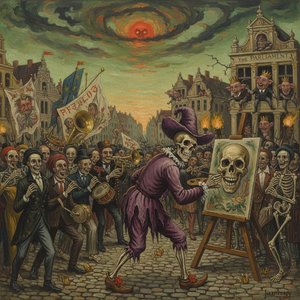
James Ensor's Grotesque Visions: Social Commentary & Artistic Innovation
Explore the unsettling yet captivating world of James Ensor, a pioneer of Expressionism. Discover his satirical masterpieces, symbolic imagery & lasting influence on modern art. High-quality reproductions available at OriginalUniqueArt.


