

 წინასწარი ნახვა
 გაგზავნა
 გაზიარება
 დეტალები

 ჩამოტვირთვა
 მსგავსები
 რენტგენოგრაფიული კვლევა
 სლაიდშოუ
 სტატისტიკა
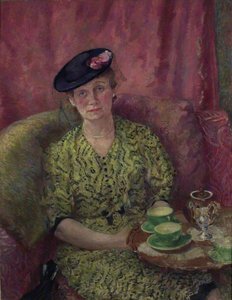
Dartmouth, Devon
 1921
1921 35.0 x 45.0 cm
 Royal Albert Memorial Museum
 გადასართად დაწვრილებით ნახეთ
შეიძინეთ მაღალი რეზოლუციის, გაუმჯობესებული ციფრული გამოსახულება, რომელიც ხარისხით ბევრად აღემატება ონლაინ წინასწარ ნახვას.
თითოეულ ფაილს ჩვენი შიდა სპეციალისტები საგულდაგულოდ ამზადებენ თანამედროვე ინსტრუმენტებისა და პროფესიონალური რეტუშირების გამოყენებით. ჩვენ უზრუნველყოფთ, რომ თითოეულ გამოსახულებას ჰქონდეს გამორჩეული სიცხადე, ფერების ზუსტი გადაცემა და დეტალიზაცია.
დასრულებული ფაილი ელექტრონული ფოსტით 72 საათში გიგზავნით; იგი ოპტიმიზებულია პროფესიონალური, რედაქციული და პოლიგრაფიული გამოყენებისთვის. ეს არის ისეთივე ხარისხი, რომელსაც წამყვანი დიზაინ-სტუდიები, გამომცემლობები და გალერეები ენდობიან.
ციფრული გამოსახულება
ჩამოტვირთეთ მაღალი გარჩევადობის ფაილი პირადი გამოყენებისთვის, დასაბეჭდად და შემოქმედებითი პროექტებისთვის. ( გადართვა ბეჭდზე შეიძინეთ ხელით შესრულებული ნახატი)
ყოველ ციფრულ გამოსახულების შეკვეთაში შედის
ექსპერტული ციფრული მიწოდება, გარანტირებული
როდესაც ირჩევთ OriginalUniqueArt.com-ს, თქვენ მხოლოდ სურათს კი არ იღებთ, არამედ იღებთ პროფესიონალურად დამუშავებულ ციფრულ ნამუშევარს, რომელიც შექმნილია უზადო სიზუსტით და დაცულია კმაყოფილების გარანტიით. თქვენს შეკვეთას ავტომატურად მოჰყვება შემდეგი:

სწრაფი მიწოდება ელექტრონული ფოსტით
თქვენს მაღალი რეზოლუციის ციფრულ გამოსახულებას ელექტრონული ფოსტით შეკვეთის დაწყებიდან 72 საათში მიიღებთ — ის მზად იქნება დაუყოვნებლივი გამოყენებისთვის.

AI-ით გაუმჯობესებული ციფრული ფაილი
თქვენი ხელოვნების ნიმუშები პროფესიონალურად არის ოპტიმიზებული მოწინავე AI ინსტრუმენტებისა და მექანიკური რედაქტირების მეშვეობით, რაც უზრუნველყოფს მაქსიმალურ დეტალიზაციას, სიცხადესა და ფერების სიზუსტეს.

ციფრული გამოსახულებების უფასო სამუდამო ხელახალი მიღება
ფაილი შემთხვევით წაიშალა ან დაკარგეთ? ნუបედავთ — ჩვენ მას ნებისმიერ დროს, უფასოდ ხელახლა გამოგეგზავნით.

იმპორტის გადასახადების გარეშე — ყოველთვის
ჭიდად ისიამოვნეთ თქვენი ნამუშევრით მყისიერად, საბაჟო გადასახადის, მოსაკრებლის ან მიწოდების ხარჯის გარეშე - ციფრული ჩამტვირთვისას ყოველთვის საგადასახადო თავისუფლებაა.

ფერების სიზუსტის გარანტია
პროფესიონალური ინსტრუმენტებისა და ფერების მართვის სისტემის გამოყენებით, ჩვენ უზრუნველყოფთ, რომ თქვენი ციფრული გამოსახულება მაქსიმალურად ზუსტად ასახავდეს ორიგინალურ ფერებს.

კმაყოფილების 100-დღიანი გარანტია
თუ თქვენ არ დაკმაყოფილებული ხართ თქვენი ციფრული გამოსახულებით, ჩვენ შევიტანთ მასში ცვლილებებს ან დაგიბრუნებთ 100% თანხას 100 დღის განმავლობაში - ყოველგვარი კითხვის დასმევის გარეშე.

100% თანხის დაბრუნების გარანტია
არ არის კმაყოფილი? მიიღეთ სრული თანხის დაბრუნება ციფრული ფაილის მიღებიდან 100 დღის განმავლობაში — ყოველგვარი დამატებითი კითხვების გარეშე.

ფასდაკლება დიდი რაოდენობით შეკვეთაზე
შეიძინეთ 3 გამოსახულება და მიიღეთ 10% ფასდაკლება - შეიძინეთ 5 და მიიღეთ 15% ფასდაკლება - შეიძინეთ 10+-ზე და მიიღეთ 20% ფასდაკლება. იდეალურია კრეატიული პროექტებისთვის, გალერეებისა და სააგენტოებისთვის.
მხატვრის ბიოგრაფია
A Life of Color and Conviction
The story of James Bolivar Manson is one of profound defiance and the relentless pursuit of aesthetic truth. Born in 1879 amidst the bustling streets of Brixton, London, Manson carried a name that whispered of revolutionary grandeur, being named after the liberator Simón Bolívar. Raised in a household where the written word reigned supreme—his father serving as a prominent literary editor—Manson was surrounded by the intellectual currents of the Victorian era. Yet, beneath the structured expectations of a scholarly lineage, there beat the heart of a painter. Despite his father’s deep-seated reservations regarding the stability of an artistic vocation, Manson refused to let his creative spirit be stifled by the mundane. His early years were marked by a struggle between duty and desire, as he navigated the uninspiring corridors of Newnes Publishing and the rigid atmosphere of a bank clerk, roles that felt like gilded cages to a man destined for the canvas.
It was through a disciplined commitment to his craft that Manson eventually broke free from his clerical shackles. Studying at the Heatherley School of Fine Art and the Lambeth School of Art, he sought to master the nuances of light and form. A pivotal influence during these formative years was Lilian Beatrice Laugher, a violinist whose connection to the European musical elite provided Manson with a window into broader artistic movements. In a moment of legendary cinematic flair in 1903, Manson symbolically discarded his professional hat upon a pole, signaling his irrevocable commitment to the life of an artist. This transition marked the beginning of a career defined by a delicate balance between administrative responsibility and painterly passion.
The Impressionist Bloom
As his technique matured, Manson became celebrated for his ability to breathe life into the ephemeral beauty of the natural world. He found his true calling in the realm of floral still lifes, where he could employ an Impressionist vocabulary to capture the fleeting essence of a blossom. His works are characterized by a vibrant use of color and a rhythmic, expressive brushstroke that suggests movement even within the stillness of a vase. Whether depicting the bold textures of tulips or the soft, layered petals of spring blooms, Manson possessed a rare ability to translate botanical detail into emotional resonance. His approach was not merely about botanical accuracy but about capturing the light that dances upon a petal and the atmosphere that surrounds a bouquet.
While his mastery of flowers brought him acclaim, his career was also shaped by his significant, albeit complex, tenure at the Tate Gallery. Serving as director from 1930 to 1938, Manson navigated a period of intense transition in the art world. He was a progressive force within the institution, championing Impressionism and pushing for more modern art policies than his predecessors. However, this period was also marked by personal struggle and professional tension. While he embraced the light-filled beauty of Impressionism, he remained somewhat resistant to the more radical shifts of Surrealism and German Expressionism, a stance that occasionally placed him at odds with the burgeoning avant-garde. This duality—the administrator of a great institution and the sensitive painter of flowers—defined the unique tension of his professional life.
Legacy of the Floral Visionary
In his later years, Manson returned to the purity of his original passion. Retiring from the administrative rigors of the Tate due to ill health, he retreated into the quiet, meditative world of flower painting. This period allowed him to refine his style, producing works that remained deeply rooted in the Impressionist tradition while achieving a profound sense of intimacy. His legacy is not found merely in the halls of museum administration, but in the enduring vitality of his canvases. To look upon a Manson still life is to witness a celebration of life’s most delicate moments, preserved through a lifetime of dedication.
The historical significance of James Bolivar Manson lies in his role as a bridge between eras. He stood at the intersection of Victorian tradition and modern sensibility, bringing a sense of grace and light to the British art scene. His life serves as a testament to the power of following one's true calling, even when faced with the weight of expectation. Through his eyes, we see:
- The Beauty of Impermanence: His ability to capture the transient glory of flowers through layered textures and light.
- Artistic Resilience: The courage to abandon a secure clerical life for the uncertain path of a creator.
- Institutional Evolution: His contribution to the Tate Gallery's shift toward embracing Impressionist aesthetics.
- A Harmonious Synthesis: The blending of meticulous detail with the loose, emotive brushwork of the Impressionist movement.
James Bolivar Manson
1879 - 1945
მოკლე ინფორმაცია
- Artistic Movement Or Style: Impressionism
- Artists Or Movements Influenced By This Artist: ['Post-Impressionism']
- Artists Who Influenced This Artist: ['Joachim']
- Date Of Birth: 1879
- Date Of Death: 1945
- Full Name: James Bolivar Manson
- Nationality: British
- Notable Artworks:
- Flower Piece
- Still Life, Tulips in a Blue Jug
- Michaelmas Daisies
- Place Of Birth: Brixton, London