

 ნახვა ინტერьерში
 გაგზავნა
 გაზიარება
 დეტალები
 გზამკვლევი

 ჩამოტვირთვა
 მსგავსები
 რენტგენოგრაფიული კვლევა
 სლაიდშოუ
 სტატისტიკა
young lady in a boat


 სრული ტექსტის ნახვა
გიკლე / ხელოვნების პრინტი
მუზეუმის დონის ჟიკლე ან ტილოზე ბეჭდვა სწრაფი წარმოებისა და დასრულების მოქნილი ვარიანტებით. ( შეიძინეთ ხელით შესრულებული ნახატი გადასვლა ციფრულ გამოსახულებაზე)




P118B $10

P118H $10

P118W $10

P438Z $10

P508JH $12

P508YH $12

P805H $10

P805Z $10

P919BZ $10

P919G $10

P919XJ $10

P959ZH $10

P968JZ $12

W106C $8

W218G $10

W218JH $8

W218Y $10

W307PJ $10

W316G $10

W316PJ $8

W316Y $10

W398PJ $8

W4111J $10

W500HY $15

W500JH $15

W692G $12

W849H $8

W940BG $15

W953PJ $8




აირჩიეთ ჩვენს მიერ წინასწარ განსაზღვრული ზომებიდან, რომლებიც ნაწარმოების ორიგინალურ პროპორციებს შეესაბამება.

თქვენ შეგიძლიათ მიუთითოთ საკუთარი ზომები კონკრეტული ჩარჩოსთვის ან სივრცისთვის მოსარგებლებლად. თუ თქვენ მიერ არჩეული ზომა არ შეესაბამება ორიგინალი გამოსახულების პროპორციებს, ჩვენ ან დავჭრით ნამუშევარს, ან გავაფართოვებთ გამოსახულებას სარკული ან ერთფეროვანი კიდეებით. წარმოების დაწყებამდე თქვენს დასამტკიცებლად გამოგეგზავნებათ ციფრული მაკეტი.
გთხოვთ, გაითვალისწინოთ, რომ ეკრანზე ნაჩვენები წინასწარი ნახვა არ ასახავს რეალურ ჭრას ან გაფართოებას. მხოლოდ მაკეტზე იქნება ზუსტად წარმოდგენილი საბოლოო კომპოზიცია.
მიუხედავად იმისა, რომ ინდივიდუალური ზომები ხელმისაწვდომია, ორიგინალური პროპორციების შესანარჩუნებლად გირჩევთ, აირჩიოთ ზომა წინასწარ განსაზღვრული სიისგან.
მიწოდება მთელ მსოფლიოში () 2 კვირაში, სტანდარტული 4/5 კვირის ნაცვლად. (27 სექტემბერი)

უფასო ექსპრეს მიწოდება მთელ მსოფლიოში

მაღალი ხარისხის ტილო

ტრანსპორტირების სრული დაზღვევა

საბაჟო გადასახადების დაბრუნების გარანტია

ფერების სრული შესაბამისობის გარანტია

დაბრუნების 100-დღიანი პერიოდი (მხოლოდ წარმოების დეფექტის შემთხვევაში)

100% თანხის სრული დაბრუნების გარანტია

ფასდაკლება დიდი რაოდენობით შეკვეთისას
 მინის ჩარჩოს არჩევანი ხელმისაწვდომია მხოლოდ 110 სმ-მდე ზომისთვის

young lady in a boat
გიკლე / ხელოვნების პრინტი
რეპროდუქციის ზომა
-


ჯამური ღირებულება
$ 80
A Moment of Serenity: The Elegance of Tissot’s Floating Muse
In the gentle embrace of 1870, James Jacques Joseph Tissot captured a fragment of time that feels as though it could breathe even today. Young Lady in a Boat is not merely a depiction of a leisurely afternoon; it is an invitation into the refined, tranquil world of the Victorian era. As the viewer’s eye meets the canvas, they are immediately drawn to the central figure—a young woman draped in a soft, romantic pink dress that seems to glow against the verdant riverbank. She sits with a poised grace, her chin resting thoughtfully upon her hand, a gesture that suggests a quiet introspection amidst the beauty of nature. Beside her, a small, loyal companion—a tiny dog—shares in this peaceful excursion, adding a layer of warmth and domestic charm to the scene. The composition is a masterclass in balance, where the stillness of the water meets the lush, untamed greenery of the shore, creating a sanctuary of calm that resonates deeply with anyone seeking an escape from the frenetic pace of modern life.
The technical brilliance of Tissot lies in his ability to marry the precision of academic training with the burgeoning light-filled sensibilities of early Impressionism. Having studied under masters like Ingres at the École des Beaux-Arts, Tissot possessed an unparalleled command over detail. This is evident in the delicate rendering of the lady's attire—the way the fabric folds and catches the light, and the intricate design of her hat. His brushwork is smooth and deliberate, yet there is a luminous quality to the way he handles light and shadow, giving the water a translucent depth and the foliage a vibrant, living texture. For the collector or interior designer, this technique ensures that a reproduction of this work brings a sophisticated luminosity to any room, acting as a window into a more graceful age.
Historical Splendor and Timeless Appeal
To understand the soul of this painting, one must look to the era from which it emerged. Tissot, a Frenchman who found immense success in the high societies of London and Paris, was a chronicler of the Belle Époque and Victorian elegance. This piece, which was showcased at the prestigious Paris Salon in 1870, reflects his unique ability to capture the fashion and social nuances of the upper classes. The parasol held by the lady is more than a mere accessory; it is a symbol of status and protection, a nod to the meticulous sartorial standards of the time. Through his lens, we see the intersection of nature and civilization, where the wildness of the riverbank is tamed by the refined presence of the lady.
For those looking to adorn a home or gallery with art that evokes emotion, Young Lady in a Boat offers a profound sense of nostalgia and peace. It is a piece that does not demand attention through loud colors or jarring movements, but rather earns it through a quiet, persistent beauty. Whether placed in a sunlit study or a grand living area, this painting serves as a focal point of sophistication. Owning a high-quality oil reproduction allows the enduring legacy of Tissot’s vision to become part of your personal environment, offering a daily encounter with the elegance, light, and serenity of a bygone golden age.
მხატვრის ბიოგრაფია
Early Life and Artistic Beginnings
Jacques Joseph Tissot, born October 15, 1836, in Nantes, France, was destined for a life steeped in artistic passion from his earliest years. His father, a drapery merchant, instilled in him an appreciation for craftsmanship and detail—qualities that would profoundly shape his artistic vision. Simultaneously, his mother, a milliner, nurtured his sensitivity to beauty and fashion, exposing him to the vibrant world of Parisian society. Despite familial responsibilities, Tissot relentlessly pursued his artistic ambitions, enrolling at the École des Beaux-Arts in Paris where he honed his skills under the tutelage of luminaries like Ingres, Flandrin, and Lamothe. This formative period cemented his commitment to painting as a vocation and established him firmly within the influential Parisian art milieu.The Salon Years and Recognition
Tissot’s debut at the Paris Salon in 1861 marked a pivotal moment—the unveiling of “The Meeting of Faust and Marguerite,” a dramatic tableau that captivated audiences and garnered considerable acclaim from critics. Purchased by the state for inclusion in the Luxembourg Gallery, this ambitious undertaking signaled Tissot's burgeoning reputation as a painter capable of capturing complex narratives and conveying profound emotion. Subsequent Salon exhibitions solidified his position within the artistic establishment, showcasing his evolving style and attracting commissions from prominent patrons. His early successes fueled confidence and propelled him toward exploring new subjects and techniques—a trajectory that would ultimately define his illustrious career.Genre Painting and Parisian Society
Tissot’s artistic breakthrough arrived with his series “La Femme à Paris,” a meticulously observed depiction of the demi-mondaine world of late Victorian London. These paintings, characterized by their luminous color palettes and masterful rendering of textures—particularly fabrics—became synonymous with capturing the allure and dynamism of Parisian high society. Tissot's meticulous attention to detail extended beyond mere visual representation; he sought to convey not only appearances but also psychological nuances, reflecting the anxieties and aspirations of his subjects. His work stands as a testament to Impressionistic influences blended with realism, offering an unparalleled glimpse into the social customs and artistic sensibilities of the Belle Époque.Biblical Themes and Japonisme
Throughout his prolific output, Tissot embraced diverse artistic inspirations—ranging from medieval narratives to biblical scenes—demonstrating remarkable versatility. His depictions of religious subjects, imbued with spiritual depth and emotional resonance, showcased his ability to elevate visual storytelling into profound contemplation. Simultaneously, he was captivated by Japonisme—the fascination with Japanese art and aesthetics that swept across Europe during the Victorian era—evident in compositions infused with asymmetrical arrangements and subtle color harmonies reminiscent of Japanese prints. This stylistic fusion underscored Tissot’s intellectual curiosity and his willingness to experiment with innovative artistic approaches.Later Years and Legacy
Tissot's life took a dramatic turn when he enlisted in the Franco-Prussian War, serving on the French side—an experience that undoubtedly shaped his worldview. Following the war’s conclusion, he relocated to London where he pursued etching alongside Sir Seymour Haden and honed his artistic skills through portrait commissions and caricatures for Vanity Fair. His relationship with Kathleen Newton blossomed into a passionate companionship, providing him with enduring inspiration for numerous paintings. Tragically, Newton succumbed to tuberculosis in 1882—a profound loss that deeply affected Tissot’s creative output. Despite this sorrowful chapter, he continued to produce exceptional artwork until his death in 1902. Today, Jacques Joseph Tissot's legacy resides in museums across Europe and North America—most notably the Musée National Jean-Jacques Henner in Paris—where his celebrated paintings continue to inspire admiration for their artistic brilliance and evocative portrayal of Victorian life and faith. His enduring influence on genre painting and Impressionism secures his place as one of France’s most distinguished artists of the 19th century.
ჟაკ შეშო ტისოტი
1836 - 1902 , ᲤᲠᲔᲜᲓᲔᲔᲡᲔᲐ
მოკლე ფაქტები
- Artistic Movement Or Style: ჟანრის მხატვრობა
- Artists Who Influenced This Artist:
- ჟან-อูგესต์ ინ그레스ი
- guérisonსტ დ კურბეტი
- Date Of Birth: ოქტომბერი 15, 1836
- Date Of Death: აგვისტო 8, 1902
- Full Name: Jacques Joseph Tissot
- Nationality: საფრान्सელი
- Notable Artworks:
- ფაუსტისა და მარგარიტის შეხვედრა
- ლადெმ ბარი
- Place Of Birth: ნანტიஸ், საფრान्सი
მსგავსი სტატიები

Set Sail: 10 Iconic Artworks That Masterfully Capture the Spirit of Boats
Embark on a journey through maritime history with 10 iconic boat paintings. From Impressionist seascapes to dramatic oil masterpieces, explore the stories behind these timeless nautical works. Find museum-quality art reproductions and decor inspiration. Discover all masterpieces on OriginalUniqueArt.com

George Goodwin Kilburne: Capturing Victorian Sentimentality Through Genre Painting
Explore the evocative Victorian paintings of George Goodwin Kilburne. Discover his detailed scenes of domestic life, masterful use of light, and lasting impact on British genre painting. Learn more at OriginalUniqueArt.

Timeless Elegance: 10 Iconic Artworks That Capture the Victorian Era
Step into the grandeur of the 19th century. Explore 10 iconic Victorian era artworks, from Pre-Raphaelite masterpieces to romantic portraits. Discover the stories behind these timeless classics and find museum-quality reproductions for your decor. Explore the full collection on OriginalUniqueArt.com.
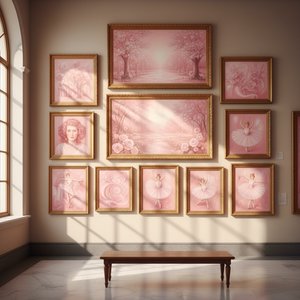
Blush & Brilliance: 10 Iconic Paintings Dominated by Light Pink Tones |
Explore 10 iconic paintings bathed in captivating light pink tones! From Monet's Impressionism to Renoir’s romance, discover the stories behind these blush-hued masterpieces. Find museum-quality art reproductions & decor inspiration at .

Boats on Canvas: 10 Masterpieces of Maritime Art for Your Home Decor
Sail away with 10 iconic boat paintings! Explore masterpieces by Monet, Van Gogh & Turner. Discover the stories behind these timeless seascapes and find museum-quality art reproductions for your home decor at OriginalUniqueArt.com.