
 ნახვა ინტერьерში
 გაგზავნა
 გაზიარება
 დეტალები
 გზამკვლევი

 ჩამოტვირთვა
 მსგავსები
 რენტგენოგრაფიული კვლევა
 სლაიდშოუ
 სტატისტიკა
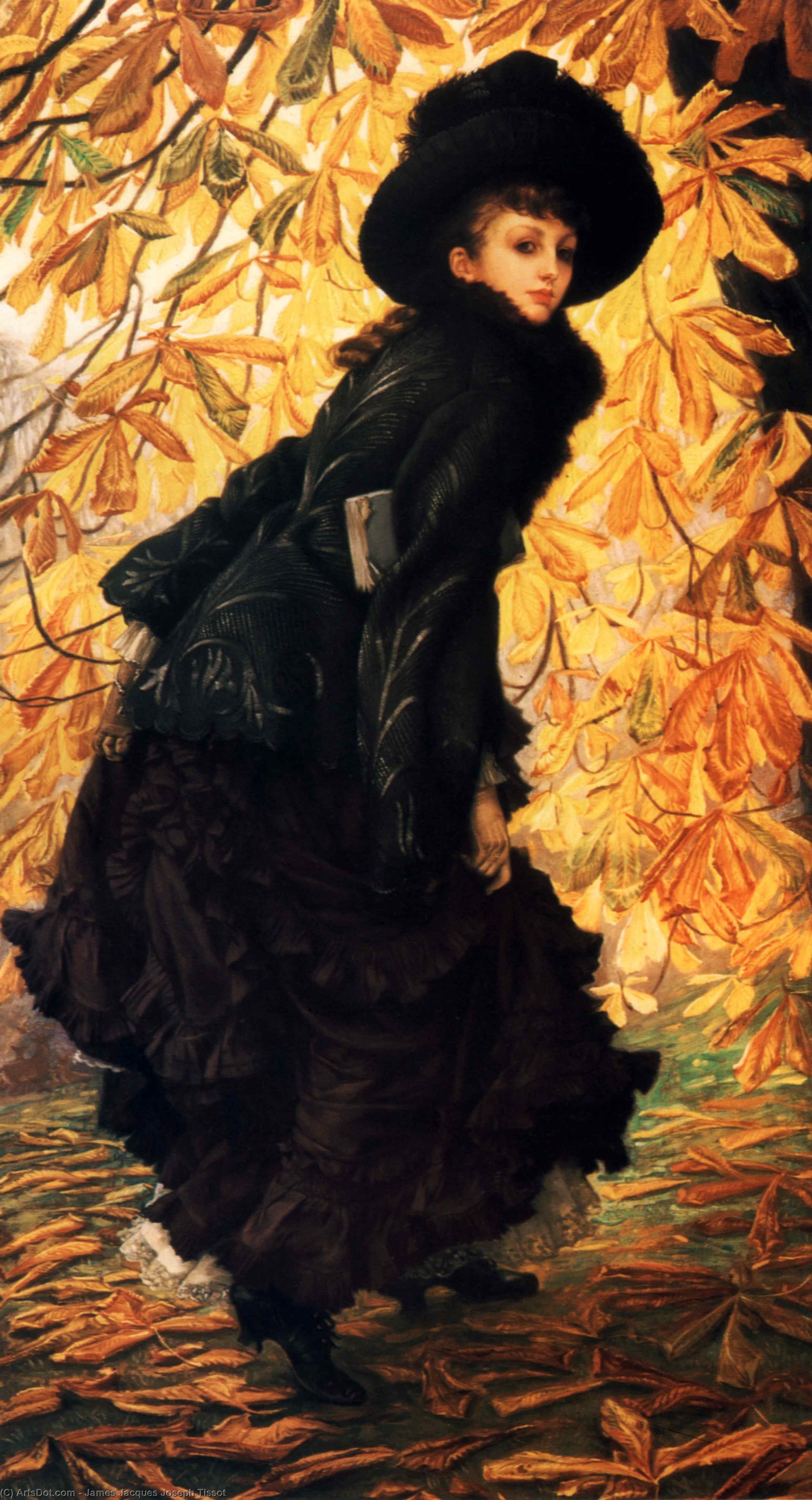
October
 Oil On Canvas
- WallArt
- Impressionism
 1878
1878- 19th Century
 53.0 x 116.0 cm
 სრული ტექსტის ნახვა
გიკლე / ხელოვნების პრინტი
მუზეუმის დონის ჟიკლე ან ტილოზე ბეჭდვა სწრაფი წარმოებისა და დასრულების მოქნილი ვარიანტებით. ( შეიძინეთ ხელით შესრულებული ნახატი გადასვლა ციფრულ გამოსახულებაზე)




P118B ₾10

P118H ₾10

P118W ₾10

P438Z ₾10

P508JH ₾12

P508YH ₾12

P805H ₾10

P805Z ₾10

P919BZ ₾10

P919G ₾10

P919XJ ₾10

P959ZH ₾10

P968JZ ₾12

W106C ₾8

W218G ₾10

W218JH ₾8

W218Y ₾10

W307PJ ₾10

W316G ₾10

W316PJ ₾8

W316Y ₾10

W398PJ ₾8

W4111J ₾10

W500HY ₾15

W500JH ₾15

W692G ₾12

W849H ₾8

W940BG ₾15

W953PJ ₾8




აირჩიეთ ჩვენს მიერ წინასწარ განსაზღვრული ზომებიდან, რომლებიც ნაწარმოების ორიგინალურ პროპორციებს შეესაბამება.

შეიყვანეთ თქვენთვის საჭირო სიგანე და სიმაღლე, რათა იგი მოერგოს თქვენს ჩარჩოს ან კედელს. ბეჭდვისას შესაძლებელია მხოლოდ მისი შემცირება და არა გაზრდა, ამიტომ სხვა ფორმის ზომის შემთხვევაში გამოსახულება ნაწილობრივ იკარგება. სანამ რაიმეს დაბეჭდავთ, ჩვენ გამოგიგზავნით ციფრულ მაკეტს დასდასტურებლად. ამ გვერდზე ნაჩვენები სურათი არ ასახავს რეალურ ჭრას — ამას მხოლოდ მაკეტი გვიჩვენებს.
მიწოდება მთელ მსოფლიოში () 2 კვირაში, სტანდარტული 4/5 კვირის ნაცვლად. (23 ოქტომბერი)

უფასო ექსპრეს მიწოდება მთელ მსოფლიოში

მაღალი ხარისხის ტილო

ტრანსპორტირების სრული დაზღვევა

საბაჟო გადასახადების დაბრუნების გარანტია

ფერების სრული შესაბამისობის გარანტია

დაბრუნების 100-დღიანი პერიოდი (მხოლოდ წარმოების დეფექტის შემთხვევაში)

100% თანხის სრული დაბრუნების გარანტია

ფასდაკლება დიდი რაოდენობით შეკვეთისას
 მინის ჩარჩოს არჩევანი ხელმისაწვდომია მხოლოდ 110 სმ-მდე ზომისთვის

October
გიკლე / ხელოვნების პრინტი
რეპროდუქციის ზომა
-


ჯამური ღირებულება
₾ 209
The Allure of Autumnal Grace in Tissot's "October"
To gaze upon James Jacques Joseph Tissot’s October is to step directly into a sun-dappled moment of late Parisian life, a scene imbued with the gentle melancholy that only the turning season can evoke. This oil on canvas, painted in 1878, transcends a mere depiction of autumn; it captures an atmosphere—a palpable sense of transition. At its heart stands a captivating figure: a woman clad in the somber elegance of black, her silhouette framed against the warm tapestry of falling foliage. Her downward gaze is not one of shyness, but rather a profound moment of introspection, drawing the viewer into the quiet narrative unfolding around her.
Mastery of Impressionistic Light and Color
Tissot’s technique here is a beautiful marriage between academic precision and the burgeoning spirit of Impressionism. While his training suggests classical structure, the handling of light in October speaks to the movement's core tenets—the celebration of fleeting color and atmospheric effect. The background explodes with yellows and ochres from the scattered leaves, creating a luminous warmth that contrasts exquisitely with the deep blacks of the central figure’s attire. This interplay between shadow and brilliant autumnal glow is what gives the painting its immediate visual poetry. One can almost feel the crisp air and smell the decay mingling with the lingering scent of late summer blooms.
A Glimpse into Parisian Society
Contextually, October serves as a quintessential example of Tissot’s lifelong fascination: the fashionable woman within the tapestry of everyday life. As an artist deeply attuned to the social currents of his time, Tissot chronicled the elegance and subtle dramas of Parisian society. The presence of other, less defined figures in the periphery suggests a bustling world continuing around this moment of quiet contemplation. It speaks to a specific era—the late 19th century—when fashion was an art form and public life unfolded with meticulous grace.
Symbolism and Emotional Resonance for the Modern Collector
The symbolism within the piece is rich, revolving around themes of change, beauty's passage, and introspection. The very title, October, anchors the work to the cyclical nature of existence—a beautiful decline that promises renewal. For the contemporary collector or interior designer, this painting offers more than mere decoration; it provides a focal point of sophisticated mood. Reproducing Tissot’s vision allows one to infuse a space with historical depth and emotional resonance, transforming a room into a gallery moment steeped in autumnal romance.
Acquiring a Piece of Enduring Artistry
To own a reproduction of October is to invite this masterful dialogue between light, fashion, and the seasons into your personal sanctuary. Whether displayed prominently or used as an intimate accent piece, the rich textures and vibrant narrative captured by Tissot ensure that the artwork remains captivating. It is an investment not just in paint and canvas, but in a tangible connection to the artistic heart of Belle Époque Paris.
კითხვები და პასუხები
როგორ შეიძლება ჟაკ შეშო ტისოტი-ის „October“ გამოყენებული იქნას სახლის დეკორში?
ჟაკ შეშო ტისოტი-ის „October“-ისთვის რეკომენდებულია (Focal) გამოყენება და (Lounge) სივრცე.
ცნობილია თუ არა სხვა სახელებით „October“-ის ავტორი, ჟაკ შეშო ტისოტი?
October-ის ავტორის, ჟაკ შეშო ტისოტი, სხვა 알려ებული სახელები მოიცავს: ჯეიმ્સ ტისოტი.
რატომ არის ჟაკ შეშო ტისოტი-ის „October“ რეკომენდებული საჩუქრად?
ჟაკ შეშო ტისოტი-ის „October“-ის Melancholic ტონი შეესაბამება მის რეკომენდებულ საჩუქრის შემთხვევას: Anniversary.
მხატვრის ბიოგრაფია
Early Life and Artistic Beginnings
Jacques Joseph Tissot, born October 15, 1836, in Nantes, France, was destined for a life steeped in artistic passion from his earliest years. His father, a drapery merchant, instilled in him an appreciation for craftsmanship and detail—qualities that would profoundly shape his artistic vision. Simultaneously, his mother, a milliner, nurtured his sensitivity to beauty and fashion, exposing him to the vibrant world of Parisian society. Despite familial responsibilities, Tissot relentlessly pursued his artistic ambitions, enrolling at the École des Beaux-Arts in Paris where he honed his skills under the tutelage of luminaries like Ingres, Flandrin, and Lamothe. This formative period cemented his commitment to painting as a vocation and established him firmly within the influential Parisian art milieu.The Salon Years and Recognition
Tissot’s debut at the Paris Salon in 1861 marked a pivotal moment—the unveiling of “The Meeting of Faust and Marguerite,” a dramatic tableau that captivated audiences and garnered considerable acclaim from critics. Purchased by the state for inclusion in the Luxembourg Gallery, this ambitious undertaking signaled Tissot's burgeoning reputation as a painter capable of capturing complex narratives and conveying profound emotion. Subsequent Salon exhibitions solidified his position within the artistic establishment, showcasing his evolving style and attracting commissions from prominent patrons. His early successes fueled confidence and propelled him toward exploring new subjects and techniques—a trajectory that would ultimately define his illustrious career.Genre Painting and Parisian Society
Tissot’s artistic breakthrough arrived with his series “La Femme à Paris,” a meticulously observed depiction of the demi-mondaine world of late Victorian London. These paintings, characterized by their luminous color palettes and masterful rendering of textures—particularly fabrics—became synonymous with capturing the allure and dynamism of Parisian high society. Tissot's meticulous attention to detail extended beyond mere visual representation; he sought to convey not only appearances but also psychological nuances, reflecting the anxieties and aspirations of his subjects. His work stands as a testament to Impressionistic influences blended with realism, offering an unparalleled glimpse into the social customs and artistic sensibilities of the Belle Époque.Biblical Themes and Japonisme
Throughout his prolific output, Tissot embraced diverse artistic inspirations—ranging from medieval narratives to biblical scenes—demonstrating remarkable versatility. His depictions of religious subjects, imbued with spiritual depth and emotional resonance, showcased his ability to elevate visual storytelling into profound contemplation. Simultaneously, he was captivated by Japonisme—the fascination with Japanese art and aesthetics that swept across Europe during the Victorian era—evident in compositions infused with asymmetrical arrangements and subtle color harmonies reminiscent of Japanese prints. This stylistic fusion underscored Tissot’s intellectual curiosity and his willingness to experiment with innovative artistic approaches.Later Years and Legacy
Tissot's life took a dramatic turn when he enlisted in the Franco-Prussian War, serving on the French side—an experience that undoubtedly shaped his worldview. Following the war’s conclusion, he relocated to London where he pursued etching alongside Sir Seymour Haden and honed his artistic skills through portrait commissions and caricatures for Vanity Fair. His relationship with Kathleen Newton blossomed into a passionate companionship, providing him with enduring inspiration for numerous paintings. Tragically, Newton succumbed to tuberculosis in 1882—a profound loss that deeply affected Tissot’s creative output. Despite this sorrowful chapter, he continued to produce exceptional artwork until his death in 1902. Today, Jacques Joseph Tissot's legacy resides in museums across Europe and North America—most notably the Musée National Jean-Jacques Henner in Paris—where his celebrated paintings continue to inspire admiration for their artistic brilliance and evocative portrayal of Victorian life and faith. His enduring influence on genre painting and Impressionism secures his place as one of France’s most distinguished artists of the 19th century.
ჟაკ შეშო ტისოტი
1836 - 1902 , ᲤᲠᲔᲜᲓᲔᲔᲡᲔᲐ
მოკლე ფაქტები
- Artistic Movement Or Style: ჟანრის მხატვრობა
- Artists Who Influenced This Artist:
- ჟან-อูგესต์ ინ그레스ი
- guérisonსტ დ კურბეტი
- Date Of Birth: ოქტომბერი 15, 1836
- Date Of Death: აგვისტო 8, 1902
- Full Name: Jacques Joseph Tissot
- Nationality: საფრान्सელი
- Notable Artworks:
- ფაუსტისა და მარგარიტის შეხვედრა
- ლადெმ ბარი
- Place Of Birth: ნანტიஸ், საფრान्सი
მსგავსი სტატიები

The Golden Hue: Exploring Symbolism & Emotion in Yellow Art
Explore the rich symbolism & emotional power of yellow in art history! From Van Gogh to Kandinsky, discover how artists used this vibrant hue. Expert analysis & high-quality reproductions at OriginalUniqueArt.
Jacques Joseph Tissot: A Chronicle of Parisian Life & Narrative Evolution
Explore the captivating world of Jacques Joseph Tissot, a master painter of Belle Époque society. Discover his realism, Impressionistic style, and lasting influence on art history. Learn more at OriginalUniqueArt.
Golden Hues: 10 Masterpieces Dominated by Chrome Yellow | OriginalUniqueArt
Immerse yourself in golden light! Explore 10 famous paintings dominated by 'Chrome Yellow', from Van Gogh’s Sunflowers to Monet's Haystacks. Discover the stories behind these iconic Impressionist & Post-Impressionist masterpieces and find museum-quality art reproductions at OriginalUniqueArt.com.

Dark Masterpieces: 10 Iconic Paintings Dominated by Black Tones |
Explore 10 iconic paintings dominated by black tones, from Rembrandt’s chiaroscuro to Goya's dark expressions. Discover the stories behind these masterpieces & find museum-quality art reproductions for your home at .

Impressionism's Masterpieces: 10 Paintings That Defined a Movement | OriginalUniqueArt
Journey through Impressionism's heart with 10 iconic paintings by Monet, Renoir & Degas. Explore light, color & the stories behind these masterpieces. Find museum-quality art reproductions and elevate your home decor on OriginalUniqueArt.com.