
 ნახვა ინტერьерში
 გაგზავნა
 გაზიარება
 დეტალები
 გზამკვლევი

 ჩამოტვირთვა
 მსგავსები
 რენტგენოგრაფიული კვლევა
 სლაიდშოუ
 სტატისტიკა
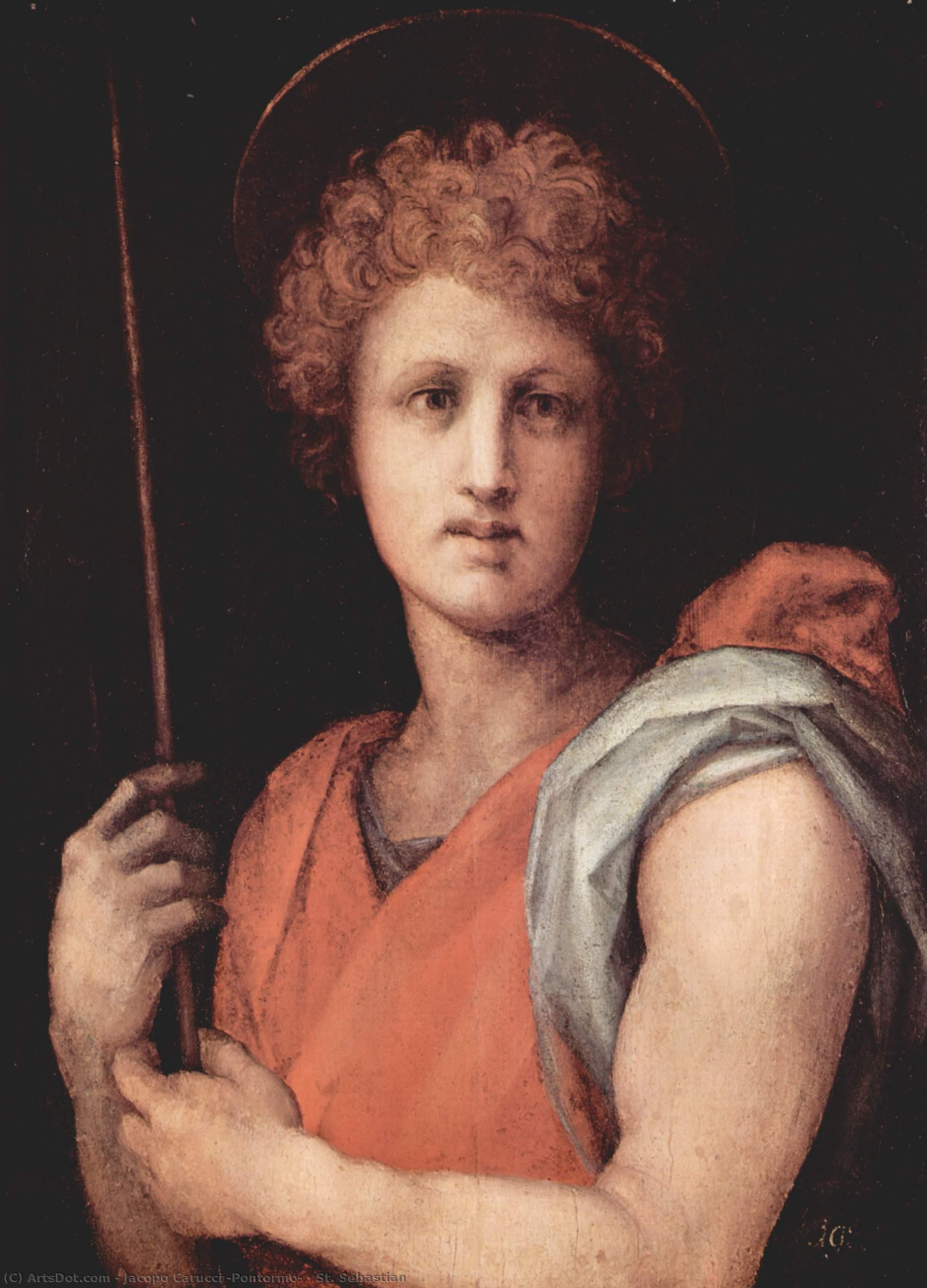
St. Sebastian


 სრული ტექსტის ნახვა
გიკლე / ხელოვნების პრინტი
მუზეუმის დონის ჟიკლე ან ტილოზე ბეჭდვა სწრაფი წარმოებისა და დასრულების მოქნილი ვარიანტებით. ( შეიძინეთ ხელით შესრულებული ნახატი გადასვლა ციფრულ გამოსახულებაზე)




P118B ₾10

P118H ₾10

P118W ₾10

P438Z ₾10

P508JH ₾12

P508YH ₾12

P805H ₾10

P805Z ₾10

P919BZ ₾10

P919G ₾10

P919XJ ₾10

P959ZH ₾10

P968JZ ₾12

W106C ₾8

W218G ₾10

W218JH ₾8

W218Y ₾10

W307PJ ₾10

W316G ₾10

W316PJ ₾8

W316Y ₾10

W398PJ ₾8

W4111J ₾10

W500HY ₾15

W500JH ₾15

W692G ₾12

W849H ₾8

W940BG ₾15

W953PJ ₾8




აირჩიეთ ჩვენს მიერ წინასწარ განსაზღვრული ზომებიდან, რომლებიც ნაწარმოების ორიგინალურ პროპორციებს შეესაბამება.

შეიყვანეთ თქვენთვის საჭირო სიგანე და სიმაღლე, რათა იგი მოერგოს თქვენს ჩარჩოს ან კედელს. ბეჭდვისას შესაძლებელია მხოლოდ მისი შემცირება და არა გაზრდა, ამიტომ სხვა ფორმის ზომის შემთხვევაში გამოსახულება ნაწილობრივ იკარგება. სანამ რაიმეს დაბეჭდავთ, ჩვენ გამოგიგზავნით ციფრულ მაკეტს დასდასტურებლად. ამ გვერდზე ნაჩვენები სურათი არ ასახავს რეალურ ჭრას — ამას მხოლოდ მაკეტი გვიჩვენებს.
მიწოდება მთელ მსოფლიოში () 2 კვირაში, სტანდარტული 4/5 კვირის ნაცვლად. (24 ოქტომბერი)

უფასო ექსპრეს მიწოდება მთელ მსოფლიოში

მაღალი ხარისხის ტილო

ტრანსპორტირების სრული დაზღვევა

საბაჟო გადასახადების დაბრუნების გარანტია

ფერების სრული შესაბამისობის გარანტია

დაბრუნების 100-დღიანი პერიოდი (მხოლოდ წარმოების დეფექტის შემთხვევაში)

100% თანხის სრული დაბრუნების გარანტია

ფასდაკლება დიდი რაოდენობით შეკვეთისას
 მინის ჩარჩოს არჩევანი ხელმისაწვდომია მხოლოდ 110 სმ-მდე ზომისთვის

St. Sebastian
გიკლე / ხელოვნების პრინტი
რეპროდუქციის ზომა
-


ჯამური ღირებულება
₾ 209
A Portrait of Spiritual Anguish: Unveiling Jacopo Pontormo’s St. Sebastian
Jacopo Pontormo's 1515 depiction of Saint Sebastian is not merely a portrait; it’s an immersion into the heart of Mannerist emotion, a profound exploration of faith, suffering, and the human condition. Painted during a period of artistic upheaval—a deliberate departure from the idealized beauty of the High Renaissance—Pontormo crafted a work that anticipates the dramatic intensity of the Baroque while retaining a distinctly personal and haunting quality. The painting immediately commands attention with its stark contrast: a dark, almost impenetrable background against which the figure of St. Sebastian is rendered in rich, warm hues, creating an immediate sense of isolation and vulnerability.
The composition itself is meticulously constructed, adhering to the pyramidal structure favored by Renaissance artists but imbued with a subtle instability that speaks to the era’s fascination with ambiguity. St. Sebastian's head, centrally positioned, dominates the canvas, his gaze direct and unwavering – an invitation, perhaps, or a plea for understanding. The crossed arms, a gesture of both defense and acceptance, suggest a man caught between earthly suffering and divine grace. The halo encircling his head is not a symbol of triumphant victory but rather a quiet acknowledgment of his martyrdom, a subtle reminder of the spiritual weight he carries.
The Language of Mannerism: Color, Line, and Emotion
Pontormo’s masterful use of color is central to the painting's emotional impact. The dominant palette—deep reds, oranges, and earthy terracotta tones—evokes a sense of warmth and vitality, yet this is immediately tempered by the surrounding darkness. These warm hues are juxtaposed against cooler blues and whites in the draped fabric, creating visual tension and highlighting the figure’s isolation. The artist employs a technique known as *sfumato*, subtly blurring lines and edges to create an atmosphere of ethereal softness—a hallmark of Mannerism. Lines are deliberately soft and blended, avoiding sharp definition; this contributes significantly to the painting's overall sense of fluidity and emotional intensity.
Furthermore, Pontormo’s manipulation of light is particularly noteworthy. It isn’t a dramatic spotlight but rather a diffused illumination that seems to emanate from multiple sources, gently sculpting St. Sebastian’s form and emphasizing his face. This subtle lighting creates a sense of depth and volume while simultaneously flattening the space, drawing the viewer's attention solely to the figure himself. The textures are rendered with remarkable delicacy—the smooth skin, the flowing fabric—suggesting an almost tactile quality that invites close observation.
Symbolism and Historical Context: A Bridge Between Eras
Beyond its aesthetic qualities, St. Sebastian’s image is rich in symbolic meaning. As a martyr for his Christian faith, he represents sacrifice, endurance, and the triumph of spirit over adversity. The arrows piercing his body are not merely depictions of physical pain but potent symbols of spiritual wounds—a visual representation of the suffering endured by all believers. The painting reflects the turbulent religious climate of 16th-century Florence, a city grappling with political instability and religious reform. Pontormo’s embrace of Mannerism can be seen as a response to the perceived rigidity of the High Renaissance, a willingness to explore subjective experience and emotional intensity.
Born Jacopo Carucci in Pontorme, Tuscany, around 1494, Pontormo was a pivotal figure bridging the Renaissance and Baroque eras. His life was marked by both artistic brilliance and personal tragedy – a loss of his wife and children profoundly impacting his work. This experience undoubtedly contributed to the melancholic tone that permeates St. Sebastian, transforming it into a timeless meditation on grief, faith, and the enduring power of the human spirit.
A Timeless Masterpiece: Reproduction and Beyond
Reproductions of Jacopo Pontormo’s *St. Sebastian* offer an exceptional opportunity to experience this profoundly moving work firsthand. The meticulous detail, evocative color palette, and masterful composition are faithfully captured in high-quality reproductions, allowing viewers to appreciate the artist's genius from any vantage point. Whether adorning a grand salon or a more intimate space, this painting continues to resonate with its powerful message of resilience and spiritual depth.
კითხვები და პასუხები
რა ასაკში შექმნა ჯაკოპო პონტორმო-მა „St. Sebastian“?
როდესაც 1515 წელს შექმნა „St. Sebastian“, ჯაკოპო პონტორმო, რომელიც 1494-ში დაიბადა, 21 წლის იყო.
შესაძლებელა ვნახო ჯაკოპო პონტორმო-ის „St. Sebastian“-ის რენტგენული გამოსახულება?
ჯაკოპო პონტორმო-ის „St. Sebastian“-ის რენტგენოგრაფია გვერდი წარმოადგენს ინტერაქტიულ გამსინჯებელს, რომელიც საშუალებას გაძლევთ გადაიკვლიოთ ნამუშევრის თერთმეტი ოპტიკური ფენა, მათ შორის რენტგენოსებრი ხედიც.
სად იმყოფება "St. Sebastian" ჯაკოპო პონტორმო-ის შემოქმედებისათვის დამახასიათებელ თემებსა და სტილში?
ჯაკოპო პონტორმო-ის შემოქმედებაში „St. Sebastian“ Mannerist Painting სტილშია შესრულებული და renaissance mannerism, emotional intensity, christian martyrdom, spiritual themes, religious iconography, symbolism rich, pontormo’s unique style, innovation” თემებს ეფუძნება.
მხატვრის ბიოგრაფია
ჯაკოპო პონტორმოს ცხოვრება და შემოქმედება: რენესანსსა და ბაროკოს შორის ხიდი
ჯაკოპო პონტორმო, სახელად ჯაკოპო კარუჩი, დაიბადა 1494 წელს ტოსკანაში, ქალაქ პონტორმოსთან ახლოს. ის არის ფლორენციული მანერიზმის გამორჩეული წარმომადგენელი – მხატვარი, რომელმაც უარყო კონვენციები და საკუთარი გზა აირჩია ინოვაციისკენ. მრავალი თანამედროვისგან განსხვავებით, რომლებიც კლასიკურ იდეალებზე დაფუძნებულ იდეალურ სილამაზეს ეწრებოდნენ, პონტორმომ ემოციური ინტენსივობა და ფსიქოლოგიური კომპლექსურობა მიიღო, რაც მას რენესანსის მშვიდი დიდების და ბაროკოს დინამიკას შორის მნიშვნელოვანმა ხალხმა აქცია. მისი ცხოვრება იყო დიდი ნიჭით და პირადი ტრაგედიებით აღსავსე, რომელმაც მის შემოქმედებას მხატვრული ხედვის ტესტამენტად აქცია, რომელიც ღრმა სorrow-ით არის გაჯერებული.ადრეული მომზადება და გავლენები
პონტორმოს ჩამოყალიბების წლები გატარდა დომენიკო დელ პოლაიუოლოსა და მიქელანჯელო ბუონაროტისაგან მიღებული სწავლის ქვეშ. ეს მხატვრები ანატომიური რეალიზმის და სკულპტურული ფორმის მფლობელობით გამოირჩეოდნენ, რაც მნიშვნელოვნად паўმოქმედა მის სტილურ განვითარებაზე. რენესანსის მემკვიდრეობის აღიარების მიუხედავად, პონტორმომ სწრაფად დატოვა მისი მკაცრი ფორმალიზმი და უფრო ექსპრესიული მიდგომა აირჩია, რომელიც ჩრდილოევროპულ ხელოვნებასთან იყო დაკავშირებული. განსაკუთრებით აღსანიშნავია ალბრეხტ დიურერის гравюра-ების შესწავლა, სადაც მან ტექნიკები შეიძინა ემოციების გამოსახატვისთვის სტილიზებული იმიჯებისა და კომპოზიციური ინოვაციების გამოყენებით. ჩრდილოეთ მანერიზმთან გაცნობამ მნიშვნელოვანი როლი ითამაშა მისმა უნიკალურმა ვიზუალურმა ენამ.მანერიზმის სტილი
პონტორმოს მხატვრული გარღვევა მოხდა დაახლოებით 1515 წელს, “Visitation”-ის შექმნით – მონუმენტური ალტარის ტილო სანტისმა ანუნზიატაში (არეცო). ეს ნამუშევარი მაშინვე დაასახელეს მანერიზმის ჩემპიონად. პონტორმოს სტილისთვის დამახასიათებელია წაგრძელებული ფიგურები, გაფართოებული პერსპექტივები და მო swirling draperies-ები, რომლებიც მკვ vibrancy-ით არის აღსავსე. მისმა სტილმა უარყო რენესანსის ანატომიური სიზუსტის და ჰარმონიული პროპორციებისადმი მიდრეკილობა. ამის代わりに მან ფსიქოლოგიური მდგომარეობის გამოხატვაზე ორიენტირდა – სასოწარკვეთა, მწუხარება, აღტაცება – დისტორტირებული ფორმებისა და არაბუნებრივი სივრცული ურთიერთობების საშუალებით. ეს შეგნებულად განუზომელი გადახვევა დამყარებული კონვენციებიდან იყო მხატვრული წარმოდგენის რადიკალური გადახედვა, რომელიც წინასწარ უწყებდა ბაროკოს პერიოდში განვითარებულ ინოვაციებს.აღსანიშნავი ნამუშევრები და მემკვიდრეობა
პონტორმოს შემოქმედებაში მოიცავს სხვადასხვა თემატიკას – რელიგიურ სცენებს, პორტრეტებსა და მითოლოგიურ კომპოზიციებს. თითოეული ნამუშევარი აღსავსულია მისი მანერიზმის სტილისადმი დამახასიათებელი მიდრეკილობით. მის ყველაზე ცნობილ ნახატებში შედის “Joseph’s Coat Sold to the Egyptians”, “The Deposition” და “Saint Francis Receiving Stigmata”. ეს ნამუშევრები წარმოადგენს ფერების, სინათლისა და ტექსტურის მისიოსურ მანიპულაციას ღრმა ემოციური რეზონანსის შესაქმნელად. მის პორტრეტებში, განსაკუთრებით ფლორენციის მედიჩის კარის წევრების გამოსახატვისას, ჩანს ფსიქოლოგიური ნუანსების ღრმა გაგება და მანერიზმის სტილისადმი რაფინირებული მიდგომა. პონტორმოს გავლენა გავრცელდა მის მხატვრულ მიღწევებზეც კი; მან უმცროსი მხატვრები – მათ შორის ანჯოლო ბრონზინო – აღზარდა, რომლებმაც მისი ინოვაციური ხედვა მომდევნო თაობის ფლორენციელ მხატვრებს გადასცეს. მისი მემკვიდრეობა მდგომარეობს არა მხოლოდ მის ინდივიდუალურ შედევრი-ებში, არამედ ხელოვნული ექსპერიმენტების კატალიზატორის როლში და სტილისტური ცვლილების წინასწარმეტყველობაში – რაც მისი გამძლე წვლილია ევროპულ ხელოვნებაში.დამატებითი ინფორმაცია
პონტორმოს შემოქმედება აგრძელებს მეცნიერებისა და კონოსეურების ინტერესს, რაც ხელოვნული მანერიზმის ბუნებასა და უფრო ფართო კულტურულ ტენდენციებთან მის ურთიერთობას ეხება. მსოფლიოს მუზეუმებში წარმოდგენილია მისი ნახატების რეპროდუქციები – მათ შორის უფიცის გალერეაში (ფლორენცია) – რაც ვიზიტორებს საშუალებას აძლევს პირველად გამოაცინონ მის მხატვრული ხედვის ტრანსფორმაციული ძალა. პონტორმოს ცხოვრებისა და შემოქმედების უფრო სიღრმისეული გაგებისთვის, იხილეთ OriginalUniqueArt.com/jacopo carucci და Wikipedia: Jacopo.
ჯაკოპო პონტორმო
1494 - 1557 , იტალია
მოკლე ფაქტები
- Artistic Movement Or Style: მანერიზმი
- Artists Or Movements Influenced By This Artist: ['Rosso Fiorentino']
- Artists Who Influenced This Artist: ['Leonardo da Vinci']
- Date Of Birth: 1494
- Date Of Death: 1557
- Full Name: Jacopo Pontormo
- Nationality: იტალიელი
- Notable Artworks (List Of Titles):
- Visitation
- Deposition
- Place Of Birth (City And Country): Pontorme, Italy
მსგავსი სტატიები

The Enduring Legacy of Oil on Canvas: Technique, History & Aesthetic Impact
Explore the rich history & techniques of oil painting – from Renaissance masters to Impressionism. Discover pigments, layering methods, and why this timeless medium endures. Expert insights for artists & art enthusiasts.

ელ გრეკოს 25 შედევრი: ხელოვნების ისტორია თქვენს სახლში | OriginalUniqueArt.com
აღმოაჩინეთ ელ გრეკოს 25 უნიკალური შედევრი! ესპანური ხელოვნების ბაროკო სტილი, რელიგიური ხატები და მანერიზმის სიმდიდრე თქვენს სახლში. შეიძინეთ ხატის რეპროდუქცია OriginalUniqueArt.com-ზე და შექმნით ელიტური ინტერიერი. Explore the full collection online!
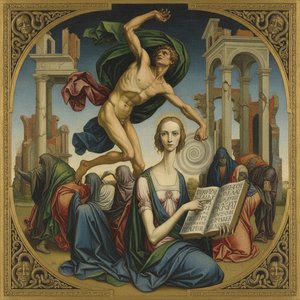
Beyond Perfection: The Dramatic Elegance and Intellectual Tension of Renaissance Mannerism
Explore the captivating world of Renaissance Mannerism. Discover how artists moved beyond High Renaissance harmony into a realm of elegant distortion, psychological tension, and dramatic beauty that bridged the gap to the Baroque era.

The Enduring Power of Painting: A Historical & Contemporary Exploration of Form and Emotion
Explore the rich history & enduring techniques of oil painting with OriginalUniqueArt. Discover masterpieces, learn about art collecting, and find authentic handmade reproductions crafted by skilled artists.

Oil on Canvas: A Historical & Technical Exploration of a Timeless Artistic Medium
Explore the rich history & enduring techniques of oil painting on canvas. Discover the science behind its longevity, conservation practices, and contemporary relevance. Expert insights for art enthusiasts.

