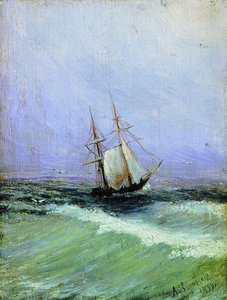
ნახვა ინტერьерში
 გაგზავნა
 გაზიარება
 დეტალები
 გზამკვლევი

 ჩამოტვირთვა
 მსგავსები
 რენტგენოგრაფიული კვლევა
 სლაიდშოუ
 სტატისტიკა
Tempest
 Oil On Canvas
- WallArt
- Romanticism
 1850
1850- 19th Century
 82.0 x 117.0 cm
 სრული ტექსტის ნახვა
გიკლე / ხელოვნების პრინტი
მუზეუმის დონის ჟიკლე ან ტილოზე ბეჭდვა სწრაფი წარმოებისა და დასრულების მოქნილი ვარიანტებით. ( შეიძინეთ ხელით შესრულებული ნახატი გადასვლა ციფრულ გამოსახულებაზე)




P118B ₾10

P118H ₾10

P118W ₾10

P438Z ₾10

P508JH ₾12

P508YH ₾12

P805H ₾10

P805Z ₾10

P919BZ ₾10

P919G ₾10

P919XJ ₾10

P959ZH ₾10

P968JZ ₾12

W106C ₾8

W218G ₾10

W218JH ₾8

W218Y ₾10

W307PJ ₾10

W316G ₾10

W316PJ ₾8

W316Y ₾10

W398PJ ₾8

W4111J ₾10

W500HY ₾15

W500JH ₾15

W692G ₾12

W849H ₾8

W940BG ₾15

W953PJ ₾8




აირჩიეთ ჩვენს მიერ წინასწარ განსაზღვრული ზომებიდან, რომლებიც ნაწარმოების ორიგინალურ პროპორციებს შეესაბამება.

შეიყვანეთ თქვენთვის საჭირო სიგანე და სიმაღლე, რათა იგი მოერგოს თქვენს ჩარჩოს ან კედელს. ბეჭდვისას შესაძლებელია მხოლოდ მისი შემცირება და არა გაზრდა, ამიტომ სხვა ფორმის ზომის შემთხვევაში გამოსახულება ნაწილობრივ იკარგება. სანამ რაიმეს დაბეჭდავთ, ჩვენ გამოგიგზავნით ციფრულ მაკეტს დასდასტურებლად. ამ გვერდზე ნაჩვენები სურათი არ ასახავს რეალურ ჭრას — ამას მხოლოდ მაკეტი გვიჩვენებს.
მიწოდება მთელ მსოფლიოში () 2 კვირაში, სტანდარტული 4/5 კვირის ნაცვლად. (22 ოქტომბერი)

უფასო ექსპრეს მიწოდება მთელ მსოფლიოში

მაღალი ხარისხის ტილო

ტრანსპორტირების სრული დაზღვევა

საბაჟო გადასახადების დაბრუნების გარანტია

ფერების სრული შესაბამისობის გარანტია

დაბრუნების 100-დღიანი პერიოდი (მხოლოდ წარმოების დეფექტის შემთხვევაში)

100% თანხის სრული დაბრუნების გარანტია

ფასდაკლება დიდი რაოდენობით შეკვეთისას
 მინის ჩარჩოს არჩევანი ხელმისაწვდომია მხოლოდ 110 სმ-მდე ზომისთვის

Tempest
გიკლე / ხელოვნების პრინტი
რეპროდუქციის ზომა
-


ჯამური ღირებულება
₾ 209
A Tempestuous Vision: Aivazovsky's "Tempest"
Ivan Konstantinovich Aivazovsky’s “Tempest” is not merely a depiction of a storm at sea; it is an immersive experience, a visceral confrontation with the untamed power of nature. Painted in 1850, this monumental canvas – measuring 82 x 117 cm – captures a moment of profound drama and vulnerability, hallmarks of Aivazovsky’s extraordinary career and his deeply felt connection to the Black Sea. The scene unfolds with breathtaking intensity: a large sailing ship, tossed mercilessly by towering waves, battles against a furious storm, while a ruined vessel lies broken on the rocks below, a stark reminder of human fallibility. The imposing cliff face, partially obscured by swirling clouds, adds to the sense of isolation and impending doom, creating a composition that is both chaotic and meticulously controlled.
Romantic Intensity and Dramatic Realism
“Tempest” firmly establishes Aivazovsky within the Romantic movement, though he transcends simple categorization. While embracing the emotional intensity championed by artists like Turner – prioritizing feeling over precise representation – Aivazovsky’s work possesses a rigorous realism rooted in his meticulous observation of the sea. The loose, gestural brushstrokes, particularly evident in the depiction of the waves and clouds, convey an incredible sense of movement and urgency. Thick lines define the ship's rigging and the turbulent water, while visible impasto creates a rough, textured surface that further enhances the painting’s dynamism. This combination – Romantic fervor tempered by technical skill – is what makes “Tempest” so compelling.
Symbolism of Struggle and Power
Beyond its immediate visual impact, "Tempest" resonates with profound symbolic meaning. The ship itself represents human ambition, a bold venture into the unknown, yet ultimately fragile in the face of nature’s overwhelming force. The storm, rendered with such dramatic intensity, embodies that power – an indifferent and destructive entity capable of reducing even the most formidable vessels to splinters. The fortified coastal town, partially submerged by the waves, adds another layer of interpretation, suggesting humanity's limited control over its environment. The color palette—dominated by dark blues, grays, and browns punctuated by flashes of yellow—reinforces this sense of struggle and impending disaster, mirroring the dramatic lighting that casts long shadows across the scene.
Aivazovsky’s Technique and Legacy
Executed in oil on canvas, “Tempest” showcases Aivazovsky's mastery of technique. The layering of paint, the visible brushstrokes, and the skillful use of atmospheric perspective create a remarkable sense of depth, drawing the viewer into the heart of the storm. Born in Feodosia in 1817, Aivazovsky dedicated his life to capturing the essence of the Black Sea, becoming arguably Russia’s greatest marine painter. His work profoundly influenced generations of artists and continues to captivate audiences with its raw power and emotional resonance. This reproduction offers a unique opportunity to own a piece of this artistic legacy, bringing the drama and beauty of Aivazovsky's vision into your space.
კითხვები და პასუხები
ხელმისაწვდომია თუ არა "Tempest" მაღალი რეზოლუციის ვერსიის გადმოწერა?
ივან კონსტანტინოვიჩ აივაზოვისკი-ის „Tempest“-ის ციფრული გამოსახულების შეძენა შესაძლებელია მის ციფრული გამოსახულება გვერდზე: მაღალი გარჩევადობის ციფრული გამოსახულების ჩამოტვირთვა.
რომელ ხელოვნების მიმდევრობას მიეკუთვნება ივან კონსტანტინოვიჩ აივაზოვისკი-ის „Tempest“?
ივან კონსტანტინოვიჩ აივაზოვისკი-ის „Tempest“-თან დაკავშირებული ხელოვნების მიმდინარეობა არის Romanticism. ეს კლასიფიკაცია ნამუშევარს მსგავს ხელოვანთა და ქსნეულობათა წრეში ათავსებს.
რა არის გამოსახული ივან კონსტანტინოვიჩ აივაზოვისკი-ის „Tempest“-ში და რა განწყობას გადმოგვცემს იგი?
ივან კონსტანტინოვიჩ აივაზოვისკი-ის „Tempest“-ში maritime disaster, stormy seas, shipwreck, coastal town, dramatic sky, russian art, ocean power, romantic theme და შემოერწყმება Dramatic ატმოსფეროს.
მხატვრის ბიოგრაფია
Ivan Konstantinovich Aivazovsky (Hovhannes Aivazian): Embodies the Romantic Soul of the Sea
Ivan Konstantinovich Aivazovsky, born Hovhannes Aivazian in 1817, wasn’t merely a painter; he was inextricably bound to the Black Sea—a vast expanse that pulsed with untamed energy and whispered tales of ancient myths. His life unfolded against this backdrop, shaping his artistic vision and propelling him to unparalleled success as one of Russia's foremost marine artists. Born in Feodosia, Crimea – a city steeped in maritime history – Aivazovsky’s connection to the sea began early, nurtured by his upbringing amidst the bustling port environment and fostered by the mentorship of architect Jacob Koch who recognized his prodigious talent. This formative influence would prove crucial in shaping his distinctive style—a style characterized by dramatic compositions and masterful manipulation of color that continues to captivate audiences today.Early Years and Artistic Training
From a young age, Aivazovsky’s artistic inclinations were evident, attracting the attention of Jacob Koch who recognized his innate aptitude for art. Recognizing this potential, Koch encouraged him to pursue formal training at Saint Petersburg’s Imperial Academy of Arts—a decision that would prove pivotal in honing his skills and grounding him in the traditions of Western European painting. Despite the rigorous academic environment, Aivazovsky transcended mere imitation; he absorbed influences from Turner and Friedrich, artists who championed the Romantic movement's preoccupation with sublime landscapes and emotive expression. This exposure to groundbreaking artistic ideas fueled his own creative exploration and solidified his commitment to capturing the grandeur and terror of nature—a pursuit that would define his entire career.The Rise of a Naval Painter: Influence and Patronage
A turning point arrived when Aivazovsky was appointed official painter of the Russian Navy – an honor that granted him access to ships, sailors, naval battles, and firsthand observation of maritime life. This patronage profoundly impacted his artistic output, imbuing his paintings with authenticity and immediacy. He became intimately acquainted with the realities of seafaring—the hardships endured by sailors, the exhilaration of victory, and the devastating consequences of defeat—translating these experiences into canvases that resonated deeply with both military officials and the broader public. The support of Czar Nicholas I ensured a steady stream of commissions and allowed him to dedicate himself entirely to his craft, cementing his reputation as Russia’s premier marine artist.A Master's Technique: Capturing Atmospheric Drama
Aivazovsky’s artistic technique was revolutionary for its time—a departure from academic conventions that prioritized meticulous detail and idealized beauty. Instead, he embraced a looser brushstroke style, prioritizing expressive color and capturing the fleeting effects of light and weather. He frequently worked *en plein air*, directly from nature, meticulously studying the nuances of atmospheric conditions to convey their impact on the sea’s surface—a practice that yielded breathtaking results. His masterful use of color – particularly blues and greens – created luminous textures and evoked powerful emotions, transporting viewers into the heart of a storm or onto the deck of a ship battling turbulent waves. Like Turner before him, Aivazovsky sought to capture not just what was visible but also what was felt—a profound connection with the sublime power of nature that distinguishes his work from its contemporaries.Legacy and Enduring Recognition
Ivan Konstantinovich Aivazovsky’s legacy extends far beyond his artistic achievements; he remains a symbol of Russian Romanticism and a testament to the enduring allure of maritime art. His paintings—characterized by dramatic compositions, masterful color palettes, and an unwavering commitment to capturing atmospheric drama—continue to inspire artists and captivate audiences worldwide. The saying “worthy of Aivazovsky’s brush,” popularized by Anton Chekhov, encapsulates the essence of his artistic vision—a celebration of beauty born from confrontation with nature's formidable forces. His prolific output – approximately 6,000 paintings – solidified his place as one of Russia’s most celebrated artists and ensured that his masterpieces would endure for generations to come. Aivazovsky’s influence can be seen in the works of subsequent Russian painters who embraced a similar expressive style and sought to convey the grandeur and terror of the sea—a testament to his enduring impact on the artistic landscape of Russia and beyond.
ივან კონსტანტინოვიჩ აივაზოვისკი
1817 - 1900 , რუსეთი
მოკლე ფაქტები
- Artistic Movement Or Style: რომანტიკა და ზღვაური მხატვრობა
- Artists Who Influenced This Artist:
- ჯეიმ્સ მორისი
- ტურნერი ჯემส์ მორის
- Date Of Birth: 1817 წლის ივლისი 29
- Date Of Death: 1900 წლის აპრილი 2
- Full Name: Ivan Konstantinovich Aivazovsky
- Nationality: რუსი და არმენელი
- Notable Artworks:
- მხედართ სუველი
- მზის ჩასვლა ზღვაზე
- მთაში ზღვა
- Place Of Birth: ფეოდაσία, რუსეთი
მსგავსი სტატიები

The Enduring Legacy of Oil on Canvas: Technique, History & Aesthetic Impact
Explore the rich history & techniques of oil painting – from Renaissance masters to Impressionism. Discover pigments, layering methods, and why this timeless medium endures. Expert insights for artists & art enthusiasts.
Ivan Aivazovsky: Mastering Light & Emotion in 19th-Century Marine Painting
Explore the captivating world of Ivan Aivazovsky, a master of 19th-century marine painting. Discover his techniques, iconic artworks & lasting legacy in this expert guide.
The Allure of the Horizon: A Comprehensive Exploration of Seascape Art Through History & Emotion
Explore the captivating world of seascape art! Discover its history, key artists & movements – from Dutch Masters to Impressionism. Expert insights for collectors and enthusiasts at OriginalUniqueArt.

Oil on Canvas: A Historical & Technical Exploration of a Timeless Artistic Medium
Explore the rich history & enduring techniques of oil painting on canvas. Discover the science behind its longevity, conservation practices, and contemporary relevance. Expert insights for art enthusiasts.

Nautical Oil Paintings: A Procurement Guide to Premium Maritime Art for Large-Scale Commercial & Hospitality Projects
Optimize large-scale hospitality projects with premium nautical oil paintings. APS offers efficient bulk procurement of maritime art, featuring multi-panel layouts, custom sizing, and reliable global shipping for hotel designers and procurement managers seeking high-volume reliability.