ნახვა ინტერьерში
 გაგზავნა
 გაზიარება
 დეტალები
 გზამკვლევი

 ჩამოტვირთვა
 მსგავსები
 რენტგენოგრაფიული კვლევა
 სლაიდშოუ
 სტატისტიკა
Rocky Cliffs


 სრული ტექსტის ნახვა
გიკლე / ხელოვნების პრინტი
მუზეუმის დონის ჟიკლე ან ტილოზე ბეჭდვა სწრაფი წარმოებისა და დასრულების მოქნილი ვარიანტებით. ( შეიძინეთ ხელით შესრულებული ნახატი გადასვლა ციფრულ გამოსახულებაზე)




P118B ₾10

P118H ₾10

P118W ₾10

P438Z ₾10

P508JH ₾12

P508YH ₾12

P805H ₾10

P805Z ₾10

P919BZ ₾10

P919G ₾10

P919XJ ₾10

P959ZH ₾10

P968JZ ₾12

W106C ₾8

W218G ₾10

W218JH ₾8

W218Y ₾10

W307PJ ₾10

W316G ₾10

W316PJ ₾8

W316Y ₾10

W398PJ ₾8

W4111J ₾10

W500HY ₾15

W500JH ₾15

W692G ₾12

W849H ₾8

W940BG ₾15

W953PJ ₾8




აირჩიეთ ჩვენს მიერ წინასწარ განსაზღვრული ზომებიდან, რომლებიც ნაწარმოების ორიგინალურ პროპორციებს შეესაბამება.

შეიყვანეთ თქვენთვის საჭირო სიგანე და სიმაღლე, რათა იგი მოერგოს თქვენს ჩარჩოს ან კედელს. ბეჭდვისას შესაძლებელია მხოლოდ მისი შემცირება და არა გაზრდა, ამიტომ სხვა ფორმის ზომის შემთხვევაში გამოსახულება ნაწილობრივ იკარგება. სანამ რაიმეს დაბეჭდავთ, ჩვენ გამოგიგზავნით ციფრულ მაკეტს დასდასტურებლად. ამ გვერდზე ნაჩვენები სურათი არ ასახავს რეალურ ჭრას — ამას მხოლოდ მაკეტი გვიჩვენებს.
მიწოდება მთელ მსოფლიოში () 2 კვირაში, სტანდარტული 4/5 კვირის ნაცვლად. (22 ოქტომბერი)

უფასო ექსპრეს მიწოდება მთელ მსოფლიოში

მაღალი ხარისხის ტილო

ტრანსპორტირების სრული დაზღვევა

საბაჟო გადასახადების დაბრუნების გარანტია

ფერების სრული შესაბამისობის გარანტია

დაბრუნების 100-დღიანი პერიოდი (მხოლოდ წარმოების დეფექტის შემთხვევაში)

100% თანხის სრული დაბრუნების გარანტია

ფასდაკლება დიდი რაოდენობით შეკვეთისას
 მინის ჩარჩოს არჩევანი ხელმისაწვდომია მხოლოდ 110 სმ-მდე ზომისთვის

Rocky Cliffs
გიკლე / ხელოვნების პრინტი
რეპროდუქციის ზომა
-


ჯამური ღირებულება
₾ 209
A Vision of Turbulent Majesty
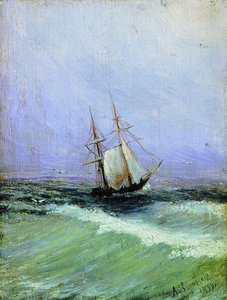
“Rocky Cliffs,” painted by Ivan Konstantinovich Aivazovsky in 1891, isn’t merely a landscape; it’s an immersive experience. The canvas explodes with the raw energy of the Black Sea, capturing a moment where nature and humanity collide with breathtaking drama. Aivazovsky, a titan of marine art, masterfully renders the relentless power of the ocean, transforming a simple coastal scene into a profound meditation on human resilience and the sublime indifference of the natural world.
The Painter's Technique: Layers of Light and Texture
Aivazovsky’s genius lies not just in his subject matter but also in his extraordinary technical skill. He employed a technique known as “alla prima,” working directly onto the wet surface of the canvas, layering paint with astonishing speed and precision. Thick impasto—heavy applications of pigment—dominates the cliffs, creating a palpable sense of roughness and solidity that contrasts sharply with the fluid movement of the waves. Notice how he builds up the texture of the rocks, using short, broken brushstrokes to suggest their jagged edges and weathered surfaces. The sky, rendered in delicate washes of blue and gray, subtly shifts in tone, conveying the ever-changing light conditions of a turbulent day. The use of complementary colors—the cool blues and grays of the sea against the warmer browns and ochres of the cliffs—further enhances the visual drama.
A Historical Echo: Romanticism at its Finest
“Rocky Cliffs” is firmly rooted in the Romantic movement, a period characterized by an intense fascination with nature’s power and the individual's emotional response to it. Aivazovsky, deeply influenced by this aesthetic, sought not just to depict the sea but to evoke a feeling—a sense of awe, wonder, and perhaps even a touch of fear in the face of its immensity. The painting reflects the era’s fascination with dramatic landscapes and heroic themes, mirroring the spirit of exploration and adventure that defined the 19th century. It's important to note Aivazovsky’s close relationship with the Russian Navy; his work often served as a visual record of naval exercises and battles, lending it an added layer of historical significance.
Symbolism in Motion: The Ship and the Sea
The small sailing vessel navigating the treacherous waves is more than just a compositional element. It represents humanity’s persistent, yet ultimately fragile, attempts to conquer nature's forces. The towering cliffs symbolize both grandeur and potential danger—a reminder of our own vulnerability in the face of overwhelming power. The turbulent sea itself embodies chaos, unpredictability, and the relentless passage of time. Aivazovsky masterfully uses these symbols to explore themes of human ambition, mortality, and the enduring relationship between humankind and the natural world. The painting invites contemplation on the balance between control and surrender.
A Legacy in Reproduction: Bringing the Sea Home
Reproductions of “Rocky Cliffs” capture a significant portion of Aivazovsky’s artistic vision, offering a window into this powerful seascape. When selecting a reproduction, consider the quality of materials used—a fine canvas and archival inks will ensure that the colors remain vibrant for years to come. Whether adorning a grand salon or a cozy study, “Rocky Cliffs” continues to inspire with its dramatic intensity and timeless beauty, reminding us of the enduring allure of the sea.
კითხვები და პასუხები
რა განწყობა და ემოცია ერთიანდება ნამუშევარში "Rocky Cliffs"?
ივან კონსტანტინოვიჩ აივაზოვისკი-ის „Rocky Cliffs“ გადმოგვცემს Powerful შეგრძნებას, საერთო Dramatic განწყობის ფარგლებში.
არის თუ არა "Rocky Cliffs" საავტორო უფლებებისგან თავისუფალი?
ავტორული უფლებების შესახებ პასუხი ნამუშევრისთვის ივან კონსტანტინოვიჩ აივაზოვისკი-ის „Rocky Cliffs“: ნამუშევარი არის საჯარო საკუთრებაშია - მისი საავტორო უფლებები ამოწდა. ეს განსაზღვრავს, შესაძლებელია თუ არა გამოსახულების რეპროდუქციის თავისუფლად წარმოება.
რა ფერთა ჰარმონიას ასطრეკებს ივან კონსტანტინოვიჩ აივაზოვისკი-ის „Rocky Cliffs“?
„Rocky Cliffs“-ის ფერების ჰარმონია აღწერილია როგორც Softly Mixed Palette.
მხატვრის ბიოგრაფია
Ivan Konstantinovich Aivazovsky (Hovhannes Aivazian): Embodies the Romantic Soul of the Sea
Ivan Konstantinovich Aivazovsky, born Hovhannes Aivazian in 1817, wasn’t merely a painter; he was inextricably bound to the Black Sea—a vast expanse that pulsed with untamed energy and whispered tales of ancient myths. His life unfolded against this backdrop, shaping his artistic vision and propelling him to unparalleled success as one of Russia's foremost marine artists. Born in Feodosia, Crimea – a city steeped in maritime history – Aivazovsky’s connection to the sea began early, nurtured by his upbringing amidst the bustling port environment and fostered by the mentorship of architect Jacob Koch who recognized his prodigious talent. This formative influence would prove crucial in shaping his distinctive style—a style characterized by dramatic compositions and masterful manipulation of color that continues to captivate audiences today.Early Years and Artistic Training
From a young age, Aivazovsky’s artistic inclinations were evident, attracting the attention of Jacob Koch who recognized his innate aptitude for art. Recognizing this potential, Koch encouraged him to pursue formal training at Saint Petersburg’s Imperial Academy of Arts—a decision that would prove pivotal in honing his skills and grounding him in the traditions of Western European painting. Despite the rigorous academic environment, Aivazovsky transcended mere imitation; he absorbed influences from Turner and Friedrich, artists who championed the Romantic movement's preoccupation with sublime landscapes and emotive expression. This exposure to groundbreaking artistic ideas fueled his own creative exploration and solidified his commitment to capturing the grandeur and terror of nature—a pursuit that would define his entire career.The Rise of a Naval Painter: Influence and Patronage
A turning point arrived when Aivazovsky was appointed official painter of the Russian Navy – an honor that granted him access to ships, sailors, naval battles, and firsthand observation of maritime life. This patronage profoundly impacted his artistic output, imbuing his paintings with authenticity and immediacy. He became intimately acquainted with the realities of seafaring—the hardships endured by sailors, the exhilaration of victory, and the devastating consequences of defeat—translating these experiences into canvases that resonated deeply with both military officials and the broader public. The support of Czar Nicholas I ensured a steady stream of commissions and allowed him to dedicate himself entirely to his craft, cementing his reputation as Russia’s premier marine artist.A Master's Technique: Capturing Atmospheric Drama
Aivazovsky’s artistic technique was revolutionary for its time—a departure from academic conventions that prioritized meticulous detail and idealized beauty. Instead, he embraced a looser brushstroke style, prioritizing expressive color and capturing the fleeting effects of light and weather. He frequently worked *en plein air*, directly from nature, meticulously studying the nuances of atmospheric conditions to convey their impact on the sea’s surface—a practice that yielded breathtaking results. His masterful use of color – particularly blues and greens – created luminous textures and evoked powerful emotions, transporting viewers into the heart of a storm or onto the deck of a ship battling turbulent waves. Like Turner before him, Aivazovsky sought to capture not just what was visible but also what was felt—a profound connection with the sublime power of nature that distinguishes his work from its contemporaries.Legacy and Enduring Recognition
Ivan Konstantinovich Aivazovsky’s legacy extends far beyond his artistic achievements; he remains a symbol of Russian Romanticism and a testament to the enduring allure of maritime art. His paintings—characterized by dramatic compositions, masterful color palettes, and an unwavering commitment to capturing atmospheric drama—continue to inspire artists and captivate audiences worldwide. The saying “worthy of Aivazovsky’s brush,” popularized by Anton Chekhov, encapsulates the essence of his artistic vision—a celebration of beauty born from confrontation with nature's formidable forces. His prolific output – approximately 6,000 paintings – solidified his place as one of Russia’s most celebrated artists and ensured that his masterpieces would endure for generations to come. Aivazovsky’s influence can be seen in the works of subsequent Russian painters who embraced a similar expressive style and sought to convey the grandeur and terror of the sea—a testament to his enduring impact on the artistic landscape of Russia and beyond.
ივან კონსტანტინოვიჩ აივაზოვისკი
1817 - 1900 , რუსეთი
მოკლე ფაქტები
- Artistic Movement Or Style: რომანტიკა და ზღვაური მხატვრობა
- Artists Who Influenced This Artist:
- ჯეიმ્સ მორისი
- ტურნერი ჯემส์ მორის
- Date Of Birth: 1817 წლის ივლისი 29
- Date Of Death: 1900 წლის აპრილი 2
- Full Name: Ivan Konstantinovich Aivazovsky
- Nationality: რუსი და არმენელი
- Notable Artworks:
- მხედართ სუველი
- მზის ჩასვლა ზღვაზე
- მთაში ზღვა
- Place Of Birth: ფეოდაσία, რუსეთი
მსგავსი სტატიები
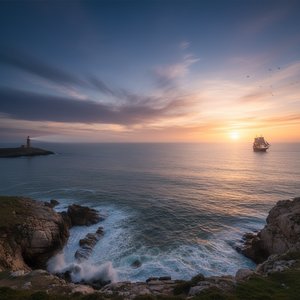
The Allure of the Horizon: A Comprehensive Exploration of Seascape Art Through History & Emotion
Explore the captivating world of seascape art! Discover its history, key artists & movements – from Dutch Masters to Impressionism. Expert insights for collectors and enthusiasts at OriginalUniqueArt.

როμανტიზმის ეპოქის ტენდერება: საუკეთესო 10 შედევრი, რომელმაც განსაზღვრა ლანშაფტური მხატვრობა
აღმოფრთოვანდით რომანტიზმის ეპოქის 10 საუკეთესო ლანშაფტური შედევრით! ტერნერი, კორტო და სხვა მხატვრების ნაწარმოებები. იხილეთ მათი ისტორია და აღმოგეყვინებათ ხელოვნების márgali. შეიძინეთ მაღალი ხარისბის რესტავრაციული ასლები OriginalUniqueArt.com-ზე!
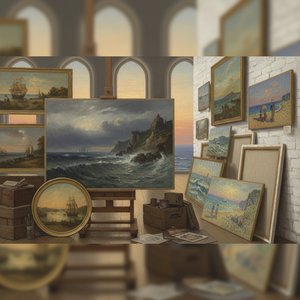
Evoking the Horizon: A Historical & Artistic Exploration of Coastal Scenes in Painting
Explore the rich history of coastal scenes in painting! Discover Impressionist masterpieces, American realism & contemporary visions. Learn about renowned artists and find your perfect seascape at OriginalUniqueArt.
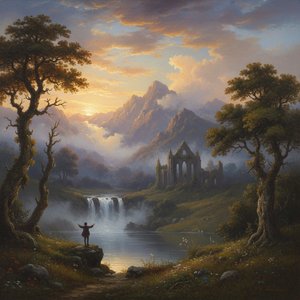
Evoking Emotion & Transcendence: Romantic Landscape Painting (18th-19th Century)
Explore the emotional depth of Romantic landscape painting (18th-19th century). Discover key artists like Friedrich & Cole, and the concepts of the sublime. Expert insights for art lovers & collectors.

Evoking Nature's Sublime: A Comprehensive Exploration of 19th-Century Landscape Painting
Explore the captivating world of 19th-century landscape painting! Discover renowned artists like Friedrich & Monet, key movements, and find the perfect artwork to bring nature's serenity into your home. Expert insights at OriginalUniqueArt.