 ნახვა ინტერьерში
 გაგზავნა
 გაზიარება
 დეტალები
 გზამკვლევი

 ჩამოტვირთვა
 მსგავსები
 რენტგენოგრაფიული კვლევა
 სლაიდშოუ
 კითხვა-პასუხი
 სტატისტიკა
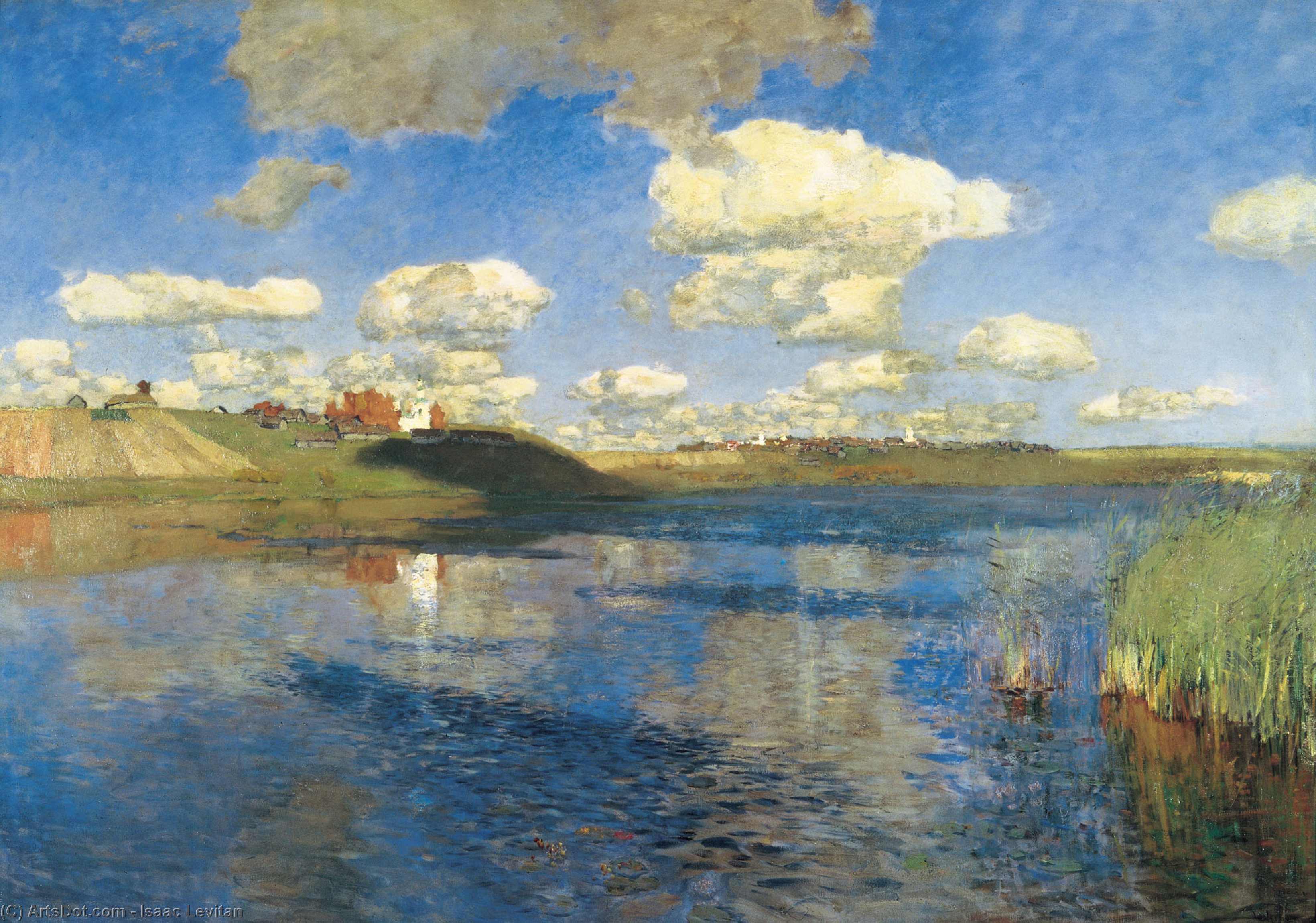
Lake. Rus.

- 149.0 x 208.0 cm


 სრული ტექსტის ნახვა
გიკლე / ხელოვნების პრინტი
მუზეუმის დონის ჟიკლე ან ტილოზე ბეჭდვა სწრაფი წარმოებისა და დასრულების მოქნილი ვარიანტებით. ( შეიძინეთ ხელით შესრულებული ნახატი გადასვლა ციფრულ გამოსახულებაზე)




P118B ₾10

P118H ₾10

P118W ₾10

P438Z ₾10

P508JH ₾12

P508YH ₾12

P805H ₾10

P805Z ₾10

P919BZ ₾10

P919G ₾10

P919XJ ₾10

P959ZH ₾10

P968JZ ₾12

W106C ₾8

W218G ₾10

W218JH ₾8

W218Y ₾10

W307PJ ₾10

W316G ₾10

W316PJ ₾8

W316Y ₾10

W398PJ ₾8

W4111J ₾10

W500HY ₾15

W500JH ₾15

W692G ₾12

W849H ₾8

W940BG ₾15

W953PJ ₾8




აირჩიეთ ჩვენს მიერ წინასწარ განსაზღვრული ზომებიდან, რომლებიც ნაწარმოების ორიგინალურ პროპორციებს შეესაბამება.

შეიყვანეთ თქვენთვის საჭირო სიგანე და სიმაღლე, რათა იგი მოერგოს თქვენს ჩარჩოს ან კედელს. ბეჭდვისას შესაძლებელია მხოლოდ მისი შემცირება და არა გაზრდა, ამიტომ სხვა ფორმის ზომის შემთხვევაში გამოსახულება ნაწილობრივ იკარგება. სანამ რაიმეს დაბეჭდავთ, ჩვენ გამოგიგზავნით ციფრულ მაკეტს დასდასტურებლად. ამ გვერდზე ნაჩვენები სურათი არ ასახავს რეალურ ჭრას — ამას მხოლოდ მაკეტი გვიჩვენებს.
მიწოდება მთელ მსოფლიოში () 2 კვირაში, სტანდარტული 4/5 კვირის ნაცვლად. (3 ნოემბერი)

უფასო ექსპრეს მიწოდება მთელ მსოფლიოში

მაღალი ხარისხის ტილო

ტრანსპორტირების სრული დაზღვევა

საბაჟო გადასახადების დაბრუნების გარანტია

ფერების სრული შესაბამისობის გარანტია

დაბრუნების 100-დღიანი პერიოდი (მხოლოდ წარმოების დეფექტის შემთხვევაში)

100% თანხის სრული დაბრუნების გარანტია

ფასდაკლება დიდი რაოდენობით შეკვეთისას
 მინის ჩარჩოს არჩევანი ხელმისაწვდომია მხოლოდ 110 სმ-მდე ზომისთვის

Lake. Rus.
გიკლე / ხელოვნების პრინტი
რეპროდუქციის ზომა
-


ჯამური ღირებულება
₾ 208
The Luminous Breath of the Russian Landscape
To stand before this depiction of "Lake" is to be enveloped by the very atmosphere of early twentieth-century Russia—a place where nature’s grandeur met the quiet persistence of human life. This painting, executed around 1900, captures a river scene under a vast, mutable sky. It is not merely a record of water and reeds; it is an immersion into a moment of profound, diffused light. The artist has masterfully translated the ephemeral quality of natural illumination onto canvas, inviting the viewer to breathe in the cool, damp air that seems perpetually suspended over the water’s surface.
An Impressionist Vision of Light and Water
The style employed here is a quintessential example of Impressionism, yet filtered through the unique sensibility of Isaak Ilyich Levitan. Observe how the artist eschews sharp outlines for the poetry of broken color. The composition unfolds in horizontal bands—the shimmering water mirroring the heavens above, the distant, softly defined shoreline punctuated by man-made structures, and the foreground anchored by whispering reeds. These elements do not compete; rather, they merge into a unified visual symphony. The technique relies on visible, loose brushstrokes, allowing the texture of the oil paint itself to contribute to the painting's palpable energy. It is through these short, broken strokes that Levitan achieves a sense of movement, making the water appear less like a solid body and more like captured light.
Echoes of Place and Poetic Longing
Understanding the context of Levitan’s life adds layers to this visual experience. Working during a period of immense social and personal upheaval in Russia, his art often carried an undercurrent of deep melancholy mixed with enduring hope. This landscape becomes a sanctuary—a place where the soul can find solace away from the complexities of urban existence or historical constraint. The interplay between the wild natural elements and the distant signs of civilization speaks to a universal human condition: our yearning for both untamed beauty and the comfort of community. It is a meditation on coexistence.
Symbolism of Serenity and Depth
The emotional resonance of this piece is one of profound tranquility. The blues and yellows, dominant in their variations across the canvas, do more than just describe color; they evoke feeling—the cool calm of deep water meeting the warm glow of reflected sunlight. Symbolically, the river itself has always represented the flow of time and life’s journey. Here, that journey is rendered gentle, cyclical, and deeply beautiful. For collectors and designers alike, this artwork offers more than mere decoration; it promises an infusion of serene contemplation into any space it graces.
A Masterclass in Technique for Reproduction
The materials—oil paints on canvas—are handled with a delicate touch that suggests layering thin washes to build luminosity. While the original possesses the unique patina of age, reproductions capturing this work must honor its technical brilliance. The goal is always to replicate not just the image, but the feeling of the artist’s hand at work: the visible texture, the atmospheric depth achieved through perspective, and that signature luminous quality that makes one feel as if the light itself has been trapped forever on the canvas.
კითხვები და პასუხები
ვინ ყიდის ისააკ ილიხ ლევიტანი-ის „Lake. Rus.“-ის ხელით ნათესლობილ ასლებს?
"Lake. Rus." ხელმისაწვდომია, როგორც ლენის ტილოზე შესრულებული ზეთწარმოთი, ხელით ნათესლით. შეკვეთის განთავსება და ზომების არჩევა შესაძლებელია მისი ხელით ნათესლიერი რეპროდუქცია გვერდის მეშვეობით.
არის თუ არა ისააკ ილიხ ლევიტანი-ის „Lake. Rus.“ საჯარო დომენში?
რაც შეეხება საავტორო უფლებებს, "Lake. Rus." არის საჯარო საკუთრებაშია - მისი საავტორო უფლებები ამოწდა.
სად შემიძლია ისააკ ილიხ ლევიტანი-ის „Lake. Rus.“-ის ციფრული გამოსახულების შეძენა?
ისააკ ილიხ ლევიტანი-ის „Lake. Rus.“-ის ციფრული გამოსახულების შეძენა შესაძლებელია მის ციფრული გამოსახულება გვერდზე: მაღალი გარჩევადობის ციფრული გამოსახულების ჩამოტვირთვა.
მხატვრის ბიოგრაფია
A Symphony of the Russian Soul: The Life and Art of Isaak Ilyich Levitan
Isaak Ilyich Levitan, a name synonymous with the evocative power of Russian landscape painting, was more than just a chronicler of nature; he was a poet of the land, a translator of its moods into visual form. Born in 1860 in Kibarty (present-day Lithuania) to a Jewish family who later settled in Moscow, Levitan’s life was marked by both profound hardship and an unwavering dedication to his art. The early loss of his mother and father instilled within him a sensitivity that would permeate his canvases with a melancholic beauty—a beauty born from sorrow but illuminated by an enduring love for the Russian wilderness. He entered the Moscow School of Painting, Sculpture and Architecture in 1873, where he came under the tutelage of Alexei Savrasov, whose influence would prove pivotal in shaping Levitan’s artistic vision. It was Savrasov who nurtured his student's innate ability to capture not merely the appearance of nature, but its very essence—its atmosphere, its emotional resonance.The Birth of a ‘Mood Landscape’
Levitan swiftly distinguished himself as an artist capable of conveying profound emotion through landscape. He wasn’t interested in topographical accuracy for its own sake; rather, he sought to imbue his paintings with a sense of *mood*, a feeling that resonated deep within the viewer's soul. This approach earned him the title of pioneer of the “mood landscape,” a genre that moved beyond simple representation to explore the spiritual connection between humanity and nature. His palette was often subdued, favoring naturalistic colors and poetic elements over vibrant displays—colors chosen with meticulous care to convey precisely the emotional tenor he wished to evoke. He masterfully employed light and shadow, creating atmospheric effects that evoked feelings of tranquility, solitude, or even quiet despair. Consider *Autumn Day. Sokolniki* (1879), painted when he was just nineteen years old; the canvas breathes with a palpable stillness, punctuated by shafts of golden sunlight filtering through the foliage—a masterful depiction of autumnal melancholy. The painting’s muted tones and delicate rendering of light capture not only the visual spectacle but also the intangible feeling of wistful remembrance—a testament to Levitan's unparalleled skill in translating emotion into form.Influences and Artistic Kinships
While deeply indebted to Savrasov’s guidance, Levitan was receptive to other artistic currents. He collaborated with fellow artists like Konstantin Korovin, Mikhail Nesterov, and Nikolai Chekhov—the brother of the renowned playwright Anton Chekhov, who became a lifelong friend. This circle fostered an environment of creative exchange and mutual support; they debated ideas, critiqued each other’s work, and shared a profound appreciation for the beauty of Russian culture. Notably, Levitan's artistic sensibilities aligned closely with those of Nikolai Chekhov—a kindred spirit who explored themes of human suffering and spiritual yearning in his plays—and their friendship deepened over time. This connection is palpable in works like *The Vladimirka Road* (1892), where the artist’s gaze seems to penetrate the veil of silence, conveying a sense of profound contemplation and melancholy. He found inspiration not only in the visual world but also in music and literature—sources that informed his artistic vision and enriched his understanding of human experience.Major Achievements and Legacy
In 1897, Levitan achieved a significant milestone when he was elected to the Imperial Academy of Arts—a recognition of his growing stature within the Russian art world and a testament to his unwavering commitment to his craft. This honor solidified his position as one of Russia’s foremost landscape painters and signaled the culmination of decades of artistic exploration and refinement. Subsequently, he became head of the landscape studio at Moscow School of Painting, Sculpture and Architecture in 1898—a role he embraced with passion and dedication, nurturing the talent of aspiring artists and shaping the future direction of Russian landscape painting. His influence extended far beyond his students; Levitan’s work profoundly impacted the artistic sensibilities of an entire generation, establishing him as a cornerstone of the Peredvizhniki movement—a group of realist painters who championed the depiction of rural life and celebrated the spiritual beauty of the Russian countryside. Isaak Ilyich Levitan's paintings remain a timeless embodiment of Russian soul—a poignant reminder that true art transcends mere representation, capturing instead the essence of human emotion and forging an enduring connection between humanity and nature. His legacy continues to inspire artists today, ensuring that his vision of the “mood landscape” – a genre characterized by its ability to convey profound feeling through atmospheric observation – will endure for generations to come.Final Resting Place
Levitan’s untimely death in 1900 at the age of forty left an indelible mark on the Russian art world—a loss felt keenly by his colleagues and admirers alike. His remains were interred with honor in Novodevichy Cemetery alongside Anton Chekhov—a symbolic union reflecting their shared artistic kinship and unwavering devotion to exploring themes of human suffering and spiritual contemplation. This poignant memorial serves as a testament to Levitan’s enduring contribution to Russian art history and underscores the profound resonance of his canvases—images that continue to captivate audiences with their melancholic beauty and their ability to evoke feelings of solitude, longing, and quiet reverence.
ისააკ ილიხ ლევიტანი
1860 - 1900 , ლი თ ჰ უ ნ ი ა
მოკლე ფაქტები
- Artistic Movement Or Style: Моодовый пейзаж
- Artists Or Movements Influenced By This Artist: ['Русские пейзажисты']
- Artists Who Influenced This Artist:
- Алексей Саввасов
- Василий Перьев
- Василий Поленов
- Date Of Birth: August 30, 1860
- Full Name: Isaak Ilyich Levitan
- Nationality: Русский
- Notable Artworks:
- Осенний день. Сокольники
- Владимирское шоссе
- Вечная тишина
- Весенний половодье
- Мрачный день
- Вечерняя колокольница
- Place Of Birth: Kibarty, Lithuania
მსგავსი სტატიები

Evocations of Place: A Historical Journey Through Landscape Art
Explore the rich history of landscape art with OriginalUniqueArt. Discover renowned artists, movements like Impressionism & Romanticism, and expert guidance for collecting timeless pieces. Find your perfect serene escape today!

Evocations of Place: A Historical Journey Through Landscape Art
Explore the rich history of landscape art with OriginalUniqueArt. Discover renowned artists, movements like Impressionism & tonalism, and expert guidance for collecting timeless pieces. Find your perfect serene escape today!

პოლ სეზანის 25 შედევრი: ხელოვნების ისტორიაში გამორჩეული ნაწარმოებები | OriginalUniqueArt.com
აღმოაჩინეთ პოლ სეზანის 25 გამორჩეული შედევრი! იმპრესიონიზმი, პოსტიმპრესიონიზმი და კუბიზმის წინასწარმეტყველი. ნახატების ისტორია, ტექნიკა და შთაგონება OriginalUniqueArt.com-ზე. 🖼️ ხელოვნების ბეჭვრა მუზეუმის ხარისხით.

Impressionistic Landscapes: 10 Masterpieces That Changed Art & Decor
Journey into the heart of Impressionism! Explore 10 masterpieces by Monet, Renoir & Degas that revolutionized landscape art. Discover their stories, techniques & find museum-quality reproductions to elevate your home decor on OriginalUniqueArt.com.
Vasily Polenov: A Pioneer of Landscape Impressionism & Russian National Identity
Explore the captivating landscapes of Vasily Polenov, a pivotal figure in Russian art history. Discover his lyrical realism, biblical series & influence on Impressionism. Learn about the 'Knight of Beauty' and his enduring legacy.
