

 ნახვა ინტერьерში
 გაგზავნა
 გაზიარება
 დეტალები
 გზამკვლევი

 ჩამოტვირთვა
 მსგავსები
 რენტგენოგრაფიული კვლევა
 სლაიდშოუ
 სტატისტიკა
კონ ვენტილის დენთი
 აკრილი ტილოზე
- კედლის დეკორი
- Functional Minimalism
 1960
1960 45.0 x 61.0 cm
 NEMO Science Museum
 სრული ტექსტის ნახვა
გიკლე / ხელოვნების პრინტი
მუზეუმის დონის ჟიკლე ან ტილოზე ბეჭდვა სწრაფი წარმოებისა და დასრულების მოქნილი ვარიანტებით. ( შეიძინეთ ხელით შესრულებული ნახატი გადასვლა ციფრულ გამოსახულებაზე)




P118B $10

P118H $10

P118W $10

P438Z $10

P508JH $12

P508YH $12

P805H $10

P805Z $10

P919BZ $10

P919G $10

P919XJ $10

P959ZH $10

P968JZ $12

W106C $8

W218G $10

W218JH $8

W218Y $10

W307PJ $10

W316G $10

W316PJ $8

W316Y $10

W398PJ $8

W4111J $10

W500HY $15

W500JH $15

W692G $12

W849H $8

W940BG $15

W953PJ $8




აირჩიეთ ჩვენს მიერ წინასწარ განსაზღვრული ზომებიდან, რომლებიც ნაწარმოების ორიგინალურ პროპორციებს შეესაბამება.

თქვენ შეგიძლიათ მიუთითოთ საკუთარი ზომები კონკრეტული ჩარჩოსთვის ან სივრცისთვის მოსარგებლებლად. თუ თქვენ მიერ არჩეული ზომა არ შეესაბამება ორიგინალი გამოსახულების პროპორციებს, ჩვენ ან დავჭრით ნამუშევარს, ან გავაფართოვებთ გამოსახულებას სარკული ან ერთფეროვანი კიდეებით. წარმოების დაწყებამდე თქვენს დასამტკიცებლად გამოგეგზავნებათ ციფრული მაკეტი.
გთხოვთ, გაითვალისწინოთ, რომ ეკრანზე ნაჩვენები წინასწარი ნახვა არ ასახავს რეალურ ჭრას ან გაფართოებას. მხოლოდ მაკეტზე იქნება ზუსტად წარმოდგენილი საბოლოო კომპოზიცია.
მიუხედავად იმისა, რომ ინდივიდუალური ზომები ხელმისაწვდომია, ორიგინალური პროპორციების შესანარჩუნებლად გირჩევთ, აირჩიოთ ზომა წინასწარ განსაზღვრული სიისგან.
მიწოდება მთელ მსოფლიოში () 2 კვირაში, სტანდარტული 4/5 კვირის ნაცვლად. (27 სექტემბერი)

უფასო ექსპრეს მიწოდება მთელ მსოფლიოში

მაღალი ხარისხის ტილო

ტრანსპორტირების სრული დაზღვევა

საბაჟო გადასახადების დაბრუნების გარანტია

ფერების სრული შესაბამისობის გარანტია

დაბრუნების 100-დღიანი პერიოდი (მხოლოდ წარმოების დეფექტის შემთხვევაში)

100% თანხის სრული დაბრუნების გარანტია

ფასდაკლება დიდი რაოდენობით შეკვეთისას
 მინის ჩარჩოს არჩევანი ხელმისაწვდომია მხოლოდ 110 სმ-მდე ზომისთვის

კონ ვენტილის დენთი
გიკლე / ხელოვნების პრინტი
რეპროდუქციის ზომა
-


ჯამური ღირებულება
$ 80
Convection heater – Wim Rietveld: Minimalism’s Warm Embrace
The photograph presents a deceptively simple image—a small brown convection heater resting on a tabletop against a stark white background. Yet, within this apparent austerity lies the essence of Wim Rietveld's artistic vision and his contribution to Dutch design during the postwar era. This piece embodies the core principles of Functional Minimalism, championed by Rietveld alongside his father, Gerrit Rietveld – an architect who irrevocably altered the landscape of modernist architecture.
- Subject Matter: The heater itself—a functional object designed for domestic warmth and comfort—serves as a canvas for exploring geometric abstraction.
- Style: Rietveld’s aesthetic aligns perfectly with the tenets of Minimalism, prioritizing clarity of form and eliminating superfluous ornamentation. It's a deliberate rejection of decorative excess in favor of pure visual expression.
- Technique: Crafted from metal—primarily steel—the heater showcases meticulous construction techniques typical of industrial design during Rietveld’s time. The silver handle adds a subtle textural element, highlighting the materiality of the piece.
A Legacy Rooted in Geometric Precision
Gerrit Rietveld's influence on Wim Rietveld is undeniable. Like his father, Wim embraced geometric shapes—particularly squares and rectangles—as fundamental building blocks for creating aesthetically pleasing and intellectually stimulating objects. This shared conviction stems from a profound belief that form dictates function, mirroring the architectural philosophy of Mondrian House – a landmark achievement in modernist design.
The choice of white as the background amplifies this minimalist aesthetic, emphasizing the heater’s contours and creating a serene visual environment. It's a deliberate decision to strip away distractions, allowing viewers to focus solely on the geometric purity of the form.
Symbolism Beyond Utility
While seemingly pragmatic, the convection heater transcends mere practicality. Rietveld’s design speaks to a deeper desire for order and harmony—values central to both architecture and industrial design during the postwar period. The heater's upright stance symbolizes stability and resilience, reflecting the optimism of rebuilding after World War II.
Furthermore, the perforated upper edge subtly references architectural precedents – specifically the use of perforations in facades to maximize ventilation and regulate temperature. This connection underscores Rietveld’s commitment to integrating design principles from various disciplines.
Emotional Resonance: Comfort and Reflection
Despite its minimalist appearance, the convection heater evokes a feeling of warmth and tranquility—a welcome antidote to the anxieties of the time. It invites contemplation on simplicity as a path toward beauty and purpose. Wim Rietveld’s masterpiece serves as a testament to the enduring power of geometric abstraction to communicate profound emotional truths.
მხატვრის ბიოგრაფია
The Legacy of Functional Elegance: The Life of Wim Rietveld
In the grand tapestry of Dutch modernism, few names resonate with as much quiet authority as Wim Rietveld. Born in 1924 in Utrecht, Wim was more than just a successor to a design dynasty; he was a visionary who translated the radical architectural principles of his father, Gerrit Rietveld, into the intimate language of everyday objects. Growing up in the shadow of the legendary Mondrian House, Wim was immersed from infancy in an environment where geometric abstraction and structural honesty were not merely aesthetic choices but fundamental truths. This early exposure to the avant-scale spatial experiments of his father provided a fertile ground for a career that would eventually redefine the boundaries between industrial utility and artistic grace.
His journey toward mastery began with a rigorous technical foundation, moving from an apprenticeship in construction to formal studies at the Royal Academy of Art in The Hague. This unique blend of technical prowess and artistic intuition allowed him to approach design not as a decorator, but as a constructor. He understood the soul of materials—the strength of steel, the warmth of laminated wood, and the versatility of plywood. As he navigated the post-war reconstruction era, a period marked by both scarcity and a desperate need for renewal, Wim’s work emerged as a beacon of hope, offering solutions that were as durable as they were beautiful.
A Symphony of Steel and Wood: The Design Evolution
The mid-century period saw the blossoming of Rietveld’s most iconic collaborations, most notably his transformative tenure at W. H. Gispen between 1953 and 1957. It was during these years that he truly mastered the art of functional minimalism. Working alongside talented peers like Friso Kramer, Wim sought to strip away the superfluous, leaving behind only the essential essence of form. His designs were characterized by a rhythmic interplay of lines and surfaces, often utilizing mass-production techniques to bring high-quality design to the broader public. The Mondrian Chair stands as a testament to this era, a piece that breathes the same geometric spirit as the De Stijl movement while remaining firmly rooted in the practical needs of modern living.
As his career progressed, Rietveld’s creative reach expanded far beyond the confines of furniture. He became a master of diverse industrial landscapes, applying his minimalist philosophy to everything from household appliances for Inventum to large-scale urban transport solutions for Werkspoor. His ability to imbue even a radiator or a drafting table with a sense of sculptural dignity is what separates him from his contemporaries. Whether it was the award-winning 1407 armchair, which earned him gold at the Milan Triennale, or the sleek, stackable seating that optimized modern office spaces, his work always maintained a certain poetic economy—a way of saying much with very little.
Historical Significance and the Enduring Modernist Spirit
The significance of Wim Rietveld lies in his ability to bridge the gap between the radical, often unapproachable experiments of early modernism and the practical requirements of a changing society. He did not merely design objects; he designed a way of life that valued clarity, efficiency, and aesthetic integrity. His later years, including his role as Head of Industrial Design at the University of Delft, allowed him to mentor a new generation, ensuring that the principles of Dutch functionalism would endure long after his passing in 1985.
Today, the works of Wim Rietveld are cherished not only as museum-grade artifacts but as living components of modern interiors. His legacy is found in:
- The mastery of materials: The seamless integration of metal and wood that defined mid-century Dutch style.
- The democratization of design: Creating high-quality, mass-producible items that brought beauty to the everyday person.
- A lasting aesthetic influence: A minimalist vocabulary that continues to inspire contemporary industrial designers worldwide.
In every clean line and purposeful curve of his creations, one can still feel the pulse of a designer who believed that true beauty is found in the perfect resolution of function and form.

inventum, wim rietveld
1924 - 1985 , Netherlands
მოკლე ფაქტები
- Artistic Movement Or Style: Modernism
- Artists Or Movements Influenced By This Artist: ['Industrial design']
- Artists Who Influenced This Artist: ['Gerrit Rietveld']
- Date Of Birth: 1924 Utrecht, Netherlands
- Date Of Death: 1985 Badhoevedorp, Netherlands
- Full Name: Wim Rietveld
- Nationality: Dutch
- Notable Artworks:
- Convection heater
- Mondial chair
- Place Of Birth: Utrecht
მსგავსი სტატიები

Neo-Abstract Art: The High-Impact Evolution of Modern Visual Energy and Geometric Sophistication
Discover the power of Neo-Abstract art. Explore how bold geometric forms and high-impact visual energy are redefining modern design. Learn to curate sophisticated, high-energy spaces with the latest trends in contemporary abstraction and structural color.

Kandinsky's Masterpieces: 25 Paintings That Define Abstract Art | OriginalUniqueArt
Journey through Wassily Kandinsky's 25 most iconic abstract paintings. Explore his revolutionary use of color, form & spiritual expressionism. Find museum-quality Kandinsky reproductions and elevate your home decor with OriginalUniqueArt.com. Discover all masterpieces on OriginalUniqueArt.com!

გეომეტრიული აბსტრაქცია: 10 შედევრი, რომელმაც ხელოვნება განსაზღვრა | OriginalUniqueArt.com
გეომეტრიული აბსტრაქციის 10 შედევრი მონდრიანის, მალევიჩისა და კანდინსკის ჩართულობით. გაიგეთ მათი ისტორია, ტექნიკა და გავლენა ხელოვნებაზე. შეიძინეთ უმაღლესი ხარისხის რეკონსტრუქციები OriginalUniqueArt.com-ზე!
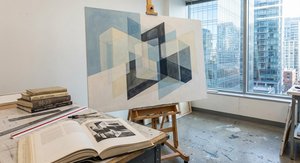
Beyond Form & Color: Geometric Abstraction's Enduring Legacy in Art History
Explore the captivating world of geometric abstraction! Discover its origins, key artists like Malevich & Mondrian, and why this movement remains highly valued by art collectors today. Expert insights at OriginalUniqueArt.

Beyond Form & Color: Geometric Abstraction's Evolution in 20th/21st Century Art
Explore the evolution of geometric abstraction from Cubism to contemporary art. Discover key artists like Malevich & Mondrian, investment insights, and expert collecting advice at OriginalUniqueArt.
