

 ნახვა ინტერьерში
 გაგზავნა
 გაზიარება
 დეტალები
 გზამკვლევი

 ჩამოტვირთვა
 მსგავსები
 რენტგენოგრაფიული კვლევა
 სლაიდშოუ
 სტატისტიკა
View of Ripetta
 Oil On Canvas
- WallArt
- Romantic Landscape Painting
 1766
1766- Early Modern
 119.0 x 145.0 cm
 École Nationale Supérieure des Beaux-Arts
 სრული ტექსტის ნახვა
გიკლე / ხელოვნების პრინტი
მუზეუმის დონის ჟიკლე ან ტილოზე ბეჭდვა სწრაფი წარმოებისა და დასრულების მოქნილი ვარიანტებით. ( შეიძინეთ ხელით შესრულებული ნახატი გადასვლა ციფრულ გამოსახულებაზე)




P118B ₾10

P118H ₾10

P118W ₾10

P438Z ₾10

P508JH ₾12

P508YH ₾12

P805H ₾10

P805Z ₾10

P919BZ ₾10

P919G ₾10

P919XJ ₾10

P959ZH ₾10

P968JZ ₾12

W106C ₾8

W218G ₾10

W218JH ₾8

W218Y ₾10

W307PJ ₾10

W316G ₾10

W316PJ ₾8

W316Y ₾10

W398PJ ₾8

W4111J ₾10

W500HY ₾15

W500JH ₾15

W692G ₾12

W849H ₾8

W940BG ₾15

W953PJ ₾8




აირჩიეთ ჩვენს მიერ წინასწარ განსაზღვრული ზომებიდან, რომლებიც ნაწარმოების ორიგინალურ პროპორციებს შეესაბამება.

შეიყვანეთ თქვენთვის საჭირო სიგანე და სიმაღლე, რათა იგი მოერგოს თქვენს ჩარჩოს ან კედელს. ბეჭდვისას შესაძლებელია მხოლოდ მისი შემცირება და არა გაზრდა, ამიტომ სხვა ფორმის ზომის შემთხვევაში გამოსახულება ნაწილობრივ იკარგება. სანამ რაიმეს დაბეჭდავთ, ჩვენ გამოგიგზავნით ციფრულ მაკეტს დასდასტურებლად. ამ გვერდზე ნაჩვენები სურათი არ ასახავს რეალურ ჭრას — ამას მხოლოდ მაკეტი გვიჩვენებს.
მიწოდება მთელ მსოფლიოში () 2 კვირაში, სტანდარტული 4/5 კვირის ნაცვლად. (21 ოქტომბერი)

უფასო ექსპრეს მიწოდება მთელ მსოფლიოში

მაღალი ხარისხის ტილო

ტრანსპორტირების სრული დაზღვევა

საბაჟო გადასახადების დაბრუნების გარანტია

ფერების სრული შესაბამისობის გარანტია

დაბრუნების 100-დღიანი პერიოდი (მხოლოდ წარმოების დეფექტის შემთხვევაში)

100% თანხის სრული დაბრუნების გარანტია

ფასდაკლება დიდი რაოდენობით შეკვეთისას
 მინის ჩარჩოს არჩევანი ხელმისაწვდომია მხოლოდ 110 სმ-მდე ზომისთვის

View of Ripetta
გიკლე / ხელოვნების პრინტი
რეპროდუქციის ზომა
-


ჯამური ღირებულება
₾ 209
A Window into Lost Glory – Hubert Robert's View of Ripetta
Hubert Robert, a name synonymous with evocative landscapes and the romantic allure of ruins, stands apart in 18th-century French art. Born in Paris in 1733, his life unfolded amidst shifting artistic currents—from Rococo’s playful exuberance to Neoclassicism's austere grandeur—yet he forged an indelible path through these transformations. Robert wasn’t merely documenting decay; he was crafting visions, skillfully blending observation with imagination to conjure scenes that resonated with both nostalgic longing for the past and anticipatory wonder at the future. His artistic journey began within the disciplined framework of formal training under Michel-Ange Slodtz, who recognized Robert's prodigious talent but wisely steered him toward painting, perceiving his true vocation lay in capturing light, atmosphere, and the subtle poetry inherent in form.The Landscape as Memory – Style and Technique
Robert’s distinctive style—known as ‘capriccio’—was revolutionary for its time. Unlike traditional topographical paintings focused on precise accuracy, Robert prioritized creating dramatic illusions of space and perspective. He achieved this masterful feat through meticulous layering of brushstrokes, employing a technique that prioritizes atmospheric haze and chiaroscuro – the interplay of light and shadow – to imbue his canvases with an ethereal quality. The painting’s palette is dominated by muted tones of ochre, grey, and lavender, reflecting the melancholic beauty associated with ruined grandeur. Robert meticulously rendered architectural details—the Pantheon, crumbling columns, and ornate facades—creating a composite scene that feels simultaneously timeless and fleeting.Rome Revisited – Historical Context and Narrative
“View of Ripetta,” completed in 1766, is more than just a landscape; it’s a carefully constructed narrative steeped in Roman history and mythology. Robert captures the Porta di Ripetta, a monumental gateway overlooking the Tiber River, transforming it into a stage for an imagined drama. The scene depicts a bustling cityscape populated by figures engaged in everyday activities—pedestrians traversing cobblestone streets, boats gliding along the river’s surface—adding dynamism to the overarching stillness of the composition. Notably, Robert incorporates elements of classical sculpture and architecture, subtly referencing Roman ideals of beauty and order. The inclusion of a horse adds an element of grandeur and reinforces the painting's connection to imperial Rome.Symbolism of Decay – Romantic Antiquarianism
Robert’s fascination with ruins wasn’t merely aesthetic; it carried profound symbolic weight within the Romantic movement. Ruins represented not just physical deterioration but also the passage of time, loss, and the inevitable triumph of nature over human ambition. By portraying Ripetta in its ruined state—a deliberate departure from Neoclassical conventions—Robert championed a vision of beauty found in imperfection and decay. The swirling clouds enveloping the cityscape symbolize the unpredictable forces shaping history and reminding viewers of the ephemeral nature of earthly existence. This artwork embodies Robert’s belief that art could transcend mere representation, conveying emotions and ideas beyond literal depiction.A Legacy of Illusion – Emotional Impact
Ultimately, “View of Ripetta” succeeds in transporting the viewer to a bygone era—a realm of faded splendor and poetic contemplation. Robert's masterful manipulation of light and color evokes feelings of melancholy and nostalgia, prompting reflection on themes of mortality and beauty. The painting’s grandeur inspires awe while simultaneously conveying a sense of vulnerability before the inexorable march of time. It remains a testament to Robert’s artistic genius—a captivating demonstration of how art can capture not just what is seen but also what is felt.კითხვები და პასუხები
რა განწყობას შემოიტანს "View of Ripetta" სივრცეში?
ჰუბერტ რობერტი-ის „View of Ripetta“-ის Romantic ატმოსფერო შეესაბამება მის რეკომენდებულ სივრცეს: Living Room.
შესაძლებელა ვნახო ჰუბერტ რობერტი-ის „View of Ripetta“-ის რენტგენული გამოსახულება?
ჰუბერტ რობერტი-ის „View of Ripetta“-ის რენტგენული ხედვა ხელოვნების ნიმუშის რენტგენოგრაფია გვერდზე წარმოდგენილია, როგორც გამოსახულების ინტერაქტიული შესწავლა თერთმეტი ოპტიკური ფენის მეშვეობით.
რა ემოციას გადმოგვცემს ჰუბერტ რობერტი-ის „View of Ripetta“?
ჰუბერტ რობერტი-ის „View of Ripetta“ გადმოგვცემს Nostalgic ემოციურ ტონს.
მხატვრის ბიოგრაფია
რევოლუციის მხატვარი და წარმოსახვითი ლანდშაფტები: იუბერ რობერის სამყარო
იუბერ რობერი, სახელის სინონიმად აღებული მომხიბლავი ლანდშაფტებისა და ნანგრევების რომანტიკული ხიბლისთვის, უნიკალურ ადგილს იკავებს XVIII საუკუნის ფრანგულ ხელოვნებაში. 1733 წელს პარიზში დაბადებული მისი ცხოვრება შეიცვალა მხატვრობის სტილების ცვლილებების ფონზე და მონუმენტალური ისტორიული მოვლენების მიღმა — როკოკოს მხიარული ელეგანტიდან ნეოკლასიციზმის განთიამდე, საბოლოოდ საფრანგეთის რევოლუციის არეულ წლებში. იგი მხოლოდ დაცემას არ აღწერდა; ის ხედვებს ქმნიდა, დაკვირვებას წარმოსახვით აერთიანებდა სცენების შესაქმნელად, რომლებიც როგორც წარსულის ნოსტალგიურ მოთხოვნილებას, ასევე მომავლის მოლოდინს ასახავდნენ. მისი მოგზაურობა დაიწყო მხატვრული სწავლების ორგანიზებულ სამყაროში, თავდაპირველად Michel-Ange Slodtz-ის ხელმძღვანელობით, რომელმაც რობერის ნიჭი აღმოაჩინა, მაგრამ სიკეთეებით უბრძანა გადაერთო ხატვაზე, გააცნობიერა მისი ჭეშმარიტი მოწოდება სინათლის, ატმოსფეროს და ფორმის ფარული პოეზიის ასახვაში.რომის ოცნებები: მხატვრული იდენტობის ჩამოყალიბება
კრიტიკული მომენტი რობერის მხატვრულ განვითარებაში 1754 წელს რომში მისი ხანგრძლივი მოგზაურობით დაწინაურდა. Étienne-François de Choiseul-ს თანხლებად, მან ჩაძირა თავი ისტორიაში და არქიტექტურულ დიდებულობაში. თერთმეტი წლის განმავლობაში უძველესი ქალაქი გახდა მისი ღია ცის სტუდია, მისმა დანგრეული ტაძრებმა, მასიური თაღებმა და გაზრდილ ბაღებმა აღძრა მის წარმოსახვითი სამყარო. ეს მხოლოდ იმის გამეორება არ იყო, რაც მან იხილა; ეს მისი ინტერპრეტირება, ხელახალი წარმოგონება და მელანქოლიური სილამაზით შეფერილი იყო. იგი Giovanni Paolo Panini-თან ერთად მუშაობდა, რომლის გავლენა ჩანს რობერის ადრეულ *capriccio* კომპოზიციებში — ფანტასტიკურ ხედებს, რომლებიც კლასიკური ნანგრევების თანამედროვე ცხოვრებას უპირისპირებენ. თუმცა, რობერი სწრაფად გადავიდა იმიტაციიდან, განვითარდა მისი გამორჩეული სტილი, რომელიც ხასიათდება ზუსტი დეტალებით, ატმოსფერული პერსპექტივით და სინათლისა და ჩრდილის თამაშზე ღრმა მგრძნობელობით. მან ნანგრევები არ მოხატა; მან დრო მოხატა, გარდამავალი სილამაზის აღჭურვა და ადამიანური შემოქმედების მდგრადი ძალა. ამ პერიოდის მისი ჩანაწერები არის მის დაკვირვებების უნიკალური ჩანაწერები, რომლებშიც Roman landmarks-ის დეტალური შესწავლაა თავმოყრილი, როგორიცაა Villa d'Este და Caprarola, რომელიც არქიტექტურულ ნუანსებსა და ლანდშაფტის კომპოზიციაზე მწვარე თვალს მოწმობს.პარიზული აღიარება და სამეფო პატრონაჟი
რობერის დაბრუნება პარიზში 1765 წელს იყო გარდამტეხი მომენტი მის კარიერაში. მან სწრაფად მიიღო აღიარება მხატვრულ წრეებში, უზრუნველყოფილი Académie Royale de Peinture et de Sculpture-ში გაწევრიანება “The Port of Rome, Ornamented with Different Monuments of Architecture, Ancient and Modern” ნამუშევრის მეშვეობით. მისმა შემდგომმა გამოფენებმა Salon-ში ფართო აღიარება მოიპოვა, აუდიტორია გატაცებული იყო ნანგრევებისა და პიკტურული ლანდშაფტის მომხიბლავი გამოსახულებებით. Denis Diderot-მა, განმ enlightenment-ის გამოჩენილმა ფიგურამ, განსაკუთრებულად შეაფასა რობერის ნახატების მიერ წარმოქმნილი დიდებულება, აღნიშნა მისი უნარი მკითხველები სხვა დროსა და ადგილზე გადაეტანა. ამ წარმატებამ სამეფო პატრონაჟი გამოიწვია, დეკორატიული პროექტებზე შეკვეთებითა და შემდეგ “Designer of the King's Gardens” და მოგვიანებით “Keeper of the King's Pictures” თანამდებობებით. იგი მოთხოვნადი მხატვარი გახდა არა მხოლოდ თავისი ტილოების გამო, არამედ ბაღებისა და სასახლის ინტერიერების ინოვაციური დიზაინის გამო. მისმა ნამუშევებმა გაიჟღვია *capriccio* ხატვის პოპულარული გემოვნება — ჟანრი, რომელიც კოლექციონერებს მოხიბლავდა ისტორიით, არქეოლოგიით და პიკტურულით — მაგრამ რობერს შემოიტანა უნიკალური მგრძნობელობა, ავიწროა დეკორატიულ ხელოვნებას.რევოლუცია, მდგრადობა და უკვერივი მემკვიდრეობა
საფრანგეთის რევოლუციამ რობერის წინაშე беспрецедентული გამოწვევა წარმოაყენა. იმის მიუხედავად, რომ ბევრი მხატვარი იებრძოდა არასტაბილური პოლიტიკური კლიმატისთვის, მან თავი აღმოჩნდა ცვლილების გადაჯვარედინებაში. იგი თუნდაც Reign of Terror-ის დროს მოულოდნელად აღმოჩნდა ციხეში, შეწუხებული გამოცდილება, რომელმაც შთააგონა სერიული ნახატები მისი პატიმრობის დროიდან. გაოცებულია, მან ამ პერიოდშიაც კი პროდუქტიულად იმუშავა, ხელოვნებისადმი თავისი მტკიცე ერთგულება გამოჩნდა. რევოლუციის შემდეგ რობერი დაინიშნა ახლად შექმნილი Muséum Central des Arts-ის კურატორად — მომავალ Musée du Louvre-ს — საფრანგეთის კულტურული მემკვიდრეობის შენარჩუნებაში მისი ექსპერტიზისა და ერთგულების მოწმობა. იგი მნიშვნელოვან როლს თამაშობდა მუზეუმის კოლექციის ორგანიზებასა და კატალოგიზაციაში, უზრუნველყოფილი საფრანგეთის სამხატვრო საგანძურის შენარჩუნება მომავალი თაობებისთვის. იუბერ რობერი 1808 წელს პარიზში გარდაიცვალა და დატოვა არაოჩინებულად დიდი ნამუშევრები, რომლებიც აგრძელებენ აღტაცებასა და მოწონებას. მისი მემკვიდრეობა მხოლოდ მის ტექნიკურ უპირატესობაში არ მდგომარეობს, არამედ ისტორიული სიზუსტის წარმოსახვითი ხედვის შერწყმის უნიკალურ უნარში. მან ჟანრის პიონერი გახდა, რომელმაც დააყენა ნანგრევების სილამაზის აღნიშვნა და ადამიანური შემოქმედების მდგრადი ძალა, რაც მას როკოკოსა და ნეოკლასიციზმის ხიდად აქცია, ხოლო ისტორიაზე გატაცებითა და წარმოსახვითობით რომანტიზმის ასპექტებს წინასწარ უწყებდა.- ძირითადი გავლენები: Giovanni
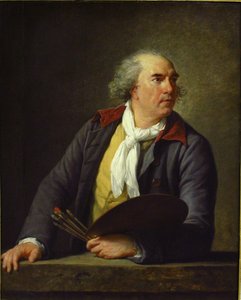
ჰუბერტ რობერტი
1733 - 1808 , საფრანგეთი
მოკლე ფაქტები
- Artistic Movement Or Style: რომანტიზმი, ნეოკლასიკურობა
- Artists Or Movements Influenced By This Artist: ['რომანტიზმი']
- Artists Who Influenced This Artist:
- ჯოვანი პანინი
- პიρανეზი
- Date Of Birth: 22 მაისი 1733
- Date Of Death: 15 აპრილი 1808
- Full Name: ჰუბერტ რობერტი
- Nationality: ფრანგი
- Notable Artworks (List Of Titles):
- The Port of Rome
- Flight of Galatea
- La Galerie du Louvre
- Place Of Birth (City And Country): პარიზი, საფრანგეთი
მსგავსი სტატიები

როμανტიზმის ეპოქის ტენდერება: საუკეთესო 10 შედევრი, რომელმაც განსაზღვრა ლანშაფტური მხატვრობა
აღმოფრთოვანდით რომანტიზმის ეპოქის 10 საუკეთესო ლანშაფტური შედევრით! ტერნერი, კორტო და სხვა მხატვრების ნაწარმოებები. იხილეთ მათი ისტორია და აღმოგეყვინებათ ხელოვნების márgali. შეიძინეთ მაღალი ხარისბის რესტავრაციული ასლები OriginalUniqueArt.com-ზე!

ჯონ კონსტებლის 25 საუკეთესო შედევრი | ხელოვნების რეკრეაციები OriginalUniqueArt-ზე
გაიცანით ჯონ კონსტებლის 25 საუკეთესო შედევრი! ინგლისური პეიზაჟების ისტორია, XIX საუკუნის ხელოვნება და OriginalUniqueArt-ზე ხელოვნების უნიკალური კოლექცია. შეიძინეთ ხარისხიანი რეკრეაციები სახლის დეკორაციისთვის. აღმოაჩინეთ სრულყოფილი შეფერილი ტილოები OriginalUniqueArt.com-ზე!

Evocations of Place: A Historical Journey Through Landscape Art
Explore the rich history of landscape art with OriginalUniqueArt. Discover renowned artists, movements like Impressionism & Romanticism, and expert guidance for collecting timeless pieces. Find your perfect serene escape today!

Hubert Robert: Picturing Ruins, Preserving Memory – A Study of Romantic Antiquarianism & Artistic Innovation
Explore the captivating world of Hubert Robert, master of Romantic landscape painting & 'capriccio' ruins. Discover his historical context, artistic innovations, and collecting insights with OriginalUniqueArt.

Evocations of Place: A Historical Journey Through Landscape Art
Explore the rich history of landscape art with OriginalUniqueArt. Discover renowned artists, movements like Impressionism & tonalism, and expert guidance for collecting timeless pieces. Find your perfect serene escape today!