

 ნახვა ინტერьерში
 გაგზავნა
 გაზიარება
 დეტალები
 გზამკვლევი

 ჩამოტვირთვა
 მსგავსები
 რენტგენოგრაფიული კვლევა
 სლაიდშოუ
 სტატისტიკა
Ruin Capriccio
 Acrylic On Canvas
- WallArt
- Romanticism
 1786
1786- 19th Century
 41.0 x 31.0 cm
 Academy of Fine Arts Vienna
 სრული ტექსტის ნახვა
გიკლე / ხელოვნების პრინტი
მუზეუმის დონის ჟიკლე ან ტილოზე ბეჭდვა სწრაფი წარმოებისა და დასრულების მოქნილი ვარიანტებით. ( შეიძინეთ ხელით შესრულებული ნახატი გადასვლა ციფრულ გამოსახულებაზე)




P118B ₾10

P118H ₾10

P118W ₾10

P438Z ₾10

P508JH ₾12

P508YH ₾12

P805H ₾10

P805Z ₾10

P919BZ ₾10

P919G ₾10

P919XJ ₾10

P959ZH ₾10

P968JZ ₾12

W106C ₾8

W218G ₾10

W218JH ₾8

W218Y ₾10

W307PJ ₾10

W316G ₾10

W316PJ ₾8

W316Y ₾10

W398PJ ₾8

W4111J ₾10

W500HY ₾15

W500JH ₾15

W692G ₾12

W849H ₾8

W940BG ₾15

W953PJ ₾8




აირჩიეთ ჩვენს მიერ წინასწარ განსაზღვრული ზომებიდან, რომლებიც ნაწარმოების ორიგინალურ პროპორციებს შეესაბამება.

შეიყვანეთ თქვენთვის საჭირო სიგანე და სიმაღლე, რათა იგი მოერგოს თქვენს ჩარჩოს ან კედელს. ბეჭდვისას შესაძლებელია მხოლოდ მისი შემცირება და არა გაზრდა, ამიტომ სხვა ფორმის ზომის შემთხვევაში გამოსახულება ნაწილობრივ იკარგება. სანამ რაიმეს დაბეჭდავთ, ჩვენ გამოგიგზავნით ციფრულ მაკეტს დასდასტურებლად. ამ გვერდზე ნაჩვენები სურათი არ ასახავს რეალურ ჭრას — ამას მხოლოდ მაკეტი გვიჩვენებს.
მიწოდება მთელ მსოფლიოში () 2 კვირაში, სტანდარტული 4/5 კვირის ნაცვლად. (15 ოქტომბერი)

უფასო ექსპრეს მიწოდება მთელ მსოფლიოში

მაღალი ხარისხის ტილო

ტრანსპორტირების სრული დაზღვევა

საბაჟო გადასახადების დაბრუნების გარანტია

ფერების სრული შესაბამისობის გარანტია

დაბრუნების 100-დღიანი პერიოდი (მხოლოდ წარმოების დეფექტის შემთხვევაში)

100% თანხის სრული დაბრუნების გარანტია

ფასდაკლება დიდი რაოდენობით შეკვეთისას
 მინის ჩარჩოს არჩევანი ხელმისაწვდომია მხოლოდ 110 სმ-მდე ზომისთვის

Ruin Capriccio
გიკლე / ხელოვნების პრინტი
რეპროდუქციის ზომა
-


ჯამური ღირებულება
₾ 208
Hubert Robert: The Poet of Ruins
Hubert Robert (1733-1808) stands as an emblem of the Romantic spirit—a painter who transcended mere documentation, transforming observation into visionary imagination to conjure scenes imbued with both nostalgic longing and anticipatory wonder. Born in Paris amidst a period of dramatic artistic upheaval—from the opulent Rococo’s playful frivolity to the burgeoning Neoclassicism—Robert navigated these stylistic currents, ultimately establishing himself as a pivotal figure in shaping the aesthetic landscape of his era. He wasn't merely depicting decay; he was crafting narratives of time and memory, elevating ruins into symbols of grandeur lost and beauty enduring.- Early Life & Artistic Training: Robert’s formative years were marked by exposure to influential artistic mentors like Michel-Ange Slodtz, who recognized his innate talent but skillfully steered him toward painting—a decision that proved decisive in unlocking Robert's true creative potential. This guidance instilled a foundational understanding of perspective and composition, skills he would hone throughout his prolific career.
- Roman Reveries: Robert’s journey to Rome in 1754 represented more than just a geographical relocation; it signified an immersion into the intellectual fervor of the Enlightenment and a profound fascination with the vestiges of antiquity. His time amongst fellow artists, notably Giovanni Paolo Panini and Giovanni Battista Piranesi—whose techniques he meticulously studied—fueled his artistic vision and cemented his reputation as a master of architectural capricci.
- The Capriccio Genre: Robert’s signature style resided in the genre of capriccio—a technique that deliberately juxtaposed disparate elements—ancient ruins, fantastical landscapes, and idealized figures—to evoke an atmosphere of sublime beauty and melancholy contemplation. This approach distinguished him from his contemporaries who favored more restrained representations of nature, prioritizing emotional resonance over literal accuracy.
- A Painter of Emotion: Robert’s paintings are characterized by a masterful manipulation of light and color, capturing fleeting moments of atmospheric drama with breathtaking sensitivity. He sought to convey not just what he saw but how he felt—a profound awareness of the passage of time and the inevitability of decay—themes that resonated deeply with the Romantic sensibility.
- Legacy & Influence: Robert’s enduring legacy extends beyond his individual artworks; he profoundly impacted subsequent generations of painters, inspiring them to embrace imaginative storytelling and to explore the expressive power of landscape painting. His influence can be discerned in the works of Eugène Delacroix and Caspar David Friedrich—artists who similarly championed the Romantic ideal of sublime beauty and emotional intensity.
Ruin Capriccio: A Study in Light and Memory
“Ruin Capriccio,” executed circa 1786, exemplifies Robert’s artistic philosophy with remarkable clarity. The painting depicts a monumental stone building—likely inspired by the grandeur of Roman ruins—dominated by towering columns and arches bathed in ethereal light. This dramatic illumination serves not merely to illuminate the architectural structure but also to imbue it with an aura of timelessness and melancholy beauty. Scattered throughout the scene are figures—primarily human forms—who appear dwarfed by the scale of the ruin, emphasizing the insignificance of human existence against the backdrop of geological time.Robert’s meticulous attention to detail—evident in the rendering of textures, drapery folds, and atmospheric haze—underscores his commitment to capturing not just visual appearances but also emotional impressions. The artist skillfully employs chiaroscuro—the interplay between light and shadow—to heighten dramatic tension and to create a sense of depth that draws the viewer into the scene’s contemplative mood.
Symbolism & Context: Echoes of Antiquity and Romantic Idealism
The choice of ruins as subject matter was deliberate, reflecting Robert's fascination with the vestiges of classical civilization—a preoccupation that mirrored the broader intellectual currents of the Enlightenment. Ruins served as potent symbols of grandeur lost, reminding viewers of the impermanence of earthly achievements and prompting reflection on mortality. Simultaneously, Robert’s depiction aligns perfectly with the tenets of Romantic idealism—a movement characterized by an emphasis on emotion, imagination, and the sublime—values that championed the beauty of untamed nature and the contemplation of profound spiritual truths.Technical Mastery & Artistic Innovation
Robert's technique was distinguished by its virtuosity—particularly his command of perspective and atmospheric effects. He achieved remarkable realism through painstaking observation, meticulously recreating textures and colors with unparalleled accuracy. Yet, he never sacrificed artistic expression for mere imitation; rather, he skillfully manipulated visual elements to convey emotional resonance and to evoke a sense of wonder. His innovative approach to landscape painting solidified Robert’s position as one of the foremost artists of his time—a testament to his unwavering dedication to pushing the boundaries of artistic convention.კითხვები და პასუხები
რა არის რეკომენდებული ბეჭდვის ზომა ნამუშევრისთვის: ჰუბერტ რობერტი-ის „Ruin Capriccio“?
ჰუბერტ რობერტი-ის „Ruin Capriccio“-ისთვის რეკომენდებულია Large ზომის რეპროდუქცია. პროპორციების შენარჩუნებით, ზომის შეცვლა შესაძლებელია.
დაშვებია თუ არა კანონიერად ჰუბერტ რობერტი-ის „Ruin Capriccio“-ის რეპროდუცირება, რომელიც Academy of Fine Arts Vienna-ში ინახება?
ჰუბერტ რობერტი-ის „Ruin Capriccio“, რომელიც Academy of Fine Arts Vienna-ში ინახება, არის საჯარო საკუთრებაშია - მისი საავტორო უფლებები ამოწდა. ეს სტატუსი განსაზღვრავს, შესაძლებელია თუ არა ამ გამოსახულების რეპროდუქციების შექმნა.
რა არის ჰუბერტ რობერტი-ის „Ruin Capriccio“-ის შექმნის თარიღი?
ჰუბერტ რობერტი-ის „Ruin Capriccio“ შექმნის თარიღია 1786.
მხატვრის ბიოგრაფია
რევოლუციის მხატვარი და წარმოსახვითი ლანდშაფტები: იუბერ რობერის სამყარო
იუბერ რობერი, სახელის სინონიმად აღებული მომხიბლავი ლანდშაფტებისა და ნანგრევების რომანტიკული ხიბლისთვის, უნიკალურ ადგილს იკავებს XVIII საუკუნის ფრანგულ ხელოვნებაში. 1733 წელს პარიზში დაბადებული მისი ცხოვრება შეიცვალა მხატვრობის სტილების ცვლილებების ფონზე და მონუმენტალური ისტორიული მოვლენების მიღმა — როკოკოს მხიარული ელეგანტიდან ნეოკლასიციზმის განთიამდე, საბოლოოდ საფრანგეთის რევოლუციის არეულ წლებში. იგი მხოლოდ დაცემას არ აღწერდა; ის ხედვებს ქმნიდა, დაკვირვებას წარმოსახვით აერთიანებდა სცენების შესაქმნელად, რომლებიც როგორც წარსულის ნოსტალგიურ მოთხოვნილებას, ასევე მომავლის მოლოდინს ასახავდნენ. მისი მოგზაურობა დაიწყო მხატვრული სწავლების ორგანიზებულ სამყაროში, თავდაპირველად Michel-Ange Slodtz-ის ხელმძღვანელობით, რომელმაც რობერის ნიჭი აღმოაჩინა, მაგრამ სიკეთეებით უბრძანა გადაერთო ხატვაზე, გააცნობიერა მისი ჭეშმარიტი მოწოდება სინათლის, ატმოსფეროს და ფორმის ფარული პოეზიის ასახვაში.რომის ოცნებები: მხატვრული იდენტობის ჩამოყალიბება
კრიტიკული მომენტი რობერის მხატვრულ განვითარებაში 1754 წელს რომში მისი ხანგრძლივი მოგზაურობით დაწინაურდა. Étienne-François de Choiseul-ს თანხლებად, მან ჩაძირა თავი ისტორიაში და არქიტექტურულ დიდებულობაში. თერთმეტი წლის განმავლობაში უძველესი ქალაქი გახდა მისი ღია ცის სტუდია, მისმა დანგრეული ტაძრებმა, მასიური თაღებმა და გაზრდილ ბაღებმა აღძრა მის წარმოსახვითი სამყარო. ეს მხოლოდ იმის გამეორება არ იყო, რაც მან იხილა; ეს მისი ინტერპრეტირება, ხელახალი წარმოგონება და მელანქოლიური სილამაზით შეფერილი იყო. იგი Giovanni Paolo Panini-თან ერთად მუშაობდა, რომლის გავლენა ჩანს რობერის ადრეულ *capriccio* კომპოზიციებში — ფანტასტიკურ ხედებს, რომლებიც კლასიკური ნანგრევების თანამედროვე ცხოვრებას უპირისპირებენ. თუმცა, რობერი სწრაფად გადავიდა იმიტაციიდან, განვითარდა მისი გამორჩეული სტილი, რომელიც ხასიათდება ზუსტი დეტალებით, ატმოსფერული პერსპექტივით და სინათლისა და ჩრდილის თამაშზე ღრმა მგრძნობელობით. მან ნანგრევები არ მოხატა; მან დრო მოხატა, გარდამავალი სილამაზის აღჭურვა და ადამიანური შემოქმედების მდგრადი ძალა. ამ პერიოდის მისი ჩანაწერები არის მის დაკვირვებების უნიკალური ჩანაწერები, რომლებშიც Roman landmarks-ის დეტალური შესწავლაა თავმოყრილი, როგორიცაა Villa d'Este და Caprarola, რომელიც არქიტექტურულ ნუანსებსა და ლანდშაფტის კომპოზიციაზე მწვარე თვალს მოწმობს.პარიზული აღიარება და სამეფო პატრონაჟი
რობერის დაბრუნება პარიზში 1765 წელს იყო გარდამტეხი მომენტი მის კარიერაში. მან სწრაფად მიიღო აღიარება მხატვრულ წრეებში, უზრუნველყოფილი Académie Royale de Peinture et de Sculpture-ში გაწევრიანება “The Port of Rome, Ornamented with Different Monuments of Architecture, Ancient and Modern” ნამუშევრის მეშვეობით. მისმა შემდგომმა გამოფენებმა Salon-ში ფართო აღიარება მოიპოვა, აუდიტორია გატაცებული იყო ნანგრევებისა და პიკტურული ლანდშაფტის მომხიბლავი გამოსახულებებით. Denis Diderot-მა, განმ enlightenment-ის გამოჩენილმა ფიგურამ, განსაკუთრებულად შეაფასა რობერის ნახატების მიერ წარმოქმნილი დიდებულება, აღნიშნა მისი უნარი მკითხველები სხვა დროსა და ადგილზე გადაეტანა. ამ წარმატებამ სამეფო პატრონაჟი გამოიწვია, დეკორატიული პროექტებზე შეკვეთებითა და შემდეგ “Designer of the King's Gardens” და მოგვიანებით “Keeper of the King's Pictures” თანამდებობებით. იგი მოთხოვნადი მხატვარი გახდა არა მხოლოდ თავისი ტილოების გამო, არამედ ბაღებისა და სასახლის ინტერიერების ინოვაციური დიზაინის გამო. მისმა ნამუშევებმა გაიჟღვია *capriccio* ხატვის პოპულარული გემოვნება — ჟანრი, რომელიც კოლექციონერებს მოხიბლავდა ისტორიით, არქეოლოგიით და პიკტურულით — მაგრამ რობერს შემოიტანა უნიკალური მგრძნობელობა, ავიწროა დეკორატიულ ხელოვნებას.რევოლუცია, მდგრადობა და უკვერივი მემკვიდრეობა
საფრანგეთის რევოლუციამ რობერის წინაშე беспрецедентული გამოწვევა წარმოაყენა. იმის მიუხედავად, რომ ბევრი მხატვარი იებრძოდა არასტაბილური პოლიტიკური კლიმატისთვის, მან თავი აღმოჩნდა ცვლილების გადაჯვარედინებაში. იგი თუნდაც Reign of Terror-ის დროს მოულოდნელად აღმოჩნდა ციხეში, შეწუხებული გამოცდილება, რომელმაც შთააგონა სერიული ნახატები მისი პატიმრობის დროიდან. გაოცებულია, მან ამ პერიოდშიაც კი პროდუქტიულად იმუშავა, ხელოვნებისადმი თავისი მტკიცე ერთგულება გამოჩნდა. რევოლუციის შემდეგ რობერი დაინიშნა ახლად შექმნილი Muséum Central des Arts-ის კურატორად — მომავალ Musée du Louvre-ს — საფრანგეთის კულტურული მემკვიდრეობის შენარჩუნებაში მისი ექსპერტიზისა და ერთგულების მოწმობა. იგი მნიშვნელოვან როლს თამაშობდა მუზეუმის კოლექციის ორგანიზებასა და კატალოგიზაციაში, უზრუნველყოფილი საფრანგეთის სამხატვრო საგანძურის შენარჩუნება მომავალი თაობებისთვის. იუბერ რობერი 1808 წელს პარიზში გარდაიცვალა და დატოვა არაოჩინებულად დიდი ნამუშევრები, რომლებიც აგრძელებენ აღტაცებასა და მოწონებას. მისი მემკვიდრეობა მხოლოდ მის ტექნიკურ უპირატესობაში არ მდგომარეობს, არამედ ისტორიული სიზუსტის წარმოსახვითი ხედვის შერწყმის უნიკალურ უნარში. მან ჟანრის პიონერი გახდა, რომელმაც დააყენა ნანგრევების სილამაზის აღნიშვნა და ადამიანური შემოქმედების მდგრადი ძალა, რაც მას როკოკოსა და ნეოკლასიციზმის ხიდად აქცია, ხოლო ისტორიაზე გატაცებითა და წარმოსახვითობით რომანტიზმის ასპექტებს წინასწარ უწყებდა.- ძირითადი გავლენები: Giovanni
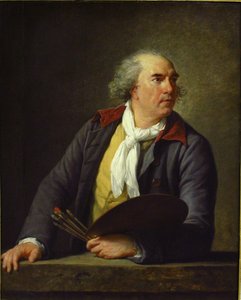
ჰუბერტ რობერტი
1733 - 1808 , საფრანგეთი
მოკლე ფაქტები
- Artistic Movement Or Style: რომანტიზმი, ნეოკლასიკურობა
- Artists Or Movements Influenced By This Artist: ['რომანტიზმი']
- Artists Who Influenced This Artist:
- ჯოვანი პანინი
- პიρανეზი
- Date Of Birth: 22 მაისი 1733
- Date Of Death: 15 აპრილი 1808
- Full Name: ჰუბერტ რობერტი
- Nationality: ფრანგი
- Notable Artworks (List Of Titles):
- The Port of Rome
- Flight of Galatea
- La Galerie du Louvre
- Place Of Birth (City And Country): პარიზი, საფრანგეთი
მსგავსი სტატიები

როμανტიზმის ეპოქის ტენდერება: საუკეთესო 10 შედევრი, რომელმაც განსაზღვრა ლანშაფტური მხატვრობა
აღმოფრთოვანდით რომანტიზმის ეპოქის 10 საუკეთესო ლანშაფტური შედევრით! ტერნერი, კორტო და სხვა მხატვრების ნაწარმოებები. იხილეთ მათი ისტორია და აღმოგეყვინებათ ხელოვნების márgali. შეიძინეთ მაღალი ხარისბის რესტავრაციული ასლები OriginalUniqueArt.com-ზე!

Hubert Robert: Picturing Ruins, Preserving Memory – A Study of Romantic Antiquarianism & Artistic Innovation
Explore the captivating world of Hubert Robert, master of Romantic landscape painting & 'capriccio' ruins. Discover his historical context, artistic innovations, and collecting insights with OriginalUniqueArt.

Evocations of Place: A Historical Journey Through Landscape Art
Explore the rich history of landscape art with OriginalUniqueArt. Discover renowned artists, movements like Impressionism & Romanticism, and expert guidance for collecting timeless pieces. Find your perfect serene escape today!

The Sublime and the Picturesque: Exploring Emotion & Nature in Romantic Landscape Painting
Explore the emotional power of Romantic landscape painting! Discover the sublime & picturesque traditions, key artists like Friedrich & Cole, and find your perfect artwork at OriginalUniqueArt.
The Sublime and the Picturesque: Exploring Emotion & Nature in Romantic Landscape Painting
Explore the emotional power of Romantic landscape painting! Discover the sublime & picturesque aesthetics, key artists like Friedrich & Cole, and lasting influence on art history. Find your perfect piece at OriginalUniqueArt.