ნახვა ინტერьерში
 გაგზავნა
 გაზიარება
 დეტალები
 გზამკვლევი

 ჩამოტვირთვა
 მსგავსები
 რენტგენოგრაფიული კვლევა
 სლაიდშოუ
 სტატისტიკა
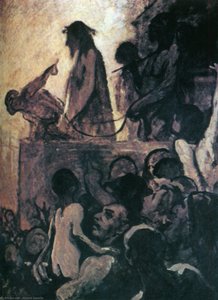
Comedy scene (scene from Molière)


 სრული ტექსტის ნახვა
ხელით შესრულებული ზეთის საღებავით რეპროდუქცია
ტილოზე შესრულებული ფერწერიანი ზეთប្រდათი, თქვენთვის სასურველი ზომისა და ჩარჩოსთვის, ჩვენი ხელოვანების მიერ შეკვეთის საფუძველზე დამზადებული. ( გადართვა ბეჭდვის რეჟიმზე გადასვლა ციფრულ გამოსახულებაზე)




P118B ₾10

P118H ₾10

P118W ₾10

P438Z ₾10

P508JH ₾12

P508YH ₾12

P805H ₾10

P805Z ₾10

P919BZ ₾10

P919G ₾10

P919XJ ₾10

P959ZH ₾10

P968JZ ₾12

W106C ₾8

W218G ₾10

W218JH ₾8

W218Y ₾10

W307PJ ₾10

W316G ₾10

W316PJ ₾8

W316Y ₾10

W398PJ ₾8

W4111J ₾10

W500HY ₾15

W500JH ₾15

W692G ₾12

W849H ₾8

W940BG ₾15

W953PJ ₾8




აირჩიეთ ჩვენს მიერ წინასწარ განსაზღვრული ზომებიდან, რომლებიც ნაწარმოების ორიგინალურ პროპორციებს შეესაბამება.

შეიყვანეთ თქვენთვის საჭირო სიგანე და სიმაღლე, რათა ნახატი მოერგოს თქვენს ჩარჩოს ან კედელს. ვინაიდან ეს ნამუშევარი ხელით არის შესრულებული, სხვა ფორმის ზომის შემთხვევაში, მხატვარმა შესაძლოა სურათის გარშემო ოდნავ მეტი დატოვოს ან შეამციროს — არჩევანი თქვენზეა. დაწყებამდე, დასამტკიცებლად, ჩვენ გამოგიგზავნით ციფრულ მაკეტს. ამ გვერდზე ნაჩვენები სურათი არ ასახავს რეალურ შედეგს — რეალური სახე მხოლოდ მაკეტზე ჩანს.
შეკვეთის შემდეგ, OriginalUniqueArt.com გუნდი დაგიკავშირდებათ ელექტრონული ფოსტით ინსტრუქციებისთვის და გამოგიგზავნით წინასწარ ნახაზს (mockup).
მიწოდება მსოფლიო მასშტაბით -ში 3/4 კვირაში, სტანდარტული 5 კვირის ნაცვლად. (24 ოქტომბერი). ხარისხზე კომპრომისის გაკეთება არ მოხდება.

უფასო ექსპრეს მიწოდება მთელ მსოფლიოში

მაღალი ხარისხის ტილო

ტრანსპორტირების სრული დაზღვევა

საბაჟო გადასახადების დაბრუნების გარანტია

ფერების სრული შესაბამისობის გარანტია

დაბრუნების 100-დღიანი პერიოდი (მხოლოდ წარმოების დეფექტის შემთხვევაში)

100% თანხის სრული დაბრუნების გარანტია

ფასდაკლება დიდი რაოდენობით შეკვეთისას
 მინის ჩარჩოს არჩევანი ხელმისაწვდომია მხოლოდ 110 სმ-მდე ზომისთვის

Comedy scene (scene from Molière)
რეპროდუქციის ტექნიკა
რეპროდუქციის ზომა
-


ჯამური ღირებულება
₾ 782
A Moment of Contention: Honoré Daumier’s “Comedy Scene (Scene from Molière)”
Honoré Daumier's 1862 painting, "Comedy Scene (Scene from Molière)," isn’t merely a depiction of a theatrical moment; it’s a vibrant snapshot of Parisian society grappling with wit, social commentary, and the very nature of performance. The work, rendered in stark black and white – a signature technique for Daumier – immediately draws the viewer into a scene brimming with unspoken tension and subtle gestures. Two men dominate the foreground: one, animatedly gesturing upwards, seemingly addressing an unseen audience; the other, slumped downwards, his gaze fixed on his companion, perhaps lost in thought or responding to the first man’s pronouncements.
Beyond these central figures lies a carefully constructed backdrop of three additional individuals, subtly positioned in the background. Their presence isn't one of active participation but rather serves as a quiet reminder of the broader social context surrounding this private exchange. They are not integrated into the immediate drama, yet their inclusion suggests that this scene unfolds within a larger, more complex world – a world ripe for observation and critique, precisely what Daumier excelled at capturing.
The Artist’s Vision: Realism and Social Satire
Daumier was a pivotal figure in the development of French realism, but his work transcends simple representation. He wasn't interested in idealized beauty or romanticized narratives; instead, he sought to expose the uncomfortable truths of everyday life – particularly the hypocrisy and social inequalities prevalent in 19th-century France. His art became a powerful tool for social commentary, often targeting the aristocracy, the clergy, and the legal system. “Comedy Scene” is no exception, offering a glimpse into a private conversation that hints at underlying tensions and judgments.
The painting’s monochrome palette – predominantly shades of gray and white – contributes significantly to its dramatic effect. This deliberate choice eliminates distractions, forcing the viewer to focus on the figures' expressions and body language. Daumier masterfully employs chiaroscuro—the contrast between light and dark—to sculpt the forms and heighten the sense of drama. The sharp delineation of shadows emphasizes the characters’ postures and gestures, conveying a palpable atmosphere of anticipation and potential conflict.
A Stage Within a Stage: Molière and Parisian Society
The painting's title explicitly references Molière, the renowned French playwright whose comedies satirized societal norms. Daumier wasn’t simply illustrating a scene from one of Molière’s plays; he was capturing the *spirit* of theatrical performance itself – the interplay between performer and audience, the delivery of witty dialogue, and the subtle judgments exchanged during a dramatic moment. The implied setting is likely a Parisian theater, though Daumier deliberately avoids providing specific details, allowing the viewer to project their own interpretations onto the scene.
Furthermore, the painting reflects the vibrant intellectual and artistic life of 19th-century Paris. The Comédie-Française, France’s national theatre, was a central hub for social and political discourse. Daumier's work engages with this dynamic environment, offering a critical perspective on the role of theater in shaping public opinion and exposing societal flaws.
Symbolism and Emotional Resonance
The posture of the two men is particularly revealing. The man gesturing upwards embodies assertiveness and perhaps even arrogance, projecting his thoughts or opinions to an unseen audience. His elevated position suggests a desire for recognition or validation. Conversely, the slumped figure conveys a sense of resignation, doubt, or perhaps quiet disapproval. His downward gaze hints at a critical assessment of the first man’s pronouncements – a subtle challenge to his authority or perspective.
“Comedy Scene” is not a straightforward narrative; it's an invitation to observe and interpret. It evokes a sense of unease, prompting viewers to consider the complexities of human interaction and the often-hidden judgments that shape our perceptions. Daumier’s masterful use of composition, light, and gesture creates a timeless image that continues to resonate with audiences today, reminding us of the enduring power of satire and the importance of critical engagement with the world around us.
კითხვები და პასუხები
არის ონორე დომიე-ის „Comedy scene (scene from Molière)“ პორტრეტული, პეიზაჟური თუ კვადრატული კომპოზიცია?
ონორე დომიე-ის „Comedy scene (scene from Molière)“-ს აქვს Portrait ფორმატი. ფორმატი აღწერს კომპოზიციის პროპორციებს.
რა გრძნობას გადმოსცემს ონორე დომიე-ის „Comedy scene (scene from Molière)“?
ონორე დომიე-ის „Comedy scene (scene from Molière)“-ის დაფიქსირებული განწყობა არის Dramatic, ხოლო მისი ემოციური ტონი — Melancholic.
სად შემიძლია ონორე დომიე-ის „Comedy scene (scene from Molière)“-ის გადმოწერა?
ონორე დომიე-ის „Comedy scene (scene from Molière)“ სურათის ჩამოტვირთვა შესაძლებელია ნამუშევრის ჩამოტვირთვა გვერდიდან: მაღალი გარჩევადობის ციფრული გამოსახულების ჩამოტვირთვა.
მხატვრის ბიოგრაფია
სიცოცხლის გზა და სატირული სამყარო: Honoré Daumier-ის ისტორია
1808 წელს მარსელში დაბადებული Honoré-Victorin Daumier-ის ცხოვრება მჭიდროდაა დაკავშირებული XIX საუკუნის საფრანგეთის бурным მოვლენებთან. ადრეული տարები, აღნიშნული მისი მამის პოეტური ამბიციებით და შემდგომი გადასახლება პარიზში 1814 წელს, მას ჩაყვარა ქალაქში, რომელიც სავსე იყო მხატვრული ენერგიით. მიუხედავად იმისა, რომ თავდაპირველად იურიდიულ კარიერას განისაზღვრა, ახალგაზრდა Daumier-ის მისწრაფება უმეტესად ხელოვნებისკენ იყო მიმართული. მან Alexandre Lenoir-თან გაიარა სტაჟირება, ათავისუფლებდა საკლასიკო გავლენებს რუბენსის დრამატული ჩიაროსკუროს სიყვარულთან ერთად და კიდევ უფრო გაამდიდრა თავისი უნარები Académie Suisse-ში. ეს საფუძველიანი მომზადება გადამწყვეტი აღმოჩნდა მისი გამორჩეული სტილის ჩამოყალიბებაში - რეალიზმის და ექსპრესიული ნახატის ძლიერი ნაზავი. თუმცა, Daumier-ს მხოლოდ მხატვრული ტექნიკა არ განისაზღვრავდა; ეს იყო ღრმა მგრძნობელობა მის გარშემო სოციალური უსამართლობის და პოლიტიკური абсурდის მიმართ.გა sharpening قلمი: კარიკატურა და საზოგადოებრივი კომენტარი
Daumier-ის კარიერა ნამდვილად გაჩაღდა 1830 წლის რევოლუციის შემდეგ, მოვლენამ, რომელმაც შეუქცევადად შეცვალა საფრანგეთის ისტორიის მსვლობა და ერთేულად უხვ ნიადაგი მიაწოდა მის განვითარებულ სატირულ ტალენტს. მან სწრაფად დამკვიდრა თავი, როგორც ლითოგრაფიის ოსტატი, თავდაპირველად ანონიმურად წვლილი შეჰქონდა სხვადასხვა გამოცემებში, სანამ *Le Charivari*-ში მუშაობით გაიზარდა პოპულარობა - Charles Philipon-მა დაფუძნებულმა ფიერლად დამოუკიდებელ კომიკურ ჟურნალმა. სწორედ აქ აყვავდა Daumier-ის გენიალობა. მისი კარიკატურები არ იყო მხოლოდ юмористические გამოსახულებები; ისინი მწვავე обвинения იყვნენ буржуაზიას, იურიდიულ სისტემას და პოლიტიკურ эстаблишменту მიმართ. მან бесстрашно высмеял მეფე Louis-Philippe-ს, რაც 1832 წელს ექვსთ month imprisonment-ით დასრულდა განსაკუთრებით მწარე კარიკატურისთვის. ეს გამოცდილება, შუილივად კი არ შეაჩერა, უფრო გაამყარა მისი ერთგულება hypocrisy-ს გამჟღავნებისა და ხელოვნების საშუალებით ავტორიტეტის გამოწვევის მიმართ. მისი ლითოგრაფიები ვიზუალურ მანიფესტებად იქცა, აცხადებდა протестისა და კრიტიკული კომენტარის სულისკვეთებას მის ეპოქის საზოგადოებრივ ნაკლებს შესახებ. ამ პერიოდში მისი წარმოებული მოცულობა გასაოცარია - ათასობით ლითოგრაფია, რომელიც ერთდროულად იყო როგორც პოპულარული развлечение, ასევე ძლიერი политический заявление.კარიკატურის მიღმა: живопись და скульптурული ხედვები
მიუხედავად იმისა, რომ Daumier ყველაზე მეტად ლითოგრაფიისთვის არის ცნობილი, მხოლოდ კარიკატურაში შეზღუდვა სერიოზული შეცდომა იქნებოდა. ის ასევე ერთგული живописец და скульптор-იც იყო, თუმცა აღიარება ამ ნამუშევებისთვის მოგვიანებით მიიღო. მისი живопись, ხშირად პარიზული ყოველდღიური ცხოვრების სცენების გამოსახულებებს წარმოადგენს - მესამე კლასის ვაგონი, прачки, юристы - ღრმა რეალიზმის და თანაგრძნობის გრძნობებით არის გაჟღავნილი. ეს არ არის იდეალიზებული პორტრეტები, არამედ უმეტესად სიმკაცრე და борба-ს უშუალო გამოსახულებები. მან ოსტატურად გამოიყენა თავისუფალი мазки და დრამატული освещение ემოციების და атмосфера-ს გადასაცემად, წინასწარმეტყველებდა იმ ტექნიკებს, რომლებიც მოგვიანებით Impressionists-მა მიიღეს. მისი скульптурული ნამუშევარი, რომელიც დიდწილად თიხაში შეიქმნა (ბევრი ნაწარმოები სიცოცხლის განმავლობაში неотделанным დარჩა), მსგავს ერთგულებას აჩვენებს ადამიანის ფორმის честным და ემოციურ სიღრმესთან. ეს скульптуры, მისი გარდაცვალების შემდეგ აღმოჩენილი, წარმოუდგენელი таланты გამოავლენს моделированияში და ფიზიკური жесты-ს საშუალებით психологический კომპლექსის გადაცემაში.უძვირფასო მემკვიდრეობა: გავლენა და ისტორიული მნიშვნელობა
Honoré Daumier-ის გავლენა ხელოვნების ისტორიაზე უდავოდაა. მან Романтизмსა და Реализმის შორის ხიდი ააგო, მომავალი თაობის მხატვრებისთვის გზა გაუხსნა, რომლებმაც მსოფლიოს ასახვა ისე გადაწყვიტეს, როგორც ნამდვილად არის - ყველა ნაკლოვანებთან ერთად. მისმა უმეტესად социальный კომენტარი გავლენა оказала Gustave Courbet-სა და Édouard Manet-ზე, ხოლო ლითოგრაფიის ინოვაციურ გამოყენებამ რევოლუცია მოახდინა гравюры-ში. მისი ნამუშევარი დღესაც резонирует, გვახსენებს ხელოვნების ძალას ავტორიტეტის გამოწვევაში, უსამართლობის გამჟღავნებაში და ადამიანის მდგომარეობასთან დაკავშირებული свидетельство в. Musée d'Orsay პარიზში ინახავს მისი живопись და скульптуры-ს მნიშვნელოვან კოლექციას, ვიზიტორებს საშუალებას აძლევს ისე vividly წარმოიდგინონ სამყარო, რომელსაც ის ასახავდა. მისი ლითოგრაფიები ფართოდ ხელმისაწვდომია OriginalUniqueArt-ის მსგავს კოლექციებში, რაც უზრუნველყოფს მის სატირულ გენიალობას აგრძელებს мысли и диалог-ს провоцирование. Daumier მხატვარი არ იყო; ის მისი დროის хроникер-იც იყო - ვიზუალური პოეტი, რომელმაც თავისი таланты გამოიყენა ხმამაღალი გამოხატვისთვის და ძალაუფლების პასუხისგებაში მიყვანისთვის. მისი მემკვიდრეობა як testament-ად რჩება ხელოვნების მდგრადი მნიშვნელობის შესახებ социальный изменение-ს ძალად.
ონორე დომიე
1808 - 1879 , საფრანგეთი
მოკლე ფაქტები
- Artistic Movement Or Style: რეალიზმი, სატირა
- Artists Or Movements Influenced By This Artist:
- იმპრესიონიზმი
- თანამედროვე ხელოვნება
- Artists Who Influenced This Artist:
- Alexandre Lenoir
- Jacques-Louis David
- Date Of Birth: 26 თებერვალი, 1808
- Date Of Death: 10 თებერვალი, 1879
- Full Name: Honoré-Victorin Daumier
- Nationality: ფრანგი
- Notable Artworks (List Of Titles):
- Rue Transnonain
- Les gens de justice
- Ecce Homo
- Place Of Birth (City And Country): მარსელი, საფრანგეთი
მსგავსი სტატიები

White on Canvas: 10 Masterpieces & Timeless Elegance for Your Home Decor
Explore 10 iconic white paintings by Monet, Whistler & Rothko! Discover the stories behind these serene masterpieces and their impact on art history. Find museum-quality reproductions for your home decor at .

Monochrome Visions: Exploring the Aesthetic & Historical Significance of Black & White Photography
Explore the rich history & artistic power of black and white photography. From early techniques to iconic masters like Ansel Adams, discover why monochrome continues to captivate art lovers today. Expert insights for collectors.

Dark Masterpieces: 10 Iconic Paintings Dominated by Black Tones |
Explore 10 iconic paintings dominated by black tones, from Rembrandt’s chiaroscuro to Goya's dark expressions. Discover the stories behind these masterpieces & find museum-quality art reproductions for your home at .
Shadow & Soul: Why Black & White Photography Remains the Ultimate Power Move in Modern Art
Discover why black & white photography remains a powerful force in contemporary art. Explore the impact of light, shadow, and texture through a visual journey of monochrome mastery and learn how to elevate your space with timeless grayscale aesthetics.

Monochrome Edge: The Ultimate Design Flex—Level Up Your Space with Bold Black & White Art
Master the monochrome aesthetic with high-impact Black & White art from OriginalUniqueArt.com. From custom hand-painted oils to iconic pop culture remixes, discover the ultimate design flex for your urban space. Elevate your decor with bold, premium, and timeless monochrome masterpieces.