წინასწარი ნახვა
 გაგზავნა
 გაზიარება
 დეტალები

 ჩამოტვირთვა
 მსგავსები
 რენტგენოგრაფიული კვლევა
 სლაიდშოუ
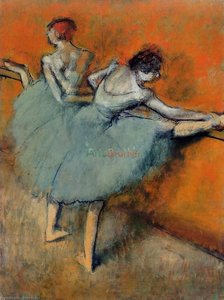
ბალერინები


 გადასართად დაწვრილებით ნახეთ
გიკლე / ხელოვნების პრინტი
მუზეუმის დონის ჟიკლე ან ტილოზე ბეჭდვა სწრაფი წარმოებისა და დასრულების მოქნილი ვარიანტებით. ( შეიძინეთ ხელით შესრულებული ნახატი შეიძინეთ გამოსახულება)




P118B $10

P118H $10

P118W $10

P438Z $10

P508JH $12

P508YH $12

P805H $10

P805Z $10

P919BZ $10

P919G $10

P919XJ $10

P959ZH $10

P968JZ $12

W106C $8

W218G $10

W218JH $8

W218Y $10

W307PJ $10

W316G $10

W316PJ $8

W316Y $10

W398PJ $8

W4111J $10

W500HY $15

W500JH $15

W692G $12

W849H $8

W940BG $15

W953PJ $8




აირჩიეთ ჩვენს მიერ წინასწარ განსაზღვრული ზომებიდან, რომლებიც ნაწარმოების ორიგინალურ პროპორციებს შეესაბამება.

თქვენ შეგიძლიათ მიუთითოთ საკუთარი ზომები კონკრეტული ჩარჩოსთვის ან სივრცისთვის მოსარგებლებლად. თუ თქვენ მიერ არჩეული ზომა არ შეესაბამება ორიგინალი გამოსახულების პროპორციებს, ჩვენ ან დავჭრით ნამუშევარს, ან გავაფართოვებთ გამოსახულებას სარკული ან ერთფეროვანი კიდეებით. წარმოების დაწყებამდე თქვენს დასამტკიცებლად გამოგეგზავნებათ ციფრული მაკეტი.
გთხოვთ, გაითვალისწინოთ, რომ ეკრანზე ნაჩვენები წინასწარი ნახვა არ ასახავს რეალურ ჭრას ან გაფართოებას. მხოლოდ მაკეტზე იქნება ზუსტად წარმოდგენილი საბოლოო კომპოზიცია.
მიუხედავად იმისა, რომ ინდივიდუალური ზომები ხელმისაწვდომია, ორიგინალური პროპორციების შესანარჩუნებლად გირჩევთ, აირჩიოთ ზომა წინასწარ განსაზღვრული სიისგან.
მიწოდება მთელ მსოფლიოში () 2 კვირაში, სტანდარტული 4/5 კვირის ნაცვლად. (29 აგვისტო)

უფასო ექსპრეს მიწოდება მთელ მსოფლიოში

საბამად მაღალი ხარისხის ტილო

სრული ტრანსპორტირების დაზღვევა

საბაჟო გადასახადების დაბრუნების გარანტია

ფერების სრული შესაბამისობის გარანტია

60-დღიანი დაბრუნების პოლიტიკა (მხოლოდ დეფექტის შემთხვევაში)

100% თანხის დაბრუნების გარანტია

ფასდაკლება დიდი რაოდენობით შეკვეთისას
 მინის ჩარჩოს არჩევანი ხელმისაწვდომია მხოლოდ 110 სმ-ზე ნაკლები ზომისთვის

ბალერინები
გიკლე / ხელოვნების პრინტი
რეკლამაციის ზომა
-


საბოლოო ფასი
$ 80
Dancers
Edgar Degas-ის *Dancers* წარმოადგენს იმპრეს იონის განწყობის ნշამა ნიმუშს, რომელიც მიზნად ისახავს ჩვევის მომენტების მოყçamentoს – კონკრეტულად, ბალეტით დართ მართებულ სამყაროს, ასევე დეგასის უაღრეს khả năngს მოძრაობის და cảm xúcების გადაცემის შესახებ პასტელში. შექმნილი 1899 წელს, ეს ნ tác phẩm არ არის მხოლოდ გამოსახულება; ის არის ჩோர்ა გამოცდილება პარიზული ბალეტი სТУДИის ატმოსფეროში გვიანი ვიქტორიანული ხანძთში. ნახატის მშვიდი სიჩუმე ẩnებს მის ღრმავ შეფასებას ადამიანის hành vi და nghệ thuật ინოვაციის შესახებ.ხელოვნības სტილი და ტექნიკა
Дэ́гас, იმპრეს იоністів შორის ტიტანი, რევოლუциониზირեց ნახაზს პასტელს მიყალითად chấp nhậnვით. В отличие от масляных красок, которые стремятся к постоянству, пастель предлагает эфирную текстуру – мягкость, которая идеально подходит для темы: балерина, стоящая в ожидании представления. Художник тщательно накладывал тонкие листы пастельной пигментной массы на бумагу, используя как влажную, так и сухую технику нанесения, чтобы достичь замечательной текстурной глубины и яркости. Этот метод позволил Дэ́гасу запечатлеть тончайшие нюансы света и тени, отражая мерцающую жару студии и создавая иллюзию движения, которая превосходит статичное представление. Как отмечает Джин Сатърланд Богс в "Дэ́гасе", "наброски Дэ́гаса пастелью характеризуются светлой поверхностью, достигнутой путем многослойного нанесения пигмента", демонстрируя его мастерство в улавливании сущности импрессионизма.მსგავს ნ tác phẩmები ედგარ დეგასის მიერ
Дэ́гаса nghệ thuậtний दृष्टी vượtше балет, включивши в себе коней, пейзажи и портреты – все это было изображено с одинаковой чувствительностью к наблюдению и выразительной технике. Обратите внимание на *Ballerinas Adjusting Their Dresses*, еще один пастельный шедевр, демонстрирующий тщательность Дэ́гаса в деталях и его способность передавать грацию и элегантность. Аналогично, *Three Ballet Dancers* захватывает динамику движения через мастерское композиционное решение с тремя танцовщицами в различных позах – одна женщина нежно регулирует свой наряд, сидя рядом со стулом – это свидетельство преданности Дэ́гаса изображению реалистичных сцен с художественным вкусом. Более того, *Two Dancers in Blue* иллюстрирует его исследование цвета и формы, представляя гармоничное взаимодействие между оттенками и текстурами, воплощающее дух импрессионизма. Эти картины находятся в заметных местах, таких как Musée d’Orsay и The Barnes Foundation, предлагая посетителям возможность погрузиться в художественное наследие Дэ́гаса.ისტორიული კონტექსტი და სიმ볼ები
Накрытие возникло в решающий момент французской культурной истории – в упадке романтизма и восхождении импрессионизма. Жюль Перрот, балетмейстер, изображенный рядом с танцовщицами, представлял собой установленный порядок балета, а молодые балерины воплощали будущее танца как искусства. Изображение Дэ́гаса улавливает не только физические движения балета, но и его психологические измерения – концентрацию, ожидание и тонкие эмоции, выраженные исполнителями. Сама пастельная пигментная масса символизирует деликатность и изысканность, отражая эстетические идеалы импрессионистского движения. Как отмечает Джил Девоняр в *Pastelle von Edgar Degas*, "наброски Дэ́гаса пастелью характеризуются светлой поверхностью, достигнутой путем многослойного нанесения пигмента", отражающего его приверженность запечатлению мимолетной красоты повседневной жизни с беспрецедентной художественной точностью. Включение в картину таких элементов, как стулья и танцовщица, регулирующая свой наряд, добавляет глубины повествованию, приглашая зрителей задуматься о сложностях человеческого опыта в контексте творческого создания.Стиль: Impressionism
Тематика: Балет, Танец, Пастель, Движение, Театр, Композиция, Импрессионизм Период творчества: Зрелый период Корпус контекст: Запечатлевает балета грацию и движение., Отражает импрессионистический фокус на повседневной жизни., Вдохновлено Ингресом, классической техникой., Показывает Дэ́гаса исследование танцевальных тем., Часть Musée d’Orsay коллекции., Подчеркивает театральную атмосферу., Иллюстрирует Дэ́гаса художественное видение.მხატვრის ბიოგრაფია
A Life Immersed in Movement
Edgar Degas, born Hilaire-Germain-Edgar De Gas on July 19, 1834, in Paris, France, stands as a figure of remarkable contradictions within the annals of art history. While often categorized alongside Impressionists—Monet, Renoir, and others who irrevocably transformed painting at the cusp of the late nineteenth century—Degas vehemently resisted this designation, asserting instead that he identified as a realist. This unwavering commitment stemmed from his meticulous observation of the world around him and an uncompromising dedication to portraying it with unflinching honesty. His formative years were comfortably bourgeois; his father served as a banker, and his mother descended from Creole lineage in New Orleans—a heritage that afforded him access to education and artistic training, though he frequently chafed against academic constraints. He commenced his formal schooling at the Lycée Louis-le-Grand but discovered his true vocation when he began copying works within the Louvre, honing his skills and igniting a lifelong passion for classical art. However, Degas’s artistic trajectory wasn't one of rigid adherence to tradition; it was characterized by constant questioning and reassessment of artistic norms—a trait that would define his entire career. He possessed an independent spirit that distinguished him from many of his contemporaries and cemented his place as a pioneer of modern art.Early Life and Artistic Foundations
Degas’s upbringing instilled in him a profound appreciation for intellectual pursuits alongside familial stability. His father's profession provided financial security, allowing him to pursue artistic endeavors without undue worry—a circumstance that contrasted sharply with the aspirations of many aspiring artists at the time. He received an exceptional education, focusing on drawing and sculpture, disciplines that would prove instrumental in shaping his distinctive style. Notably, he diligently studied the works of Jean-Auguste-Dominique Ingres, whose meticulous draftsmanship and emphasis on idealized form profoundly influenced Degas’s artistic sensibilities. This early exposure to classical art served as a bedrock upon which he built his own innovative approach—a synthesis of tradition and experimentation that would become his hallmark. The Louvre became his classroom, where he absorbed the techniques and aesthetics of masters past, preparing himself for the challenges of forging his own path in the burgeoning artistic landscape.Beyond Impressionism: A Singular Artistic Vision
Despite aligning with Impressionists like Monet and Renoir—artists who championed capturing fleeting moments of light and color outdoors—Degas stubbornly resisted categorization within this movement. He prioritized working independently in his studio, constructing scenes from observation and memory rather than relying on plein air techniques. This deliberate choice reflected a fundamental divergence from prevailing artistic trends and underscored his unwavering belief in the primacy of personal vision. His subject matter deliberately eschewed historical or mythological narratives favored by academic painters; instead, he found inspiration in the everyday realities of Parisian life—the bustling marketplaces, the lively cafes, and most notably, the world of ballet. He wasn’t merely interested in depicting beautiful dancers; he sought to capture the grueling physicality and psychological complexities inherent in their profession—a task that demanded painstaking attention to detail and a willingness to confront uncomfortable truths about human experience.The Ballet Class: A Masterpiece of Observation
Perhaps Degas's most iconic achievement resides in his series of paintings depicting ballet classes—works that exemplify his unparalleled mastery of draftsmanship and his ability to convey movement with breathtaking precision. Unlike Impressionists who attempted to capture the ephemeral effects of light, Degas meticulously documented the physical exertion and emotional intensity of dancers preparing for performances. His compositions are unconventional, cropping figures in unexpected ways and utilizing asymmetrical arrangements that create a palpable sense of dynamism—a technique that distinguishes him from his peers and elevates his art beyond mere visual representation. He captured not just what was seen but also what was felt—the strain on muscles, the concentration on faces, and the subtle gestures of movement that communicated both discipline and passion. The resulting images are imbued with a remarkable immediacy and authenticity, reflecting Degas’s unwavering commitment to portraying reality without embellishment or sentimentality.Legacy and Influence
Edgar Degas died September 27, 1917, in Paris—leaving behind an oeuvre that continues to resonate powerfully within the artistic canon. His pioneering approach to composition, his exceptional draftsmanship, and his unflinching portrayal of modern life profoundly impacted subsequent generations of artists—most notably Pablo Picasso and Henri Matisse. He challenged academic conventions and championed a new aesthetic sensibility characterized by spontaneity and psychological depth—a legacy that persists today as museums worldwide showcase his paintings, sculptures, prints, and drawings. Degas’s influence extends far beyond the immediate stylistic innovations he engendered; he fundamentally altered perceptions of artistic expression and solidified his position as one of the most influential figures in twentieth-century art. He remains a testament to the transformative power of observation and the enduring beauty of uncompromising artistic integrity.
ჰაილერ გერმெய்ნ ეդგარ დეგასი
1834 - 1917 , საფრანგეთი
მოკლე ინფორმაცია
- Artistic Movement Or Style: იმპრესიონიზმი და რეალიზმი
- Artists Or Movements Influenced By This Artist: ['პიკასო და ჰენრი მატის პს']
- Artists Who Influenced This Artist:
- ჟან-შუสตე დონ ჟო დი ინგრეს
- გუსტავ კურბეტი
- Date Of Birth: 1834 წელი
- Date Of Death: 1917 წელი
- Full Name: Hilaire-Germain-Edgar De Gas
- Nationality: ფრანგილია
- Notable Artworks:
- მსხვილობრინდა მუსხვი და ტამბურინა
- ბალეტი სცენის დებაჲ
- დეგასი მწვანე კორკეტითი
- მფ რაჩქსე სხეპები და სძრაჩქე მძრაველები
- Place Of Birth: პარისი საფრანგეთი
დაკავშირებული სტატიები

იმპრესიონიზმის 10 შედევრი: ხელოვნების ისტორიის გამორჩეული ნაწარმოებები OriginalUniqueArt-ზე
გაიცანით იმპრესიონიზმის 10 გამორჩეული შედევრი მონეს, რენუარის და სხვა დიდოსების ნახატებით. OriginalUniqueArt-ზე შეგიძლიათ შეიძინოთ ხარისხიანი რეპროდუქციები და შექმნათ თქვენი სახლისთვის განსაცვიფრებელი ინტერიერი. აღმოაჩინეთ მთელი კოლექცია ონლაინ!
ტოპ 10 შედევრი, რომელმაც განსაზღვრა "კლასიციზმი" ხელოვნებაში
აღმოფრთოვანდით იმპრესიონიზმის ტოპ 10 შედევრით! მონე, რენუარი და სხვა მხატვრების გამორჩეული ნაწარმოებები. ისწავლეთ მათი ისტორია და უნიკალური სტილი. OriginalUniqueArt.com-ზე იხილეთ საგანგებო ხელოვნების რეპროდუქციები და შექმენით თქვენი ოცნების ინტერიერი!

Soft Light & Velvet Touch: The Ethereal Magic of Pastel Artistry in Impressionist Masterpieces
Discover the ethereal beauty of pastel art through an Impressionist lens. Explore how masters like Monet and Renoir captured light and velvet textures, and learn to curate a collection of luminous, museum-quality masterpieces for your home.

The Subtleties of Pastel: A Comprehensive Exploration of Technique, History & Emotional Resonance
Explore the captivating world of pastel art! Discover its rich history, Impressionistic masters like Degas, emotional power & unique techniques. Find museum-quality reproductions at OriginalUniqueArt.

ტოპ 10 შედევრი, რომელმაც განსაზღვრა "ანტვილის იმპრესიონისტული ლანდშაფტი"
აღმოფრთოვანდით იმპრესიონიზმის ლეგენდის 10 შედევრით! მონე, რენუარი და სხვა მოწინავეები. იხილეთ მათი ფერადი ლანდშაფტები და აღმოაჩინეთ ხელოვნების რეპროდუქციები OriginalUniqueArt-ზე. სახლის დეკორისთვის იდეალური!