ნახვა ინტერьерში
 გაგზავნა
 გაზიარება
 დეტალები
 გზამკვლევი

 ჩამოტვირთვა
 მსგავსები
 რენტგენოგრაფიული კვლევა
 სლაიდშოუ
 სტატისტიკა
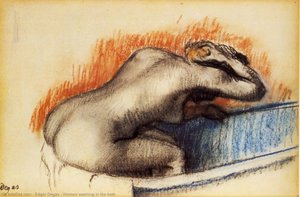
დედოფალი ტუალეტზე


 სრული ტექსტის ნახვა
ხელით შესრულებული ზეთის საღებავით რეპროდუქცია
ტილოზე შესრულებული ფერწერიანი ზეთប្រდათი, თქვენთვის სასურველი ზომისა და ჩარჩოსთვის, ჩვენი ხელოვანების მიერ შეკვეთის საფუძველზე დამზადებული. ( გადართვა ბეჭდვის რეჟიმზე გადასვლა ციფრულ გამოსახულებაზე)




P118B $10

P118H $10

P118W $10

P438Z $10

P508JH $12

P508YH $12

P805H $10

P805Z $10

P919BZ $10

P919G $10

P919XJ $10

P959ZH $10

P968JZ $12

W106C $8

W218G $10

W218JH $8

W218Y $10

W307PJ $10

W316G $10

W316PJ $8

W316Y $10

W398PJ $8

W4111J $10

W500HY $15

W500JH $15

W692G $12

W849H $8

W940BG $15

W953PJ $8




აირჩიეთ ჩვენს მიერ წინასწარ განსაზღვრული ზომებიდან, რომლებიც ნაწარმოების ორიგინალურ პროპორციებს შეესაბამება.

თქვენ შეგიძლიათ მიუთითოთ თქვენთვის სასურველი ზომები კონკრეტული ჩარჩოს ან სივრცის შესაბამისად. თუ თქვენ მიერ არჩეული ზომა არ შეესაბამება ორიგინალი გამოსახულების პროპორციებს, ჩვენ ან შევაჭრებთ ნაწარმოებს, ან ტილოზე დავამატებთ ხელით მოხატულ ელემენტებს. წარმოების დაწყებამდე, დასამტკიცებლად გამოგეგზავნებათ ციფრული მაკეტი.
გთხოვთ, გაითვალისწინოთ, რომ ეკრანზე ნაჩვენები წინასწარი შეხედულება არ ასახავს რეალურ შეჭრას ან გაფართოებას. საბოლოო კომპოზიციას ზუსტად მხოლოდ მაკეტი წარმოაჩენს.
მიუხედავად იმისა, რომ შესაძლებელია ინდივიდუალური ზომების შერჩევა, ორიგინალური პროპორციების შენარჩუნებისათვის გირჩევთ, გამოიყენოთ წინასწარ განსაზღვრული სიის ზომები.
შეკვეთის შემდეგ, OriginalUniqueArt.com გუნდი დაგიკავშირდებათ ელექტრონული ფოსტით ინსტრუქციებისთვის და გამოგიგზავნით წინასწარ ნახაზს (mockup).
მიწოდება მსოფლიო მასშტაბით -ში 3/4 კვირაში, სტანდარტული 5 კვირის ნაცვლად. (25 სექტემბერი). ხარისხზე კომპრომისის გაკეთება არ მოხდება.

უფასო ექსპრეს მიწოდება მთელ მსოფლიოში

მაღალი ხარისხის ტილო

ტრანსპორტირების სრული დაზღვევა

საბაჟო გადასახადების დაბრუნების გარანტია

ფერების სრული შესაბამისობის გარანტია

დაბრუნების 100-დღიანი პერიოდი (მხოლოდ წარმოების დეფექტის შემთხვევაში)

100% თანხის სრული დაბრუნების გარანტია

ფასდაკლება დიდი რაოდენობით შეკვეთისას
 მინის ჩარჩოს არჩევანი ხელმისაწვდომია მხოლოდ 110 სმ-მდე ზომისთვის

დედოფალი ტუალეტზე
რეპროდუქციის ტექნიკა
რეპროდუქციის ზომა
-


ჯამური ღირებულება
$ 300
A Moment of Intimate Ritual: Degas’ “Woman at Her Toilette”
ედგარ ოდეგასი, თანამედროვე ζω 생ის მოწინაშვილი, გვაიხსნება შესაძლებლობა შე observe-ოთ კონკრეტულ მომენტს, როდესაც ქალი ზავობს საკუთარ გარეგნობას "Woman at Her Toilette"-ში, რომელიც შექმნა 1900 წელს. ეს პას텔ის ნიმუში მხოლოდ სისუფთავის მოწმობა არ არის; ეს არის სიახლოვე, თვითშემოინსტიფცია და ის მშვიდი მომენტები, რომლებიც გან määrდებენ ყოველდღიურ ცხოვრებას. სცენა ი unfolds-վում է თვალსა தெரிய მადლიერებით, tập trung-ებულია ქალზე, რომელიც დაკარგულია ფერის მოხელაებაში, ხოლო მეორე ფიგურა უყურებს მას gần đây. ოდეგასი არ გვაიხსნება დიდ ისტორიებს ან დრამატულ ჟესტებს, არამედ ნ้อย Hệ-ბული ლექსიკას, რომელიც löytyy ყოველდღიური სადღისებურად.
The Impressionist Eye and the Pursuit of Modernity
მიუხედავად იმისა, რომ ხშირად მიეკუთვნება მას ოდეგასს, ის წინააღმდეგობს თავს ამ მახასიათებლებს, უფრო მეტიც, ის განიხილება როგორც რეალისტი, რომელიც შეძლებდა გადაიცદოს თანამედროვე ცხოვრების არსებას. მან დატოვა ტრადიციული ისტორიული ან მიθοლოგიური θέματα, επικεντρώνοντας το ενδιαφέρον του σε σκηνές που αναπτύσσονται γύρω από αυτόν στο Παρίσι - χορεύτριες, πλυντήριες, ιπποδρομίες και γυναίκες που ασχολούνται με τις ιδιωτικές τους συνήθειες. "Woman at Her Toilette" είναι ένα παράδειγμα αυτής της μεταβολής. Σύνθεση χαρακτηρίζεται ოდეგასის: δυναмічна, αλλά ταυτόχρονα intima, απορρίπτοντας την ιδανική μορφή των ακαδημαϊκών ζωγραφιών για μια πιο φυσιοκρατική αναπαράσταση. Η χρήση του παστέλ, ένα μέσο που υιοθέτησε με αυξανόμενο ενθουσιασμό αργότερα στην καριέρα του, ταιριάζει τέλεια στο να συλλάβει την απαλότητα του δέρματος και του υφάσματος, καθώς και το διάχυτο φως που φωτίζει σκηνή. Το παστέλ επιτρέπει μια αυθόρμητη και άμεση προσέγγιση, η οποία ταιριάζει τέλεια με το ενδιαφέρον του ოდეგασ για τις προσωρινές στιγμές.
Compositional Innovation and Psychological Depth
ოდეგასი ήταν γνωστός των חדשני τεχνικών שלו, συχνά χρησιμοποιώντας ασύμμετρικές διατάξεις και ασυνήθιστες οπτικές γωνίες. "Woman at Her Toilette"-ში, δημιουργεί μια αίσθηση οπτικής έντασης μέσω δύο φιγούρων τοποθέτησης - μία στο κέντρο εστιάζει στην εργασία της, ενώ η άλλη διακριτικά παρακολουθεί περιφέρειας. Αυτή η διάταξη προσκαλεί να υποψιαστούσαι σχετικά με τη σχέση τους: είναι μητέρα και κόρη, αδελφές ή ίσως φίλες που μοιράζονται μια ιδιωτική στιγμή; Η αοριστία συμβάλλει στην ζωγραφικής ψυχολογική βάθος. Σκηνայի περικοπή - δεν βλέπουμε ολόκληρο δωμάτιο ή πρόσωπο πλήρως λεπτομέρειας - ενισχύει περαιτέρω αυτήν την αίσθηση της ιδιωτικότητας, σαν να παρακολουθούμε διακριτικά μια ιδιωτική στιγμή. ოდეგასი με δεξιοτεχνία χρησιμοποιεί φως και σκιά για να ορίσει σχήμα και να δημιουργήσει ατμόσφαιρα, τραβώντας την προσοχή μας στην γυναίκας λεπτομέρεια κινήσεων και υφών.
A Legacy of Observation: Degas' Enduring Influence
"Woman at Her Toilette" δεν είναι απλώς όμορδος εικόνα; Είναι ოდეგასის βαθιά ικανότητα να παρατηρεί και να ερμηνεύει τον κόσμο γύρω του. Η δουλειά του συνεχίζει να αντηχεί σημεία σήμερα, επειδή αυτός κατάλαβε κάτι κοινό για την ανθρώπινη εμπειρία - οι σιωπηλοί αυτοανασκόπησης στιγμές, σχέδια πολυπλοκότητα και ομορφιά που βρίσκεται στην καθημερινή ζωή. Για συλλέκτες και εσωτερικούς σχεδιαστών, ένα αναπαραγωγή αυτής της ζωγραφικής δεν προσφέρει μόνο αισθητική ευχαγημություն, αλλά επίσης μια σύνδεση με ένα κρίσιμο σημείο στην τέχνης ιστορίας, φέρνοντας μια πινελιά Παρισιάνικη κομψότητα και νοητική βάθος οποιουδήποτε χώρου.
მხატვრის ბიოგრაფია
A Life Immersed in Movement
Edgar Degas, born Hilaire-Germain-Edgar De Gas on July 19, 1834, in Paris, France, stands as a figure of remarkable contradictions within the annals of art history. While often categorized alongside Impressionists—Monet, Renoir, and others who irrevocably transformed painting at the cusp of the late nineteenth century—Degas vehemently resisted this designation, asserting instead that he identified as a realist. This unwavering commitment stemmed from his meticulous observation of the world around him and an uncompromising dedication to portraying it with unflinching honesty. His formative years were comfortably bourgeois; his father served as a banker, and his mother descended from Creole lineage in New Orleans—a heritage that afforded him access to education and artistic training, though he frequently chafed against academic constraints. He commenced his formal schooling at the Lycée Louis-le-Grand but discovered his true vocation when he began copying works within the Louvre, honing his skills and igniting a lifelong passion for classical art. However, Degas’s artistic trajectory wasn't one of rigid adherence to tradition; it was characterized by constant questioning and reassessment of artistic norms—a trait that would define his entire career. He possessed an independent spirit that distinguished him from many of his contemporaries and cemented his place as a pioneer of modern art.Early Life and Artistic Foundations
Degas’s upbringing instilled in him a profound appreciation for intellectual pursuits alongside familial stability. His father's profession provided financial security, allowing him to pursue artistic endeavors without undue worry—a circumstance that contrasted sharply with the aspirations of many aspiring artists at the time. He received an exceptional education, focusing on drawing and sculpture, disciplines that would prove instrumental in shaping his distinctive style. Notably, he diligently studied the works of Jean-Auguste-Dominique Ingres, whose meticulous draftsmanship and emphasis on idealized form profoundly influenced Degas’s artistic sensibilities. This early exposure to classical art served as a bedrock upon which he built his own innovative approach—a synthesis of tradition and experimentation that would become his hallmark. The Louvre became his classroom, where he absorbed the techniques and aesthetics of masters past, preparing himself for the challenges of forging his own path in the burgeoning artistic landscape.Beyond Impressionism: A Singular Artistic Vision
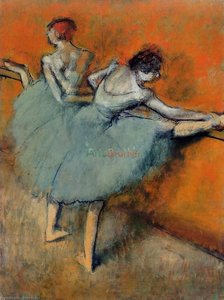
Despite aligning with Impressionists like Monet and Renoir—artists who championed capturing fleeting moments of light and color outdoors—Degas stubbornly resisted categorization within this movement. He prioritized working independently in his studio, constructing scenes from observation and memory rather than relying on plein air techniques. This deliberate choice reflected a fundamental divergence from prevailing artistic trends and underscored his unwavering belief in the primacy of personal vision. His subject matter deliberately eschewed historical or mythological narratives favored by academic painters; instead, he found inspiration in the everyday realities of Parisian life—the bustling marketplaces, the lively cafes, and most notably, the world of ballet. He wasn’t merely interested in depicting beautiful dancers; he sought to capture the grueling physicality and psychological complexities inherent in their profession—a task that demanded painstaking attention to detail and a willingness to confront uncomfortable truths about human experience.The Ballet Class: A Masterpiece of Observation
Perhaps Degas's most iconic achievement resides in his series of paintings depicting ballet classes—works that exemplify his unparalleled mastery of draftsmanship and his ability to convey movement with breathtaking precision. Unlike Impressionists who attempted to capture the ephemeral effects of light, Degas meticulously documented the physical exertion and emotional intensity of dancers preparing for performances. His compositions are unconventional, cropping figures in unexpected ways and utilizing asymmetrical arrangements that create a palpable sense of dynamism—a technique that distinguishes him from his peers and elevates his art beyond mere visual representation. He captured not just what was seen but also what was felt—the strain on muscles, the concentration on faces, and the subtle gestures of movement that communicated both discipline and passion. The resulting images are imbued with a remarkable immediacy and authenticity, reflecting Degas’s unwavering commitment to portraying reality without embellishment or sentimentality.Legacy and Influence
Edgar Degas died September 27, 1917, in Paris—leaving behind an oeuvre that continues to resonate powerfully within the artistic canon. His pioneering approach to composition, his exceptional draftsmanship, and his unflinching portrayal of modern life profoundly impacted subsequent generations of artists—most notably Pablo Picasso and Henri Matisse. He challenged academic conventions and championed a new aesthetic sensibility characterized by spontaneity and psychological depth—a legacy that persists today as museums worldwide showcase his paintings, sculptures, prints, and drawings. Degas’s influence extends far beyond the immediate stylistic innovations he engendered; he fundamentally altered perceptions of artistic expression and solidified his position as one of the most influential figures in twentieth-century art. He remains a testament to the transformative power of observation and the enduring beauty of uncompromising artistic integrity.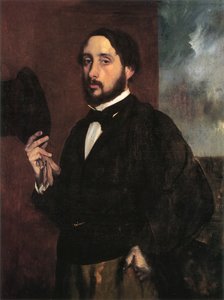
ჰაილერ გერმெய்ნ ეդგარ დეგასი
1834 - 1917 , საფრანგეთი
მოკლე ფაქტები
- Artistic Movement Or Style: იმპრესიონიზმი და რეალიზმი
- Artists Or Movements Influenced By This Artist: ['პიკასო და ჰენრი მატის პს']
- Artists Who Influenced This Artist:
- ჟან-შუสตე დონ ჟო დი ინგრეს
- გუსტავ კურბეტი
- Date Of Birth: 1834 წელი
- Date Of Death: 1917 წელი
- Full Name: Hilaire-Germain-Edgar De Gas
- Nationality: ფრანგილია
- Notable Artworks:
- მსხვილობრინდა მუსხვი და ტამბურინა
- ბალეტი სცენის დებაჲ
- დეგასი მწვანე კორკეტითი
- მფ რაჩქსე სხეპები და სძრაჩქე მძრაველები
- Place Of Birth: პარისი საფრანგეთი
მსგავსი სტატიები

Soft Light & Velvet Touch: The Ethereal Magic of Pastel Artistry in Impressionist Masterpieces
Discover the ethereal beauty of pastel art through an Impressionist lens. Explore how masters like Monet and Renoir captured light and velvet textures, and learn to curate a collection of luminous, museum-quality masterpieces for your home.
The Subdued Radiance of Pastel Palettes: Exploring Emotional Resonance in Art History
Explore the emotional power of pastel palettes in art history! Discover Impressionism, Post-Impressionism & color psychology insights. Find museum-quality reproductions at OriginalUniqueArt.

Edgar Degas: Capturing Modern Life – A Study of Movement, Observation, and the Parisian Belle Époque
Explore the captivating world of Edgar Degas! Discover his innovative techniques, iconic ballet paintings, and unique portrayal of Parisian life in this insightful art history study.

The Subtleties of Pastel: A Comprehensive Exploration of Technique, History & Emotional Resonance
Explore the captivating world of pastel art! Discover its rich history, Impressionistic masters like Degas, emotional power & unique techniques. Find museum-quality reproductions at OriginalUniqueArt.

The Soft Power of Pastel: A Connoisseur's Guide to History, Technique, and the Art of Texture
Explore the ethereal beauty of pastel art. From Renaissance origins to Impressionist mastery, discover the history, technique, and velvety textures that define this luminous medium in our expert guide for art connoisseurs.