
 წინასწარი ნახვა
 გაგზავნა
 გაზიარება
 დეტალები
 გზამკვლევი

 ჩამოტვირთვა
 მსგავსები
 რენტგენოგრაფიული კვლევა
 სლაიდშოუ
 კითხვა-პასუხი
 სტატისტიკა
Before the Performance


 გააგრძელეთ კითხვა
მიიღეთ ბეჭდვისთვის გამზადებული ფაილი, რომლის ხარისხიც ბევრად აღემატება ვებ-პრევიუსს. ჩვენს ბაზაში არსებული ყველა ციფრული გამოსახულება ეყრდნობა მაღალი რეზოლუციის ორიგინალს — როგორც წესი, 5,000-დან 15,000 პიქსელამდე სიგანის — რაც საშუალებას გაძლევთ, თავდაჯერებულად დაამბოროთ დიდი ზომის ბეჭდვა, მოახდინოთ ფრაგმენტის მჭიდროდ გამოჭრა ან აღადგინოთ ნატიფი დეტალები.
ჩვენს სტუდიაში არცერთი ფაილი შეუმჩნევლად არ რჩება. ციფრული ექსპერტი ადარებს ფერებს ორიგინალ ნახატს და საჭიროების შემთხვევაში ასწორებს მათ, შემდეგ კი პროფესიონალური რეტუშირების ინსტრუმენტებით აუმჯობესებს სიცხადესა და დეტალიზაციას — ყოველთვის ოსტატის ფუნჯის მონაკვეთებისა და სტილის ერთგულებით. შედეგი არის გამოსახულება, რომელიც ნამდვილ ნახატს ჰგავს და არა ფილტრებულ სკანირებას.
თქვენ აკონტროლებთ პროცესს მის დასრულებამდე: ჩვენი ექსპერტი 72 საათის განმავლობაში გამოგიგზავნით გამოსახულებას ელექტრონული ფოსტით გადასასინჯად. არ დაკმაყოფილებული? მოითხოვეთ ცვლილებები ან შესწორებები, ან მოითხოვეთ თანხის დაბრუნება, თუ ხარისხი თქვენს მოლოდინს ვერ შეესაბამება.
ეს არის ხარისხი, რომელსაც ენდობიან გამომცემლობები, დიზაინ სტუდიები, გალერეები და அச்சგამოცემები.
ციფრული გამოსახულება
ჩამოტვირთეთ მაღალი გარჩევადობის ფაილი პირადი გამოყენებისთვის, დასაბეჭდად და შემოქმედებითი პროექტებისთვის. ( ბეჭდვის რეჟიმზე გადართვა შეიძინეთ ხელით შესრულებული ნახატი)
ყოველ ციფრულ გამოსახულების შეკვეთაში შედის
ექსპერტული ციფრული მიწოდების გარანტია
როდესაც ირჩევთ OriginalUniqueArt.com-ს, თქვენ მხოლოდ სურათს კი არ იღებთ, არამედ იღებთ პროფესიონალურად დამუშავებულ ციფრულ ნამუშევარს, რომელიც შექმნილია უზადო სიზუსტით და დაცულია კმაყოფილების გარანტიით. თქვენს შეკვეთას ავტომატურად მოჰყვება შემდეგი:

სწრაფი ელექტრონული მიწოდება
თქვენს მაღალი რეზოლუციის ციფრულ გამოსახულებას შეკვეთის დაწყებიდან 72 საათში ელექტრონული ფოსტით მიიღებთ — ის მზად იქნება დაუყოვნებლივი გამოყენებისთვის.

ხელოვნური ინტელექტით გაუმჯობესებული ციფრული გამოსახულება
თქვენი ხელოვნების ნიმუშები პროფესიონალურად არის ოპტიმიზებული მოწინავე AI ინსტრუმენტებისა და მექანიკური რედაქტირების მეშვეობით, რაც უზრუნველყოფს მაქსიმალურ დეტალიზაციას, სიცხადესა და ფერების სიზუსტეს.

ციფრული გამოსახულებების უფასო სამუდამო ხელახალი მიღება
ფაილი შემთხვევით წაიშალა ან დაკარგეთ? ნუបედავთ — ჩვენ მას ნებისმიერ დროს, უფასოდ ხელახლა გამოგეგზავნით.

იმპორტის გადასახადების გარეშე — ყოველთვის
ჭიდად ისიამოვნეთ თქვენი ნამუშევრით მყისიერად, საბაჟო გადასახადის, მოსაკრებლის ან მიწოდების ხარჯის გარეშე - ციფრული ჩამტვირთვისას ყოველთვის საგადასახადო თავისუფლებაა.

ფერების სიზუსტის გარანტია
პროფესიონალური ინსტრუმენტებისა და ფერების მართვის სისტემის გამოყენებით, ჩვენ უზრუნველყოფთ, რომ თქვენი ციფრული გამოსახულება მაქსიმალურად ზუსტად ასახავდეს ორიგინალურ ფერებს.

კმაყოფილების 100-დღიანი გარანტია
თუ თქვენ არ დაკმაყოფილებული ხართ თქვენი ციფრული გამოსახულებით, ჩვენ შევიტანთ მასში ცვლილებებს ან დაგიბრუნებთ 100% თანხას 100 დღის განმავლობაში — ყოველგვარი კითხვის დასმევის გარეშე.

100% თანხის დაბრუნების გარანტია
არ არის კმაყოფილი? მიიღეთ თანხის სრული დაბრუნება ციფრული ფაილის მიღებიდან 100 დღის განმავლობაში — ყოველგვარი დამატებითი კითხვების გარეშე.

ფასდაკლება დიდი რაოდენობით შეკვეთაზე
შეიძინეთ 3 გამოსახულება და მიიღეთ 10% ფასდაკლება - შეიძინეთ 5 და მიიღეთ 15% ფასდაკლება - შეიძინეთ 10+-ზე და მიიღეთ 20% ფასდაკლება. იდეალურია კრეატიული პროექტებისთვის, გალერეებისა და სააგენტოებისთვის.
Before the Performance: A Moment Frozen in Balletic Grace
Hilaire-Germain-Edgar Degas, a figure perpetually shadowed by the brilliance of Impressionism yet stubbornly resisting categorization, presents us with “Before the Performance,” an arresting pastel depicting a ballet troupe poised on the cusp of their performance. Painted in 1898, this artwork transcends mere representation; it’s a distillation of observation and emotion—a testament to Degas's unique artistic vision. Unlike his peers who sought to capture fleeting impressions of light and color, Degas focused intently on capturing movement itself, specifically the preparatory moments before a ballet dancer takes center stage. This dedication to realism distinguishes him as an artist deeply rooted in classical tradition while simultaneously embracing innovative techniques.- Subject Matter: The scene portrays twelve dancers—primarily women—engaged in various positions of readiness. Their costumes, rendered with meticulous detail, speak volumes about the elegance and formality of ballet culture during the Belle Époque.
- Style & Technique: Degas’s masterful use of pastel distinguishes “Before the Performance” from many Impressionist canvases. Pastel crayons allow for subtle gradations of tone and color—crucial to conveying the diffused light characteristic of a theater setting—and capture textures with remarkable accuracy. The artist employs a technique known as *alla prima*, applying paint directly onto the surface without extensive underpainting, resulting in an immediacy that captures the dynamism of the moment.
Beyond its visual beauty, “Before the Performance” resonates with deeper symbolic meanings. The dancers’ postures convey anticipation and concentration—the artist captures the palpable energy of preparation before action. The muted palette—dominated by blues and browns—creates a mood of quiet contemplation, juxtaposed against the vibrant spectacle that is about to unfold. Degas's intention wasn't simply to record what he saw; he aimed to evoke a feeling—a sense of poised grace and impending drama—that speaks to the universal human desire for performance and expression.
- Further Exploration: Interested in delving deeper into Degas’s artistic legacy? Explore similar artworks at WikiArt: The Entrance of the Masked Dancers and Three Dancers, Blue Skirts, Red Blouses.
A high-quality reproduction of “Before the Performance” offers a captivating glimpse into Degas’s artistic genius and the spirit of its time—a timeless masterpiece destined to inspire collectors and interior designers alike.
კითხვები და პასუხები
არის თუ არა ჰაილერ გერმெய்ნ ეդგარ დეგასი-ის „Before the Performance“ საჯარო დომენში?
ავტორული უფლებების სტატუსი ნამუშევრისთვის ჰაილერ გერმெய்ნ ეդგარ დეგასი-ის „Before the Performance“: ნამუშევარი არის საჯარო საკუთრებაშია — საავტორო უფლებები ამოწდა. ეს განსაზღვრავს, შესაძლებელია თუ არა გამოსახულების რეპროდუქციის თავისუფლად წარმოება.
გამოიყენებს თუ არა ჰაილერ გერმெய்ნ ეդგარ დეგასი-ის „Before the Performance“ მკვეთრ კონტრასტებს თუ რბილ ჰარმონიებს?
წარმოებულში "Before the Performance" რბილი კონტრასტი ფერების მაღალი ერთიანობა ჰარმონიასთან ერწყმის.
რა მასალისგან არის შესრულებული ჰაილერ გერმெய்ნ ეդგარ დეგასი-ის „Before the Performance“?
ჰაილერ გერმெய்ნ ეդგარ დეგასი-მა „Before the Performance“-ის შესაქმნელად აკრილი ტილოზე ტექნიკა გამოიყენა. აღნიშნული ტექნიკა განსაზღვრავს ორიგინალი ნამუშევრის მატერიალურ ბუნებას.
მხატვრის ბიოგრაფია
A Life Immersed in Movement
Edgar Degas, born Hilaire-Germain-Edgar De Gas on July 19, 1834, in Paris, France, stands as a figure of remarkable contradictions within the annals of art history. While often categorized alongside Impressionists—Monet, Renoir, and others who irrevocably transformed painting at the cusp of the late nineteenth century—Degas vehemently resisted this designation, asserting instead that he identified as a realist. This unwavering commitment stemmed from his meticulous observation of the world around him and an uncompromising dedication to portraying it with unflinching honesty. His formative years were comfortably bourgeois; his father served as a banker, and his mother descended from Creole lineage in New Orleans—a heritage that afforded him access to education and artistic training, though he frequently chafed against academic constraints. He commenced his formal schooling at the Lycée Louis-le-Grand but discovered his true vocation when he began copying works within the Louvre, honing his skills and igniting a lifelong passion for classical art. However, Degas’s artistic trajectory wasn't one of rigid adherence to tradition; it was characterized by constant questioning and reassessment of artistic norms—a trait that would define his entire career. He possessed an independent spirit that distinguished him from many of his contemporaries and cemented his place as a pioneer of modern art.Early Life and Artistic Foundations
Degas’s upbringing instilled in him a profound appreciation for intellectual pursuits alongside familial stability. His father's profession provided financial security, allowing him to pursue artistic endeavors without undue worry—a circumstance that contrasted sharply with the aspirations of many aspiring artists at the time. He received an exceptional education, focusing on drawing and sculpture, disciplines that would prove instrumental in shaping his distinctive style. Notably, he diligently studied the works of Jean-Auguste-Dominique Ingres, whose meticulous draftsmanship and emphasis on idealized form profoundly influenced Degas’s artistic sensibilities. This early exposure to classical art served as a bedrock upon which he built his own innovative approach—a synthesis of tradition and experimentation that would become his hallmark. The Louvre became his classroom, where he absorbed the techniques and aesthetics of masters past, preparing himself for the challenges of forging his own path in the burgeoning artistic landscape.Beyond Impressionism: A Singular Artistic Vision
Despite aligning with Impressionists like Monet and Renoir—artists who championed capturing fleeting moments of light and color outdoors—Degas stubbornly resisted categorization within this movement. He prioritized working independently in his studio, constructing scenes from observation and memory rather than relying on plein air techniques. This deliberate choice reflected a fundamental divergence from prevailing artistic trends and underscored his unwavering belief in the primacy of personal vision. His subject matter deliberately eschewed historical or mythological narratives favored by academic painters; instead, he found inspiration in the everyday realities of Parisian life—the bustling marketplaces, the lively cafes, and most notably, the world of ballet. He wasn’t merely interested in depicting beautiful dancers; he sought to capture the grueling physicality and psychological complexities inherent in their profession—a task that demanded painstaking attention to detail and a willingness to confront uncomfortable truths about human experience.The Ballet Class: A Masterpiece of Observation
Perhaps Degas's most iconic achievement resides in his series of paintings depicting ballet classes—works that exemplify his unparalleled mastery of draftsmanship and his ability to convey movement with breathtaking precision. Unlike Impressionists who attempted to capture the ephemeral effects of light, Degas meticulously documented the physical exertion and emotional intensity of dancers preparing for performances. His compositions are unconventional, cropping figures in unexpected ways and utilizing asymmetrical arrangements that create a palpable sense of dynamism—a technique that distinguishes him from his peers and elevates his art beyond mere visual representation. He captured not just what was seen but also what was felt—the strain on muscles, the concentration on faces, and the subtle gestures of movement that communicated both discipline and passion. The resulting images are imbued with a remarkable immediacy and authenticity, reflecting Degas’s unwavering commitment to portraying reality without embellishment or sentimentality.Legacy and Influence
Edgar Degas died September 27, 1917, in Paris—leaving behind an oeuvre that continues to resonate powerfully within the artistic canon. His pioneering approach to composition, his exceptional draftsmanship, and his unflinching portrayal of modern life profoundly impacted subsequent generations of artists—most notably Pablo Picasso and Henri Matisse. He challenged academic conventions and championed a new aesthetic sensibility characterized by spontaneity and psychological depth—a legacy that persists today as museums worldwide showcase his paintings, sculptures, prints, and drawings. Degas’s influence extends far beyond the immediate stylistic innovations he engendered; he fundamentally altered perceptions of artistic expression and solidified his position as one of the most influential figures in twentieth-century art. He remains a testament to the transformative power of observation and the enduring beauty of uncompromising artistic integrity.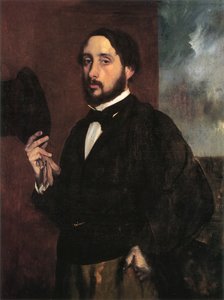
ჰაილერ გერმெய்ნ ეդგარ დეგასი
1834 - 1917 , საფრანგეთი
მოკლე ინფორმაცია
- Artistic Movement Or Style: იმპრესიონიზმი და რეალიზმი
- Artists Or Movements Influenced By This Artist: ['პიკასო და ჰენრი მატის პს']
- Artists Who Influenced This Artist:
- ჟან-შუสตე დონ ჟო დი ინგრეს
- გუსტავ კურბეტი
- Date Of Birth: 1834 წელი
- Date Of Death: 1917 წელი
- Full Name: Hilaire-Germain-Edgar De Gas
- Nationality: ფრანგილია
- Notable Artworks:
- მსხვილობრინდა მუსხვი და ტამბურინა
- ბალეტი სცენის დებაჲ
- დეგასი მწვანე კორკეტითი
- მფ რაჩქსე სხეპები და სძრაჩქე მძრაველები
- Place Of Birth: პარისი საფრანგეთი