

 ნახვა ინტერьерში
 გაგზავნა
 გაზიარება
 დეტალები
 გზამკვლევი

 ჩამოტვირთვა
 მსგავსები
 რენტგენოგრაფიული კვლევა
 სლაიდშოუ
 სტატისტიკა
At the Races - Before the Start


 სრული ტექსტის ნახვა
შეიძინეთ მაღალი რეზოლუციის, გაუმჯობესებული ციფრული გამოსახულება, რომელიც ხარისხით ბევრად აღემატება ონლაინ წინასწარ ნახვას.
თითოეულ ფაილს ჩვენი შიდა სპეციალისტები საგულდაგულოდ ამზადებენ თანამედროვე ინსტრუმენტებისა და პროფესიონალური რეტუშირების გამოყენებით. ჩვენ უზრუნველყოფთ, რომ თითოეულ გამოსახულებას ჰქონდეს გამორჩეული სიცხადე, ფერების ზუსტი გადაცემა და დეტალიზაცია.
დასრულებული ფაილი ელექტრონული ფოსტით 72 საათში გიგზავნით; იგი ოპტიმიზებულია პროფესიონალური, რედაქციული და პოლიგრაფიული გამოყენებისთვის. ეს არის ისეთივე ხარისხი, რომელსაც წამყვანი დიზაინ-სტუდიები, გამომცემლობები და გალერეები ენდობიან.
ციფრული გამოსახულება
ჩამოტვირთეთ მაღალი გარჩევადობის ფაილი პირადი გამოყენებისთვის, დასაბეჭდად და შემოქმედებითი პროექტებისთვის. ( გადართვა ბეჭდვის რეჟიმზე შეიძინეთ ხელით შესრულებული ნახატი)
ყოველ ციფრულ გამოსახულების შეკვეთაში შედის
გარანტირებული პროფესიონალური ციფრული მიწოდება
როდესაც ირჩევთ OriginalUniqueArt.com-ს, თქვენ მხოლოდ სურათს კი არ იღებთ, არამედ იღებთ პროფესიონალურად დამუშავებულ ციფრულ ნამუშევარს, რომელიც შექმნილია უზადო სიზუსტით და დაცულია კმაყოფილების გარანტიით. თქვენს შეკვეთას ავტომატურად მოჰყვება შემდეგი:

სწრაფი ელექტრონული მიწოდება
თქვენს მაღალი რეზოლუციის ციფრულ გამოსახულებას შეკვეთის დაწყებიდან 72 საათში ელექტრონული ფოსტით მიიღებთ — ის მზად იქნება დაუყოვნებლივი გამოყენებისთვის.

ხელოვნური ინტელექტით გაუმჯობესებული ციფრული ფაილი
თქვენი ხელოვნების ნიმუშები პროფესიონალურად არის ოპტიმიზებული მოწინავე AI ინსტრუმენტებისა და მექანიკური რედაქტირების მეშვეობით, რაც უზრუნველყოფს მაქსიმალურ დეტალიზაციას, სიცხადესა და ფერების სიზუსტეს.

ციფრული გამოსახულებების უფასო სამუდამო ხელახალი მიღება
ფაილი შემთხვევით წაიშალა ან დაკარგეთ? ნუបედავთ — ჩვენ მას ნებისმიერ დროს, უფასოდ ხელახლა გამოგეგზავნით.

იმპორტის გადასახადების გარეშე — ყოველთვის
ჭიდად ისიამოვნეთ თქვენი ნამუშევრით მყისიერად, საბაჟო გადასახადის, მოსაკრებლის ან მიწოდების ხარჯის გარეშე - ციფრული ჩამტვირთვისას ყოველთვის საგადასახადო თავისუფლებაა.

ფერების სიზუსტის გარანტია
პროფესიონალური ინსტრუმენტებისა და ფერების მართვის სისტემის გამოყენებით, ჩვენ უზრუნველყოფთ, რომ თქვენი ციფრული გამოსახულება მაქსიმალურად ზუსტად ასახავდეს ორიგინალურ ფერებს.

კმაყოფილების 100-დღიანი გარანტია
თუ თქვენ არ დაკმაყოფილებული ხართ თქვენი ციფრული გამოსახულებით, ჩვენ შევიტანთ მასში ცვლილებებს ან დაგიბრუნებთ 100% თანხას 100 დღის განმავლობაში — ყოველგვარი კითხვის დასმევის გარეშე.

100% თანხის დაბრუნების გარანტია
არ არის კმაყოფილი? მიიღეთ თანხის სრული დაბრუნება ციფრული ფაილის მიღებიდან 100 დღის განმავლობაში — ყოველგვარი დამატებითი კითხვების გარეშე.

ფასდაკლება დიდი რაოდენობით შეკვეთაზე
შეიძინეთ 3 გამოსახულება და მიიღეთ 10% ფასდაკლება - შეიძინეთ 5 და მიიღეთ 15% ფასდაკლება - შეიძინეთ 10+-ზე და მიიღეთ 20% ფასდაკლება. იდეალურია კრეატიული პროექტებისთვის, გალერეებისა და სააგენტოებისთვის.
A Moment of Anticipation: Degas’ “At the Races – Before the Start”
Edgar Degas' 1892 oil on canvas, *At the Races – Before the Start*, is more than just a depiction of a sporting event; it’s a masterclass in capturing fleeting moments and psychological tension. This work exemplifies Degas’ unique position within Impressionism—he wasn’t solely focused on light’s effects but deeply interested in portraying modern life with an analytical eye, blending observation with artistic innovation. The painting transports us to the charged atmosphere just *before* the thundering rush of hooves and the roar of the crowd.Decoding the Scene: Subject & Composition
The canvas is dominated by a dynamic arrangement of horses and jockeys poised at the starting line. Degas deliberately avoids a traditional, panoramic view of the race itself. Instead, he focuses on this pregnant pause – a moment brimming with contained energy. The composition isn’t centered; rather, it feels almost snapshot-like, as if we've stumbled upon this scene unexpectedly. Horses are positioned at varying angles, some restless and pawing the ground, others held in check by their riders. The jockeys themselves, clad in vibrant silks, add splashes of color against the more muted tones of the horses and landscape. A distant hill provides a subtle backdrop, suggesting depth without fully resolving into detailed scenery.Degas’ Artistic Signature: Style & Technique
At the Races – Before the Start showcases Degas' masterful handling of oil paint. His brushwork is loose and expressive, prioritizing capturing movement and texture over precise realism. Notice how he uses short, broken strokes to define the musculature of the horses and the folds in their riders’ clothing. This technique lends a sense of immediacy and vitality to the scene. Degas was fascinated by the challenges of depicting motion – a legacy of his earlier studies of anatomy and classical sculpture. He wasn't afraid to experiment with unconventional perspectives, cropping figures and employing asymmetrical compositions, all contributing to the painting’s modern feel. The color palette is restrained yet effective, relying on earthy tones punctuated by brighter accents, creating a harmonious balance between realism and artistic interpretation.Historical Context & Degas’ Obsession
Degas was captivated by horse racing throughout his career, producing numerous paintings, pastels, and sculptures dedicated to the subject. This fascination stemmed from several sources: the inherent drama of the sport, the elegance of the horses and riders, and the opportunity to study movement in its most dynamic form. The late 19th century saw a surge in popularity for horse racing as a leisure activity, particularly among the Parisian bourgeoisie. Degas’ paintings offer a glimpse into this world, capturing not just the spectacle but also the social context surrounding it. He wasn't simply documenting; he was interpreting and offering his own unique perspective on modern life.Symbolism & Emotional Resonance
While seemingly straightforward in its subject matter, *At the Races – Before the Start* carries subtle symbolic weight. The horses can be seen as representing power, freedom, and untamed energy. The jockeys, with their focused determination, embody human ambition and control. However, there’s also a sense of underlying tension—a premonition of the chaos and competition to come. This ambiguity is key to the painting's emotional impact. It evokes feelings of anticipation, excitement, and perhaps even a touch of anxiety. The scene isn’t about triumph; it’s about the moment *before* the struggle begins.A Timeless Masterpiece for Today
For Art Lovers: This painting is a prime example of Degas' genius and his contribution to Impressionism. It offers a compelling study in movement, composition, and psychological depth.- Its dynamic energy makes it a captivating focal point for any art collection.
- The restrained color palette ensures it complements a wide range of interior design styles.
- Its horizontal format is ideal for hallways, dining rooms, or above sofas.
- The painting’s earthy tones create a sense of warmth and grounding, while its vibrant accents add visual interest.
მხატვრის ბიოგრაფია
A Life Immersed in Movement
Edgar Degas, born Hilaire-Germain-Edgar De Gas on July 19, 1834, in Paris, France, stands as a figure of remarkable contradictions within the annals of art history. While often categorized alongside Impressionists—Monet, Renoir, and others who irrevocably transformed painting at the cusp of the late nineteenth century—Degas vehemently resisted this designation, asserting instead that he identified as a realist. This unwavering commitment stemmed from his meticulous observation of the world around him and an uncompromising dedication to portraying it with unflinching honesty. His formative years were comfortably bourgeois; his father served as a banker, and his mother descended from Creole lineage in New Orleans—a heritage that afforded him access to education and artistic training, though he frequently chafed against academic constraints. He commenced his formal schooling at the Lycée Louis-le-Grand but discovered his true vocation when he began copying works within the Louvre, honing his skills and igniting a lifelong passion for classical art. However, Degas’s artistic trajectory wasn't one of rigid adherence to tradition; it was characterized by constant questioning and reassessment of artistic norms—a trait that would define his entire career. He possessed an independent spirit that distinguished him from many of his contemporaries and cemented his place as a pioneer of modern art.Early Life and Artistic Foundations
Degas’s upbringing instilled in him a profound appreciation for intellectual pursuits alongside familial stability. His father's profession provided financial security, allowing him to pursue artistic endeavors without undue worry—a circumstance that contrasted sharply with the aspirations of many aspiring artists at the time. He received an exceptional education, focusing on drawing and sculpture, disciplines that would prove instrumental in shaping his distinctive style. Notably, he diligently studied the works of Jean-Auguste-Dominique Ingres, whose meticulous draftsmanship and emphasis on idealized form profoundly influenced Degas’s artistic sensibilities. This early exposure to classical art served as a bedrock upon which he built his own innovative approach—a synthesis of tradition and experimentation that would become his hallmark. The Louvre became his classroom, where he absorbed the techniques and aesthetics of masters past, preparing himself for the challenges of forging his own path in the burgeoning artistic landscape.Beyond Impressionism: A Singular Artistic Vision
Despite aligning with Impressionists like Monet and Renoir—artists who championed capturing fleeting moments of light and color outdoors—Degas stubbornly resisted categorization within this movement. He prioritized working independently in his studio, constructing scenes from observation and memory rather than relying on plein air techniques. This deliberate choice reflected a fundamental divergence from prevailing artistic trends and underscored his unwavering belief in the primacy of personal vision. His subject matter deliberately eschewed historical or mythological narratives favored by academic painters; instead, he found inspiration in the everyday realities of Parisian life—the bustling marketplaces, the lively cafes, and most notably, the world of ballet. He wasn’t merely interested in depicting beautiful dancers; he sought to capture the grueling physicality and psychological complexities inherent in their profession—a task that demanded painstaking attention to detail and a willingness to confront uncomfortable truths about human experience.The Ballet Class: A Masterpiece of Observation
Perhaps Degas's most iconic achievement resides in his series of paintings depicting ballet classes—works that exemplify his unparalleled mastery of draftsmanship and his ability to convey movement with breathtaking precision. Unlike Impressionists who attempted to capture the ephemeral effects of light, Degas meticulously documented the physical exertion and emotional intensity of dancers preparing for performances. His compositions are unconventional, cropping figures in unexpected ways and utilizing asymmetrical arrangements that create a palpable sense of dynamism—a technique that distinguishes him from his peers and elevates his art beyond mere visual representation. He captured not just what was seen but also what was felt—the strain on muscles, the concentration on faces, and the subtle gestures of movement that communicated both discipline and passion. The resulting images are imbued with a remarkable immediacy and authenticity, reflecting Degas’s unwavering commitment to portraying reality without embellishment or sentimentality.Legacy and Influence
Edgar Degas died September 27, 1917, in Paris—leaving behind an oeuvre that continues to resonate powerfully within the artistic canon. His pioneering approach to composition, his exceptional draftsmanship, and his unflinching portrayal of modern life profoundly impacted subsequent generations of artists—most notably Pablo Picasso and Henri Matisse. He challenged academic conventions and championed a new aesthetic sensibility characterized by spontaneity and psychological depth—a legacy that persists today as museums worldwide showcase his paintings, sculptures, prints, and drawings. Degas’s influence extends far beyond the immediate stylistic innovations he engendered; he fundamentally altered perceptions of artistic expression and solidified his position as one of the most influential figures in twentieth-century art. He remains a testament to the transformative power of observation and the enduring beauty of uncompromising artistic integrity.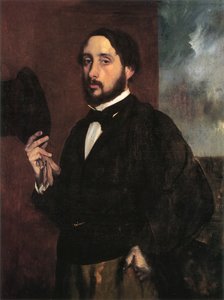
ჰაილერ გერმெய்ნ ეդგარ დეგასი
1834 - 1917 , საფრანგეთი
მოკლე მიმოხილვა
- Artistic Movement Or Style: იმპრესიონიზმი და რეალიზმი
- Artists Or Movements Influenced By This Artist: ['პიკასო და ჰენრი მატის პს']
- Artists Who Influenced This Artist:
- ჟან-შუสตე დონ ჟო დი ინგრეს
- გუსტავ კურბეტი
- Date Of Birth: 1834 წელი
- Date Of Death: 1917 წელი
- Full Name: Hilaire-Germain-Edgar De Gas
- Nationality: ფრანგილია
- Notable Artworks:
- მსხვილობრინდა მუსხვი და ტამბურინა
- ბალეტი სცენის დებაჲ
- დეგასი მწვანე კორკეტითი
- მფ რაჩქსე სხეპები და სძრაჩქე მძრაველები
- Place Of Birth: პარისი საფრანგეთი