- მთავარი გვერდი

- ზეთის ტილოზე რეპროდუქცია
- იერონიმ ბოსხ
- آخر التحكيم (تفاصيل)
 ნაბეჭდის შეძენა გამოსახულების შეძენა
 გაგზავნა
 გაზიარება
 დეტალები
 დამატება ფავორიტებში

 ჩამოტვირთვა
 მსგავსები
 რენტგენოგრაფიული კვლევა
 სლაიდშოუ
آخر التحكيم (تفاصيل)
 ზეთის საღებავი მყარ პანელზე
- სხვა
- Northern Renaissance
 1505
1505- რენესანსი
 127.0 x 163.0 cm
 Academy of Fine Arts Vienna
 გადასართად დაწვრილებით ნახეთ
ხელით ნაკვეთი ზეთის ტილოს რეპროდუქცია
ტილოზე შესრულებული ფერწერიანი ზეთប្រდათი, თქვენთვის სასურველი ზომისა და ჩარჩოსთვის, ჩვენი ხელოვანების მიერ შეკვეთის საფუძველზე დამზადებული.




































აირჩიეთ ჩვენს მიერ წინასწარ განსაზღვრული ზომებიდან, რომლებიც ნაწარმოების ორიგინალურ პროპორციებს შეესაბამება.

თქვენ შეგიძლიათ მიუთითოთ თქვენთვის სასურველი ზომები კონკრეტული ჩარჩოს ან სივრცის შესაბამისად. თუ თქვენ მიერ არჩეული ზომა არ შეესაბამება ორიგინალი გამოსახულების პროპორციებს, ჩვენ ან შევაჭრებთ ნაწარმოებს, ან ტილოზე დავამატებთ ხელით მოხატულ ელემენტებს. წარმოების დაწყებამდე, დამტკიცებისთვის გამოგეგზავნებათ ციფრული მაკეტი.
გთხოვთ, გაითვალისწინოთ, რომ ეკრანზე ნაჩვენები წინასწარი შეხედულება არ ასახავს რეალურ შეჭრას ან გაფართოებას. საბოლოო კომპოზიციას ზუსტად მხოლოდ მაკეტი წარმოაჩენს.
მიუხედავად იმისა, რომ შესაძლებელია ინდივიდუალური ზომების შერჩევა, ორიგინალური პროპორციების შენარჩუნებისათვის გირჩევთ, გამოიყენოთ წინასწარ განსაზღვრული სიის ზომები.
შეკვეთის შემდეგ, OriginalUniqueArt.com გუნდი დაგიკავშირდებათ ელექტრონული ფოსტით ინსტრუქციებისთვის და გამოგიგზავნით წინასწარ ნახაზს (mockup).
მიწოდება მსოფლიო მასშტაბით -ში 3/4 კვირაში, სტანდარტული 5 კვირის ნაცვლად. (16 ივლისი). ხარისხზე კომპრომისის გაკეთება არ მოხდება.

უფასო ექსპრეს მიწოდება მთელ მსოფლიოში

საბამად მაღალი ხარისხის ტილო

სრული ტრანსპორტირების დაზღვევა

საბაჟო გადასახადების დაბრუნების გარანტია

ფერების სრული შესაბამისობის გარანტია

60-დღიანი დაბრუნების პოლიტიკა (მხოლოდ დეფექტის შემთხვევაში)

100% თანხის დაბრუნების გარანტია

ფასდაკლება დიდი რაოდენობით შეკვეთისას
 მინის ჩარჩოს არჩევანი ხელმისაწვდომია მხოლოდ 110 სმ-ზე ნაკლები ზომისთვის

آخر التحكيم (تفاصيل)
რეკლამაციის ტექნიკა
რეკლამაციის ზომა
-


საბოლოო ფასი
-
ნაწარმოების აღწერა
ჰიერონიმაუს ბოსხის "საბოლოო სასჯური" (ფრაგმენტი): ღირებულების მძიმე სიმართლე
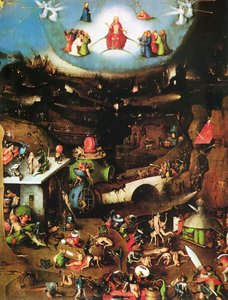
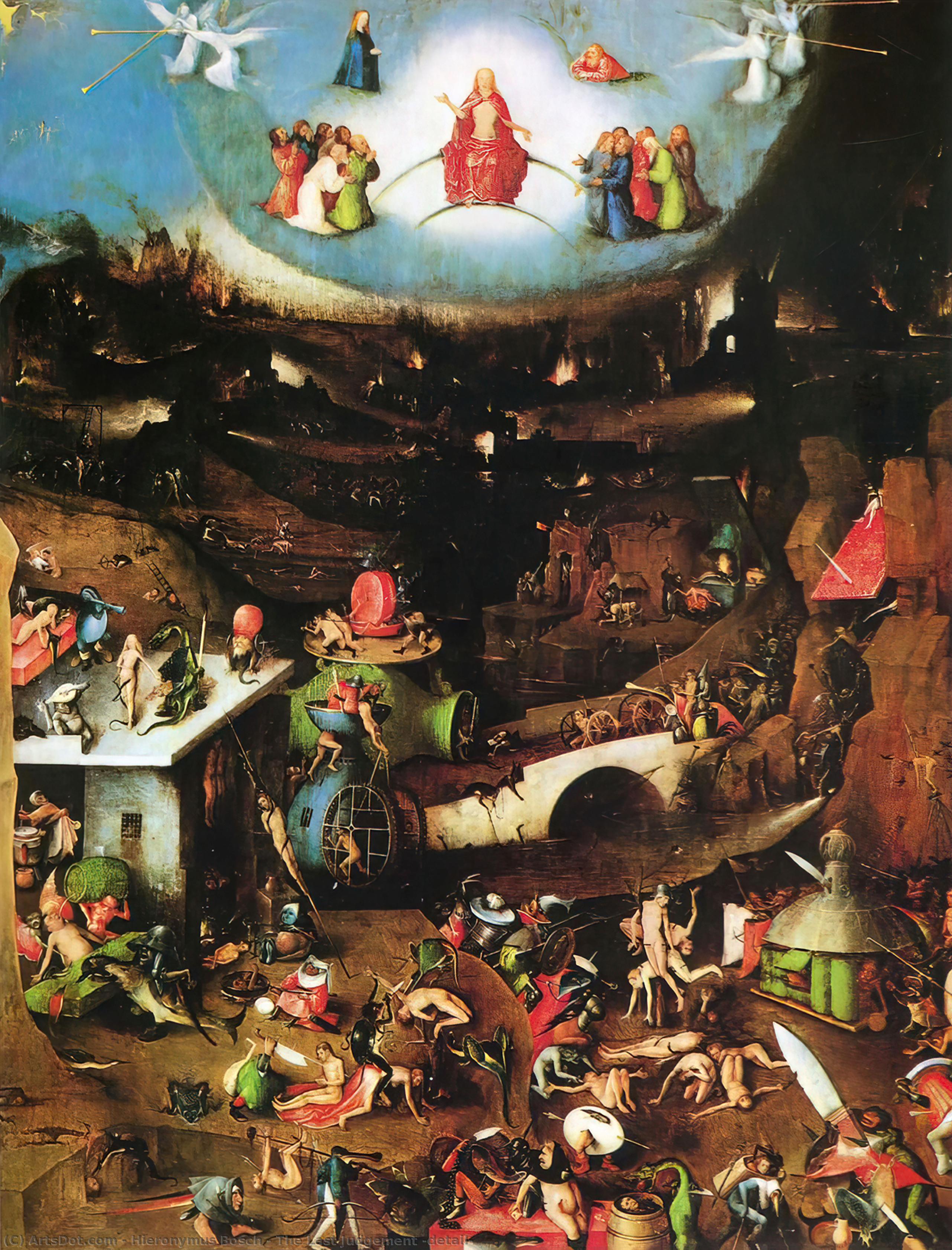
ჰიერონიმაუს ბოსხი, ნიდერლანდელი რენესანსის ერთ-ერთი ყველაზე სა谜რი და გამორჩეული მხატვარი, თავისი "საბოლოო სასჯურის" (ფრაგმენტი) მეშვეობით, გვაქცევს შიშველ, მაგრამ მომხიბლავ სამყაროში. ეს ნაწარმოები, რომელიც დაახლოებით 1505 წელს შეიქმნა, არის ჩანჩქერისებრი ხედი ადამიანის ბოროტებისკენ სწრაფვისა და ღვთიური განკითხვის წინაშე მისი უძლევრობისა. ნაწარმოებში გამოცდილებული ფერები, სიმბოლოები და კომპოზიცია ერთად ქმნიან შოკისმომგვრელ, მაგრამ საინტერესო სანახაობას.
სტილი და ტექnika: ჩრდილოეთის რენესანსის უნიკალური ხედვა
ბოსხი იყო ჩრდილოეთის რენესანსის ერთ-ერთი ყველაზე მნიშვნელოვანი წარმომადგენელი, რომელმაც თავისი ნაწარმოებებში დეტალურობა, კომპოზიციური სიახლე და ღრმა მორალური თუ რელიგიური თემები გააერთიანა. "საბოლოო სასჯურის" (ფრაგმენტი) შემთხვევაში, მხატვარი უპირველეს ყოვლისა, ადამიანის ბნელს შინაგანი სამყაროს აღიქვამს. მისი გამოყენებული ტექnika – ზეთის ფერწერა ხისა მასზე – საშუალებას აძლევს, წარმოაჩინოს კომპლექსური დეტალები და შექმნას განსაკუთრებული კონტრასტი ნათლივსა და სიბნელს შორის. ფერის გამე არის მდიდარი და متنوعი: გამდიდრებული, მიწისფერი ტონები ჭარბობს ქვედა ნაწილში, რაც ბნელებასა და ქაოსს აღნიშნავს, ხოლო ზედა ნაწილში უფრო 밝ი ფერები სიმკვრეველსა და სისუფთავეს ასახავს. ეს კონტრასტი კიდევ უფრო ხაზს უსვამს განკითხვის თემას.
ისტორიული კონტექსტი: შუა საუკუნეების ბოლოს რელიგიური და კულტურული ფონია
"საბოლოო სასჯურის" (ფრაგმენტი) შექმნის პერიოდი იყო შუა საუკუნეების ბოლოს, როდესაც ევროპაში მზარდი რელიგიური აღვივრება და სოციალური 불안ობა აგორებდა. ბოსხის ნაწარმოებები ასახავს იმ დროს არსებულ რელიგიურ შეხედულებებსა და შიშებს ადამიანის ცოდვის მიმართ. მხატვარი არ არის მხოლოდ რელიგიური მოძღვრების გამომსვლავი, არამედ ისტორიული კონტექსტის კრიტიკოსიცაა, რომელიც ადამიანის ბოროტებისკენ სწრაფვას გულწრფელად აცახებს. ეს ნაწარმოები არის იმ პერიოდის სინამდვილის ანარეკლი, როდესაც ადამიანს ეშინოდა განკითხვისა და მარადირი სასჯელის.
სიმბოლიზმი: დამალული მნიშვნელობების ენციკლოპედია
ბოსხის ნაწარმოებები მჭიდროდ არის სავსე სიმბოლოებით, რომლებიც გულმოდგინად ასახავს ადამიანის ცოდვებსა და მათი შედეგებს. ნაწარმოებში გვხვდება სხვადასხვა სახის სასტიკი იარაღები, შიშველი ადამიანები, რომლებიც ტკივილს განიცდიან, და წარმოუდგენელი არსებები, რომლებიც განკითხვის სიმძიმეს ამყარებენ. მუსიკალური ინსტრუმენტები, ხილი და არქიტექტურული ნაწილები სიმბოლურად წარმოადგენენ ადამიანის მიწიერი სურვილებსა და მათი ცოდნას. ყოველი დეტალი არის დამალებული მნიშვნელობის კარი, რომელიც მკითხველს მოუწოდებს ღრმად იფიქროს საკუთარ არსებობაზე და მის ადგილს სამყაროში. ეს სიმბოლური ენა ბოსხის ნაწარმოებებს უნიკალურსა და სა谜რის აძლევს, რაც მათ ხელოვნების ისტორიაში გამორჩეულად აქცევს.
ემოციური გავლენა: შიშის, იმედგვრევისა და განდიდების ნარევი
"საბოლოო სასჯურის" (ფრაგმენტი) დამთვალიერებელს ძლიერი ემოციური გამოცდილებას აძლევს. ნაწარმოები შიშსა და იმედგვრევას იწვევს, მაგრამ ის ასევე აღწერს განდიდების შესაძლებლობასაც. ბოსხი გვეუბნება, რომ ადამიანს აქვს არჩევანი: მიეცეს ბოროტებას თუ აჰყვეს სისუფთავეს. ეს ნაწარმოები არის არა მხოლოდ რელიგიური გაფრთხილება, არამედ ისტორიული დოკუმენტიც, რომელიც ასახავს ადამიანის არსებობის უმძიმესი კითხვებსა და გამოწვევებს.
მხატვრის ბიოგრაფია
Hieronymus Bosch – The Visionary Painter of Hell
Hieronymus Bosch remains one of art history’s most perplexing figures, a painter whose unsettling visions and profound moral allegories continue to captivate audiences centuries after his death in 1516. Born around 1450 in ’s-Hertogenbosch, Netherlands—then part of Brabant—Bosch emerged from a family steeped in artistic tradition, inheriting the skills and techniques of generations past. Yet, he swiftly distinguished himself from his predecessors, forging an utterly original style that would forever alter the landscape of Netherlandish painting. Biographical details are frustratingly sparse; records offer tantalizing glimpses but leave much to speculation, contributing to the artist’s enduring aura of mystery.- Early Life and Training: Little is known about Bosch's formative years beyond his birthplace and familial connections. He married Aleyt Goyaerts van den Meerveen sometime before 1481, securing a degree of financial stability through her family’s holdings. However, scholarly research has yielded scant information regarding his personal life or formative influences.
- The Style of Bosch: Bosch's artistic style is instantly recognizable—a masterful blend of meticulous detail and hallucinatory imagery. He primarily employed oil on oak panels, achieving luminous colors and intricate textures with remarkable precision. Unlike many of his contemporaries who adhered to established conventions, Bosch deliberately pushed boundaries, experimenting with innovative techniques and challenging conventional aesthetic standards.
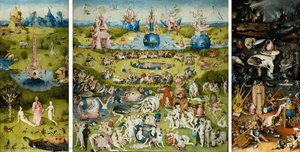
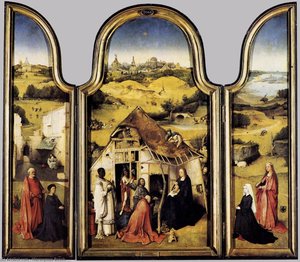
- Notable Works: Bosch’s oeuvre comprises approximately 25 paintings—a remarkably small number considering the artist's impact on subsequent generations of painters. Among his most celebrated masterpieces are *The Garden of Earthly Delights*, a monumental triptych depicting paradise, earthly desire, and hell; *The Last Judgement*, a dramatic portrayal of divine judgment; *Epiphany*, showcasing Bosch’s masterful use of oil paint and complex symbolism; and *The Ascension of the Blessed*, an ethereal depiction of heavenly ascension.
Symbolism and Moral Allegory: Decoding Bosch's Vision
Bosch’s paintings are not merely representations of visual reality; they are elaborate allegorical narratives designed to convey profound moral and theological messages. He employed a rich tapestry of symbols—grotesque creatures, fantastical animals, hybrid beings—to explore themes of sin, redemption, and the human condition. These images were deliberately unsettling, confronting viewers with disturbing depictions of earthly corruption and highlighting the inescapable consequences of immoral behavior. Bosch’s genius lay in his ability to transform familiar religious concepts into startling visual metaphors, prompting contemplation and challenging accepted dogma.- The Influence of Medieval Folklore: Scholars suggest that Bosch drew inspiration from medieval folklore—particularly tales of demons and saints—incorporating these narratives into his artistic vision. These stories served as a springboard for exploring anxieties about heresy and social upheaval, reflecting the turbulent intellectual climate of his time.
- Psychological Depth: Some historians contend that Bosch possessed remarkable insight into human psychology, anticipating concepts explored by Carl Jung—namely, the exploration of the unconscious mind. His paintings delve into realms beyond rational thought, confronting viewers with disturbing visions and prompting introspection about morality and spirituality.
Legacy and Influence on Subsequent Artists
Bosch’s impact on subsequent artists is undeniable. Pieter Bruegel the Elder directly adopted Bosch's stylistic conventions—particularly his penchant for depicting grotesque figures and moral allegories—establishing himself as a prominent heir to Bosch’s artistic legacy. Surrealist painters like Salvador Dalí and Max Ernst openly acknowledged their debt to Bosch’s dreamlike imagery and exploration of the subconscious, recognizing him as the progenitor of modern art.Conclusion: An Artist Ahead of His Time
Hieronymus Bosch remains an artist whose singular vision continues to inspire awe and provoke debate. He stands apart from his contemporaries—particularly Jan van Eyck—whose technique prioritized meticulous realism, favoring instead a style characterized by energetic brushwork and imaginative embellishment. Bosch’s enduring fascination stems from his ability to capture the anxieties of his era—fear of heresy, social unrest—while simultaneously elevating artistic expression beyond mere imitation. He died in 1516, leaving behind a body of work that transcends time, securing his place as one of art history's most unforgettable voices and cementing his status as the “first Surrealist.”
იერონიმ ბოსხ
1450 - 1516 , ნიდერლანდები
მოკლე ინფორმაცია
- Artistic Movement Or Style: Сюрреализм и Символизм
- Artists Who Influenced This Artist: ['Питер Брюгель Старший']
- Date Of Birth: c. 1450
- Date Of Death: 1516
- Full Name: Hieronymus Bosch
- Nationality: Нидерландцы
- Notable Artworks:
- Сад земных наслаждений
- Троица Последнего Суда
- Place Of Birth: Den Bosch, Нидерланды
დაკავშირებული სტატიები
The Northern Awakening: Artistic Innovation & Cultural Transformation in the German Renaissance
Explore the artistic innovation of the German Renaissance! Discover Dürer, the Danube School & Reformation art. Learn about techniques, materials & lasting influence. Find museum-quality reproductions at OriginalUniqueArt.
Dark Olive Green Masterpieces: 10 Iconic Paintings & Decor Ideas
Explore 10 iconic paintings where dark olive green reigns supreme! From Van Gogh to Rembrandt, discover art history's most captivating masterpieces & the stories behind them. Find museum-quality reproductions and curated decor ideas at .
Albrecht Altdorfer: Innovation, Spirituality & the Northern Renaissance Landscape
Explore the groundbreaking art of Albrecht Altdorfer, a pioneer of the Northern Renaissance's Danube School. Discover his innovative landscapes, spiritual symbolism & lasting influence on German painting.
Hieronymus Bosch: Decoding the Visions of a Netherlandish Master
Explore the captivating world of Hieronymus Bosch! Delve into the symbolism, religious context, and artistic innovation of this Netherlandish master with OriginalUniqueArt's expert analysis. Discover his iconic paintings & lasting influence.

The Northern Renaissance: A Flourishing of Realism, Religious Reform & Artistic Innovation
Explore the Northern Renaissance! Discover Jan van Eyck's innovations, religious shifts, & key artists of this influential period. Expert analysis and insights into Early Netherlandish painting at OriginalUniqueArt.