

 წინასწარი ნახვა
 გაგზავნა
 გაზიარება
 დეტალები

 ჩამოტვირთვა
 მსგავსები
 რენტგენოგრაფიული კვლევა
 სლაიდშოუ
 სტატისტიკა
The Artist's Hand V
 Lithograph
- WallArt
- Neo-Romanticism
 1979
1979- Modern
 26.0 x 19.0 cm
 Тეატრი ბრიტანია
 გადასართად დაწვრილებით ნახეთ
გიკლე / ხელოვნების პრინტი
მუზეუმის დონის ჟიკლე ან ტილოზე ბეჭდვა სწრაფი წარმოებისა და დასრულების მოქნილი ვარიანტებით. ( შეიძინეთ ხელით შესრულებული ნახატი გადასვლა ციფრულ გამოსახულებაზე)




P118B $10

P118H $10

P118W $10

P438Z $10

P508JH $12

P508YH $12

P805H $10

P805Z $10

P919BZ $10

P919G $10

P919XJ $10

P959ZH $10

P968JZ $12

W106C $8

W218G $10

W218JH $8

W218Y $10

W307PJ $10

W316G $10

W316PJ $8

W316Y $10

W398PJ $8

W4111J $10

W500HY $15

W500JH $15

W692G $12

W849H $8

W940BG $15

W953PJ $8




აირჩიეთ ჩვენს მიერ წინასწარ განსაზღვრული ზომებიდან, რომლებიც ნაწარმოების ორიგინალურ პროპორციებს შეესაბამება.

თქვენ შეგიძლიათ მიუთითოთ საკუთარი ზომები კონკრეტული ჩარჩოსთვის ან სივრცისთვის მოსარგებლებლად. თუ თქვენ მიერ არჩეული ზომა არ შეესაბამება ორიგინალი გამოსახულების პროპორციებს, ჩვენ ან დავჭრით ნამუშევარს, ან გავაფართოვებთ გამოსახულებას სარკული ან ერთფეროვანი კიდეებით. წარმოების დაწყებამდე თქვენს დასამტკიცებლად გამოგეგზავნებათ ციფრული მაკეტი.
გთხოვთ, გაითვალისწინოთ, რომ ეკრანზე ნაჩვენები წინასწარი ნახვა არ ასახავს რეალურ ჭრას ან გაფართოებას. მხოლოდ მაკეტზე იქნება ზუსტად წარმოდგენილი საბოლოო კომპოზიცია.
მიუხედავად იმისა, რომ ინდივიდუალური ზომები ხელმისაწვდომია, ორიგინალური პროპორციების შესანარჩუნებლად გირჩევთ, აირჩიოთ ზომა წინასწარ განსაზღვრული სიისგან.
მიწოდება მთელ მსოფლიოში () 2 კვირაში, სტანდარტული 4/5 კვირის ნაცვლად. (17 სექტემბერი)

უფასო ექსპრეს მიწოდება მთელ მსოფლიოში

საბამად მაღალი ხარისხის ტილო

სრული ტრანსპორტირების დაზღვევა

საბაჟო გადასახადების დაბრუნების გარანტია

ფერების სრული შესაბამისობის გარანტია

დაბრუნების 100-დღიანი პოლიტიკა (მხოლოდ დეფექტის შემთხვევაში)

100% თანხის დაბრუნების გარანტია

ფასდაკლება დიდი რაოდენობით შეკვეთისას
 მინის ჩარჩოს არჩევანი ხელმისაწვდომია მხოლოდ 110 სმ-ზე ნაკლები ზომისთვის

The Artist's Hand V
გიკლე / ხელოვნების პრინტი
რეკლამაციის ზომა
-


საბოლოო ფასი
$ 80
A Poignant Meditation on Creation
In the quiet intimacy of Henry Moore’s “The Artist's Hand V,” created in 1979, we are invited into a profound dialogue between the creator and his medium. This exquisite lithograph serves as more than a mere anatomical study; it is a soulful meditation on the very act of making. Through the outstretched gesture of Moore’s own hand, the artwork captures a moment of suspended animation, where the boundary between the sculptor and his subject begins to dissolve. The piece resonates with a sense of reaching—a physical manifestation of the human desire to touch, to shape, and to leave an indelible mark upon the world. For the discerning collector or interior designer, this work offers a sophisticated focal point that brings both intellectual depth and a serene, contemplative energy to any curated space.
Executed in the evocative style of Neo-Romanticism, the print eschews clinical precision in favor of emotional resonance and organic truth. Moore, a master of capturing the essence of form, utilizes a delicate four-color lithograph process—incorporating shades of black, brown, light-brown, and yellow-brown—to breathe life into the Rives paper. This careful selection of tones allows for subtle gradations of shadow and light, creating a sculptural depth that mimics the three-dimensional qualities of his famous bronze works. The texture of the print, achieved through the meticulous printing technique of Curwen Prints Ltd., London, provides a tactile quality that invites the eye to linger on every crease and contour of the reaching fingers.
The Legacy of Form and Nature
To understand the gravity of this work, one must look to the landscape of Moore’s soul. Born in the rugged mining town of Castleford, Yorkshire, Moore’s aesthetic was forever shaped by the undulating hills and weathered stones of his homeland. In “The Artist's Hand V,” we see the echoes of that landscape reflected in the organic, almost geological rhythm of the hand itself. His ability to bridge the gap between the human figure and the natural world is at its zenith here; the hand does not merely represent flesh and bone, but rather a force of nature, much like the trees and animal skeletons that defined his monumental sculptures.
The historical significance of this piece is further heightened by its rarity. As part of an edition of only 50 numbered prints, it carries the prestige of a limited treasure, making it an exceptional acquisition for those who value exclusivity and art historical importance. Whether placed in a sunlit studio or a formal gallery setting, this lithograph acts as a bridge to the twentieth century's most significant sculptural legacy. It is a piece that does not demand attention through loudness, but commands it through its quiet, enduring strength—a timeless tribute to the enduring spirit of human creativity.
მხატვრის ბიოგრაფია
A Life Sculpted in Form: The World of Henry Moore
Henry Spencer Moore, OM CH FBA (30 July 1898 – 31 August 1986) was an English visual artist. He is best known for his semi-abstract monumental bronze sculptures—particularly the reclining figures—which revolutionized modern British sculpture and established him as one of the most influential artists of the twentieth century. Born in Castleford, Yorkshire, Moore’s early life was marked by a profound connection to the landscape and a nascent talent for sculpting that would define his artistic trajectory. His father, Raymond Spencer Moore, instilled in him a love for learning and encouraged him to pursue intellectual pursuits rather than follow the traditional path of a miner—a decision that proved pivotal in shaping Moore’s worldview.Early Influences and Artistic Education
Moore's formal artistic education began at Castleford Secondary School where his teacher recognized his exceptional aptitude for modeling clay and carving wood. Recognizing this talent, he subsequently enrolled at Leeds School of Art and later excelled at the Royal College of Art in London, immersing himself in the study of classical sculpture alongside pioneering movements like Cubism. However, Moore’s artistic vision transcended mere stylistic imitation; he synthesized these influences into a uniquely personal aesthetic—characterized by an unwavering focus on exploring form, volume, and space through abstraction. This formative period witnessed his encounter with pre-Columbian sculptures in Mexico during 1925—a transformative experience that liberated him from representational constraints and ignited his fascination with simplified geometric forms.The Birth of the Reclining Figure
Moore’s breakthrough came with the creation of *Reclining Figure: 1951*, arguably his most iconic sculpture. Departing radically from traditional anatomical depictions, Moore sculpted a figure lying horizontally on its side—a gesture that simultaneously embodies stillness and dynamism. The undulating curves of the bronze surface evoke the contours of the Yorkshire hills—reflecting Moore’s deep appreciation for the natural world and informing his sculptural process. This monumental piece became synonymous with Moore's artistic style—demonstrating his mastery of form and space while capturing a profound sense of human vulnerability and resilience. He continued to refine this technique throughout his career, experimenting with voids and perforations that created mesmerizing patterns of light and shadow—further enhancing the sculpture’s expressive power.Wartime Reflections and Public Commissions
The Second World War profoundly impacted Moore's artistic output. Driven by a desire to document the experiences of Londoners sheltering from the Blitz, he embarked on a series of evocative drawings capturing the fear, determination, and communal spirit of the era. These *Shelter Drawings*, executed with meticulous detail—revealing an astonishing ability to translate sculptural principles into two-dimensional form—became invaluable historical records while simultaneously demonstrating Moore’s unwavering commitment to artistic innovation. Following the war, he received numerous prestigious commissions—allowing him to create monumental sculptures for public spaces across Britain and internationally—solidifying his reputation as a leading figure in modern sculpture and furthering his belief that art should serve as a catalyst for social engagement.Legacy and Enduring Influence
Henry Moore’s legacy extends far beyond the realm of sculpture itself. He fundamentally reshaped perceptions of form and space—challenging conventions and inspiring generations of artists to embrace abstraction as a means of conveying emotion and exploring philosophical concepts. His sculptures stand as enduring symbols of human creativity—testaments to his unwavering dedication to artistic exploration and his profound connection to both the natural world and the human condition. Moore’s influence can be seen in countless subsequent artworks—spanning diverse mediums and stylistic approaches—underscoring the transformative power of his vision and cementing his place among the most revered artists of the twentieth century.- Notable Sculptures: Reclining Figure, Family Group, Venus and Adonis
- Influences: Classical Sculpture, Cubism, Surrealism
- Awards & Recognition: OM CH FBA (Order of Merit Companion Honorary Fellow British Academy)

ჰენრი ლამბი
1898 - 1986 , ინგლისი
მოკლე ინფორმაცია
- Artistic Movement Or Style: მოდერნისტური სტილი და მორდაშა სტილი
- Artists Or Movements Influenced By This Artist: ['კლასიკური სკულპტურა']
- Artists Who Influenced This Artist:
- ჯონ ჰენრი ტვაქტმანი
- კუბიზმი
- Date Of Birth: 1898 წლის ივლისი 30
- Date Of Death: 1986 წლის აგვისტო 31
- Full Name: ჰენრი ლამბი კუმბის ბისსეტში უილიტშირში
- Nationality: ინგლისელი
- Notable Artworks:
- მწვანე ბაღი კუმბის ბისსეტში უილიტშირში
- გლოსტერის სახლები
- მწვანე ხიდი ზამთრიაში
- Place Of Birth: კასტლფərd სკოოლ ბისსეტში უილიტშირში
დაკავშირებული სტატიები

Designing Your Forever Space: An Expert Guide to Elevating Your New Home with Neo-Abstract Art
Elevate your first home with the bold energy of Neo-Abstract Art. Our expert guide helps newlyweds master modern geometric compositions, textures, and color palettes. Discover how custom hand-painted oils and multi-panel designs can transform your new space into a curated masterpiece.

Neo-Abstract Art: The High-Impact Evolution of Modern Visual Energy and Geometric Sophistication
Discover the power of Neo-Abstract art. Explore how bold geometric forms and high-impact visual energy are redefining modern design. Learn to curate sophisticated, high-energy spaces with the latest trends in contemporary abstraction and structural color.

Bronze Sculptures That Defined Art History | OriginalUniqueArt
Journey through art history with our Top 10 bronze sculptures! Explore masterpieces by Rodin, Michelangelo & more. Discover stories behind iconic statues and find museum-quality reproductions for your home decor at OriginalUniqueArt.com.
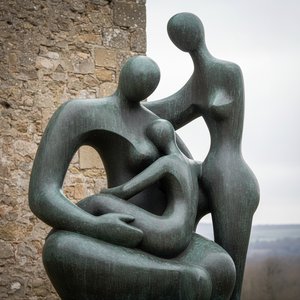
Henry Moore: Sculpting Modernity – Form, Emotion & the Human Condition
Explore the revolutionary sculptures of Henry Moore – abstract forms, reclining figures & powerful expressions of the human condition. Discover his legacy & artistic process with OriginalUniqueArt.

ანრი მატისის 25 შედევრი: ფერების სიმფონია თქვენს სახლში | OriginalUniqueArt.com
გაიცანით ანრი მატისის 25 შედევრი! ფოვიზმის ბრწყინვალება, ფერადი პორტრეტები და უნიკალური სტილი. ხელოვნების ისტორია OriginalUniqueArt.com-ზე - მაღალი ხარისხის რეპროდუქციები თქვენი სახლისთვის. აღმოაჩინეთ მთელი კოლექცია ონლაინ!


