
 გაგზავნა
 გაზიარება
 დეტალები
 გზამკვლევი

 ჩამოტვირთვა
 მსგავსები
 სლაიდშოუ
 კითხვა-პასუხი
 სტატისტიკა
მხე ნაჭ ყავება


 სრული ტექსტის ნახვა
გიკლე / ხელოვნების პრინტი
მუზეუმის დონის ჟიკლე ან ტილოზე ბეჭდვა სწრაფი წარმოებისა და დასრულების მოქნილი ვარიანტებით. ( შეიძინეთ ხელით შესრულებული ნახატი გადასვლა ციფრულ გამოსახულებაზე)




































აირჩიეთ ჩვენს მიერ წინასწარ განსაზღვრული ზომებიდან, რომლებიც ნაწარმოების ორიგინალურ პროპორციებს შეესაბამება.

შეიყვანეთ თქვენთვის საჭირო სიგანე და სიმაღლე, რათა იგი მოერგოს თქვენს ჩარჩოს ან კედელს. ბეჭდვისას შესაძლებელია მხოლოდ მისი შემცირება და არა გაზრდა, ამიტომ სხვა ფორმის ზომის შემთხვევაში გამოსახულება ნაწილობრივ იკარგება. სანამ რაიმეს დაბეჭდავთ, ჩვენ გამოგიგზავნით ციფრულ მაკეტს დასდასტურებლად. ამ გვერდზე ნაჩვენები სურათი არ ასახავს რეალურ ჭრას — ამას მხოლოდ მაკეტი გვიჩვენებს.
მიწოდება მთელ მსოფლიოში () 2 კვირაში, სტანდარტული 4/5 კვირის ნაცვლად. (5 ნოემბერი)

უფასო ექსპრეს მიწოდება მთელ მსოფლიოში

მაღალი ხარისხის ტილო

ტრანსპორტირების სრული დაზღვევა

საბაჟო გადასახადების დაბრუნების გარანტია

ფერების სრული შესაბამისობის გარანტია

დაბრუნების 100-დღიანი პერიოდი (მხოლოდ წარმოების დეფექტის შემთხვევაში)

100% თანხის სრული დაბრუნების გარანტია

ფასდაკლება დიდი რაოდენობით შეკვეთისას
 მინის ჩარჩოს არჩევანი ხელმისაწვდომია მხოლოდ 110 სმ-მდე ზომისთვის

მხე ნაჭ ყავება
გიკლე / ხელოვნების პრინტი
რეპროდუქციის ზომა
-


ჯამური ღირებულება
₾ 210
Henry Kirke Brown – “The Choosing of the Arrow” – A Pioneer’s Vision
Henry Kirke Brown (1814–1886) stands as an undeniable cornerstone of American sculpture, recognized not merely for his prolific output but also for his groundbreaking approach to artistic expression—a harmonious blend of Italian Renaissance ideals with distinctly American sensibilities. Born in Leiden, Massachusetts, he embarked on a creative journey characterized by early talent and unwavering dedication, ultimately establishing himself as one of the nation’s foremost sculptors and a fervent advocate for bronze casting techniques. His legacy transcends mere craftsmanship; it embodies a pivotal moment in bridging European artistic heritage with burgeoning American identity. ### Inspiration from Renaissance Ideals & The Michigan Landscape Brown's artistic vision was profoundly influenced by the sculptural achievements of Michelangelo and Leonardo da Vinci – masters who championed idealized human form and masterful anatomical detail. This fascination manifested itself vividly during his formative years, spent honing his skills under Chester Harding in Boston, where he gained foundational knowledge of painting alongside sculpting principles. However, it was his summers working as a railroad engineer—a practical endeavor that simultaneously fostered discipline and fueled ambition—that propelled him toward formal artistic training. Crucially, these experiences instilled an appreciation for observation and meticulous rendering, qualities that would become hallmarks of his oeuvre. Notably, Brown’s journey to Michigan’s Mackinac Island in Lake Huron served as a catalyst for capturing the spirit of Native American culture – specifically, a gathering of Chippewa and Ottawa peoples – directly informing “The Choosing of the Arrow.” ### Technique & Material Considerations: Bronze Casting - A Revolutionary Advancement “The Choosing of the Arrow,” created in 1849, represents a monumental achievement not only aesthetically but also technologically. Commissioned for an American Art Union lottery exhibition, Brown undertook extensive research into bronze casting methods – techniques that were still largely undeveloped in America at the time. He meticulously studied Italian Renaissance practices and adapted them to his own studio, demonstrating remarkable ingenuity and securing a place among the pioneers of this transformative medium. The sculpture’s surface is remarkably smooth and polished, achieved through painstaking sanding and polishing processes—a testament to Brown's dedication to achieving unparalleled realism. The bronze itself was cast using sand casting techniques, ensuring structural integrity while preserving subtle textural nuances. ### Symbolism & Narrative Resonance: An Icon of American Identity The statue depicts a nude male figure reaching for an arrow from his quiver – a gesture laden with symbolic significance. Scholars interpret this pose as representing aspiration, courage, and the pursuit of spiritual enlightenment—themes central to Renaissance humanist thought. Simultaneously, it embodies the spirit of the American frontier, reflecting Brown’s fascination with Native American culture and portraying a man actively engaged in connecting with nature. The deliberate positioning of the figure against a muted green backdrop reinforces this connection to the landscape, emphasizing tranquility and contemplation. “The Choosing of the Arrow” is more than just a sculpture; it's a visual embodiment of America's formative years—a celebration of artistic innovation and humanist ideals. ### Emotional Impact & Artistic Legacy: A Timeless Masterpiece “The Choosing of the Arrow” continues to captivate viewers today with its serene beauty and masterful execution. Its enduring appeal lies in Brown’s ability to convey profound emotion through form and gesture – a skill that distinguishes him from many of his contemporaries. The sculpture's polished surface reflects light beautifully, creating an illusion of depth and vitality—a testament to the sculptor’s technical prowess. It stands as a powerful reminder of the transformative potential of artistic inspiration and serves as an exemplar of American sculpture’s contribution to the broader canon of Western art history. Its presence in museums like Colby College underscores its significance as a cultural treasure, inviting contemplation and fostering appreciation for Brown's visionary artistry.კითხვები და პასუხები
რამდენად პოპულარულია „მხე ნაჭ ყავება“ American Renaissance-ის ფარგლებში?
American Renaissance მიმდინარეობის ფარგლებში, ნამუშევარი „მხე ნაჭ ყავება“ ფლობს აღიარებული პოპულარობის დონეს.
რა ზომა და ორიენტაციაა რეკომენდებული Henry Kirke Brown-ის „მხე ნაჭ ყავება“-ის ბეჭდვისთვის?
„მხე ნაჭ ყავება“-ისთვის რეკომენდებული ბეჭდვის პარამეტრებია დიდი ზომა და პორტრეტული ორიენტაცია ორიენტაცია.
რა გაჯერებულობასა და ინტენსივობას ავლენს Henry Kirke Brown-ის „მხე ნაჭ ყავება“?
Henry Kirke Brown-ის „მხე ნაჭ ყავება“-ში ფიქსირდება ბალანსირებული რბილი გაჯერებულობა და ბალანსირებული ინტენსივობა.
მხატვრის ბიოგრაფია
The Sculptor Who Bridged Italy and America
Henry Kirke Brown stands as a pivotal figure in the history of American sculpture, recognized not merely for his prolific output but also for his pioneering approach to artistic expression—a synthesis of Italian Renaissance ideals with distinctly American sensibilities. Born in 1814 in Leyden, Massachusetts, he embarked on an artistic journey marked by early talent and unwavering dedication, ultimately establishing himself as one of the nation’s foremost sculptors and a champion of bronze casting techniques. His life was a testament to the pursuit of a unique national identity through the medium of stone and metal.
Brown's formative years were spent honing his craft under the tutelage of Chester Harding in Boston, where he gained foundational knowledge of painting. However, his path to mastery was far from traditional; his summers working as a railroad engineer provided a practical endeavor that simultaneously offered financial stability and instilled a disciplined work ethic. This unique background would prove invaluable later in his life, informing his deep understanding of form, structure, and the physical demands of monumental sculpture. Through extensive study of modeling, he prepared himself for the rigorous process of bringing massive, enduring works to life.
A Pilgrimage of Style and Substance
Between 1842 and 1846, Brown immersed himself in Italy—a pilgrimage that profoundly shaped his artistic vision. He sought inspiration from the masters of the Renaissance, particularly Donatello, whose meticulous attention to detail and expressive realism served as a guiding principle for his own work. During this period, he also studied Milanese sculpture under Giuseppe Antonio Sant’Anna, whose mastery of the idealized human form and dramatic composition became a cornerstone of Brown’s sculptural endeavors. This European immersion provided him with a sophisticated vocabulary of classical beauty.
Yet, upon returning to New York City, Brown did not merely replicate what he had seen abroad. He consciously endeavored to differentiate his style from prevailing Italian trends, asserting that American sculptors needed to forge their own distinctive identity. This desire for originality fueled his commitment to exploring themes rooted in the American experience. His work began to bridge the gap between the old world and the new, moving away from purely classical tropes toward subjects ranging from portraits of prominent statesmen to poignant depictions of indigenous cultures.
Legacy in Bronze and Stone
The historical significance of Henry Kirke Brown lies in his ability to redefine American aesthetics through his choice of materials and subject matter. He was a pioneer of bronze casting in the United States, a technique that allowed for greater detail and durability in public monuments. His achievements are marked by several monumental contributions to the American landscape:
- Equestrian Mastery: He is celebrated for his commanding equestrian statues, including iconic depictions of figures such as George Washington and Abraham Lincoln, which helped establish a tradition of heroic public sculpture in America.
- Cultural Exploration: Through works like The Choosing of the Arrow, he captured the essence of Native American culture and spirituality, demonstrating a profound engagement with the American spirit.
- Institutional Impact: As a member of the National Academy, his influence extended through his mentorship of other sculptors, such as Larkin Goldsmith Mead Jr., ensuring that his blend of realism and classical technique would endure.
Ultimately, Brown’s career was a bridge between eras. By blending the technical precision of the Italian masters with the raw, burgeoning identity of a young United States, he helped create a sculptural language that was both sophisticated and uniquely American. His legacy remains etched in the bronze and stone of the nation's most significant monuments.

Henry Kirke Brown
1814 - 1886 , United States of America
მოკლე ფაქტები
- Full Name: Henry Kirke Brown
- Nationality: American
- Date Of Birth: 1814
- Date Of Death: 1886
- Place Of Birth: Leiden, United States of America
- Notable Artworks:
- The Choosing of the Arrow
- La Grazia
- Mischief
- George Washington
- Abraham Lincoln
- Dewitt Clinton
- Artistic Movement Or Style: Neoclassical
- Artists Who Influenced This Artist:
- Donatello
- Chester Harding
- Artists Or Movements Influenced By This Artist: ['Italian Masters']
მსგავსი სტატიები

The Enduring Legacy of Bronze: A Historical & Artistic Exploration for the Collector
Explore the rich history & enduring appeal of bronze sculpture with expert insights for collectors at OriginalUniqueArt. Learn about casting techniques, iconic artists, collecting tips & contemporary interpretations.

The Enduring Legacy of Bronze: History, Technique & Artistic Expression for the Collector
Explore the rich history & enduring appeal of bronze sculpture with expert insights for collectors at OriginalUniqueArt. Learn about casting techniques, iconic artists, and collecting tips.

Bronze Sculptures That Defined Art History | OriginalUniqueArt
Journey through art history with our Top 10 bronze sculptures! Explore masterpieces by Rodin, Michelangelo & more. Discover stories behind iconic statues and find museum-quality reproductions for your home decor at OriginalUniqueArt.com.
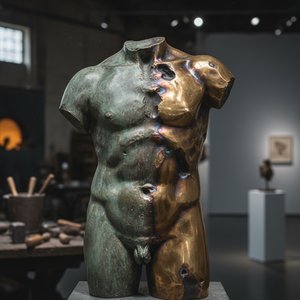
ბრინჯაოს ქანდაკების მარადიული მემკვიდრეობა: ისტორია, ტექნიკა და თანამედროვე ინტერპრეტაციები
გაიგეთ ბრინჯაოს ქანდაკების ისტორია, შექმნის ტექნიკა და თანამედროვე ინტერპრეტაციები. ხელოვნების კოლექციონერებისთვის ექსპერტული მიმოხილვა ინვესტირების პერსპექტივით.

Bronze Age to Modern Masters: 10 Sculptures That Redefined Art | OriginalUniqueArt
Journey through art history with 10 legendary bronze sculptures – from Michelangelo's David to Rodin’s Thinker. Explore the stories, techniques & timeless beauty of these masterpieces. Find museum-quality reproductions & elevate your home decor on OriginalUniqueArt.com.
