

 წინასწარი ნახვა
 გაგზავნა
 გაზიარება
 დეტალები

 ჩამოტვირთვა
 მსგავსები
 რენტგენოგრაფიული კვლევა
 სლაიდშოუ
Nono and a guitar
 Oil On Canvas
- WallArt
- Post-Impressionism
 1910
1910- 19th Century
 65.0 x 81.0 cm
 გადასართად დაწვრილებით ნახეთ
გიკლე / ხელოვნების პრინტი
მუზეუმის დონის ჟიკლე ან ტილოზე ბეჭდვა სწრაფი წარმოებისა და დასრულების მოქნილი ვარიანტებით. ( შეიძინეთ ხელით შესრულებული ნახატი შეიძინეთ გამოსახულება)




P118B $10

P118H $10

P118W $10

P438Z $10

P508JH $12

P508YH $12

P805H $10

P805Z $10

P919BZ $10

P919G $10

P919XJ $10

P959ZH $10

P968JZ $12

W106C $8

W218G $10

W218JH $8

W218Y $10

W307PJ $10

W316G $10

W316PJ $8

W316Y $10

W398PJ $8

W4111J $10

W500HY $15

W500JH $15

W692G $12

W849H $8

W940BG $15

W953PJ $8




აირჩიეთ ჩვენს მიერ წინასწარ განსაზღვრული ზომებიდან, რომლებიც ნაწარმოების ორიგინალურ პროპორციებს შეესაბამება.

თქვენ შეგიძლიათ მიუთითოთ საკუთარი ზომები კონკრეტული ჩარჩოსთვის ან სივრცისთვის მოსარგებლებლად. თუ თქვენ მიერ არჩეული ზომა არ შეესაბამება ორიგინალი გამოსახულების პროპორციებს, ჩვენ ან დავჭრით ნამუშევარს, ან გავაფართოვებთ გამოსახულებას სარკული ან ერთფეროვანი კიდეებით. წარმოების დაწყებამდე თქვენს დასამტკიცებლად გამოგეგზავნებათ ციფრული მაკეტი.
გთხოვთ, გაითვალისწინოთ, რომ ეკრანზე ნაჩვენები წინასწარი ნახვა არ ასახავს რეალურ ჭრას ან გაფართოებას. მხოლოდ მაკეტზე იქნება ზუსტად წარმოდგენილი საბოლოო კომპოზიცია.
მიუხედავად იმისა, რომ ინდივიდუალური ზომები ხელმისაწვდომია, ორიგინალური პროპორციების შესანარჩუნებლად გირჩევთ, აირჩიოთ ზომა წინასწარ განსაზღვრული სიისგან.
მიწოდება მთელ მსოფლიოში () 2 კვირაში, სტანდარტული 4/5 კვირის ნაცვლად. (29 აგვისტო)

უფასო ექსპრეს მიწოდება მთელ მსოფლიოში

საბამად მაღალი ხარისხის ტილო

სრული ტრანსპორტირების დაზღვევა

საბაჟო გადასახადების დაბრუნების გარანტია

ფერების სრული შესაბამისობის გარანტია

60-დღიანი დაბრუნების პოლიტიკა (მხოლოდ დეფექტის შემთხვევაში)

100% თანხის დაბრუნების გარანტია

ფასდაკლება დიდი რაოდენობით შეკვეთისას
 მინის ჩარჩოს არჩევანი ხელმისაწვდომია მხოლოდ 110 სმ-ზე ნაკლები ზომისთვის

Nono and a guitar
გიკლე / ხელოვნების პრინტი
რეკლამაციის ზომა
-


საბოლოო ფასი
$ 80
A Moment Suspended in Time: Exploring Nono and a Guitar
To gaze upon Henri Lebasque's "Nono and a Guitar" is to step through the soft veil of memory and into an afternoon steeped in quiet artistry. This 1910 oil on canvas does more than merely depict a scene; it captures the very essence of leisure, intimacy, and the gentle passage of time. The composition centers around a woman seated upon a richly colored, old-fashioned couch, her focus entirely absorbed by the melody emanating from the guitar cradled in her lap. Yet, the narrative depth extends beyond this central figure. The presence of other individuals, subtly placed near the edges of the frame—one in the upper left and another in the lower right—suggests a shared moment, an audience to this private musical communion.
The Warmth of Post-Impressionist Domesticity
Lebasque, a master of capturing the quotidian beauty of Parisian life, situates us firmly within the tradition of late 19th and early 20th-century French painting. His style, while echoing the detailed observation found in artists like Paul Cezanne, possesses its own unique warmth—a palpable sense of domestic tranquility. The technique employed is masterful; Lebasque utilizes soft lighting and a palette dominated by warm hues that seem to emanate from within the canvas itself. This careful handling of light imbues the entire scene with an almost golden serenity. It speaks to a time when life, even in its most mundane moments, was considered worthy subject matter for high art.
Symbolism of Music and Connection
The guitar itself functions as the emotional anchor of the piece. Music, in art, is rarely just sound; it is emotion made visible. Here, the instrument symbolizes storytelling, connection, and perhaps a yearning for something beautiful to articulate unspoken feelings. The woman holding her cup while playing suggests a contemplative state—a moment where thought and artistry merge seamlessly. Furthermore, the inclusion of multiple figures transforms what could be a simple portrait into a tableau vivant, suggesting that even in moments of personal absorption, we are always observed, always connected to the lives around us.
Bringing History Home: Reproducing Artistry
For those who wish to invite this palpable sense of peace and historical elegance into their own living spaces, acquiring a high-quality reproduction of "Nono and a Guitar" is an act of curatorial devotion. These reproductions are crafted with meticulous care, aiming not just for visual likeness but for the very spirit that Lebasque imbued into his oils. Whether adorning a formal drawing-room or lending character to a cozy nook, owning this piece allows one to participate in the enduring conversation between art history and contemporary life. It is an investment in atmosphere, a tangible echo of Parisian grace.
მხატვრის ბიოგრაფია
A Painter of Joy and Light: The Life and Art of Henri Lebasque
Henri Lebasque, a name perhaps less immediately recognized than some of his Post-Impressionist contemporaries, nevertheless occupies a significant place in the artistic landscape of early 20th-century France. Born in Champigné, Maine-et-Loire, in 1865, Lebasque’s journey toward becoming a celebrated painter was one marked by diligent study, evolving influences, and an unwavering commitment to capturing beauty in everyday life. His early education at the École régionale des beaux-arts d'Angers provided a foundational grounding, but it was his move to Paris in 1886 that truly ignited his artistic development. There, under the tutelage of Léon Bonnat and through assisting Ferdinand Humbert with decorative murals at the Panthéon, he honed his technical skills while immersing himself in the vibrant Parisian art scene. This period proved crucial, bringing him into contact with pivotal figures like Camille Pissarro and Auguste Renoir, whose emphasis on light and color would profoundly shape his aesthetic sensibilities.Early Influences and Artistic Formation
Lebasque’s formative years were steeped in Impressionist ideals. He absorbed the lessons of Claude Monet and Pierre-Auguste Renoir, recognizing the importance of capturing fleeting moments of light and atmosphere—a technique that would become central to his own artistic practice. However, Lebasque's vision extended beyond mere replication; he sought to distill the essence of Impressionism into a more contemplative form. His exposure to the burgeoning Symbolist movement further broadened his horizons, introducing him to artists like Gustave Moreau and Edvard Munch who explored psychological depth and emotional resonance—influences that would subtly permeate his oeuvre. This synthesis of Impressionistic observation and Symbolist introspection established Lebasque as an artist attuned to both visual beauty and inner experience.The Nabis Circle: Collaboration and Shared Vision
A pivotal moment in Lebasque’s artistic evolution arrived with his affiliation with Les Nabis, a group of artists who championed a distinctive aesthetic characterized by muted colors, flattened forms, and simplified compositions. Édouard Vuillard and Pierre Bonnard—Lebasque's fellow Nabis—provided invaluable guidance and inspiration, fostering in him a shared commitment to portraying domestic scenes with remarkable tenderness and honesty. The Nabis’ rejection of academic conventions—particularly the illusionistic rendering of depth—allowed Lebasque to liberate his imagination and explore new expressive possibilities. He collaborated closely with Vuillard on several projects, exchanging ideas and techniques that enriched their respective artistic vocabularies. This collaborative spirit exemplifies Lebasque's belief in the transformative power of dialogue within the creative process.A Palette of Serenity: Themes and Techniques
The hallmark of Lebasque’s work lies in its serene atmosphere and harmonious palette. He found inspiration in the simple pleasures of life – family portraits, leisurely moments in gardens, landscapes bathed in sunlight. His paintings are not grand historical narratives or dramatic allegories; instead, they offer glimpses into intimate domesticity and the beauty of the natural world. Madame Lebasque and Her Daughters, for example, exemplifies his ability to capture a tender moment with remarkable grace and sensitivity. The figures are rendered with soft brushstrokes and bathed in warm light, creating an atmosphere of peaceful contentment. He skillfully employed complementary color pairings – blues and oranges, reds and greens – to create visual excitement while maintaining an overall sense of harmony. Works like Rest on the Banks of the Yaudet demonstrate his mastery of landscape painting, capturing the tranquility of nature with a delicate touch.Legacy and Recognition: An Enduring Impression
Throughout his career, Lebasque enjoyed considerable success, participating in prestigious exhibitions such as the Salon d’Automne – which he helped found alongside Henri Matisse – and the Salon des Indépendants. He even received commissions for decorative projects, including work at the Champs-Élysées theatre and on transatlantic liners. His paintings are now held in numerous prominent museum collections, including the Musée d’Orsay in Paris, the Petit Palais in Geneva, and museums in Lille and Nantes, attesting to his enduring artistic significance. While perhaps not as widely celebrated as some of his more avant-garde contemporaries, Henri Lebasque's contribution to Post-Impressionism is undeniable. He offered a unique vision – one that prioritized beauty, harmony, and the quiet joys of everyday life. His paintings continue to resonate with viewers today, offering a welcome respite from the complexities of the modern world and reminding us of the enduring power of art to uplift and inspire.
ჰენრი ლებასკე
1865 - 1937 , საფრანგეთი
მოკლე ინფორმაცია
- Artistic Movement Or Style: პოსტიმპრესიონიზმი
- Artists Or Movements Influenced By This Artist: ['Ле Набис группа']
- Artists Who Influenced This Artist:
- Камиль Писсаро
- Аугусте Рено
- Date Of Birth: სექტემბერი 25, 1865 წ.
- Date Of Death: აგვისტო 7, 1937 წ.
- Full Name: Henri Lebasque
- Nationality: ფრანგილია
- Notable Artworks:
- Ла цигарета
- Уна ювень ц э лобское
- Place Of Birth: ჩამპინზეი მორნე, საფრანგეთი
დაკავშირებული სტატიები

სინათლისა და ფერების მიღმა: იმპრესიონიზმი და პოსტიმპრესიონიზმი კოლექციონერის თვალით
გაიგეთ იმპრესიონიზმისა და პოსტიმპრესიონიზმის სიღრმეები ექსპერტების თვალით. მონე, ვან გოგი, გაუგენი და სხვა შედევრების კოლექციონერული რჩევები OriginalUniqueArt-ში.

Impressionism vs. Post-Impressionism: A Masterclass in the Revolution of Light, Color, and Emotion
Master the nuances of Impressionism vs. Post-Impressionism with our expert guide. Explore the revolutionary shift from Monet’s fleeting light to Van Gogh’s emotional depth. Discover how these iconic movements continue to inspire fine art collectors and modern interiors today.

The Enduring Legacy of Oil on Canvas: Technique, History & Aesthetic Impact
Explore the rich history & techniques of oil painting – from Renaissance masters to Impressionism. Discover pigments, layering methods, and why this timeless medium endures. Expert insights for artists & art enthusiasts.

Beyond Impressionism: How Post-Impressionism Revolutionized Modern Art through Emotion and Structure
Explore the profound evolution of art from Impressionism to Post-Impressionism. Discover how masters like Van Gogh revolutionized color and emotion, shaping modern art history through structural innovation and expressive technique.
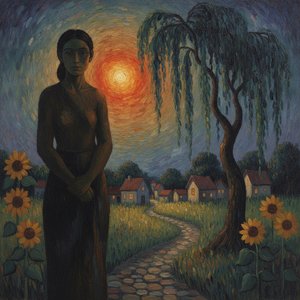
Beyond the Light: Discovering the Soul and Emotional Depth of Post-Impressionism
Embark on a cultural journey through Post-Impressionism. Discover the profound emotional depth of masters like Van Gogh and Cézanne, exploring how they moved beyond light to capture the very soul of human experience through vibrant color and symbolic form.


