

 ნახვა ინტერьерში
 გაგზავნა
 გაზიარება
 დეტალები
 გზამკვლევი

 ჩამოტვირთვა
 მსგავსები
 რენტგენოგრაფიული კვლევა
 სლაიდშოუ
 სტატისტიკა
Log Cutting
 Contemporary Realism
 74.0 x 66.0 cm
 Swindon Art Gallery
 სრული ტექსტის ნახვა
ამ გვერდზე წარმოდგენილი ნამუშევარი დაცულია საავტორო უფლების შესახებ კანონმდებლობით, რაც იმას ნიშნავს, რომ ჩვენ არ გვაქვს მისი იდენტური რეპროდუქციის შექმნის ან გაყიდვის სამართლებრივი უფლება. აღნიშნული დაცვა უზრუნველყოფილია ისეთი საერთაშორისო შეთანხმებებით, როგორიცაა ბერნის კონვენცია და ეროვნული კანონმდებლობით, მათ შორის იმ კანონებით, რომლებიც დეტალურად არის გაწერილი აშშ-ის საავტორო უფლების შესახებ კანონი - თავი 17.
ეს მეთოდი სრულად შეესაბამება საავტორო უფლებების რეგულაციებს, რადგან ის არ გულისხმობს დაცული ნამუშევრის კოპირებას ან დუბლირებას. ამგვარად, ეს წარმოადგენს შემოქმედებით რეინტერპრეტაციას — ახალ ნახატს, რომელიც შთაგონებითაა განპირობებული ორიგინალით, თუმცა არ არის მის იდენტურ ასლს.
გიკლე / ხელოვნების პრინტი
მუზეუმის დონის ჟიკლე ან ტილოზე ბეჭდვა სწრაფი წარმოებისა და დასრულების მოქნილი ვარიანტებით. ( შეიძინეთ ხელით შესრულებული ნახატი გადასვლა ციფრულ გამოსახულებაზე)




































აირჩიეთ ჩვენს მიერ წინასწარ განსაზღვრული ზომებიდან, რომლებიც ნაწარმოების ორიგინალურ პროპორციებს შეესაბამება.

შეიყვანეთ თქვენთვის საჭირო სიგანე და სიმაღლე, რათა იგი მოერგოს თქვენს ჩარჩოს ან კედელს. ბეჭდვისას შესაძლებელია მხოლოდ მისი შემცირება და არა გაზრდა, ამიტომ სხვა ფორმის ზომის შემთხვევაში გამოსახულება ნაწილობრივ იკარგება. სანამ რაიმეს დაბეჭდავთ, ჩვენ გამოგიგზავნით ციფრულ მაკეტს დასდასტურებლად. ამ გვერდზე ნაჩვენები სურათი არ ასახავს რეალურ ჭრას — ამას მხოლოდ მაკეტი გვიჩვენებს.
მიწოდება მთელ მსოფლიოში () 2 კვირაში, სტანდარტული 4/5 კვირის ნაცვლად. (23 ოქტომბერი)

უფასო ექსპრეს მიწოდება მთელ მსოფლიოში

მაღალი ხარისხის ტილო

ტრანსპორტირების სრული დაზღვევა

საბაჟო გადასახადების დაბრუნების გარანტია

ფერების სრული შესაბამისობის გარანტია

დაბრუნების 100-დღიანი პერიოდი (მხოლოდ წარმოების დეფექტის შემთხვევაში)

100% თანხის სრული დაბრუნების გარანტია

ფასდაკლება დიდი რაოდენობით შეკვეთისას
 მინის ჩარჩოს არჩევანი ხელმისაწვდომია მხოლოდ 110 სმ-მდე ზომისთვის

Log Cutting
გიკლე / ხელოვნების პრინტი
რეპროდუქციის ზომა
-


ჯამური ღირებულება
₾ 209
მხატვრის ბიოგრაფია
The Rediscovered Vision of Harold Dearden
In the grand tapestry of British art history, certain names shine with an undeniable brilliance, while others linger in the soft shadows of their more famous contemporaries. Harold Dearden (1888–1962) is a figure who belongs to that evocative second category—a master whose brush captured the soul of the English landscape and the dignity of human labor, yet whose legacy was long overshadowed by giants like Stanley Spencer. Born in Bolton, Lancashire, on December 13th, 1882, Dearden’s journey was one of profound discipline and transformative experience. His early training at the Rochdale School of Art under the watchful eye of Henry Barret Carpenter instilled in him a rigorous foundation in colour theory and observational precision. This academic rigor would later serve as the bedrock for his diverse repertoire, ranging from delicate watercolours to robust, textured oil paintings.
Dearden’s artistic evolution was further propelled by a prestigious scholarship to the Royal College of Art in London. Between 1910 and 1915, studying under the influential Gerald Moira, he embraced an expansive curriculum that bridged the gap between fine art and structural design. This period of study in architecture, painting, and sculpture gifted him with a unique sense of scale and narrative depth. His work began to reflect a sophisticated understanding of composition, where the weight of a figure or the sweep of a landscape was balanced with the precision of a draughtsman. However, the trajectory of his life was irrevocably altered by the Great War. Serving as a medical officer within the Royal Army Medical Corps, Dearden faced the visceral horrors of trench warfare. The physical toll—most notably the loss of an eye—and the psychological weight of combat left indelible marks on his psyche, perhaps infusing his later explorations of theme and form with a deeper, more resilient emotional resonance.
A Legacy of Color and Craft
Following the upheaval of war, Dearden transitioned into a period of significant institutional influence and creative output. For three decades, beginning in 1920, he served as the head of the Swindon Art School, a role that allowed him to shape the next generation of British artists while simultaneously fostering a vibrant local art scene. As the president of the Swindon Artists’ Society, his presence was central to the cultural life of the region. His artistic style became a captivating blend of Post-Impressionistic vitality and Art Deco elegance. Whether he was rendering the muscularity of rural toil in works like Log Cutting or capturing the ethereal grace of mythological figures in Three Graces, Dearden possessed an uncanny ability to breathe life into his subjects through a rich, earthy palette and masterful impasto techniques.
His versatility as a creator allowed him to move seamlessly between mediums, leaving behind a body of work that includes:
- Oil Paintings: Characterized by their textured surfaces and profound engagement with light and shadow, often depicting landscapes and figurative studies.
- Watercolours: Demonstrating a delicate touch and an exquisite command over transparency and fluid movement.
- Draughtsmanship: Utilizing ink and wash to create precise, narrative-driven illustrations that showcased his architectural training.
Today, the significance of Harold Dearden lies in his ability to bridge the gap between Victorian illustrative traditions and the burgeoning modernism of the twentieth century. His work serves as a poignant window into the social shifts of his era, capturing both the industrial grit and the pastoral beauty of a changing Britain. Though he may have remained an obscure figure for many years, the rediscovery of his paintings—held in esteemed collections such as the Swindon Museum and Art Gallery—offers a profound opportunity to appreciate a voice that was as resilient as it was beautiful.

მოკლე ფაქტები
- Artistic Movement Or Style: Modern Art
- Artists Or Movements Influenced By This Artist: ['Gerald Moira']
- Artists Who Influenced This Artist: ['Henry Barret Carpenter']
- Date Of Birth: December 13, 1882
- Date Of Death: July 6, 1962
- Full Name: Harold Dearden
- Nationality: British
- Notable Artworks:
- Log Cutting
- The Locarno
- Salubritas
- Place Of Birth: Bolton, Lancashire
მსგავსი სტატიები

The Enduring Legacy of Oil on Canvas: Technique, History & Aesthetic Impact
Explore the rich history & techniques of oil painting – from Renaissance masters to Impressionism. Discover pigments, layering methods, and why this timeless medium endures. Expert insights for artists & art enthusiasts.

ზეთის საღებავის მუდმივი მემკვიდრეობა: ტექნიკა, ისტორია და თანამედროვე პრაქტიკა
გაიგეთ ზეთის საღებავის ფერწერის ისტორია, ტექნიკა და თანამედროვე პრაქტიკა. პროფესიონალური მხატვრების რჩევები, ქართული ხელოვნების მიმოხილვა და ინსტრუქციები თქვენი შემოქმედებისთვის.

Oil on Canvas: A Historical & Technical Exploration of a Timeless Artistic Medium
Explore the rich history & enduring techniques of oil painting on canvas. Discover the science behind its longevity, conservation practices, and contemporary relevance. Expert insights for art enthusiasts.
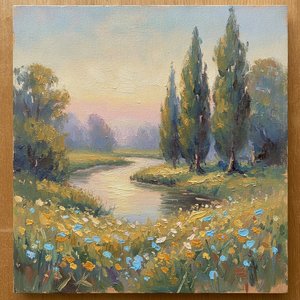
The Timeless Charm of Oil on Board: Reimagining Texture and Light through the Impressionist Lens
Discover the profound intimacy of oil on panel. Explore how Impressionist masters used rigid supports to capture light, texture, and impasto depth through exquisite, handmade oil reproductions for discerning collectors.

The Enduring Power of Painting: A Historical & Contemporary Exploration of Form and Emotion
Explore the rich history & enduring techniques of oil painting with OriginalUniqueArt. Discover masterpieces, learn about art collecting, and find authentic handmade reproductions crafted by skilled artists.